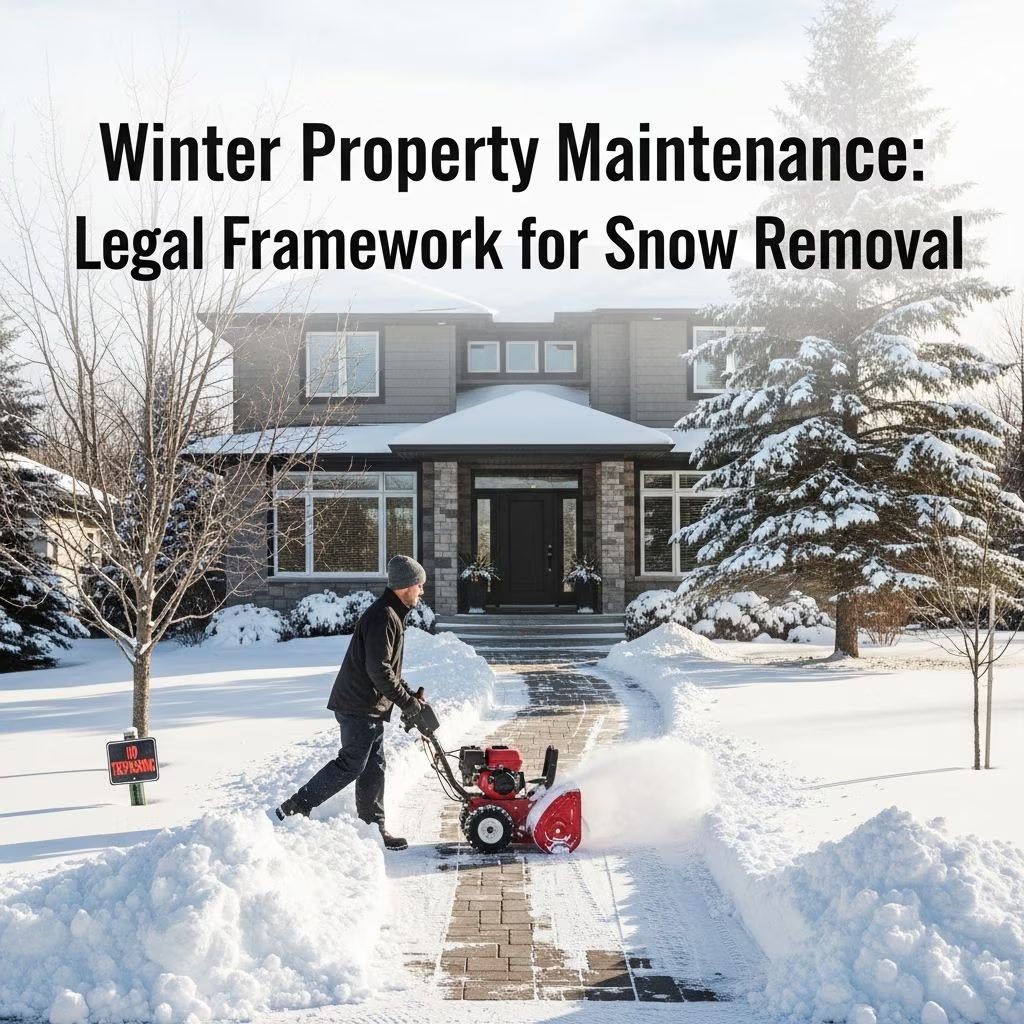
Understanding Snow Removal Obligations in Rental Properties
Winter weather presents unique challenges for property owners and tenants alike. When snow falls, the question of who bears responsibility for removal becomes critically important—not just for maintaining property aesthetics, but for ensuring legal compliance and personal safety. The answer to this question is far more complex than a simple yes or no, as responsibility depends on multiple interconnected factors including jurisdiction, property configuration, and explicit contractual terms.
The Legal Landscape Varies Significantly Across Jurisdictions
One of the most important factors in determining snow removal responsibility is understanding your local legal framework. Different municipalities, counties, and states impose varying requirements on property owners regarding snow and ice management. These regulations typically focus on maintaining safe passage through public areas adjacent to rental properties, such as sidewalks and common walkways.
Most jurisdictions establish specific timeframes within which property owners must address snow accumulation. Commonly, these windows range from 24 to 48 hours after precipitation ceases. This timeline ensures that public safety is prioritized while giving owners a reasonable opportunity to organize removal efforts. However, some municipalities have stricter requirements, while others provide more flexibility. Additionally, certain jurisdictions regulate where removed snow can be deposited, preventing property owners from simply pushing snow into neighboring areas or blocking storm drains.
The distinction between private property snow removal and public area snow removal is crucial. While regulations typically mandate clearing adjacent public sidewalks and walkways, the standards for clearing the rental property itself may differ. Some areas impose strict liability standards, meaning property owners face legal consequences if anyone is injured due to snow or ice accumulation on their premises, regardless of fault. Other jurisdictions follow a “natural accumulation” doctrine, which holds property owners responsible only for snow and ice resulting from artificial conditions or negligent maintenance.
How Property Type Influences Responsibility Distribution
The structure and configuration of a rental property fundamentally shapes how snow removal responsibilities are typically allocated. Multifamily properties and single-family rentals operate under distinctly different frameworks, reflecting their different physical characteristics and use patterns.
Multifamily Properties and Common Areas: Property owners of apartment buildings, duplexes, and other multifamily units generally bear primary responsibility for snow removal in shared spaces. Common areas—including building entrances, shared hallways, parking lots, and communal walkways—must remain accessible to all residents. Tenants cannot reasonably be expected to clear areas used by multiple households, as this creates coordination problems and potential disputes. Additionally, requiring individual tenants to clear common spaces raises fairness and liability concerns. Most courts and jurisdictions recognize that the property owner, having control over the entire structure, should maintain these essential access points.
Single-Family Rental Homes: The situation differs substantially for single-family properties. When a tenant exclusively occupies and controls a property’s exterior areas, many landlords delegate snow removal responsibilities to the tenant. This arrangement can work effectively when the lease clearly specifies these duties and when the tenant has both the physical capability and resources to perform the work. However, even in single-family situations, local ordinances still apply. If municipal law requires snow removal from adjacent public sidewalks, this obligation typically falls to the property owner, who remains liable for non-compliance regardless of what the lease states.
Tenant Circumstances and Practical Limitations
Beyond legal requirements and lease terms, the actual ability of tenants to perform snow removal deserves careful consideration. Some tenants may have physical limitations, medical conditions, or disabilities that prevent them from safely performing strenuous snow removal tasks. The Americans with Disabilities Act and similar protections may prohibit landlords from enforcing snow removal obligations on tenants unable to comply due to disability.
Age also matters. Younger or elderly tenants may lack the physical capability to safely shovel snow or apply ice melt products. Additionally, some tenants simply lack access to necessary equipment—snow shovels, snow blowers, ice melt, or rock salt—making compliance practically impossible without substantial expense.
Ethical landlords recognize that assigning snow removal duties to incapable tenants creates tension and may violate fair housing regulations. Even when legally permissible, such assignments can damage landlord-tenant relationships and create liability exposure if injuries occur during snow removal attempts. The most pragmatic approach involves assessing each tenant’s actual capability before assigning such responsibilities.
Crafting Effective Lease Language for Clarity
Regardless of whether local law mandates landlord responsibility or permits tenant delegation, clarity in lease agreements remains essential. Ambiguous provisions about snow removal can lead to misunderstandings, disputes, and potential legal complications during winter months when quick action is most needed.
Effective lease language should address several key elements. First, it must explicitly state who bears responsibility—the landlord, the tenant, or both parties for different areas. Second, it should define exactly which areas fall under the responsible party’s control, distinguishing between private and common spaces. Third, the lease should incorporate local ordinance requirements, ensuring tenants understand they must comply with municipal timeframes and regulations regardless of what the lease states.
Additional provisions might address acceptable snow removal methods, expected frequency during ongoing precipitation, and consequences for non-compliance. Some leases specify what materials tenants can use (recognizing that some ice melt products damage vegetation or contaminate water supplies) or establish standards for snow piling locations.
The lease should also clarify whether the responsible party handles removal personally, hires professional services, or shares the cost. If tenants bear responsibility, some landlords offer rent reductions or bonuses as incentives for timely completion. Such arrangements benefit all parties by ensuring consistent, reliable snow management without requiring landlord oversight.
Liability Exposure and Insurance Considerations
Property owners face substantial liability risks when snow and ice create hazardous conditions. Anyone slipping on an icy sidewalk or falling due to unsafe steps can pursue legal action against the property owner. Insurance companies recognize this exposure, and landlord policies typically include provisions related to snow removal and ice management.
Understanding your insurance coverage is critical. Some policies require that property owners maintain snow removal services or face coverage limitations. Others impose higher deductibles for claims involving inadequate snow management. Documentation becomes important here—maintaining records of snow removal activities, hiring professional services, and timely response to weather events demonstrates reasonable care and strengthens your position if liability claims arise.
Delegating responsibility to tenants through lease provisions does not automatically transfer liability away from the property owner. If a tenant fails to remove snow and someone is injured, the property owner may still face legal action. Placing responsibility on tenants requires careful documentation and may necessitate regular inspections to verify compliance. Professional liability insurance becomes increasingly important for landlords who rely on tenant compliance rather than professional services.
Alternative Approaches to Snow Management
For landlords who prefer not to rely on tenant compliance or personal effort, several alternatives exist. Professional snow removal services handle the task efficiently and maintain documentation of timely completion. While this involves direct expense, it provides reliability and demonstrates that reasonable care was exercised if disputes later arise.
Community-based solutions offer cost-effective alternatives. Many neighborhoods have individuals willing to perform snow removal for reasonable fees—teenagers earning supplemental income, retired individuals seeking part-time work, or neighbors helping neighbors. Posting notices in community spaces or using neighborhood networks can identify local contractors willing to work at lower rates than commercial services.
Some property managers implement incentive systems where tenants receive rent credits for completing snow removal. This approach aligns financial interests with property maintenance goals and rewards responsible tenant behavior. The rent reduction must be structured carefully to ensure it doesn’t violate rent control regulations in jurisdictions where such laws apply.
State-Specific Variations in Snow Removal Requirements
While general principles apply across most jurisdictions, individual states and municipalities implement distinct requirements. Northern states with regular significant snowfall typically have detailed, well-established snow removal regulations. These states often specify precise timeframes, acceptable removal methods, and snow disposal locations. Some states impose escalating penalties for repeated non-compliance, encouraging property owners to take obligations seriously.
States experiencing occasional or sporadic snowfall may have less developed regulatory frameworks. Property owners in these areas sometimes face ambiguity about their exact obligations, making lease clarification even more important. Additionally, the sudden occurrence of snow in areas unaccustomed to winter weather may overwhelm local snow removal services, creating practical challenges even for conscientious property owners.
Property owners operating in multiple states must understand each jurisdiction’s specific requirements. A lease provision that complies with regulations in one state may violate another state’s fair housing laws or liability standards. Consulting with local attorneys familiar with state and municipal snow removal ordinances is prudent for owners managing properties across different regions.
Practical Documentation and Compliance Strategies
Landlords committed to legal compliance should maintain detailed documentation of snow removal activities. This includes records of professional service contracts, dated photographs showing cleared areas, receipts for materials or contracted services, and communications with tenants about their responsibilities.
Regular property inspections during winter weather establish whether snow removal is occurring as required. Taking photographs or videos showing the property’s condition after storms creates evidence of timely removal if disputes arise. Prompt responses to snow events—even if that means hiring emergency services—demonstrate reasonable effort and reduce liability exposure.
Communication with tenants about weather events and removal expectations prevents misunderstandings. Sending reminders before anticipated snowstorms, clarifying deadlines for removal, and following up to verify completion keeps everyone informed and creates documentation of your oversight efforts.
Key Considerations Before Winter Arrives
Property owners in snow-prone regions should address snow removal responsibilities before the first snowfall arrives:
- Research local ordinances and municipal regulations governing snow removal in your jurisdiction
- Consult with a local attorney about your specific obligations and liability exposure
- Review or revise lease agreements to clearly specify snow removal responsibilities
- Assess whether tenants can reasonably comply with assigned responsibilities
- Identify and establish relationships with professional snow removal services as backup
- Document your snow removal plan and communicate it to all affected tenants
- Verify that your liability insurance covers snow-related claims and understand any coverage limitations
Frequently Asked Questions About Snow Removal Responsibility
Q: Can I legally require my tenant to remove snow in a multifamily building?
A: Generally, no. Tenants in multifamily buildings typically cannot be required to clear common areas used by multiple units. However, tenants may be responsible for clearing areas under their exclusive use. State laws vary, so check your local regulations.
Q: What happens if my tenant doesn’t remove snow and someone is injured?
A: You may still face liability even if your lease assigns the responsibility to your tenant. Property owners retain ultimate responsibility for safe premises. Document that you assigned responsibility and verify tenant compliance to strengthen your liability position.
Q: How quickly must snow be removed after it stops falling?
A: Most jurisdictions require removal within 24 to 48 hours of precipitation ceasing. Some areas may have stricter timelines. Check your local municipal codes for specific requirements in your area.
Q: Can I reduce rent if a tenant handles snow removal?
A: Yes, rent credits or reductions can incentivize tenant compliance with snow removal duties. However, ensure this arrangement complies with local rent control regulations and is clearly documented in the lease.
Q: Should snow removal be in my lease agreement even if local law makes it the landlord’s responsibility?
A: Yes. Including clear language about snow removal in your lease, even when law assigns responsibility to you, ensures all parties understand expectations and prevents disputes. This is always good practice.
References
- Rental Property Snow Removal: Whose Responsibility Is It? — Innago. January 2024. https://innago.com/rental-property-snow-removal/
- Snow Removal Responsibilities in Rentals: A Guide for Landlords — Enterprises RPM. 2024. https://www.enterprisesrpm.com/snow-removal-responsibilities-edmond-661
- Snow and Ice — Tenant Resource Center. 2024. https://www.tenantresourcecenter.org/snow_and_ice
- The Complete Guide to Snow Removal Laws by State — Rentec Direct. 2024. https://www.rentecdirect.com/blog/the-complete-guide-to-snow-removal-laws-by-state/
- Snow Removal: Is Your Landlord Responsible? — Foremost Insurance. 2024. https://www.foremost.com/learning-center/snow-removal-is-your-landlord-responsible.asp
- Who is Responsible for Snow Removal in a Multi Family Dwelling? — Avvo Legal Answers. 2024. https://www.avvo.com/legal-answers/who-is-responsible-for-snow-removal-in-a-multi-fam-2421038.html