
Winter Prep Guide for Rental Property Owners
Essential strategies for landlords to manage cold weather challenges, ensure tenant safety, and avoid legal pitfalls during winter months.
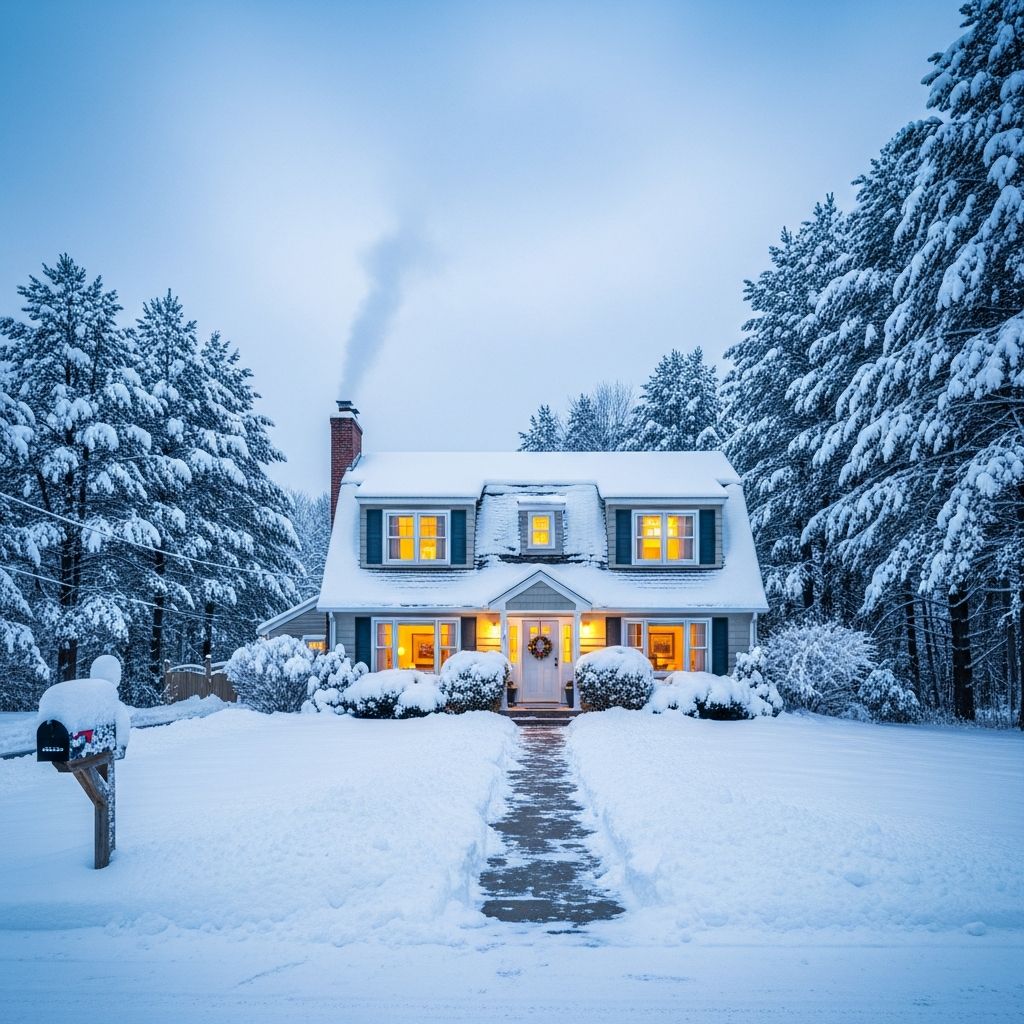
Rental property owners face unique challenges during cold months, including frozen pipes, slippery walkways, and heating failures that can lead to tenant dissatisfaction or legal disputes. Proactive preparation not only protects investments but also fulfills legal duties to provide habitable conditions. This guide outlines key strategies, drawing from established practices to help landlords navigate winter effectively.
Understanding Legal Foundations of Winter Maintenance
Landlords must maintain properties in habitable states, which extends to winter-specific needs like functional heating and safe access paths. Habitability laws, often rooted in state statutes, require safe and efficient heating systems, weatherproof exteriors, and prompt hazard mitigation. Local ordinances dictate snow removal timelines, such as clearing paths within 24 hours of snowfall in many jurisdictions, with penalties for non-compliance including fines or liability for injuries.
Lease agreements play a pivotal role; they should explicitly assign tasks like snow shoveling from private balconies to tenants while retaining landlord oversight for shared spaces. Courts often uphold reasonable lease terms but prioritize overall safety, holding owners accountable if common areas pose risks. Reviewing municipal codes via city websites ensures compliance, as requirements vary—e.g., ADA mandates 36-inch wide cleared paths.
Comprehensive Property Inspection Protocols
Begin winter prep with thorough inspections to identify vulnerabilities. Exterior checks should cover roofs for ice dam risks, gutters for blockages, and trees for overhanging branches that could snap under snow weight. Interior audits focus on insulation gaps around windows and doors, where drafts compromise efficiency.
- Roof and Gutter Assessment: Clear debris to prevent ice buildup; inspect for leaks that worsen in freezes.
- Tree Trimming: Remove dead limbs to avert property damage or injuries.
- Foundation Review: Seal cracks to block moisture ingress, reducing frost heave risks.
Document findings with photos and timestamps, creating a trail for potential disputes. Schedule these pre-November to allow time for fixes.
Heating and HVAC System Optimization
Reliable heating is non-negotiable; failures violate habitability standards and invite tenant remedies like rent withholding. Annual professional inspections tune furnaces, replace filters, and test safety valves, ideally before first frost. Tenants should report issues immediately—landlords respond within 24-48 hours per many state laws.
| Component | Maintenance Task | Frequency |
|---|---|---|
| Furnace/Boiler | Inspect burners, vents, and thermostats | Annually |
| Filters | Clean or replace | Monthly |
| Ducts | Seal leaks and insulate | Bi-annually |
| Chimneys | Sweep for creosote buildup | Yearly |
For multi-unit buildings, prioritize central systems; in single-family rentals, provide tenant education on thermostat use to prevent overuse disputes. Smart thermostats offer remote monitoring, alerting to malfunctions.
Snow and Ice Control Strategies
Snow management differs by property type: tenants in single-family homes typically handle driveways, while landlords manage multi-family common areas like parking lots and stairs. Local laws often require salting within set hours post-storm, with eco-friendly options like calcium chloride preferred over rock salt to avoid concrete damage.
Develop a response plan: contract professional services for efficiency, specifying morning clearances (e.g., by 6:30 AM) and 36-inch paths. Stock de-icers and train staff on fire hydrant clearing. Lease clauses should detail tenant duties for personal spaces, with reminders sent seasonally.
- Hire vendors with liability insurance.
- Avoid piling snow on streets, per ordinances.
- Illuminate paths with working exterior lights.
Record efforts—receipts, logs—to defend against slip-and-fall claims, where ‘reasonable care’ is the standard.
Plumbing Protection Against Freezes
Frozen pipes cause 25% of winter insurance claims; prevention saves thousands. Insulate exposed lines with foam sleeves, especially in attics and crawlspaces. Drain outdoor spigots, shutting interior valves and blowing out lines.
In unheated areas, install heat tape with GFCI protection. Advise tenants to maintain 55°F minimum indoors, drip faucets during deep freezes, and open cabinets under sinks. For vacant units, winterize fully: add antifreeze to traps.
Weatherproofing for Energy Savings and Comfort
Draft-proofing cuts heating bills by 10-20%. Caulk window frames, weatherstrip doors, and add storm panels where feasible. Upgrade insulation in attics to R-38 minimum per energy codes. These steps enhance tenant retention by ensuring cozy interiors.
Communicate upgrades via notices, potentially sharing savings incentives. Energy audits from utilities reveal quick wins like LED bulbs and programmable thermostats.
Effective Tenant Communication and Documentation
Clear leases prevent conflicts: specify responsibilities, reporting protocols, and emergency contacts. Distribute winter checklists upon move-in and October renewals. Use apps for maintenance requests, tracking responses.
Foster cooperation with incentives like rent discounts for proactive reporting. Hold safety meetings for multi-family sites, covering de-icing and heater safety.
Emergency Response and Liability Mitigation
Storms demand rapid action: designate on-call teams for after-hours issues. Carry comprehensive insurance covering weather perils, with snow removal endorsements. Tenants must report hazards promptly, or risk liability for delays.
In disputes, evidence like salted walkway photos proves diligence. Consult local housing authorities for code specifics.
Winter Maintenance FAQs
Who clears snow in single-family vs. multi-family rentals?
In single-family homes, tenants usually manage driveways and walks unless leased otherwise; multi-family landlords handle shared areas per local rules.
How quickly must landlords fix heating failures?
Typically 24-72 hours, varying by state; prolonged issues allow tenant actions like repair-and-deduct.
What if a tenant slips on uncleared ice?
Landlords may be liable without reasonable removal efforts; documentation protects against claims.
Can leases shift all snow duties to tenants?
Only for private areas; common zones remain landlord responsibility under habitability laws.
What’s the best de-icer for properties?
Calcium or magnesium chloride for effectiveness and lower corrosion vs. sodium chloride.
References
- Winter Home Maintenance: Legal Obligations for Landlords and Tenants — MyKajabi Law Blog. 2023. https://law.mykajabi.com/blog/winter-home-maintenance-legal-obligations-for-landlords-and-tenants
- Landlord-Tenant Responsibilities for Snow Removal — Bay Management Group. 2024-01-15. https://www.baymgmtgroup.com/blog/landlord-tenant-responsibilities-snow-removal/
- Landlord’s Checklist for Winterizing Rental Properties — Steadily Insurance Blog. 2024-10-20. https://www.steadily.com/blog/landlords-checklist-for-winterizing-rental-properties
- Is a Landlord Responsible for Ice and Snow Removal? — Misny Law. 2023-11-05. https://misnylaw.com/landlord-responsible-for-ice-snow-removal/
- Snow Management for Rental Properties: A Guide for Landlords & Tenants — Jaxon Texas. 2024. https://jaxontexas.com/snow-management-for-rental-properties-a-guide-for-landlords-tenants/
Similar Articles








Read full bio of medha deb


