
Winning Disputes in Car Crash Cases Without Clear Proof
Master strategies to prevail in conflicting car accident claims using witnesses, evidence, and legal tactics for fair compensation.
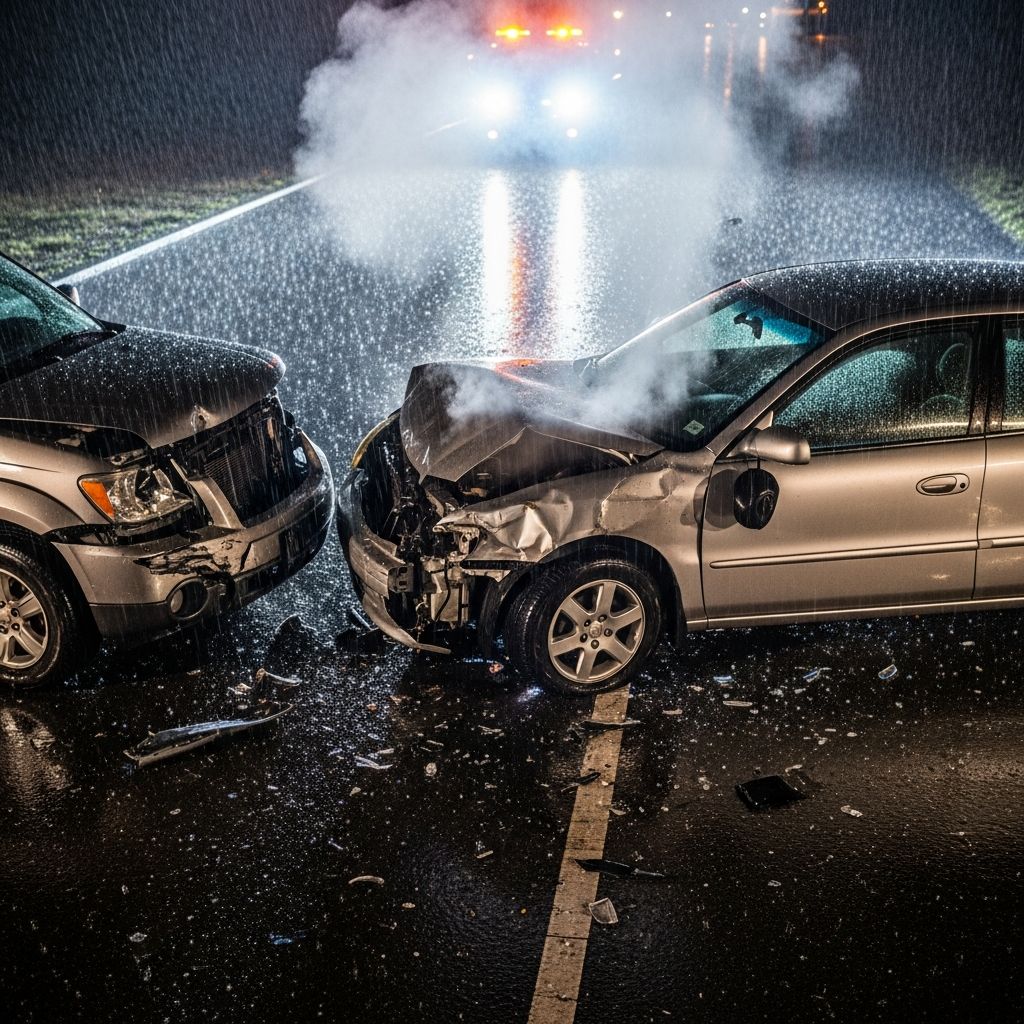
In many vehicle collisions, drivers offer conflicting accounts with no video footage or obvious signs of fault, creating challenging ‘he said, she said’ scenarios. Success hinges on building a persuasive case through indirect evidence, reliable testimonies, and strategic preparation, often tipping the scales in favor of the truthful party.
Understanding Conflicting Accounts in Collision Claims
Conflicting driver statements frequently arise at intersections, rear-end incidents, or lane-change mishaps where each party blames the other. Insurance companies and courts must then sift through subjective recollections to assign liability. While no single piece dominates, combining multiple supportive elements creates a compelling narrative that outweighs mere words.
These disputes test the ability to demonstrate negligence under traffic laws, such as right-of-way rules or speed limits. Juries and adjusters prioritize objective corroboration over self-serving claims, making preparation essential from the scene onward.
Key Physical Evidence Beyond Driver Stories
Even without dashcam videos, tangible clues can validate one version over another. Skid marks reveal braking distances and speeds, vehicle damage patterns indicate impact angles, and road debris points to point of collision. Documenting these immediately with photos strengthens claims significantly.
Traffic signals, signs, or weather conditions also play roles. A functioning yellow light or wet pavement might explain maneuvers, supported by police reports or meteorological data. Mechanics’ inspections further clarify if pre-existing defects contributed, shifting focus from driver error.
The Power of Independent Eyewitness Accounts
Third-party observers provide invaluable neutrality in disputes. Bystanders uninvolved in the crash offer fresh perspectives, often swaying outcomes when their details align with one driver’s story. Promptly identifying and securing their contact information prevents fading memories.
- Unbiased observers: Pedestrians or nearby drivers with no stake carry the most weight.
- Multiple viewpoints: Consistent stories from several sources build unassailable credibility.
- Detailed recollections: Specifics like vehicle colors, speeds, or signals enhance reliability.
Passengers can testify too, though their relationship to the driver invites scrutiny. Their accounts gain traction when matching physical evidence.
Evaluating and Bolstering Witness Reliability
Not all testimonies hold equal value; credibility hinges on several factors courts rigorously assess. Experienced professionals, like traffic engineers, lend authority through specialized knowledge, while lay witnesses shine via clear, consistent narratives.
| Credibility Factor | Positive Indicators | Potential Red Flags |
|---|---|---|
| Background | Clean record, relevant expertise | Criminal history, dishonesty reputation |
| Observation Quality | Full view, undivided attention | Distractions, partial sightlines |
| Consistency | Stable story across retellings | Changing details over time |
| Impartiality | No ties to parties involved | Family/friend relationships, financial interests |
| Demeanor | Confident, detailed recall | Nervousness, vagueness |
Lawyers investigate these traits early, interviewing witnesses to lock in statements and preempt attacks. Corroboration with evidence elevates even average accounts to decisive proof.
Expert Analyses to Resolve Ambiguities
Forensic specialists reconstruct events using physics and data, modeling trajectories from damage and marks. Their reports often resolve debates on speed, braking, or visibility, providing courts with scientific backing absent in verbal disputes.
Accident reconstructionists, human factors experts on perception-reaction times, and biomechanists on injury causation form a robust team. Their impartial findings counter biased recollections, frequently determining fault in close calls.
Navigating Insurance and Police Involvement
Police reports capture initial statements and observations, gaining influence despite not being conclusive. Officers’ diagrams or citations lend preliminary credibility, especially if noting violations.
Insurers scrutinize all inputs, often undervaluing claims without strong support. Persistent documentation and legal pressure compel fairer settlements, avoiding lowball offers in ambiguous cases.
Strategic Steps Immediately After the Incident
- Secure the scene: Take photos/videos of vehicles, roads, and injuries before changes occur.
- Gather contacts: Note witness details and request statements promptly.
- Seek medical care: Records link injuries to the crash, countering minimization attempts.
- Avoid admissions: Refrain from fault discussions with insurers until advised.
- Consult professionals: Attorneys coordinate evidence preservation and expert hires.
These actions transform chaotic aftermaths into structured cases, maximizing leverage.
Building a Comprehensive Case Narrative
Success demands weaving evidence into a cohesive story: physical traces confirm witness tales, experts explain mechanics, and medical files quantify harm. This multifaceted approach overwhelms isolated denials, compelling accountability.
In trials, vivid presentations via timelines, animations, and testimonies engage jurors, making abstract disputes tangible. Settlements often follow strong preparations, as opponents concede unfavorable odds.
Overcoming Common Obstacles in Disputes
Opponents may impugn witnesses via biases or inconsistencies, but preemptive bolstering neutralizes this. Partial evidence gets amplified through context, like aligning minor skid data with testimonies.
Memory lapses affect all parties equally; highlighting one’s consistency versus the other’s shifts undermines rivals. Health issues or distractions get contextualized if not central to observation.
When to Escalate to Litigation
Stubborn insurers ignoring solid evidence warrant lawsuits. Courts provide neutral forums where judges weigh factors methodically, often favoring well-documented claims. Timely filings preserve rights under statutes of limitations.
Frequently Asked Questions
What makes a witness account trustworthy in crash disputes?
Trustworthiness stems from impartiality, consistent details, clear observation conditions, and absence of biases or criminal backgrounds impacting reliability.
Can a single eyewitness decide fault?
One strong, corroborated account can sway decisions, especially alongside physical proof, though multiples strengthen certainty.
How do experts help in word-against-word cases?
Experts apply science to reconstruct events, validating plausible scenarios and debunking impossibilities based on evidence.
Should I give a statement to insurance right away?
Provide basics but delay detailed accounts without legal guidance to avoid missteps in ambiguous situations.
What if no witnesses saw the full event?
Partial observers, combined with forensics and vehicle data, often suffice to build persuasive arguments.
Conclusion: Empowerment Through Preparation
Disputed crashes demand proactive evidence gathering and credibility focus to prevail. Victims armed with witnesses, experts, and strategy secure deserved recoveries despite initial uncertainties.
References
- Importance of Credible Witnesses in Personal Injury Cases — Salvi Law. 2023-05-15. https://www.salvilaw.com/chicago-injury-resources/importance-of-credible-witnesses/
- When do Car Accident Witnesses Have Good Credibility? — Phillips Law. 2022-11-08. https://phillipslaw.com/blog/car-crash-witness-credibility/
- How Witness Credibility Affects a Car Accident Claim — Your Erie Lawyers. 2023-07-20. https://www.yourerielawyers.com/blog/how-witness-credibility-affects-a-car-accident-claim/
- The Importance of Witness Statements in Car Accident Cases — The Georgia Injury Attorney. 2024-04-10. https://www.thegeorgiainjuryattorney.com/blog/2024/april/the-importance-of-witness-statements-in-car-accident-cases/
- The Importance of Witness Testimony in a Car Accident Claim — James Alexander Law. 2023-09-12. https://www.jamesalexanderlaw.com/blog/the-importance-of-witness-testimony-in-a-car-accident-claim/
Similar Articles








Read full bio of medha deb


