
Wildlife Feeding Laws and Ecological Consequences
Understanding the legal restrictions and environmental impacts of feeding wild animals.
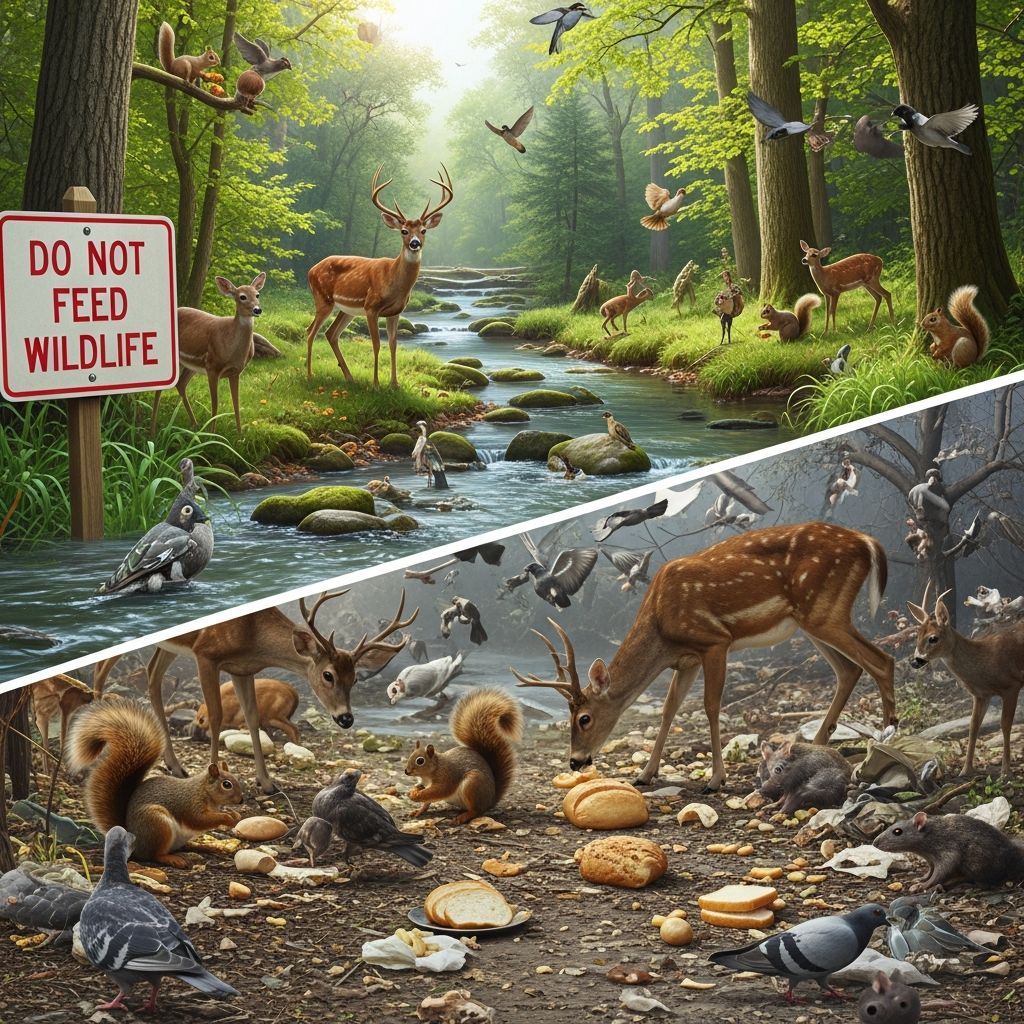
Understanding the Legal Framework Around Wildlife Feeding
The question of whether it is permissible to feed wild animals carries significant legal implications that vary across different jurisdictions. In many regions, particularly throughout California and other states, feeding wildlife is not merely discouraged—it is actively prohibited by law. These regulations exist not as arbitrary restrictions but as necessary protective measures designed to safeguard both human populations and animal welfare. Understanding these legal boundaries is essential for anyone who enjoys outdoor activities or lives in areas where wildlife encounters are common.
The legal prohibition against feeding wild animals represents a convergence of public health concerns, ecological management principles, and animal welfare considerations. When individuals provide food to wild animals, they inadvertently set in motion a cascade of consequences that extends far beyond the immediate interaction between human and beast. From disease transmission to ecosystem disruption, the ramifications of wildlife feeding create problems that regulatory agencies work continuously to mitigate.
State and Local Legal Restrictions
California has established comprehensive legal frameworks that explicitly prohibit the feeding of wildlife. Section 251.1 of the California Fish and Game Code designates the feeding of wild animals as animal harassment, defining harassment as an intentional act that disrupts normal animal behavior patterns, including feeding and sheltering activities. This legal designation carries tangible consequences; individuals caught feeding wildlife face potential fines reaching up to $1,000 for violations such as providing food to squirrels.
Beyond the state level, local municipalities have enacted their own ordinances. San Bernardino County, for example, has specific provisions prohibiting the feeding of non-domesticated mammalian predators including coyotes, raccoons, foxes, opossums, bears, mountain lions, and bobcats. Additional county regulations restrict leaving any food outdoors for animals between 10:00 p.m. and 6:00 a.m., unless the feeding area is inaccessible to predators. Cities like Monrovia have implemented similar feeding prohibitions that target non-domesticated mammals.
The variation in local regulations reflects the recognition that different communities face different wildlife management challenges based on their geography, climate, and proximity to natural habitats. Rural areas may have different concerns than suburban communities, yet the underlying principle remains consistent: preventing human feeding of wildlife is a critical management tool.
Why These Laws Exist: The Ecological Impact
The legal prohibitions on wildlife feeding are rooted in compelling scientific evidence regarding the harmful effects of such practices. When wild animals receive food from human sources, their natural foraging behaviors are fundamentally altered, often with severe consequences for their health and survival.
Nutritional Deficiencies and Health Decline
Wild animals have evolved specialized dietary requirements that reflect their ecological niche and evolutionary history. Ground squirrels, for instance, naturally consume grasses, grass seeds, leaves, and fruits—a diet fundamentally different from processed human food or peanuts, which are legumes not part of their natural diet. When humans provide high-calorie foods like peanuts, animals may become dependent on these convenient food sources while simultaneously developing nutritional deficiencies that compound over time.
The result is often malnutrition masquerading as satiation. Animals fed inappropriate foods may gain weight due to excessive calories while lacking essential vitamins, minerals, and nutrients necessary for optimal health. This paradox—appearing well-fed while being nutritionally depleted—weakens immune systems, reduces reproductive success, and shortens lifespans. Young animals taught to rely on human-provided food by their parents are particularly vulnerable, as they never develop the skills necessary to forage effectively in their natural environment.
Disease Transmission and Population Health
Wildlife feeding creates artificial congregations of animals in concentrated areas, fundamentally altering their natural behavioral patterns. When animals gather in unnaturally high densities around feeding sites, disease transmission accelerates dramatically. Birds congregating around feeders are particularly vulnerable to infectious diseases, with bird feeders becoming epicenters for disease spread. Hummingbird feeders, if not cleaned and sterilized weekly, can harbor pathogens that infect visiting birds and subsequently spread to their offspring.
The emergence and spread of avian influenza has intensified concerns about congregating birds around feeders. Wildlife managers now recognize that removing bird feeders during disease outbreaks represents a critical public health measure. Contaminated feeders become vectors for transmission, meaning well-intentioned individuals unknowingly facilitate disease spread that can devastate bird populations across entire regions.
Ecosystem Disruption and Species Competition
Feeding wildlife creates ecological imbalances by providing survival advantages to certain species while disadvantaging others. Species that tolerate human presence and habituation become competitively superior to species that maintain natural wariness and avoid human-dominated areas. This disruption cascades through food webs and ecological relationships, fundamentally altering the natural balance that has evolved over thousands of years.
The introduction of non-native species through feeding—such as feral cats that prey on native wildlife—compounds these ecological problems. Predators attracted to feeding sites find ideal hunting grounds where prey animals are concentrated and predictable, disrupting predator-prey dynamics essential to ecosystem stability.
Public Safety and Human Health Concerns
Beyond ecological considerations, wildlife feeding presents direct risks to human health and safety. Animals that lose their natural fear of humans through repeated feeding encounters become increasingly bold and potentially aggressive. This habituation represents a dangerous shift in animal behavior, transforming wild creatures into unpredictable entities that may perceive humans as either food sources or threats rather than entities to avoid.
Habituation leads to direct injury risks. Animals that have been fed by humans may approach people aggressively to obtain food, resulting in bites and scratches that can transmit serious diseases including rabies. What begins as an attempt to show kindness to wildlife can quickly escalate into a dangerous encounter requiring medical intervention or even removal of the animal.
Pets become collateral victims when predators are drawn to areas with concentrated food sources. Cats and small dogs attracted to yards with abundant wildlife feeding opportunities often encounter predators seeking the same resources, resulting in tragic outcomes for beloved family companions. These incidents represent preventable tragedies that could have been avoided through adherence to wildlife feeding prohibitions.
Regional Variations in Feeding Restrictions
While California has established particularly stringent regulations, restrictions on wildlife feeding exist across numerous jurisdictions. State recreation areas and vehicular recreation areas often maintain their own posting systems indicating where wildlife feeding is explicitly prohibited. The federal government, through the Animal and Plant Health Inspection Service, actively discourages feeding of wildlife including ducks, geese, gulls, raccoons, deer, squirrels, and coyotes.
Different regions may have specific species-based restrictions. Some jurisdictions prohibit feeding of large mammals like bears and deer while permitting limited feeding of smaller animals, while others implement blanket prohibitions. California’s Section 251.3 specifically addresses prohibition against feeding big game mammals, recognizing that large predators and ungulates present particular management challenges.
Specific Wildlife Categories and Restrictions
| Wildlife Type | Primary Concerns | Legal Status |
|---|---|---|
| Large Predators (Bears, Mountain Lions) | Human safety, habituation, property damage | Explicitly prohibited in most jurisdictions |
| Medium Predators (Raccoons, Coyotes) | Disease transmission, property damage, pet predation | Prohibited by local ordinances |
| Ungulates (Deer, Turkey) | Habituation, vehicle collisions, habitat degradation | Restricted or prohibited depending on location |
| Birds (General) | Disease transmission, ecological disruption | Often restricted; some permits for native species |
| Small Mammals (Squirrels, Rodents) | Population explosion, pest issues, habituation | Prohibited; can result in $1,000 fines |
Enforcement and Penalties
The enforcement of wildlife feeding prohibitions varies by jurisdiction but generally involves fines and potential legal action. In California, fines can reach $1,000 for feeding animals such as squirrels. Beyond monetary penalties, repeated violations may result in escalating consequences including legal citations, mandatory wildlife education courses, or restrictions on property use.
Enforcement officers, park rangers, and wildlife management personnel actively monitor for feeding violations, particularly in protected areas and public lands. Educational outreach accompanies enforcement efforts, as agencies recognize that many individuals feed wildlife through ignorance of the laws or misunderstanding of the consequences rather than deliberate law-breaking.
Indirect Feeding and Garbage Management
Legal restrictions on wildlife feeding extend beyond direct provision of food to include indirect feeding through improper garbage management. San Bernardino County regulations explicitly prohibit leaving garbage containing food scraps outdoors without securing them in closed containers. This recognition reflects the understanding that wildlife feeding occurs through multiple pathways, and effective management requires addressing all routes through which animals access human food sources.
Pet food left outdoors, standing water sources, and improperly secured waste all constitute indirect feeding mechanisms that attract and sustain wild animal populations. Comprehensive regulations address these pathways to prevent unintended consequences of careless disposal practices. Securing trash and garbage represents one of the most effective wildlife management strategies available to homeowners and property managers.
Special Considerations for Hummingbirds and Limited Exceptions
Certain jurisdictions permit limited feeding of specific species under restricted circumstances. Some areas allow hummingbird feeders containing liquid food at residential units, though restrictions typically prohibit such feeders in common areas or hanging from public trees. When hummingbird feeders are permitted, strict maintenance protocols are necessary, including weekly cleaning and sterilization to prevent disease transmission.
Permissible feeding scenarios typically involve private property, species with minimal ecological impact, and strict adherence to maintenance standards. Even where permitted, the emphasis remains on minimizing risks and preventing the cascading harms associated with wildlife feeding.
Frequently Asked Questions
Q: What are the specific penalties for feeding wildlife in California?
A: Feeding wild animals in California can result in fines up to $1,000, as violations constitute animal harassment under Section 251.1 of the California Fish and Game Code. Local municipalities may impose additional penalties through ordinances.
Q: Is feeding birds different from feeding mammals?
A: While birds face particularly severe disease transmission risks around congregating feeding sites, both birds and mammals are prohibited from feeding under most jurisdictions. The disease risks to birds make bird feeders especially problematic during disease outbreak periods.
Q: Can I feed wildlife on private property?
A: No. Legal prohibitions on wildlife feeding apply to both public and private property in most jurisdictions. Private property status does not exempt individuals from animal harassment laws.
Q: What should I do if I want to help wildlife?
A: The most effective ways to help wildlife include protecting natural habitats, reducing pesticide use, securing garbage, providing native plants, and maintaining clean water sources. Direct feeding causes more harm than benefit and is illegal.
Q: Are there exceptions for feeding big game animals?
A: California law specifically prohibits knowingly feeding big game mammals. No legal exceptions exist for large predators or ungulates in most jurisdictions, with regulations explicitly targeting these species.
Q: What counts as indirect feeding?
A: Indirect feeding includes leaving pet food outdoors, improperly securing garbage, leaving standing water, and maintaining unsecured compost. These violations can result in penalties similar to direct feeding violations.
References
- It’s illegal to feed wildlife — Leisure World Weekly. 2025-05-07. https://www.lwweekly.com/2025/05/07/its-illegal-to-feed-wildlife/
- Feeding Wildlife is Wrong (and Illegal) — Fiscalini Ranch Preserve. 2022-10-13. https://www.fiscaliniranchpreserve.org/connect/20221013-feeding-wildlife-is-wrong-and-illegal/
- Feeding Wildlife: Laws — HD Trapping. https://hdtrapping.com/feeding-wildlife-laws/
- Cal. Code Regs. Tit. 14, § 4305 – Animals — Cornell Law. https://www.law.cornell.edu/regulations/california/14-CCR-4305
- Chapter 6.30 Feeding Wildlife Prohibited — City of Monrovia. https://codelibrary.amlegal.com/codes/monrovia/latest/monrovia_ca/0-0-0-63416
- Don’t Feed the Wildlife — Animal and Plant Health Inspection Service (USDA). https://www.aphis.usda.gov/wildlife-services/dont-feed-wildlife
- Please Don’t Feed Park Wildlife — California State Parks. https://www.parks.ca.gov/pages/23071/files/feeding%20wildlife%20flyer-web.pdf
Similar Articles








Read full bio of Sneha Tete


