
Why You Should Never Send Cash Through the Mail
Learn why mailing cash is risky, how scammers exploit it, and what safer options and protections you can use instead.
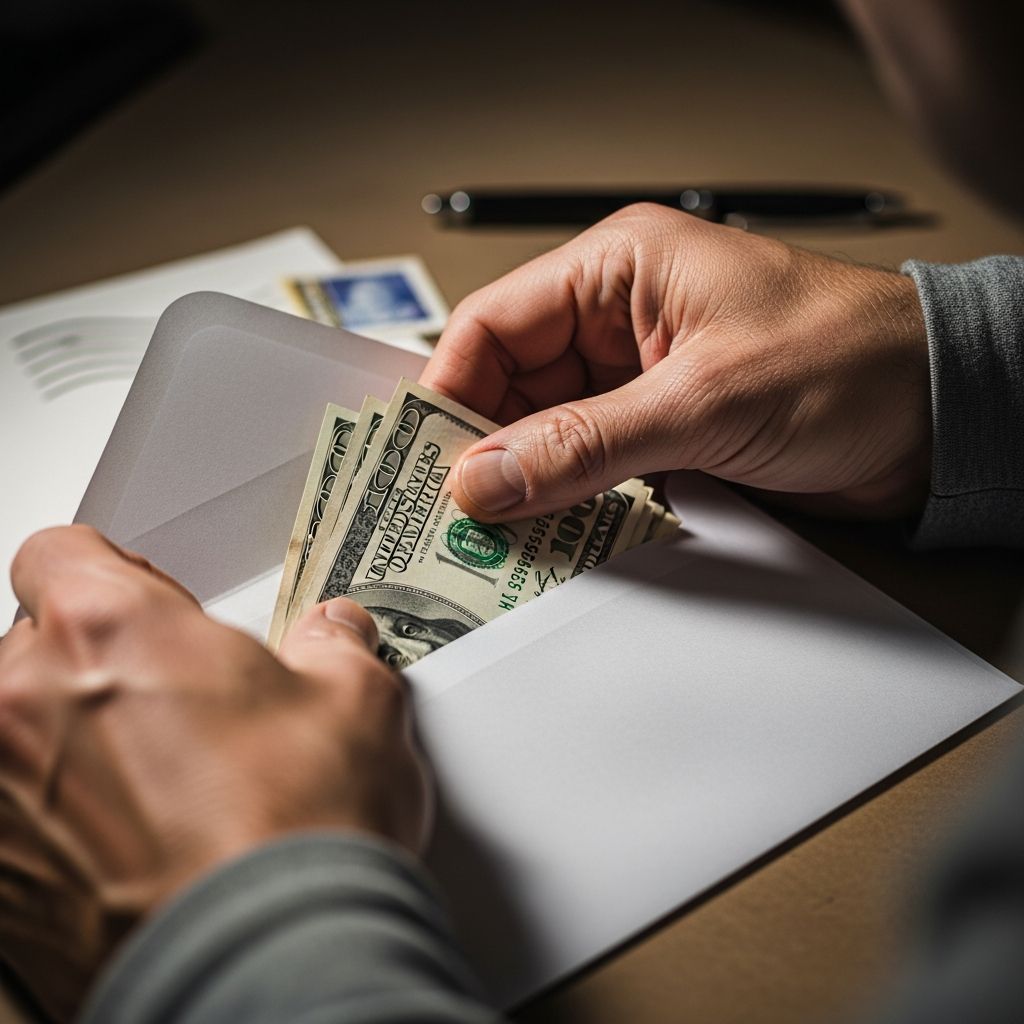
Scammers have always looked for ways to get money quickly, anonymously, and with as little risk to themselves as possible. One of the most effective tactics they use is persuading people to send cash through the mail. Once that envelope is gone, the money often disappears with it, leaving victims with almost no way to recover their losses.
This guide explains why mailing cash is so dangerous, how criminals convince people to do it, who they target most often, and which safer alternatives and protections you can use to keep your money secure.
The Hidden Risks of Mailing Cash
Mailing an envelope of cash may feel simple or even old-fashioned, but it carries serious risks that most people underestimate.
- No built-in protection: Unlike credit cards or many electronic transfers, cash has no dispute process or fraud protection once it leaves your hands.
- Easy to steal and hard to trace: Cash can be taken anywhere along the way – from your mailbox to sorting centers – and there is usually no way to track specific bills.
- Irrecoverable loss: If thieves intercept an envelope, law enforcement may investigate, but the odds of getting your actual cash back are very low.
- Encourages repeat targeting: Once scammers know you will send cash, they or others may contact you again with new stories and demands.
Because cash creates so many opportunities for theft and so few options for recovery, many government and law enforcement agencies advise consumers to never send cash in the mail under any circumstances.
Why Scammers Love Cash Payments
Criminals prefer payment methods that are fast, hard to reverse, and difficult to track. Cash checks each of those boxes.
- Anonymous: Cash payments leave very limited records. Even if a suspect is found, linking them to specific bills is challenging.
- Instant spending power: Once scammers receive the envelope, they can spend the money immediately or hand it off to accomplices.
- Low evidence trail: Victims may only be able to show that they mailed an envelope, not what was inside, which complicates recovery efforts.
- Easy to mix with other funds: Cash is quickly combined with other illicit proceeds, making it harder to trace as part of a broader fraud scheme.
For these reasons, cash sits alongside gift cards, wire transfers, and cryptocurrency as a favorite payment method in many fraud schemes.
Common Scams That Demand Cash by Mail
Criminals use emotional pressure and urgency to push victims into sending cash. Here are some of the most frequent schemes where mailing cash plays a central role.
1. “Family Emergency” and Grandparent Scams
Impersonation scams often target older adults by pretending to be a grandchild, other relative, or close friend in immediate trouble.
- You receive a call claiming a loved one has been arrested, injured, or stranded in another country.
- The caller pressures you to keep the situation secret and act immediately.
- You are told to place cash in an envelope – sometimes hidden between pages of a book or magazine – and send it overnight.
Reports analyzed by federal consumer protection agencies show that older adults, particularly people aged 70 and over, can lose very large amounts to these kinds of scams, often in the thousands of dollars per incident.
2. Fake Prize, Lottery, or Sweepstakes Claims
Another common tactic is telling you that you have won a prize, but that you must first send money to cover taxes, fees, or processing costs.
- The scam letter or call claims you are a “winner” of a lottery or sweepstakes.
- You are asked to send cash or another non-refundable payment before receiving your prize.
- Once payment is sent, the prize never arrives, and the scammers may stop responding or make new excuses to demand more money.
Legitimate lotteries and sweepstakes do not require people to pay up front in order to claim their winnings.
3. Phony Debt, Tax, or Utility Collections
Scammers also pretend to be government agencies, courts, or service providers collecting an urgent payment.
- You receive a call or letter claiming you owe back taxes, fines, or overdue bills.
- The scammer threatens arrest, service disconnection, or legal action unless you pay immediately.
- They insist on payment via untraceable methods, including cash by mail, to a specific address or P.O. box.
Authentic government agencies do not demand payment solely by cash, gift card, or wire transfer, and they generally provide documented ways to verify the debt and pay safely.
4. Fraudulent Investment and “Secret Opportunity” Offers
Some schemes promise inside access to exclusive deals, early investment opportunities, or unusual financial products.
- The offer arrives by mail, phone, or email with highly polished materials and guarantees of above-market returns.
- You may be instructed to send cash to demonstrate “seriousness” or to secure your spot.
- Once money is sent, communication slows or stops, and investors discover there is no real product or investment.
Regulated financial institutions and legitimate investment firms do not require you to mail cash as proof of commitment or to access basic information.
Who Is Most at Risk?
Anyone can be targeted, but certain groups face a higher risk of being pressured into sending cash in the mail.
| Group | Why They Are Targeted | Typical Tactics Used |
|---|---|---|
| Older adults | Perceived to have savings, may be more trusting or isolated | Grandparent scams, fake charities, home repair and medical scams |
| People in financial distress | More likely to respond to quick money or debt relief promises | Loan advances, debt settlement, guaranteed credit offers |
| Non-native speakers or recent immigrants | May be unfamiliar with U.S. procedures and rights | Tax, immigration, and legal threat scams |
| Isolated individuals | Fewer people to consult; may rely heavily on phone or mail communication | Romance scams, sweepstakes, and fraudulent investment pitches |
Data from U.S. consumer protection agencies show that older adults in particular can suffer very large median losses when they do fall victim to fraud, especially when the payment is made in cash or other hard-to-reverse methods.
Safer Ways to Pay and Send Money
In many situations, you can avoid cash altogether by choosing payment methods that offer more protection and traceability.
- Credit cards: Credit cards often provide the strongest protections, including the right to dispute unauthorized charges or goods not received, under federal law and card network rules.
- Checks and money orders: While not risk-free, they create a clearer record of where the funds were sent and can sometimes be stopped before they are cashed.
- Secure online payments: Reputable online platforms offer transaction histories and buyer protections for certain purchases, especially when dealing with established merchants.
- Bill payment through your bank: Many banks let you pay companies directly through online banking, reducing the need to send anything valuable through personal mail.
When you must mail a legitimate payment, experts recommend using checks instead of cash and mailing them from secure locations, such as a post office or official postal mailboxes, rather than leaving outgoing mail in an unsecured residential box.
How to Respond if You Are Asked to Mail Cash
The moment someone instructs you to send cash through the mail, treat it as a serious warning sign.
- Pause and verify the story. Hang up or stop responding to the message. Use a phone number or contact method you already know is correct – not the one provided by the caller – to confirm the situation with the supposed relative, business, or agency.
- Refuse the payment method. Tell the person you will not send cash, gift cards, or wire transfers. Criminals often abandon the attempt when you insist on a safer, verifiable option.
- Talk to someone you trust. Before sending money, discuss the request with a friend, family member, or advisor. Fraud prevention agencies specifically recommend this step as one of the best ways to avoid being pressured into a bad decision.
- Document the contact. Save voicemails, emails, letters, and screenshots. These can help authorities investigate and warn others.
Reporting Mail Fraud and Cash Payment Scams
Even if you do not lose money, reporting an attempted scam can help law enforcement identify patterns and protect others.
- U.S. Postal Inspection Service (USPIS): If the scheme involves the mail – such as instructions to send cash or suspicious letters promising prizes – you can report it to the postal inspectors, the law enforcement arm of the U.S. Postal Service.
- Federal consumer protection agencies: National consumer protection regulators collect reports of scams, analyze trends, and bring enforcement actions against fraud operators.
- State consumer protection offices: Each state has offices, often under the Attorney General, that assist with complaints about scams and unfair practices.
- Financial regulators and ombuds offices: When the fraud involves bank accounts, loans, or credit cards, specialized financial regulators can offer guidance on rights and possible remedies.
When reporting, include as much detail as possible: dates, amounts, mailing addresses, phone numbers used by the scammer, and copies of any letters or emails.
Practical Mail Safety Tips
Reducing the chances that someone can intercept or misuse your mail strengthens your overall protection against fraud.
- Use secure drop-off points: Place outgoing mail containing checks or sensitive documents in official postal boxes or take it directly to a post office.
- Avoid leaving mail overnight: Thieves often target residential mailboxes during late-night or early-morning hours. Retrieve your incoming mail promptly.
- Consider tracking services: For important documents (never cash), use tracking or certified mail to confirm delivery and create a record of transit.
- Shred sensitive documents: Destroy unwanted mail that includes account numbers, Social Security numbers, or other personal details before discarding it, reducing the risk of identity theft.
- Monitor your accounts: Regularly review bank and card statements for unfamiliar transactions and act quickly if you see suspicious activity.
Key Red Flags of a Mail-Related Scam
Knowing the warning signs can help you stop a fraud attempt before any money leaves your hands.
- Pressure to send cash, gift cards, or wire transfers as the only acceptable form of payment.
- Instructions to mail cash in unusual ways, such as hidden in books, folded inside magazines, or wrapped in multiple layers.
- Demands for secrecy – being told not to speak to family, friends, or your bank.
- Threats of arrest, deportation, utility shutoff, or legal action if you do not pay immediately.
- Unsolicited notices claiming you have won a prize, inheritance, or lottery that you never entered.
- Requests for personal or financial information from unknown senders or callers.
Frequently Asked Questions (FAQs)
Q1: Is it ever safe to mail cash?
Mailing cash is strongly discouraged by law enforcement and consumer protection agencies because it is easy to steal and hard to recover if lost or intercepted. Using checks, money orders, or secure electronic payments provides better documentation and, in some cases, dispute rights.
Q2: What should I do if I already sent cash to a scammer?
Contact the postal inspectors and relevant consumer protection agencies immediately to report what happened, and provide all available details. While your cash may not be recoverable, your report can help investigations and may prevent more people from being victimized.
Q3: How can I help protect older relatives from cash mail scams?
Talk openly with older family members about common fraud tactics and emphasize that no legitimate organization will insist on cash by mail, gift cards, or secret payments. Encourage them to call you or another trusted person before sending money or sharing personal information.
Q4: If a caller says they are from the government and insists on cash, what does that mean?
That is a major red flag. Federal and state agencies do not demand payment only by cash, gift card, or wire transfer, and they provide official ways to verify any legitimate debt or obligation. Hang up and contact the agency directly using a verified phone number.
Q5: Where can I find my state consumer protection office?
You can locate your state’s consumer protection or Attorney General’s office through official government directories that list contact information by state. These offices can offer advice on scams, take complaints, and sometimes help mediate disputes.
References
- State consumer protection offices — USAGov. 2024-01-10. https://www.usa.gov/state-consumer
- Putting cash in the mail — Federal Trade Commission Consumer Advice. 2018-12-12. https://consumer.ftc.gov/consumer-alerts/2018/12/putting-cash-mail
- Protecting Consumers — North Carolina Department of Justice. 2024-02-01. https://ncdoj.gov/protecting-consumers/
- Mail Fraud – Protect Yourself — U.S. Postal Inspection Service. 2023-11-15. https://www.uspis.gov/tips-prevention/mail-fraud
- The most common mail scams — California Department of Financial Protection and Innovation. 2023-06-05. https://dfpi.ca.gov/news/insights/the-most-common-mail-scams/
- Fraud and scams — Consumer Financial Protection Bureau. 2024-03-18. https://www.consumerfinance.gov/consumer-tools/fraud/
- Fraud Resources — Office of the Comptroller of the Currency. 2022-09-30. https://www.occ.treas.gov/topics/consumers-and-communities/consumer-protection/fraud-resources/index-fraud-resources.html
- Scams — Federal Trade Commission Consumer Advice. 2024-04-02. https://consumer.ftc.gov/scams
Similar Articles








Read full bio of Sneha Tete


