
Why Every Property Owner Should Get a Land Survey
Discover how a professional land survey protects your rights, avoids neighbor disputes, and adds certainty to every real estate decision.
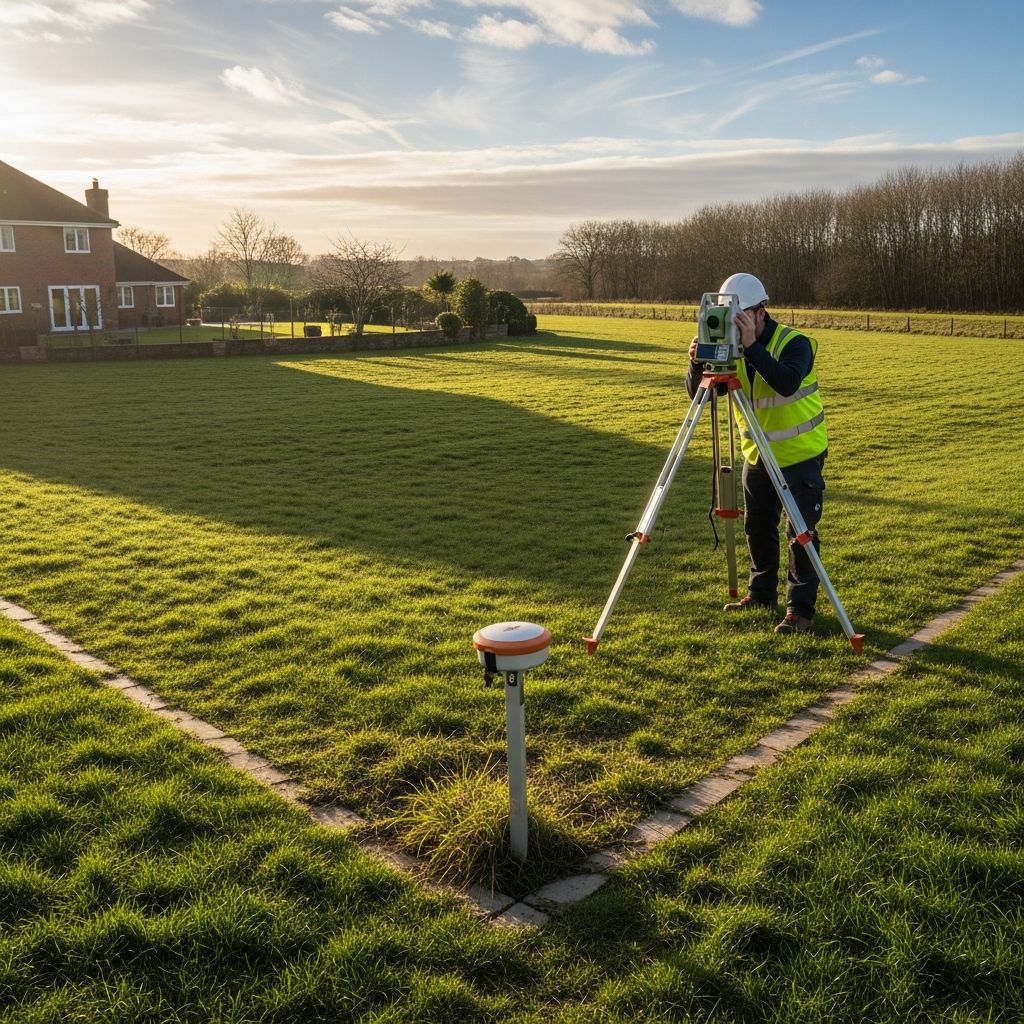
A property survey (often called a land survey or boundary survey) is far more than a technical drawing. It is a legal tool that defines exactly what you own, where it begins and ends, and which rights and restrictions apply to your land. Whether you are buying a home, planning an addition, or resolving a disagreement with a neighbor, a reliable survey can prevent expensive mistakes and long-running disputes.
This guide explains the major reasons to commission a survey, the situations where it becomes almost indispensable, and how it supports both routine and complex real estate decisions.
Understanding What a Property Survey Really Shows
At its core, a professional surveyor measures, maps, and documents the physical and legal aspects of your property. According to financial institutions such as Chase, a modern land survey typically identifies the parcel’s boundaries, visible improvements, and important natural and man-made features.
- Boundary lines: The exact limits of your land as described in deeds and recorded plats.
- Structures and improvements: Homes, garages, sheds, fences, driveways, patios, and other built features visible on the property.
- Topography and features: Slopes, ditches, streams, retaining walls, and sometimes trees or other notable objects.
- Easements and rights-of-way: Areas where utilities, neighbors, or the public may have legal access, even though you hold title.
- Encroachments: Improvements that cross a property line or intrude into an easement or setback.
Because the surveyor compares what exists on the ground against legal descriptions and public records, the finished map becomes powerful evidence in transactions, planning, and dispute resolution.
Key Benefits of Having Your Property Professionally Surveyed
Many owners order a survey only when a bank, title insurer, or local rule forces them to. That approach overlooks how much control and peace of mind a survey can provide. Real estate and insurance professionals emphasize several recurring benefits.
1. Eliminating Uncertainty About Your True Property Lines
Few issues create as much friction between neighbors as questions about where one yard ends and another begins. A modern boundary survey gives a definitive, legally defensible answer.
- Prevents accidental building over the line when installing fences, sheds, or driveways.
- Clarifies whether long-standing use (like a garden or parking space) is on your land or someone else’s.
- Supports clear conversations with neighbors by replacing guesswork with measured evidence.
Survey firms and title professionals consistently report that clear boundaries are one of the most valuable outcomes of surveying for ordinary homeowners.
2. Avoiding and Resolving Boundary and Encroachment Disputes
When disputes arise over a fence, a retaining wall, or a driveway that appears to cross the line, a current survey is often the first document attorneys and courts turn to. Title and mortgage providers note that surveys are crucial to addressing encroachments and confirming whether improvements violate setbacks or easements.
- Early prevention: Detects minor encroachments before they become entrenched conflicts.
- Evidence in negotiations: Provides objective data that can support compromise or formal boundary agreements.
- Legal support: Serves as key evidence if litigation or formal mediation becomes necessary.
3. Protecting Your Investment When Buying Real Estate
For buyers, a survey is a form of due diligence. It verifies that the property being sold is the one described in the contract and that there are no hidden physical or legal surprises.
- Confirms that the house, driveway, and outbuildings sit entirely within the deeded parcel.
- Reveals encroachments, unrecorded access paths, or structures built too close to the lot line.
- Identifies easements or limitations that could reduce the value or utility of the land.
Many lenders and title insurers require a survey, in part because it helps verify that the collateral actually matches the legal description in the loan and title documents.
4. Strengthening Your Position When Selling Property
Sellers also benefit from offering an up-to-date survey. Real estate professionals highlight that providing a clear, recent survey can speed up closing and reassure cautious buyers.
- Transparency: Buyers know exactly what they are getting, reducing suspicion and renegotiation.
- Fewer last-minute surprises: Boundary or easement questions can be addressed before listing.
- Marketing advantage: A clean survey can help your property stand out in competitive markets.
5. Ensuring Compliance When Building or Renovating
Building codes and zoning rules regulate where and how you can build. A survey gives the accurate measurements that designers, engineers, and local officials rely on when reviewing building permits.
- Helps confirm that additions, garages, decks, and accessory units respect required setbacks.
- Guides the placement of fences, driveways, and pools to avoid overstepping property lines.
- Supports subdivision or lot line adjustments by documenting current and proposed boundaries.
Insurance and lending guidance notes that land surveys are especially important whenever an owner plans to develop or significantly alter the property.
6. Revealing Easements, Rights-of-Way, and Hidden Limitations
Many properties carry legal rights for third parties to use part of the land—commonly for utilities, shared driveways, drainage, or public access. These rights are often recorded but not obvious in daily use.
- Utility easements: Allow power, water, sewer, gas, or telecom companies to access buried or overhead lines.
- Access easements: Permit a neighbor to cross a portion of your property to reach a road or shared facility.
- Drainage or conservation areas: Limit grading, building, or tree removal in designated zones.
Real estate and survey resources highlight that a proper survey, combined with a review of public records, will map these areas so you know where future construction or landscaping may be restricted.
7. Supporting Title Insurance and Reducing Coverage Gaps
Title insurers use surveys to identify risks that might not appear in a simple deed search. Some title policies exclude coverage for issues that a current survey would have revealed, such as visible encroachments or improvements built across lines.
- Lower risk of unexpected demands to remove or relocate structures.
- Better chance of obtaining broader title coverage for encroachments and boundary disputes.
- Clearer understanding of how recorded documents (plats, easements, agreements) apply to your specific lot.
8. Helping You Plan Safe and Cost-Effective Improvements
Beyond legal questions, a survey supplies accurate measurements that help you and your design professionals make informed decisions about improvements.
- Shows the true size and shape of the lot for siting additions, garages, and outdoor living areas.
- When elevation data is included, assists with drainage design, grading plans, and flood-resistant construction.
- Helps avoid costly redesigns if municipal reviewers flag non-compliant layouts.
9. Clarifying Flood Risk and Other Physical Constraints
Some surveys incorporate elevation information and references to official flood maps. This can be crucial for understanding insurance needs and building limitations.
- Indicates whether parts of the property lie within a mapped flood zone, which may trigger mandatory flood insurance under federal rules.
- Highlights low-lying or erosion-prone areas where structures or septic systems may not be advisable.
- Supports applications for flood-insurance adjustments if a building is higher than previously documented.
Federal and financial guidance emphasizes the role of accurate mapping and elevation data in evaluating flood risk and insurance obligations.
10. Creating a Reliable Record for Future Owners
A professional survey becomes part of your property’s long-term documentation. Even if you do not anticipate a dispute or project, establishing clear measurements today can prevent confusion years later when you or a future owner revisit the boundaries.
- Provides a baseline so later surveys can identify real changes instead of measurement error.
- Helps heirs, buyers, and lenders understand the land’s layout without starting from scratch.
- Can serve as supporting documentation for lot line adjustments or formal boundary agreements reached with neighbors.
When Ordering a New Survey Is Especially Important
Although not every situation legally requires a survey, certain events make a fresh, professional review strongly advisable.
| Situation | Why a Survey Helps |
|---|---|
| Buying a home or vacant land | Verifies boundaries, reveals encroachments, supports financing and title insurance. |
| Selling property | Answers buyer questions up front, reduces delays and renegotiations, and exposes issues before listing. |
| Building or major renovation | Ensures projects comply with setbacks, easements, and zoning rules; provides accurate base plans. |
| Installing fences or walls near the line | Prevents building over the boundary and reduces future neighbor disputes. |
| Boundary or access disagreements | Supplies objective measurements to support negotiations or legal remedies. |
How to Get the Most Value From a Property Survey
Once you decide to move forward, a few practical steps can make your survey more useful and accurate.
- Hire a licensed surveyor: Confirm credentials through your state licensing board, and ask about experience with residential or small commercial parcels.
- Define your needs clearly: Explain whether you only need boundaries marked, or also topography, flood information, or construction staking.
- Provide existing documents: Deeds, previous surveys, subdivision plats, and title commitments can help the surveyor reconcile records more efficiently.
- Review the results with professionals: Go over the survey with your real estate attorney, agent, or designer to address any easements, encroachments, or compliance issues before closing or construction.
Frequently Asked Questions About Property Surveys
Q: Is a survey always legally required when I buy a home?
A: Not always. Some jurisdictions or lenders insist on a recent survey, while others do not. Even where it is not mandatory, real estate and lending guidance strongly recommends a survey to identify boundary issues, easements, and encroachments before closing.
Q: My neighbor and I agree on where the line is. Do we still need a survey?
A: Informal agreements can change, especially when a property is sold or inherited. A professional survey creates an objective, documented record that both current and future owners can rely on. It is particularly valuable if you plan to build close to the property line.
Q: How often should I update an old survey?
A: Many professionals suggest ordering a new survey whenever substantial changes occur—such as new structures, additions, lot line adjustments, or nearby development—or when a lender, title company, or building official requests updated information.
Q: What does a typical residential land survey cost?
A: Costs vary widely by location, lot size, terrain, and the complexity of deed records. While a survey may cost several hundred to a few thousand dollars, lenders and real estate experts view it as a relatively small expense compared to the potential cost of boundary disputes or forced alterations later.
Q: Can a property survey change my taxes or insurance?
A: A survey by itself does not change tax assessments, but it can clarify lot size or improvements that might influence future assessments. It may also affect insurance if it reveals that buildings are inside or outside designated hazard areas, such as mapped flood zones.
References
- Land Survey: What is it & why you might need one? — JPMorgan Chase Bank, N.A. 2023-05-09. https://www.chase.com/personal/mortgage/education/owning-a-home/land-survey
- Why Property Surveys Matter — Nuvilla Realty. 2023-06-14. https://nuvillarealty.com/why-property-surveys-matter/
- The Benefits of Using a Property Survey — Stoeckel Jahner Land Surveying. 2022-08-18. https://www.mnsurveying.com/the-benefits-of-using-a-property-survey/
- The Importance of Land Surveys in Property Transactions: What You Need to Know — Skyline Title Support. 2023-04-10. https://skylinetitlesupport.com/blog/the-importance-of-boundary-surveys-in-property-transactions-what-you-need-to-know
- What Is a Property Survey? — Progressive Casualty Insurance Company. 2023-02-01. https://www.progressive.com/answers/what-is-a-property-survey/
Similar Articles








Read full bio of Sneha Tete


