
Hit By A Drunk Driver: 5 Parties Who May Be Liable
Understand who may be legally responsible, what compensation you can seek, and how to protect your rights after a drunk driving accident.
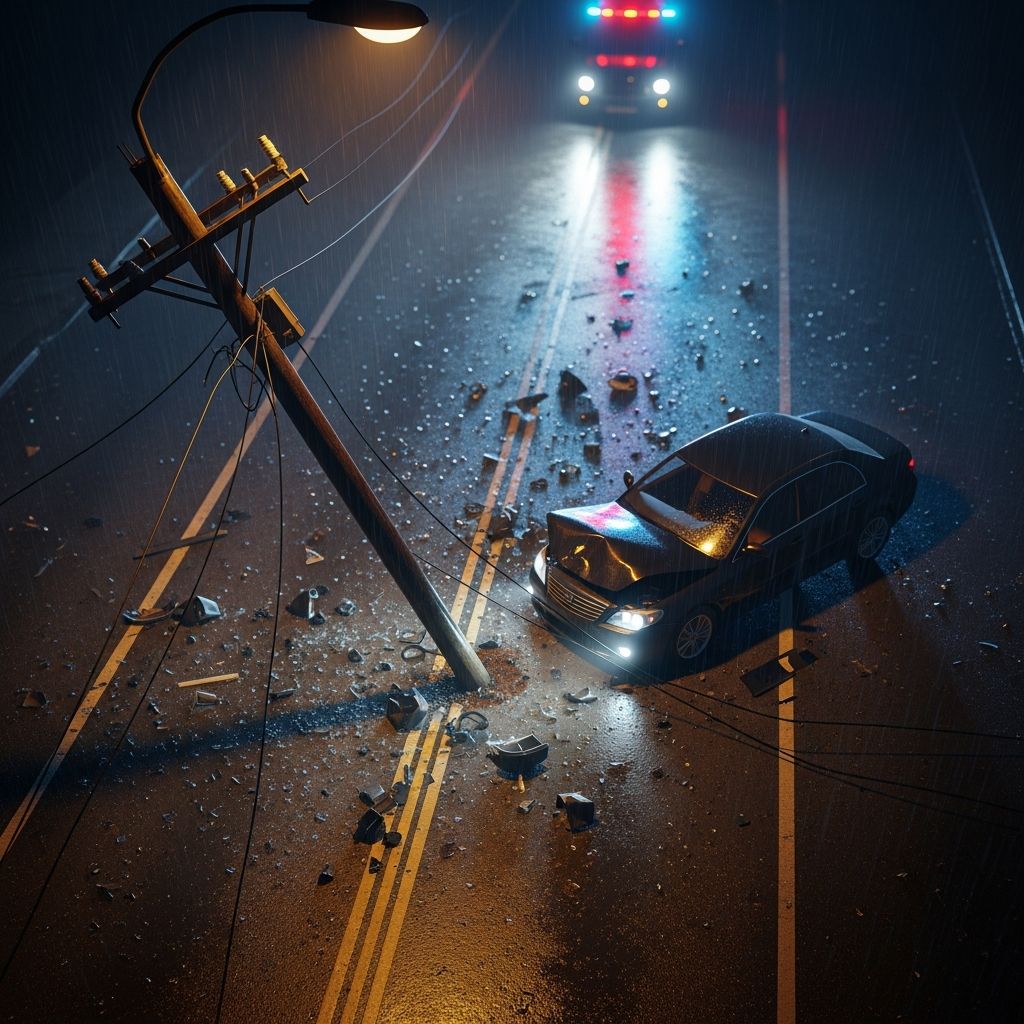
Being struck by an impaired driver is not only traumatic but also legally complex. Beyond the obvious responsibility of the drunk driver, other parties such as bars, restaurants, social hosts, and employers may share legal liability depending on the circumstances of the crash and the law in your state. To protect your rights, it is essential to understand how fault is determined, what evidence matters, and what sources of compensation may be available.
How the Law Views Drunk Driving in Civil Cases
Most states make it a crime to operate a vehicle with a blood alcohol concentration (BAC) of 0.08% or higher, or to drive while impaired by alcohol or drugs. A criminal case, however, is separate from your civil claim for money damages.
In a typical drunk driving injury case, your civil claim is based on negligence. In many states, breaking a safety statute such as a DUI or DWI law can be treated as negligence per se, which means the law itself helps establish that the driver acted unreasonably. You still must show that this unlawful conduct caused your injuries and losses.
- Criminal case: Brought by the government to punish the driver; possible penalties include fines, probation, jail, and license suspension.
- Civil case: Brought by the injured person to obtain compensation for medical bills, lost income, pain and suffering, and other harms.
- Different proof standards: Criminal prosecutors must show guilt beyond a reasonable doubt; civil plaintiffs generally must show fault by a preponderance of the evidence (more likely than not).
Who Can Be Held Liable After a Drunk Driving Crash?
While the impaired driver is often the primary defendant, liability may extend to others. State law, including dram shop and social host statutes, plays a major role in determining who else might be responsible.
1. The Drunk Driver
The intoxicated driver is usually the first and most obvious source of liability. A driver who operates a vehicle while under the influence and causes a collision may be responsible for all injuries and property damage resulting from their negligence.
Evidence that may help establish the driver’s fault includes:
- Police crash reports and officer observations
- Breath, blood, or urine test results showing BAC or drug levels
- Field sobriety test results and dash/body camera footage
- Witness statements about erratic driving, slurred speech, or the smell of alcohol
2. Bars, Restaurants, and Other Alcohol Vendors (Dram Shop Liability)
Many states have dram shop laws that allow injury victims to sue businesses that sell or serve alcohol to customers who then cause drunk driving crashes. These laws vary widely by state, but they often focus on whether the business served someone who was already obviously intoxicated or underage.
Although each state’s statute is different, dram shop claims frequently require proof such as:
- The business held a license or permit to serve or sell alcohol.
- The patron showed clear signs of intoxication (staggering, slurred speech, impaired coordination) at the time of service.
- The decision to continue serving alcohol was a proximate cause of the ensuing crash and injuries.
3. Social Hosts and Private Party Organizers
Some states extend liability to social hosts—people who provide alcohol at a private party or gathering. Social host liability is most common where the impaired driver is under the legal drinking age. If a host knowingly serves alcohol to an underage guest who later drives and causes a crash, the host may face civil responsibility under specific state statutes or common-law negligence principles.
4. Employers and Companies
If the drunk driver was working or using a company vehicle at the time of the crash, an employer may share liability under the doctrine of respondeat superior or through negligent hiring and supervision.
Courts considering employer liability often look at whether:
- The employee was acting within the scope of employment when the collision occurred.
- The employer entrusted a vehicle to someone known to be unsafe (e.g., prior DUI convictions), sometimes called negligent entrustment.
- Work-related duties or events involved the service of alcohol, such as business dinners or client entertainment.
5. Other Potentially Responsible Parties
Depending on the facts, additional parties may be drawn into the case:
- Vehicle owners who allowed an impaired person to drive their car, van, or truck.
- Rideshare companies or commercial carriers if drivers were operating within covered trips or routes, subject to contract and state law.
- Government entities in rare cases where dangerous road design or missing signs significantly contributed to the crash, usually under special procedures.
Comparative Fault: What If the Sober Driver Was Partly at Fault?
Not every drunk driving case is one-sided. Sometimes the victim may also be accused of negligence—for example, speeding, failing to yield, or not wearing a seat belt. Many states use comparative fault rules, which reduce your compensation in proportion to your share of fault.
| Fault Rule Type | How It Affects Your Recovery |
|---|---|
| Pure comparative fault | You can recover even if you are mostly at fault, but your damages are reduced by your percentage of responsibility. |
| Modified comparative fault | You can recover only if your share of fault stays below a threshold (commonly 50% or 51%); above that, you recover nothing. |
| Contributory negligence | In a few states, any fault on your part can bar recovery entirely. |
Even when comparative fault rules apply, courts and juries often view drunk driving as particularly dangerous conduct. Evidence of a high BAC, repeat DUI convictions, or extreme speeding may weigh heavily against the impaired driver.
Types of Compensation Available After a Drunk Driving Crash
If liability is established, you may seek several categories of damages. State law governs how each type is defined and whether any caps or limitations apply.
Economic (Financial) Damages
- Medical expenses: Emergency care, hospital stays, surgery, medication, rehabilitation, and future medical needs.
- Lost income: Wages, salary, or self-employment income lost due to time away from work.
- Reduced earning capacity: Loss of future ability to work or earn at the same level because of permanent injuries.
- Property damage: Vehicle repairs or replacement, and damaged personal items.
Non-Economic Damages
- Pain and suffering: Physical pain, discomfort, and the impact of injuries on your daily life.
- Emotional distress: Anxiety, depression, post-traumatic stress, and similar psychological impacts.
- Loss of enjoyment of life: Inability to participate in hobbies, family activities, or other meaningful aspects of life.
- Loss of consortium: Harm to a marital or family relationship as a result of the injuries.
Punitive (Exemplary) Damages
Many states allow courts or juries to award punitive damages in cases of especially reckless or egregious behavior, such as driving with an extremely high BAC, racing, or causing catastrophic injuries while impaired. These damages are intended to punish the wrongdoer and deter similar conduct, rather than simply compensate the victim.
Key Sources of Payment: Insurance and Lawsuits
Even when liability is clear, recovering money often depends on available insurance coverage and the defendant’s assets.
The Drunk Driver’s Auto Insurance
Most claims begin with a liability claim against the impaired driver’s auto insurer. Common relevant coverages include:
- Bodily injury liability: Pays for injuries to others, up to policy limits.
- Property damage liability: Covers damage to other vehicles and property.
- Excess or umbrella coverage: Extra coverage beyond standard limits, sometimes held by businesses or high-net-worth individuals.
Your Own Insurance Coverage
If the drunk driver is uninsured, underinsured, or flees the scene, your own policy may provide crucial benefits:
- Uninsured/underinsured motorist (UM/UIM): Can pay for bodily injury if the at-fault driver has no or insufficient coverage.
- Medical payments or personal injury protection (PIP): May cover medical expenses and some lost income regardless of fault, depending on the state.
- Collision coverage: Can pay for damage to your vehicle, typically subject to a deductible.
Claims Against Businesses or Employers
Bars, restaurants, and employers often carry higher insurance limits than individual drivers. Where dram shop liability or employer responsibility applies, these policies may provide significant additional sources of compensation, especially in severe injury or wrongful death cases.
Critical Steps to Protect Your Rights After a Drunk Driving Crash
What you do in the hours and days after the collision can significantly influence your ability to recover compensation. Health and safety come first, but documenting the event is also essential.
- Call emergency services: Request medical help and ask the police to come to the scene. A police report and DUI investigation can become key evidence.
- Seek prompt medical attention: Some injuries are not obvious immediately; medical records create a clear link between the crash and your condition.
- Collect information: When possible, gather driver and insurance details, witness names and contact information, and photographs of vehicles, injuries, and road conditions.
- Preserve evidence of drinking: Note any statements the driver makes about drinking, and whether there are visible containers, receipts, or bar wristbands that suggest where they were served.
- Avoid discussing fault with insurers: Providing detailed statements to the at-fault driver’s insurer without legal guidance can harm your claim.
- Consult a qualified attorney: Personal injury lawyers familiar with DUI cases can identify all potential defendants and navigate complex insurance and evidence issues.
Deadlines: How Long Do You Have to File a Claim?
Every state sets a statute of limitations—a strict deadline for filing a personal injury lawsuit. These deadlines often range from one to several years, depending on the state and the type of claim. Missing the deadline generally means losing your right to sue, no matter how strong your case appears.
Separate deadlines or notice rules may apply for:
- Claims against government agencies or municipalities
- Wrongful death claims brought by surviving family members
- Claims involving minors, where time limits may be paused or extended
Frequently Asked Questions (FAQs)
Q: If the driver is convicted of DUI, do I automatically win my civil case?
A: A criminal conviction for DUI or DWI can be powerful evidence of negligence, but it does not replace the need to prove your injuries, causal connection, and damages in the civil case.
Q: Can I sue both the drunk driver and the bar that served them?
A: In states with dram shop laws, you may be able to pursue claims against both the impaired driver and the alcohol vendor if the business served an obviously intoxicated or underage person who later caused your crash.
Q: What if the drunk driver has no insurance or leaves the scene?
A: You may turn to your own uninsured/underinsured motorist coverage, and in some cases, explore dram shop or employer liability claims to identify additional sources of recovery.
Q: Are drunk driving cases more likely to result in punitive damages?
A: Courts in many states view drunk driving as reckless conduct, and punitive damages may be available where the driver’s behavior was particularly egregious, such as with a very high BAC or repeat offenses.
Q: Do I need a lawyer if liability seems obvious?
A: Even in clear-cut DUI crashes, multiple defendants, complex insurance layers, and comparative fault arguments make legal guidance valuable. An attorney can help you assess the full value of your claim and avoid mistakes in dealing with insurers.
References
- Texas Alcoholic Beverage Code, Chapter 2 (Dram Shop Act) — Texas Legislature. 2023-01-01. https://statutes.capitol.texas.gov/Docs/AL/htm/AL.2.htm
- Texas Civil Practice & Remedies Code § 16.003 (Limitations Period) — Texas Legislature. 2023-01-01. https://statutes.capitol.texas.gov/Docs/CP/htm/CP.16.htm#16.003
- Drunk Driving Accidents & Related Lawsuits — Justia. 2023-06-15. https://car-accidents.justia.com/causes-of-car-accidents/drunk-and-impaired-driving/
- What Are the Laws for Victims of Drunk Driving in Texas? — DOW Law Firm. 2024-03-01. https://dowlawfirm.com/blog/what-are-the-laws-for-victims-of-drunk-driving-in-texas/
- Texas Drunk Driving Accident Laws — Ted Lyon & Associates. 2024-02-10. https://tedlyon.com/texas-drunk-driving-accident-claims/
- Drunk Driving Accident Lawsuits Explained (Texas Law) — Wolf Law, PLLC. 2024-01-20. https://wolflawpllc.com/blog/car-accidents/drunk-driving-accident-lawsuit/
- Suing a Drunk Driver’s Employer: When Companies Are Liable for DWI Accidents in Texas — The Kahn Law Firm. 2024-03-05. https://www.thekahnlawfirm.com/suing-a-drunk-drivers-employer-when-companies-are-liable-for-dwi-accidents-in-texas/
Similar Articles








Read full bio of medha deb


