
Who Can You Sue After A Car Accident: 6 Potential Defendants
Learn which drivers, companies, and entities may be legally responsible for your injuries after an auto accident.
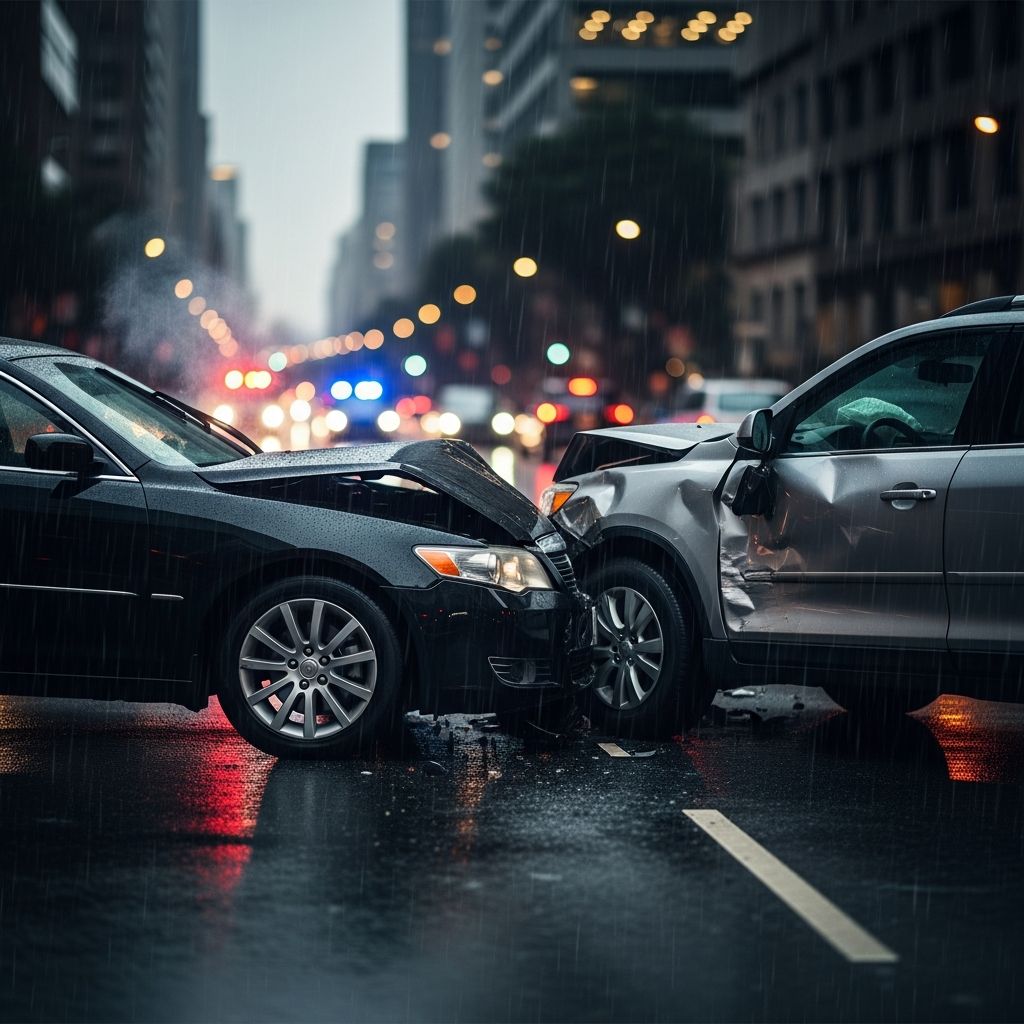
After a serious car accident, one of the first legal questions people ask is: who can I sue to recover my losses? The answer is not always as simple as “the other driver.” Depending on how the crash happened, multiple individuals, businesses, or even government entities may share responsibility for your injuries.
This guide explains the most common parties you may be able to sue, how fault is determined, and what to expect when you start a claim. It is general information, not legal advice for any specific case.
Understanding Liability in Car Accident Cases
Before deciding who to sue, you must understand how the law views fault and liability in traffic collisions. In most states, a person or entity that acts negligently and causes injury can be held financially responsible for the harm they cause.
Key Concepts You Should Know
- Negligence: Failing to use reasonable care, such as speeding, texting while driving, or running a red light.
- Duty of care: Every driver must operate their vehicle safely and obey traffic laws to avoid harming others.
- Causation: The negligent act must be a direct cause of the collision and your injuries.
- Damages: Losses such as medical bills, lost wages, pain and suffering, or vehicle repair costs.
To win a car accident lawsuit, you generally must prove all of these elements against each defendant you sue.
Main Parties You May Sue After a Crash
Depending on the circumstances, one or more of the following parties could be legally responsible for your losses.
The At-Fault Driver
The most common defendant in a car accident case is the driver whose actions caused the collision. This might involve behaviors such as:
- Speeding or aggressive driving
- Distracted driving (texting, using apps, eating)
- Driving under the influence of alcohol or drugs
- Ignoring traffic signals or signs
- Following too closely or making unsafe lane changes
In most situations, you seek compensation from the at-fault driver, but practically, their auto insurance company is the one that pays up to the policy limits.
The Vehicle Owner
Sometimes the vehicle owner and the driver are different people. Many states allow you to pursue the vehicle owner if they:
- Lent their car to someone they knew (or should have known) was unfit to drive, such as an unlicensed or intoxicated driver (often called negligent entrustment)
- Failed to properly maintain the vehicle, and a mechanical failure contributed to the crash
- Allowed an employee or family member to use the vehicle for regular tasks or business purposes
Holding the owner accountable can be critical when the driver has limited insurance coverage or personal assets.
The Driver’s Employer
If the at-fault driver was working at the time of the accident, the employer may share liability under a legal principle called vicarious liability (often referred to as “respondeat superior”).
Examples include:
- Delivery drivers in company vans
- Salespeople driving to client meetings
- Commercial truck drivers on duty
- Rideshare drivers in certain situations, depending on state law and app status
Large employers usually carry higher insurance limits than individual drivers, which can be vital in serious injury cases.
Vehicle or Parts Manufacturers
Some collisions or injuries are made worse by defective vehicles or auto parts. In those cases, you may have a product liability claim against:
- The manufacturer of the vehicle
- The manufacturer of a specific part (brakes, tires, airbags, steering components, fuel systems)
- Possibly wholesalers or retailers in the distribution chain, depending on state law
Claims against manufacturers generally allege that the product was defectively designed, defectively manufactured, or sold without adequate warnings, and that this defect contributed to your injuries.
Government Entities and Public Agencies
Poorly designed or poorly maintained roads can also cause or worsen accidents. In some situations, it may be possible to sue a city, county, or state agency responsible for:
- Dangerous intersections or lack of proper signage
- Unrepaired potholes or crumbling pavement
- Improperly timed or malfunctioning traffic lights
- Inadequate road markings or guardrails
Claims against government entities must follow strict notice deadlines and procedural rules, which are often shorter and more complex than for private parties.
Property Owners Adjacent to the Road
In some cases, a private property owner or business near the roadway may bear partial responsibility. For example:
- A business that designs a parking lot with dangerous entry/exit patterns that cause rear-end collisions
- A property owner who lets vegetation block drivers’ view of stop signs
- A bar that overserves an intoxicated customer who later causes a drunk driving crash (in states with dram shop laws)
These scenarios depend heavily on state law and the specific facts of the crash.
How Insurance Companies Fit Into the Picture
Although you technically sue people or organizations, insurance companies usually pay settlements and judgments up to the policy limits.
Common Insurance Policies Involved
- Liability coverage carried by the at-fault driver or vehicle owner
- Commercial auto or general liability policies held by employers
- Manufacturer’s product liability insurance
- Government self-insurance or risk pools
- Your own uninsured/underinsured motorist coverage if the at-fault driver lacks adequate insurance
When you sue an at-fault party, their insurance company typically hires defense attorneys, investigates the crash, negotiates settlements, and pays valid claims, subject to policy terms and limits.
When Multiple Parties Share Fault
Many accidents do not have a single clearly responsible person. Courts and insurers often must sort out how much blame belongs to each participant.
Comparative Negligence and Shared Fault
Most states use some form of comparative negligence, which means each party is assigned a percentage of fault. Your compensation may be reduced by your share of responsibility.
For example:
- If you are found 20% at fault for driving slightly over the speed limit, but the other driver is 80% at fault for running a red light, your total award may be reduced by 20%.
- In multi-vehicle pileups, several drivers may each be partially responsible, and insurers divide payment based on the percentages of fault.
Each state’s rules differ; some bar recovery if you are more than 50% or 51% at fault, while others allow recovery even if you bear a higher share of blame.
| Scenario | Possible Defendants |
|---|---|
| Rear-end crash by texting driver | At-fault driver; vehicle owner (if different and negligent entrustment applies) |
| Delivery driver hits you during a route | Driver; employer; possibly vehicle owner if leased |
| Accident worsened by defective airbag | Other driver; vehicle manufacturer; airbag manufacturer |
| Crash at an intersection with missing stop sign | Other driver; government road authority |
| Drunk driver leaving a bar causes collision | Drunk driver; vehicle owner; bar (in some states with dram shop laws) |
Evidence Used to Identify Who to Sue
To determine all potentially responsible parties, lawyers and insurers typically gather extensive evidence.
Common Types of Evidence
- Police reports: Provide an official record of the crash, statements, and any citations issued.
- Witness statements: Help clarify how the collision happened and who appeared at fault.
- Photographs and video: From dash cams, traffic cameras, or bystanders, which can reveal speed, lane positions, and signals.
- Vehicle damage and repair records: Help reconstruct impacts and identify potential mechanical failures.
- Medical records: Connect your injuries to the crash and show their severity.
- Expert analysis: Accident reconstruction experts, engineers, or human factors specialists may be used in complex cases.
Overview of the Car Accident Lawsuit Process
Every case is unique, but most car accident lawsuits follow a similar general path.
Typical Stages
- Initial claim: You usually start by filing a claim with the at-fault party’s insurer, providing basic information and documentation.
- Investigation: Both sides investigate the accident, request records, and may interview witnesses.
- Settlement negotiations: Many cases resolve through negotiation between your lawyer and the insurance company.
- Filing a lawsuit: If negotiations fail or deadlines are approaching, your lawyer may file a complaint naming one or more defendants.
- Discovery: Formal exchange of evidence, written questions, and depositions of parties and witnesses.
- Motions and hearings: The court may decide legal issues before trial, such as which claims or defendants remain.
- Trial: If the case does not settle, a judge or jury hears evidence and decides fault and damages.
Most car accident cases settle before trial, but preparing as if trial will occur can help strengthen your negotiating position.
Practical Tips for Protecting Your Rights
Although only a lawyer can give you advice for your specific situation, the following general steps often help protect potential claims:
- Seek medical attention promptly, even if you feel okay at first.
- Report the crash to law enforcement when required and obtain a copy of the police report.
- Preserve evidence by saving photos, videos, contact information for witnesses, and any damaged property.
- Notify your own insurance company promptly and cooperate as required by your policy.
- Avoid making detailed recorded statements to other insurers before speaking with an attorney.
- Consult a qualified personal injury lawyer as early as possible to identify all potential defendants and avoid missing legal deadlines.
Frequently Asked Questions
Do I sue the driver or their insurance company?
In most cases, you legally sue the driver or other at-fault party, not their insurer. The insurance company then defends the case and pays covered damages up to policy limits.
What if more than one person caused the crash?
You can often name multiple defendants in one lawsuit. The court or insurers will decide how to divide fault and payment among them, based on each party’s role in causing the accident.
Can I still recover money if I was partly at fault?
In many states, yes. Under comparative negligence rules, your recovery may be reduced by your share of fault. However, some states limit or bar recovery if your percentage of fault is above a certain threshold.
Is it possible to sue a government agency over bad roads?
Sometimes. If a dangerous road design or poor maintenance contributed to the crash, you may have a claim against a government entity. These cases have special notice requirements and shortened deadlines, so prompt legal advice is essential.
What if the at-fault driver has no insurance or not enough coverage?
You may be able to pursue your own uninsured/underinsured motorist coverage, or consider other liable parties such as vehicle owners or employers. The available options depend on your policy and state law.
References
- Whom to Sue in a Car Accident Lawsuit — Justia. 2023-08-15. https://car-accidents.justia.com/what-to-do-after-a-car-accident/whom-to-sue-after-a-car-accident/
- Liable Parties in Car Accident Cases — The Rothman Law Firm. 2022-06-10. https://rothman.law/blog/liable-parties-in-car-accident-cases
- Who Pays When You Sue in a Car Accident? — The Bruning Law Firm. 2023-09-05. https://www.bruninglegal.com/blog/who-pays-when-you-sue-in-a-car-accident/
- Protecting Your Rights: What To Do If You’re Sued for a Car Accident — Super Lawyers / Thomson Reuters. 2023-02-20. https://www.superlawyers.com/resources/motor-vehicle-accidents/protecting-your-rights-what-to-do-if-youre-sued-for-a-car-accident/
- What Happens in a Car Accident Lawsuit? — Caddell Reynolds Law Firm. 2023-04-03. https://www.caddellreynolds.com/what-happens-in-a-car-accident-lawsuit/
- Who Pays When You Sue in a Car Accident? — TopDog Law. 2024-01-12. https://topdoglaw.com/who-pays-when-you-sue-in-a-car-accident/
- Who Pays When You Sue in a Car Accident? — Farah & Farah. 2023-07-18. https://www.helpinginjuredpeople.com/blog/who-pays-when-you-sue-in-a-car-accident/
Similar Articles








Read full bio of Sneha Tete


