
When Your Landlord Doesn’t Pay the Utility Bill
Understand your rights, protect essential services, and respond effectively when a landlord fails to pay utility bills owed for your rental home.
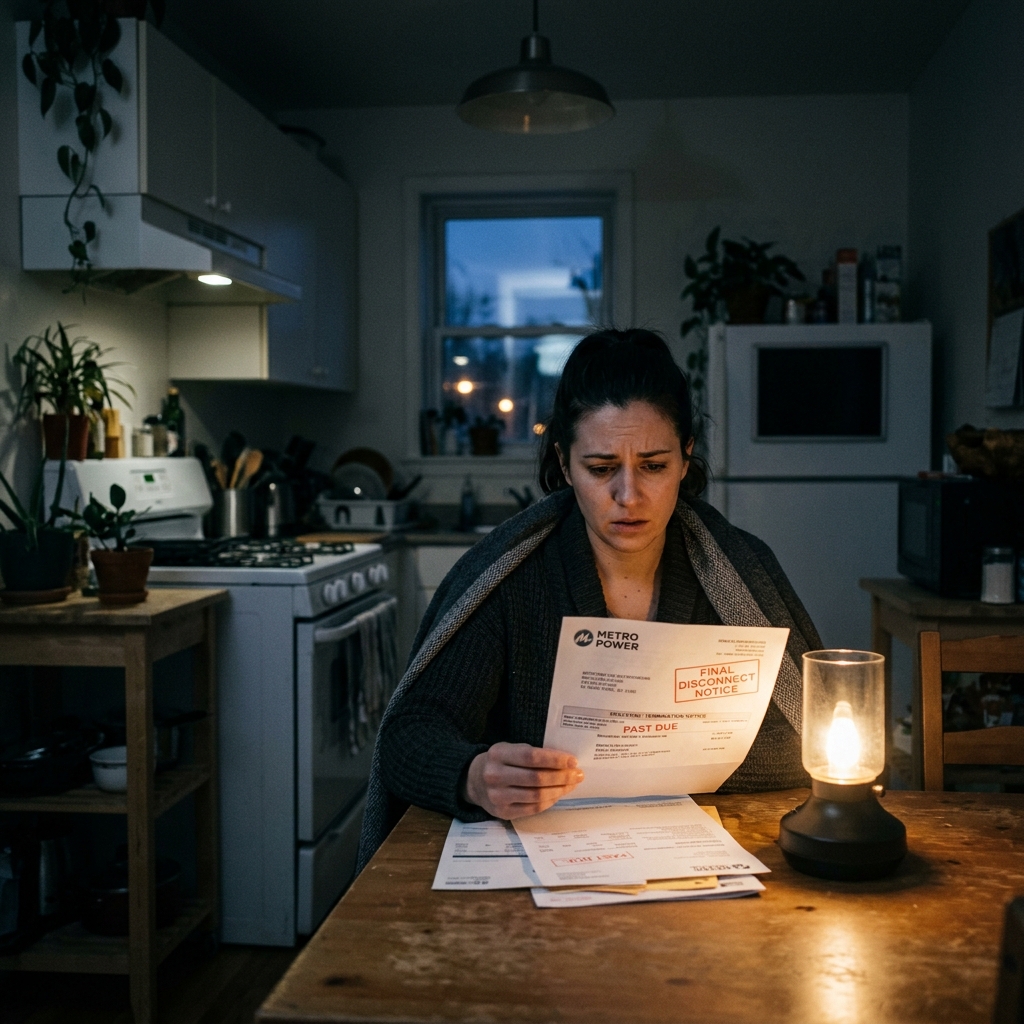
Essential services like electricity, water, heat, and gas are not optional; they are basic conditions of a safe and habitable home. When a landlord fails to pay a utility bill they are legally responsible for, tenants often worry that they will suddenly lose service or be forced out. In many jurisdictions, the law recognizes this vulnerability and provides tenants with specific protections and remedies when landlords do not meet their utility obligations.
This guide explains what typically happens when a landlord fails to pay utilities, how the law commonly protects tenants, and what practical steps you can take to keep the lights on and the water running. Because utility and landlord-tenant rules vary by state and locality, you should always confirm the specifics of your situation with local legal resources or an attorney.
1. Why Utility Bills Matter in Rental Housing
Utility service is closely tied to the legal concept of a habitable dwelling. Most states require landlords to provide and maintain rental units that meet minimum health and safety standards, which often include access to heat, water, and electricity.
- Health and safety : Lack of heat in winter, or no running water, can pose serious health risks and may violate housing codes.
- Legal habitability : When utilities are cut off because of a landlord’s nonpayment, many courts view this as a potential breach of the landlord’s duty to maintain a habitable premises.
- Protection against self-help eviction : Most states prohibit landlords from intentionally interrupting utility service to force tenants out instead of using lawful eviction procedures.
Understanding how utilities are arranged in your rental—whose name is on the account, what your lease says, and how local law treats shutoffs—is the foundation for responding effectively when problems arise.
2. Who Is Responsible for Paying Utilities?
Responsibility for utility payment usually comes from two sources: the lease agreement and the utility account itself.
| Scenario | Whose Name Is on the Utility Account? | Typical Payment Responsibility* |
|---|---|---|
| Landlord includes utilities in rent | Landlord | Landlord pays the utility company and you pay rent that covers utilities. |
| Tenant pays utilities directly | Tenant | Tenant pays the utility company; landlord provides premises but does not pay bills. |
| Shared or master-metered utilities | Often landlord | Lease may require landlord to pay and allocate costs, or allow separate billing arrangements. |
*Always check your lease and local law for the specific rules applicable to your situation.
Key Documents to Review
- Your lease: Look for clauses that state who pays for each utility, what happens if either party fails to pay, and whether utilities are included in rent.
- Your utility bills: Identify whose name appears on each bill. The account holder is usually the party the utility company will pursue for nonpayment.
- Local statutes and regulations: Some states have specific rules governing water, gas, and electric service for tenants when landlords default.
3. What Happens When a Landlord Fails to Pay?
When a landlord is responsible for a utility bill but falls behind, tenants often fear immediate shutoff. In practice, several layers of protection usually exist, depending on the jurisdiction.
Common Legal Protections
- Limits on shutoff due to landlord nonpayment: Many states restrict utility companies from terminating service to tenants solely because a landlord did not pay a bill for a property where tenants currently reside.
- Notice requirements: Utility laws frequently require advance written notice of impending disconnection, giving tenants time to respond, seek help, or pursue legal remedies.
- Right to maintain or restore service: In some jurisdictions, tenants can keep service active by paying the current bill directly and deducting that amount from rent, or by opening an account in their own name without taking on the landlord’s past-due debt.
The details of these protections vary, but the underlying policy is consistent: tenants should not lose essential services solely because their landlord failed to pay a utility bill they were legally obligated to cover.
Examples of State-Level Approaches
- Minnesota: Tenants may stop shutoffs by filing an Emergency Tenant Remedy Action or by paying the most recent bill and deducting that amount from future rent, under certain conditions.
- Maryland: Tenants can sometimes create a new utility account in their own name, keep service on, and deduct payments from rent if the landlord was responsible for gas or electric under the lease.
- California: State guidance emphasizes that landlords cannot shut off utilities to force tenants out and may allow tenants to transfer water service into their own names when landlords are behind on payments.
Even if your state’s procedures differ, these examples illustrate how courts and legislatures often treat utility shutoffs due to landlord nonpayment as a serious matter requiring tenant safeguards.
4. Immediate Steps for Tenants Facing Possible Shutoff
If you learn that your landlord is behind on a utility bill, or you receive a shutoff notice, there are several steps you can take immediately to protect yourself.
Step 1: Gather Information
- Confirm who owes what: Contact the utility company to verify the amount owed, whose name is on the account, and the shutoff date.
- Review your lease: Confirm whether the landlord is contractually responsible for that utility.
- Check local tenant resources: Visit legal aid or court websites for guides on utility shutoffs and tenant remedies in your jurisdiction.
Step 2: Notify the Landlord in Writing
- Describe the problem clearly, including the shutoff notice or outstanding bill amount.
- Request that the landlord immediately pay the bill if they are responsible under the lease.
- Keep copies of all emails, letters, or text messages as documentation.
Written notice is important both to establish a record of your efforts and, in some states, to satisfy conditions for later legal remedies, such as rent withholding or court actions.
Step 3: Contact the Utility Company
- Explain that you are a tenant and your landlord is responsible for payment.
- Ask whether the company offers protections or special procedures when a landlord fails to pay, such as tenant payment options or account transfers.
- Request an extension of the shutoff date while you pursue legal or administrative remedies when allowed by policy or law.
Step 4: Consider Temporary Payment Options
In some jurisdictions, tenants may legally pay the current utility bill themselves to prevent shutoff and then deduct that amount from future rent. This is often subject to strict conditions, such as advance notice to the landlord and documentation of the payment.
- Provide written notice to the landlord that you intend to pay the bill and deduct the amount from rent, if such a remedy is allowed in your state.
- Pay only the most recent or current charges if local law specifies that limitation.
- Keep receipts, billing statements, and copies of all notices sent to the landlord.
Because rules for rent deductions are highly jurisdiction-specific, it is wise to consult legal aid or an attorney before relying on this option.
5. Legal Remedies When the Landlord Still Won’t Pay
If the landlord refuses to pay, and informal efforts fail, tenants may have access to formal legal remedies. These remedies vary, but they generally aim to keep utilities on or compensate tenants for losses caused by nonpayment.
Emergency or Tenant-Remedy Actions
Some states provide expedited court procedures when a landlord’s conduct—including failure to pay utilities—creates conditions that seriously affect health or safety.
- Emergency Tenant Remedy Actions (ETRA): In Minnesota, tenants can file an emergency court case seeking an order that the landlord correct the problem or prevent a shutoff, often on short notice.
- Tenant remedies under housing codes: Other jurisdictions may allow tenants to ask a court to order repairs, restore utilities, or reduce rent when the landlord fails to maintain habitable conditions.
These actions usually require clear evidence of the problem, proof that the landlord was notified, and documentation of any attempted solutions.
Rent Escrow and Withholding
In some states, tenants may pay rent into a court-controlled escrow account—rather than directly to the landlord—when serious conditions like utility shutoffs exist and the landlord has been given reasonable time to fix the problem.
- Escrow accounts: Tenants deposit rent with the court while the case is pending, showing good faith and ensuring funds are available if the landlord eventually corrects the issue.
- Rent withholding: Direct withholding (simply not paying rent) is more legally risky and can lead to eviction unless state law explicitly protects tenants who follow specific procedures.
Always review local law or obtain legal advice before withholding any rent. Improper withholding can result in eviction even when the underlying complaint is valid.
Damages and Compensation
If utilities are actually shut off due to a landlord’s failure to pay, tenants may seek compensation for losses such as spoiled food, alternative housing costs, or other reasonable expenses, depending on local law and court decisions.
- Document the duration and nature of the outage (e.g., no heat, no water).
- Keep receipts for hotel stays, replacement food, or emergency equipment.
- Consult legal aid or counsel about small claims or other court options to recover damages.
6. What Tenants Should Avoid Doing
When utilities are at risk, it is easy to act out of frustration or urgency. Certain actions, however, can unintentionally create legal problems.
- Do not unilaterally withhold rent without understanding local law and, where required, following formal procedures. This can lead to eviction even if the landlord failed to pay utilities.
- Do not tamper with utility meters or lines: Unauthorized reconnection or tampering is generally illegal and can result in criminal charges or fines.
- Do not assume you must pay the landlord’s arrears: In many states, tenants are not responsible for past-due amounts owed by the landlord. Rules often allow tenants to pay only current charges or to open a new account without taking on the landlord’s debt.
- Do not ignore shutoff notices: Early action—contacting the landlord, utility, and legal aid—often creates more options than waiting until after service has been disconnected.
7. Preventing Problems: Lease and Move-In Best Practices
While tenants cannot always control a landlord’s behavior, careful attention during lease negotiation and move-in can reduce the risk of utility conflicts later.
Before You Sign the Lease
- Clarify utility responsibilities: Make sure the lease clearly states who pays for electricity, gas, water, trash, and internet.
- Ask about billing arrangements: Determine whether utilities are individually metered or master-metered, and how charges are calculated and billed.
- Review any addenda: Some leases include separate documents explaining utility allocation or submetering; read these thoroughly.
At Move-In
- Take photos or video showing the condition of the unit, including any existing utility-related issues (broken heaters, nonfunctioning outlets).
- Confirm that all utility services required under the lease are active and functioning.
- Save welcome letters or account documents from utility companies for future reference.
A clear understanding of how utilities are handled—and maintaining good records—can make it easier to prove your case if a dispute arises later.
8. Frequently Asked Questions (FAQs)
FAQ 1: Can my landlord legally shut off utilities to make me move out?
In most jurisdictions, landlords are not allowed to intentionally shut off or interrupt essential utilities like heat, water, electricity, or gas to force tenants to leave or to punish them for late rent. Such tactics are often classified as unlawful “self-help” eviction and can expose landlords to penalties or tenant claims.
FAQ 2: If my landlord is supposed to pay for utilities but doesn’t, am I responsible for the overdue bills?
Typically, the person whose name is on the utility account is responsible for the arrears. When the landlord is the account holder and the lease says they must pay, many states allow tenants to pay only current charges or create a separate account without assuming the landlord’s past-due balance. However, the exact rules differ by state, so you should verify local law before paying anything.
FAQ 3: Can I deduct utility payments from my rent if I pay the bill to stop a shutoff?
Some states permit tenants to pay a utility bill to prevent shutoff and then deduct that amount from future rent, but this is usually allowed only if specific conditions are met—such as giving written notice to the landlord and paying only certain charges. Always check local statutes or consult legal aid before deducting anything from rent.
FAQ 4: What if utilities are already shut off because my landlord didn’t pay?
If service has already been disconnected, you may have options to restore it quickly. These can include opening a new account in your name, paying current charges, seeking emergency court orders, or using rent escrow proceedings, depending on state law. Contact the utility company, legal aid, and, if available, housing authorities or consumer protection agencies as soon as possible.
FAQ 5: Where can I find help or legal advice?
Reliable sources of help include local legal aid organizations, state or local court self-help centers, consumer protection agencies, and, in some cases, utility regulators or state water boards. These groups often provide free or low-cost information about tenant rights and procedures for dealing with utility shutoffs.
9. When to Seek Professional Legal Assistance
While many utility bill problems can be resolved through communication and basic knowledge of your rights, you should consider professional legal help when:
- Utilities have been shut off, or a shutoff is imminent despite your efforts to resolve the issue.
- You are considering rent withholding, escrow, or a formal court action.
- You face eviction proceedings related to your complaints about utilities.
- There are vulnerable household members (children, elderly, or medically fragile individuals) who are at significant risk from utility loss.
Legal aid offices, bar association referral services, and tenant advocacy groups can explain your options in light of local law and help you avoid steps that could unintentionally harm your housing situation.
References
- Landlord Fails To Pay a Utility Bill — LegalMatch. 2024-01-01. https://www.legalmatch.com/law-library/article/landlord-fails-to-pay-a-utility-bill.html
- Utility Shut-Offs When Landlord Owes the Bill — LawHelp Minnesota. 2020-02-01. https://www.lawhelpmn.org/sites/default/files/2020-02/H-18%20Utility%20Shut-Offs%20When%20LL%20Owes%20Bill.pdf
- Frequently Asked Questions about Utilities for Landlords and Tenants — Peoples Law Library of Maryland. 2023-01-01. https://www.peoples-law.org/frequently-asked-questions-about-utilities-landlords-and-tenants
- Consumer Alert: Water and Utility Shutoffs — California Department of Justice. 2021-09-01. https://oag.ca.gov/system/files/attachments/press-docs/Consumer%20Alert%20Water%20and%20Utility%20Shutoffs%20(5).pdf
- What to Do if Your Tenant Doesn’t Pay Utilities — Apartments.com Rental Manager. 2022-05-01. https://www.apartments.com/rental-manager/resources/payments/what-do-if-your-tenant-doesnt-pay-utilities
Similar Articles








Read full bio of Sneha Tete


