
Business Duty to Protect Customers from Crime
An in-depth look at when businesses must protect customers from criminal acts and how negligent security claims work.
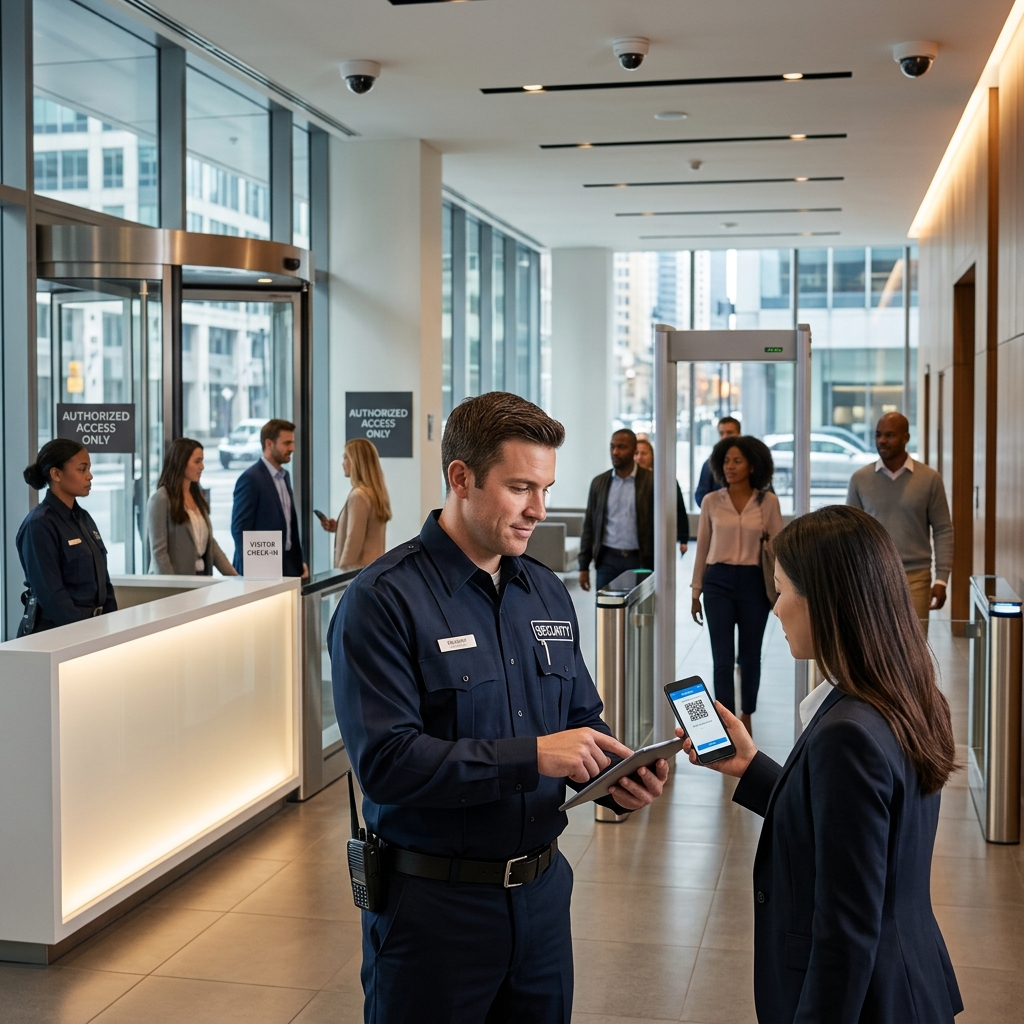
Customers and visitors reasonably expect that a business property will be a safe place to shop, dine, or conduct daily activities. Under premises liability and negligent security laws, business owners may owe a legal duty to take reasonable steps to protect people on their property from foreseeable criminal acts.[10]
This article explains when that duty arises, how courts analyze foreseeability and negligence, and what injured customers must show to succeed in a claim based on a crime that occurred on commercial property.
Understanding Premises Liability and Negligent Security
Premises liability is a legal framework that holds property owners and occupiers responsible when someone is injured because of unsafe conditions on their property.
Traditionally, premises liability involved hazards such as wet floors, broken stairs, or defective equipment. Modern cases also cover harm caused by criminal acts when inadequate security or failure to address known risks made those crimes reasonably preventable.
Premises Liability Basics
In most jurisdictions, a premises liability claim requires the injured person (the plaintiff) to prove several core elements.[10]
- Duty of care: The business owner or occupier owed a legal duty to maintain the property in a reasonably safe condition for lawful visitors.
- Dangerous condition: There was an unsafe, defective, or hazardous condition that posed a foreseeable risk of harm on the property.
- Knowledge and failure to act: The owner knew or should have known about the condition and failed to take reasonable steps to correct it or warn visitors.
- Causation and injury: The dangerous condition caused the plaintiff’s injury, and the plaintiff suffered actual damages such as physical harm or financial loss.
When the dangerous condition involves a risk of criminal activity—such as repeated assaults in a parking lot or robberies at a store—courts may treat the failure to provide reasonable security as negligence under premises liability.
What Is Negligent Security?
Negligent security refers to a business owner’s failure to provide basic, reasonable safety measures that protect customers and visitors from foreseeable crimes on the property.
Instead of focusing on the criminal who committed the act, negligent security claims examine whether the property owner’s lack of care contributed to the conditions that allowed the crime to occur.
Typical examples of negligent security allegations include:
- Failure to install or maintain adequate lighting in parking lots or stairwells.
- Lack of security cameras or nonfunctional surveillance systems in high-risk areas.
- No security staff on premises despite a history of violent incidents or thefts.
- Broken locks, gates, or access control systems that were not timely repaired.
- Ignoring prior reports of assaults, robberies, or disorderly conduct around the business.
Where the risk of crime is substantially higher because of location, type of business, or prior incidents, courts may find that a reasonably careful owner would have implemented specific security measures, and failure to do so can support liability.
When Do Businesses Owe a Duty to Protect Customers from Crime?
As a general rule, a business is not an insurer of every customer’s safety and does not have an absolute duty to prevent all criminal acts on its premises. However, an important exception exists: when criminal activity is reasonably foreseeable, the business may have a duty to take reasonable protective measures.
The Role of Foreseeability
Foreseeability is central to establishing a duty to protect customers from crime. Courts often look at whether the business knew, or should have known, that crimes were likely to occur on or near the property.
Key factors courts may consider include:
- Prior similar incidents: Previous assaults, robberies, or other crimes on the premises or in the immediate vicinity.
- Location characteristics: High-crime neighborhoods, isolated areas, or environments where violent or property crimes are common.
- Nature of the business: Operations that inherently attract crime, such as late-night convenience stores, bars, nightclubs, ATMs, or parking facilities.
- Reports and complaints: Police reports, customer complaints, or internal incident logs showing ongoing safety concerns.
- Signs of disorderly conduct: Repeated fights, threats, or suspicious behavior that should alert a reasonable owner to increased risk.
If the evidence shows that criminal acts against customers were reasonably foreseeable, many courts recognize a duty for the business to implement security measures proportionate to the risk.
Typical Security Measures Considered Reasonable
What counts as “reasonable” security depends on the circumstances. Courts often balance the severity of the potential harm against the cost and burden of preventive measures.
Examples of measures that may be expected when risk is foreseeable include:
- Improving lighting in exterior areas, hallways, stairwells, and parking garages.
- Installing and monitoring surveillance cameras.
- Hiring security guards for high-risk times or locations.
- Controlling access with functioning locks, key cards, or gates.
- Promptly repairing broken security equipment.
- Training staff to recognize and respond to suspicious or violent behavior.
- Developing clear emergency and incident reporting procedures.
The more serious and frequent the prior criminal activity, the stronger the argument that enhanced security measures were required to meet the duty of ordinary care.
Limits on Business Liability
Courts are cautious about imposing overly broad duties on businesses. Several limiting principles commonly appear in case law:
- A business is generally not liable for spontaneous, unforeseeable crimes with no prior warning signs or history.
- Owners are not strictly liable for every injury that occurs on their property; negligence must be proved.
- Even when a duty exists, it is limited to reasonable measures, not extreme or unworkable security burdens.
- In some situations, liability may be reduced or avoided where the victim knew the attacker or where the crime was highly unusual and unforeseeable.
This balance is intended to protect customers from preventable harm while avoiding making businesses guarantors against every criminal act that could possibly occur.
Elements of a Negligent Security Claim Against a Business
Although the specific standards vary by state, many negligent security claims follow a four-part negligence framework.[10]
| Element | What the Plaintiff Must Show |
|---|---|
| Duty | The business owed a duty of care to provide a reasonably safe environment for customers or other lawful visitors.[10] |
| Breach | The business failed to provide adequate security or ignored known risks, falling below the standard of ordinary care. |
| Causation | The lack of reasonable security was a substantial factor in allowing the crime to occur and cause the plaintiff’s injury. |
| Damages | The plaintiff suffered actual harm, such as physical injury, medical costs, lost income, or emotional distress. |
Because these cases involve third-party criminal acts, proving causation and foreseeability can be complex. Plaintiffs often rely on police records, crime statistics, prior complaints, and expert testimony about reasonable security standards.
Types of Victims and Legal Status on the Property
A business owner’s duty of care often depends on the legal status of the person on the property. Many jurisdictions distinguish between different categories of visitors.[10]
- Invitees: Customers and other individuals invited for business purposes. They usually receive the highest duty of care, including protection from foreseeable criminal harm.[10]
- Licensees: Social guests or others permitted on the property for non-business reasons. The duty may be more limited but can still include warning about known dangers.
- Trespassers: People entering without permission. In many cases, the owner owes only a minimal duty, though special rules may apply to children or known trespassers.
Negligent security cases typically involve invitees, such as shoppers, diners, tenants, or employees who are on the property with the owner’s consent and for mutual benefit.[10]
Practical Steps Businesses Can Take to Reduce Crime Liability
Beyond legal obligations, there are practical measures businesses can implement to reduce both the risk of crime and potential liability. Many of these steps reflect widely accepted safety practices.
Risk Assessment and Monitoring
- Review police crime data and neighboring business incident reports on a regular basis.
- Maintain internal logs of security incidents, customer complaints, and near-miss events.
- Conduct periodic walkthroughs of indoor and outdoor areas to identify dark spots, blind corners, or malfunctioning equipment.
- Engage security consultants or local law enforcement for guidance in higher-risk environments.
Physical and Procedural Security Measures
- Install sufficient lighting in parking areas, entrances, and exits.
- Use cameras and recording devices, particularly at cash registers, entrances, and high-risk zones.
- Ensure locks, gates, and access-control systems are functional and promptly repaired.
- Develop clear procedures for handling cash, closing operations, and emergency responses.
- Train staff to recognize escalating situations and call law enforcement when necessary.
Policies for High-Risk Businesses
Certain businesses face elevated risks because of the nature of their operations. For these entities, additional measures may be warranted.
- Bars and nightclubs may need crowd control strategies, door staff, and protocols for intoxicated patrons.
- 24-hour convenience stores could implement limited cash policies, drop safes, and regular police patrol coordination.
- Parking garages might require roving security patrols and well-maintained lighting and surveillance.
- Residential complexes and hotels may need controlled entry systems, front-desk monitoring, and incident reporting procedures.
These measures not only reduce risks but also demonstrate that the business takes reasonable steps to protect its customers, which is crucial if a claim later arises.
Frequently Asked Questions (FAQs)
1. Are businesses always responsible when a crime happens on their property?
No. Most courts agree that businesses are not automatically liable for every criminal act committed on their premises. Liability generally depends on whether the crime was reasonably foreseeable and whether the owner failed to take reasonable security measures in response to known risks.
2. How do courts decide if a crime was foreseeable?
Courts examine factors such as prior similar incidents on or near the property, crime rates in the area, the type of business, and any warning signs of disorderly conduct or security concerns. A pattern of past crimes strongly supports a finding of foreseeability.
3. What should I do if I am injured by a crime at a business?
Seek medical attention immediately, report the incident to law enforcement, and notify the business. Preserve evidence such as photos, witness contact information, and copies of any police or incident reports. Consulting a qualified attorney familiar with premises liability and negligent security can help you understand your legal options.[10]
4. Can a business be liable even if the criminal is never caught?
Yes. Negligent security claims focus on the property owner’s conduct, not solely on the identity of the offender. If the business failed to take reasonable steps to prevent foreseeable criminal acts, it may still be liable for the resulting injuries, regardless of whether the perpetrator is identified or prosecuted.
5. Do premises liability and negligent security laws vary by state?
They do. States differ in how they define duty of care, foreseeability, and the elements of premises liability claims. Some jurisdictions apply more stringent standards, while others are more reluctant to impose duties for third-party crimes. Because of these differences, local legal advice is important.[10]
References
- Duty to Protect Customers from Crime — LegalMatch. 2023-01-01. https://www.legalmatch.com/law-library/article/duty-to-protect-customers-from-crime.html
- §62.5 Liability for Criminal Acts of Third Persons — John Day, P.C. 2019-06-01. https://www.johndaylegal.com/62-5-liability-for-criminal-acts-of-third-persons
- Companies: What Duty Do You Have to Protect Your Customers From Criminal Attacks While on Your Property? — Rogers Townsend. 2016-03-01. https://www.rtlaw.com/companies-what-duty-do-you-have-to-protect-your-customers-from-criminal-attacks-while-on-your-property/
- Business Owners Have a Duty to Protect Their Customers — Becker Law Office. 2020-08-15. https://beckerlaw.com/blog/inadequate-property-security-business-owners-duty-protect-customers/
- Inadequate Security – Understanding a Business Owner’s Responsibility — Working Man Law. 2018-09-10. https://www.workingmanlaw.com/blog/consumer-safety/inadequate-security/
- Negligent Security: Who Is Responsible for the Crime? — Ben Crump Law. 2022-05-20. https://bencrump.com/who-is-responsible-for-negligent-security/
- Duty of Care Law — New York City Bar Association. 2021-04-01. https://www.nycbar.org/get-legal-help/article/personal-injury-and-accidents/duty-care/
Similar Articles








Read full bio of Sneha Tete




