
Understanding High BAC DUI Laws and Penalties
A practical guide to how high blood alcohol concentration levels increase DUI charges, penalties, and long-term consequences.
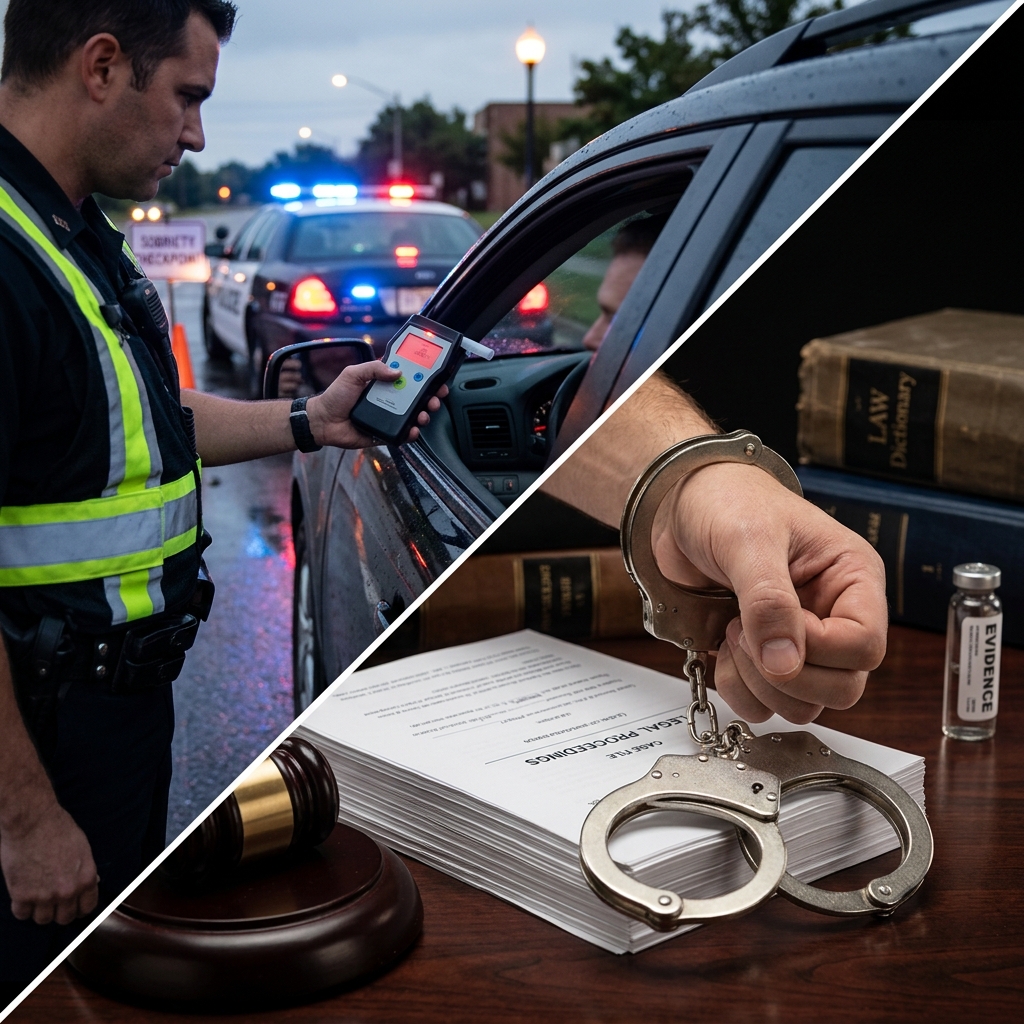
Driving with alcohol in your system is illegal once you pass certain blood alcohol concentration (BAC) limits, but penalties become especially severe when your BAC is significantly higher than the legal threshold. High BAC or “aggravated” DUI laws are designed to punish and deter drivers whose level of impairment creates extreme danger on the road.
This guide explains what high BAC means, how different states handle these cases, typical punishment ranges, and what you should know if you are charged with an aggravated drunk driving offense.
What Is Blood Alcohol Concentration (BAC)?
Blood alcohol concentration (BAC) measures the amount of alcohol in your bloodstream and is usually expressed as a percentage, such as 0.08%. BAC is typically determined through breath, blood, or urine tests requested by law enforcement after a traffic stop.
Key points about BAC measurements:
- Per se limit: Every U.S. state sets a BAC level at which driving becomes a separate, automatic offense (often 0.08% for adult drivers).
- Zero-tolerance limits: Young drivers generally face much lower limits, commonly 0.00–0.02%.
- Commercial drivers: Truck and bus drivers are usually held to a stricter standard, commonly 0.04%.
While 0.08% BAC is widely recognized as the legal limit for adult drivers in most jurisdictions, some states have chosen even lower thresholds to address alcohol-related crashes more aggressively.
Standard DUI BAC Limits vs. High BAC Thresholds
To understand high BAC offenses, it helps to distinguish between ordinary DUI thresholds and the elevated levels that trigger enhanced penalties.
| Driver Category | Typical BAC Limit | Type of Offense |
|---|---|---|
| Adult private drivers (21+) | 0.08% in most states; 0.05% in Utah | Standard DUI or DWI |
| Commercial drivers | Commonly 0.04% | Commercial DUI / DWI |
| Underage drivers | Often 0.00–0.02% (zero tolerance) | Underage DUI / alcohol violation |
| High BAC or aggravated drivers | Frequently 0.15–0.17% or higher (varies by state)[10] | High BAC / aggravated DUI or DWI |
In addition to these categorical limits, many states also allow prosecutors to pursue DUI charges even when a driver’s BAC is below the per se level, if officers can show clear signs of impairment.
Why States Target High BAC Offenses
High BAC drivers are far more likely to be involved in serious or fatal crashes, and lawmakers have responded by creating tougher penalties for these cases. Public safety agencies have documented that crash risk rises sharply as BAC increases, particularly at or above 0.15%.[10]
Common reasons for special high BAC laws include:
- Severe impairment: At high BAC levels, drivers experience major loss of coordination, delayed reaction times, and impaired judgment.
- Crash severity: Collisions involving highly intoxicated drivers tend to cause more severe injuries and property damage.
- Deterrence: Enhanced penalties aim to discourage drivers from consuming very large amounts of alcohol before driving.
- Targeting repeat behavior: High BAC arrests often correlate with habitual heavy drinking and prior violations, which lawmakers seek to address more forcefully.
These concerns have led many states to establish a separate offense category for high BAC or aggravated DUI, distinct from a standard drunk driving charge.[10]
How States Define High BAC DUI
There is no single nationwide definition of a high BAC DUI. Instead, each state sets its own threshold and legal terminology. Typical approaches include designating these offenses as “high BAC,” “aggravated DUI,” or “aggravated DWI.”[10]
Common patterns in state laws:
- Thresholds between 0.15% and 0.17%: Many jurisdictions treat BAC at or above this range as high BAC.[10]
- Separate offense label: Some states create an explicit high BAC statute with defined penalties and conditions.[10]
- Enhanced penalties within the same statute: Other states do not change the offense name but impose tougher sentencing provisions when the BAC is extremely high.[10]
For example, one state’s impaired driving law makes it a crime to drive with a BAC of 0.08% or higher, but it imposes a different, more serious penalty category for drivers with a BAC of 0.17% or above. Another state uses the label “aggravated driving while intoxicated” for cases involving a BAC of 0.18% or more.
Typical Enhanced Penalties for High BAC Cases
While specific sanctions vary widely, a high BAC conviction almost always carries consequences tougher than those for a standard first-time DUI. Enhanced penalties may appear in several areas of the sentence.
Higher Fines and Longer Jail Terms
Courts commonly impose larger fines and longer possible jail sentences when the driver’s BAC is substantially above the legal limit. For instance, one state allows up to 180 days in jail for a first offense at 0.17% BAC, compared to a 93-day maximum when the BAC is below that level. Another state authorizes fines up to thousands of dollars, and up to one year in jail, for aggravated DWI cases involving very high BAC, especially for repeat offenders.
Extended License Suspension or Revocation
High BAC offenses often trigger stricter license sanctions. These can include:
- Longer suspension periods for a first offense.
- License revocation for repeat high BAC incidents.
- Requirements to complete treatment or education programs before reinstatement.
In some jurisdictions, three or more alcohol-related convictions or test refusals within a defined period may even result in permanent revocation of driving privileges, with only limited opportunities to request a waiver after several years.
Ignition Interlock Device Requirements
States increasingly require ignition interlock devices for high BAC offenders. An ignition interlock prevents the vehicle from starting until the driver passes a breath test indicating no or minimal alcohol in the system.[10]
Examples of interlock-related consequences:
- Mandatory installation after a specific suspension period for high BAC offenders.[10]
- Requirement to pay all installation, monitoring, and maintenance costs.
- Extension of interlock use if the driver attempts to circumvent or tamper with the device.
Mandatory Treatment, Education, or Community Service
Courts often view high BAC offenses as signals of problematic drinking and may require structured intervention. Common obligations include:
- Completion of alcohol treatment or counseling programs.
- Participation in driver improvement or victim impact panels.
- Significant community service hours, especially for high BAC first offenses.
Failure to comply with these conditions can lead to extended probation, additional fines, or further license restrictions.
Other Legal Consequences: Points, Fees, and Record Impact
Beyond immediate sentencing, a high BAC DUI often creates long-lasting consequences that can affect employment, insurance, and other aspects of life.
Points on Your Driving Record
Many states use a point system to track serious traffic violations. High BAC convictions typically carry the maximum or near-maximum points available under that system, increasing the risk of further license action if you incur additional violations later.
Surcharges and Administrative Fees
On top of criminal fines, high BAC offenders may face various surcharges and fees. These can include:
- Annual “driver responsibility” fees for multiple years following conviction.
- Mandatory crime victim assistance surcharges and alcohol-related fees in some jurisdictions.
- Costs associated with chemical testing, court processes, and license reinstatement.
Insurance, Employment, and Background Checks
A high BAC DUI on your record can cause auto insurance premiums to rise sharply and may lead to denial of coverage. Certain employers, particularly in transportation, government, or positions that require driving, may treat an aggravated DUI as disqualifying.
Because drunk driving convictions are often recorded and discoverable through background checks, they may also influence professional licensing decisions and some housing or loan applications.
Implied Consent and Refusing a BAC Test
All states have some form of implied consent law. By driving on public roads, you are generally considered to have agreed to submit to BAC testing if law enforcement lawfully requests it.
Refusing a chemical test can lead to immediate administrative penalties, such as:
- Automatic license suspension, often for one year or longer on a first refusal.
- Longer suspension periods for repeated refusals within a specified time frame.
- Use of the refusal itself as evidence in court, depending on state law.
In some states, refusing a test does not prevent prosecution for DUI, and officers may pursue a warrant for a blood draw if necessary. High BAC charges can still arise if testing eventually occurs and shows a very elevated alcohol level.
Defending Against a High BAC DUI Charge
Being accused of a high BAC offense does not automatically guarantee a conviction. However, these cases can be more challenging to defend because the recorded BAC level is often central to the prosecution’s case.
Common defense strategies may include:
- Challenging the traffic stop: Arguing that the officer lacked lawful reason to stop or detain the driver.
- Questioning test procedures: Examining whether breath or blood testing followed proper calibration, maintenance, and chain-of-custody rules.
- Medical or physiological explanations: Raising issues such as certain health conditions or timing of alcohol consumption (“rising BAC”) in appropriate cases.
- Plea negotiations: Seeking to reduce an aggravated charge to a standard DUI in exchange for accepting responsibility and complying with treatment or monitoring conditions.
Because penalties for high BAC offenses are severe and can impact many areas of life, consulting an experienced criminal defense or DUI attorney is crucial for understanding local law and possible options.
Practical Steps to Avoid High BAC DUI Charges
The best way to handle high BAC DUI penalties is to avoid being in a situation where they could apply. Planning ahead and making conservative choices about alcohol consumption and transportation can help.
Consider these risk-reduction strategies:
- Designate a sober driver before you start drinking.
- Use alternative transportation such as taxis, ride-hailing services, public transit, or walking when practical.
- Stay overnight rather than driving home if you have consumed substantial alcohol.
- Know your limits and recognize that judgment is impaired long before you feel “drunk.”
- Avoid mixing substances: Combining alcohol with drugs, including some medications, can intensify impairment and legal risk.
Even moderate drinking can result in a BAC close to or above legal limits, depending on body size, drinking speed, and food intake. Once BAC rises into the high range, risk and penalties escalate dramatically.
High BAC DUI Frequently Asked Questions
1. What BAC level is considered “high” for DUI purposes?
Many states treat BAC levels of about 0.15% to 0.17% or higher as “high” or “aggravated.”[10] The exact number varies, so it is important to check the law in the state where the incident occurred.
2. Is a high BAC DUI always a felony?
No. In many jurisdictions, a first high BAC offense is charged as a misdemeanor, although penalties are harsher than a standard DUI. Subsequent high BAC offenses, or those involving injuries or deaths, are more likely to be treated as felonies.
3. Can I be charged with DUI if my BAC is below 0.08%?
Yes. Officers can arrest and prosecutors can pursue DUI charges based on observed impairment, even when BAC is below the per se limit. This is especially common with underage drivers, commercial drivers, or where there is strong evidence of unsafe driving.
4. If I refuse the breath test, can I avoid a high BAC charge?
Refusing a test does not guarantee avoidance of high BAC consequences. You may face automatic license suspension and other penalties, and officers may obtain a warrant for a blood test. If a later test shows a very elevated BAC, high BAC penalties may still apply.
5. Are ignition interlock devices mandatory for high BAC DUI?
In many states, ignition interlock devices are required for high BAC or repeat DUI offenders, either as a condition of a restricted license or as part of reinstatement.[10] Requirements vary, so legal advice specific to your jurisdiction is important.
References
- Lower BAC Limits — National Highway Traffic Safety Administration (NHTSA). 2021-03-01. https://www.nhtsa.gov/book/countermeasures-that-work/alcohol-impaired-driving/countermeasures/legislation-and-licensing-7
- BAC Legal Limits in Different States, Counties & Cities — Alcohol.org. 2022-06-15. https://alcohol.org/dui/bac-limits/
- How BAC Levels Can Legally Affect DUI Cases — Justia. 2020-11-10. https://www.justia.com/criminal/drunk-driving-dui-dwi/handling-a-dui-stop/bac-levels/
- Alcohol-Impaired Driving — Governors Highway Safety Association (GHSA). 2023-02-01. https://www.ghsa.org/state-laws-issues/alcohol-impaired-driving
- Impaired Driving Law — Michigan State Police / State of Michigan. 2023-07-01. https://www.michigan.gov/msp/divisions/ohsp/ohsp-traffic-safety-programs/impaired-driving/impaired-driving-law
- Penalties for Alcohol or Drug-Related Violations — New York State Department of Motor Vehicles. 2022-09-01. https://dmv.ny.gov/points-and-penalties/penalties-for-alcohol-or-drug-related-violations
- Increased Penalties for High Blood Alcohol Content — National Conference of State Legislatures (NCSL). 2018-06-01. https://www.ncsl.org/transportation/increased-penalties-for-high-blood-alcohol-content
Similar Articles








Read full bio of Sneha Tete




