
DUI Blood Tests: Accuracy, Procedure, and Legal Challenges
Learn how DUI blood tests work, when they are used, and practical ways they can be challenged in court in drunk and drugged driving cases.
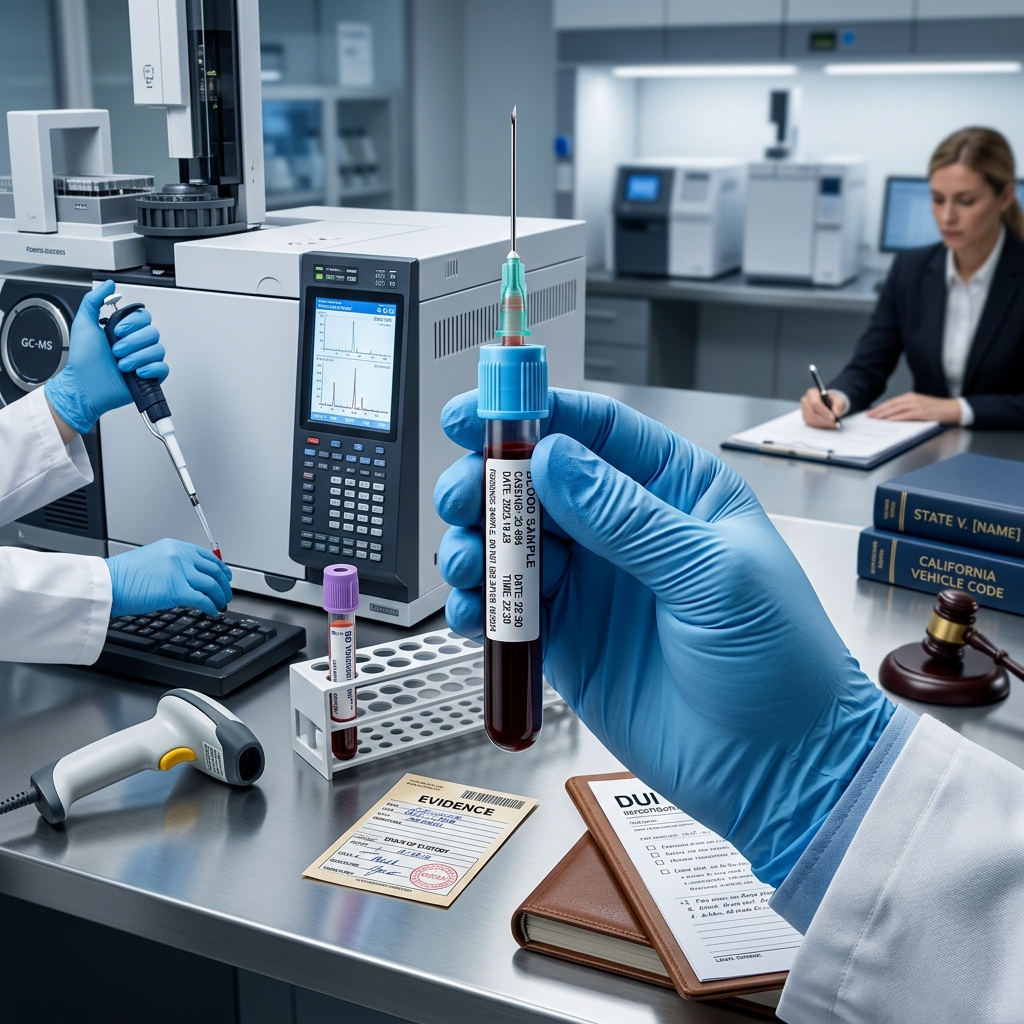
DUI blood tests play a central role in drunk and drugged driving prosecutions in the United States. They are widely considered the most precise way to measure blood alcohol concentration (BAC) and the presence of drugs, but their results are not automatically conclusive. Proper collection, analysis, and legal authorization are all required before blood test evidence can be used against a driver in court.
This article explains how DUI blood tests work, why law enforcement relies on them, the legal rules that govern when they can be used, and the most common strategies for challenging blood test results in criminal and administrative proceedings.
What a DUI Blood Test Measures
A DUI blood test is a chemical test that examines a driver’s blood sample to determine:
- Blood Alcohol Concentration (BAC) – the amount of alcohol in the blood, expressed as a percentage (for example, 0.08% means 0.08 grams of alcohol per 100 milliliters of blood).
- Presence of drugs – including illegal drugs, prescription medications, and sometimes over-the-counter substances.
Because blood tests analyze the driver’s actual blood, they can measure both alcohol and many types of drugs. This makes them especially important when officers suspect that impairment is related to drugs rather than, or in addition to, alcohol.
Why Blood Tests Are Considered Highly Reliable
Among the standard DUI testing methods—blood, breath, and urine—blood tests are generally viewed as the most reliable and precise. Common reasons include:
- Direct measurement: Blood tests measure substances in the bloodstream itself, rather than using indirect indicators like breath or urine.
- Ability to detect drugs: Breath tests typically detect alcohol only, while blood tests can identify a wide range of drugs and metabolites.
- Lower error rate: With proper procedures, blood tests are less prone to certain errors associated with breath devices, such as calibration problems or environmental contaminants.
However, reliability depends heavily on proper collection, preservation, and laboratory analysis. Mistakes at any step can undermine the accuracy of the reported BAC or drug levels.
When Police May Request a Blood Test
Police officers usually start a DUI investigation with a traffic stop, observations of driving behavior, and field sobriety tests. The choice between a breath test and a blood test depends on several factors and can vary by state law.
Common Situations Where Blood Tests Are Used
- Suspected drug impairment: If officers have probable cause to believe drugs are involved, they may specifically request a blood test because breath tests cannot detect drugs.
- Refusal of breath test: In many states, blood tests are used when the driver refuses a breath test or when the breath test is unavailable or impractical.
- Serious accidents: Some laws mandate blood testing after crashes involving serious bodily injury or death.
- Unconscious or incapacitated drivers: Blood can often be drawn when a driver is unconscious or unable to cooperate, unlike breath or urine tests.
Although blood tests are powerful tools, they are also more invasive than breath tests, which is why many states restrict their use as a first resort and require specific legal justification before a blood sample is taken.
Implied Consent and the Right to Refuse
Almost all states have implied consent laws that say drivers arrested lawfully for DUI are deemed to have consented to chemical testing of their blood, breath, or urine as a condition of driving.
Under these laws, refusing a requested test can trigger significant administrative penalties, such as license suspension and fines, even if the driver is never convicted of a criminal DUI charge.
Refusing a Blood Test
The U.S. Supreme Court has recognized that a blood draw is a significant intrusion under the Fourth Amendment, and drivers generally have a constitutional right to refuse a blood test.
In practice:
- An officer often must obtain a warrant from a judge before a blood sample can be taken if the driver does not consent.
- Some states allow exceptions when exigent circumstances exist, such as serious crashes or when obtaining a warrant would be impractical.
- Refusal usually leads to automatic administrative penalties, regardless of the outcome of the criminal case.
Because legal rules around refusal are complex and state-specific, drivers who have refused or are considering refusing a blood test should speak with a criminal defense attorney as soon as possible.
How DUI Blood Samples Are Collected
A blood draw is a medical procedure that must be performed safely and correctly. Officers typically transport DUI suspects to a hospital, clinic, or other approved facility where a qualified medical professional collects the sample.
Personnel and Equipment
- Authorized personnel: Blood must be taken by a trained medical professional, such as a nurse, physician, or certified phlebotomist.
- Sterile equipment: The puncture site and equipment must be sterilized to prevent contamination of the sample and to protect the health of the person being tested.
- Specialized DUI blood kits: Many jurisdictions require the use of standardized kits containing proper preservatives and collection materials designed for forensic testing.
Following correct medical procedures helps ensure the sample is safe to collect and reduces the risk of contamination that could alter test results.
Timing and Handling Requirements
States often impose strict rules on timing and handling to preserve the integrity of blood samples. Common requirements include:
- Prompt testing: The blood draw should be performed within a relatively short time after the traffic stop or incident, often within two hours, to capture an accurate snapshot of BAC and drug levels.
- Certified laboratories: Analysis must be conducted at laboratories approved or certified by the state, using validated methods.
- Proper preservatives: Only approved, correctly mixed preservatives can be used to prevent fermentation or degradation, which might change the measured alcohol or drug concentration.
- Temperature control: Specimens should be refrigerated or kept at appropriate temperatures to maintain stability.
Failure to follow these requirements can become a key issue in challenging the reliability and admissibility of the test results.
Laboratory Analysis and Testing Methods
Once collected, the blood sample is transported to a forensic or clinical laboratory for analysis. There, trained technicians use specialized equipment to measure BAC and detect drugs.
Common Analytical Techniques
| Method | Primary Use | Key Features |
|---|---|---|
| Gas Chromatography | Quantitative BAC and identification of volatile substances | Separates compounds in the sample to measure alcohol levels accurately. |
| Liquid Chromatography | Detection of drugs and metabolites | Useful for identifying a wide range of controlled substances. |
| Enzymatic Assays | Screening BAC | Relies on chemical reactions with alcohol; often used for initial testing. |
In many jurisdictions, positive screening results must be confirmed with a second method using a different chemical principle to reduce the risk of false positives.
Chain of Custody
Forensic reliability depends not only on the science but also on documentation. The chain of custody tracks who handled the sample, when, and how.
Proper chain of custody procedures typically ensure:
- Each transfer of the sample is recorded.
- Containers are sealed and labeled correctly.
- Storage conditions are documented.
- There are no unexplained gaps in handling.
Any unexplained breaks or errors in chain of custody can cast doubt on the integrity of the sample and support a defense argument that the results are unreliable.
How DUI Blood Test Results Are Used in Court
Prosecutors rely on blood test results to show that a driver:
- Had a BAC at or above the legal limit (often 0.08% for adult drivers).
- Had drugs or controlled substances in their system at the time of driving.
Blood test results can support both per se DUI charges—based solely on BAC or drug levels—and impairment-based charges that focus on the driver’s ability to operate a vehicle safely.
However, even strong test results must have a clear link between the time of driving and the time of blood draw. Defense attorneys may challenge whether the results accurately reflect the driver’s condition while driving, especially if the test was delayed.
Challenging DUI Blood Test Evidence
Although blood tests are regarded as highly reliable, they are far from immune to legal challenge. Experienced defense attorneys frequently contest both the legality of the blood draw and the accuracy of the results.
Legal Challenges to the Blood Draw
Arguments focusing on the legality of obtaining the sample often include:
- Lack of probable cause: Officers must have adequate grounds to believe the driver is impaired before ordering a test.
- No valid consent or warrant: If the driver did not consent and no warrant or recognized exception existed, the blood draw may violate constitutional protections.
- Violation of implied consent procedures: Failure to follow statutory warnings or procedures may affect admissibility or administrative penalties.
Successfully challenging the legality of the blood draw can lead to suppression of the test results, significantly weakening the prosecution’s case.
Scientific and Procedural Challenges
Defense strategies frequently target the reliability of the analysis, including:
- Chain of custody problems: Missing records, mislabeled samples, or unexplained handling issues raise doubts about whether the tested sample truly belonged to the defendant.
- Improper collection or preservation: Use of non-sterile equipment, inadequate preservatives, or improper storage temperatures may alter results.
- Laboratory errors: Questions about technician training, instrument calibration, or adherence to standard protocols can undermine confidence in the reported numbers.
- Use of non-whole blood or unsuitable testing methods: In some jurisdictions, rules require analysis of whole blood rather than serum or plasma for formal DUI investigations.
Because blood samples are often preserved for a period of time, defendants may be able to request independent retesting by an expert of their choosing, which can reveal inconsistencies or support alternative interpretations.
Practical Tips for Drivers Facing DUI Blood Tests
Every DUI case is unique, and laws differ significantly among states, but some general points can help drivers understand the implications of a blood test.
- Understand that refusal has consequences: Refusing a blood or breath test typically leads to automatic license suspension and other administrative penalties, even if criminal charges are later reduced or dismissed.
- Know that blood tests can be challenged: A high BAC or positive drug result is not the end of the case. Legal, scientific, and procedural defenses may significantly weaken or exclude the evidence.
- Consult a qualified attorney promptly: Because evidence preservation, deadlines, and administrative hearings move quickly, early legal advice is critical.
- Document your recollection: Recording details about the stop, testing process, and medical history can help your attorney spot potential defenses.
Frequently Asked Questions About DUI Blood Tests
1. Are DUI blood tests always more accurate than breath tests?
Blood tests are generally considered more accurate and reliable than breath tests because they directly measure alcohol and drugs in the bloodstream. However, their accuracy depends on strict adherence to proper collection, preservation, and laboratory procedures.
2. Can I refuse a DUI blood test?
Most drivers have a constitutional right to refuse a blood test, but doing so typically triggers automatic administrative penalties and may prompt officers to seek a warrant. In some situations—such as serious injury crashes or unconscious drivers—state law may allow or require a blood draw even without consent.
3. How long after a stop can my blood be taken?
Many states require that a DUI blood sample be collected within a limited time window, often within two hours of the traffic stop or incident, to accurately reflect the driver’s condition. Delays can become a basis for challenging whether the reported BAC or drug concentration truly matches the level at the time of driving.
4. Can blood test results be wrong?
Yes. While blood tests are highly respected, errors can occur at multiple stages—from improper collection and preservation to laboratory mistakes or misinterpretation of data. These issues can be used to contest the reliability and admissibility of the results.
5. Do blood tests check for all drugs?
Blood tests can detect many commonly abused drugs and prescription medications, but laboratories usually look for specific panels of substances and metabolites. Not every drug is tested for in every case, and the scope of testing can vary by jurisdiction and lab protocol.
References
- How Blood Testing Is Used in DUI Cases — Nolo. 2023-05-01. https://www.nolo.com/legal-encyclopedia/how-blood-testing-is-used-in-dui-cases.html
- Blood Tests in Colorado DUI Cases – How to Challenge It — Colorado Legal Defense Group. 2023-08-10. https://cldg.legal/dui/blood-tests/
- Blood Tests in Tennessee DUI Cases: What You Need to Know — Knox Criminal Defense. 2022-11-15. https://knoxcrimdefense.com/blood-tests-in-tennessee-dui-cases-what-you-need-to-know/
- The Collection and Analysis of Blood Samples in DUI Cases — Cavanaugh & Thickens, LLC. 2023-05-20. https://www.cavanaughattorneys.com/blog/2023/may/understanding-the-collection-and-analysis-of-blo/
- Wisconsin DUI: The Truth About Alcohol Blood Tests — Mishlove & Stuckert, LLC. 2021-04-10. https://www.wisconsin-owi.com/dui-blood-alcohol-tests/
- Understanding Blood Tests in Texas DWI Cases — DFW Criminal Defense Lawyers. 2022-09-05. https://www.dfwdefenders.com/understanding-blood-tests-in-texas-dwi-cases
- Understanding Quantitative Blood Alcohol Testing in Drunk Driving Prosecutions — Michigan Bar Journal. 2002-03-01. http://www.michbar.org/file/barjournal/article/documents/pdf4article600.pdf
Similar Articles








Read full bio of Sneha Tete




