
When Humor Turns Hostile: Racial Harassment Laws
Unpack how workplace jokes can escalate to illegal racial harassment under federal and state laws, with steps for protection and remedies.
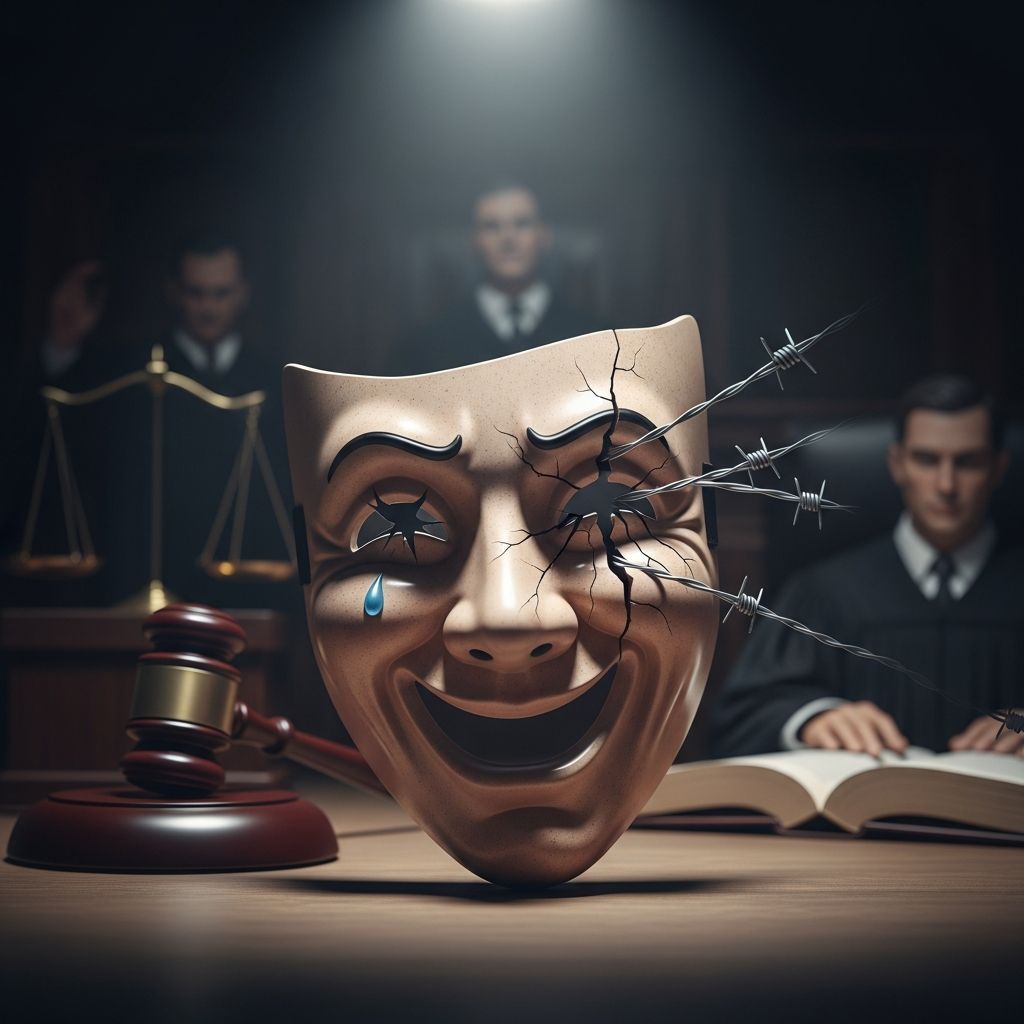
Racial harassment in the workplace transforms seemingly lighthearted comments or jokes into illegal conduct when they target an individual’s race, color, or national origin, creating an intimidating or abusive environment. Federal laws like Title VII of the Civil Rights Act of 1964 prohibit such behavior, applying to employers with 15 or more employees.
Defining Racial Harassment in Professional Settings
Racial harassment encompasses unwelcome actions based on race or color that interfere with job performance or foster a hostile atmosphere. This includes verbal slurs, derogatory remarks, offensive symbols, or jokes that demean based on ethnicity or skin tone. Such conduct becomes unlawful if it is severe or pervasive enough to alter employment conditions, making endurance a implicit requirement for keeping one’s job.
Unlike isolated incidents, harassment thresholds depend on frequency and intensity. A single severe episode, like a physical threat tied to race, can suffice, while repeated microaggressions accumulate to meet the standard. Courts evaluate the totality of circumstances, considering the victim’s perspective and a reasonable person’s tolerance.
- Verbal forms: Slurs, stereotypes, or mocking accents.
- Visual elements: Racially charged images, graffiti, or paraphernalia.
- Physical acts: Intimidation or exclusionary segregation by race.
- Digital harassment: Offensive emails, social media posts affecting work.
Legal Foundations Protecting Workers
Title VII stands as the primary federal shield against race-based discrimination and harassment, enforced by the Equal Employment Opportunity Commission (EEOC). It mandates equal treatment in hiring, promotions, pay, and all employment terms, explicitly banning harassment that poisons the work environment.
State laws often mirror or expand these protections. For instance, California’s Fair Employment and Housing Act imposes strict liability on employers for supervisory harassment and requires swift investigations upon notice. Michigan’s Elliott-Larsen Civil Rights Act similarly prohibits race-based hostility, covering more protected traits. These statutes ensure broad coverage, with public and private sectors accountable.
| Law | Scope | Employer Size | Key Prohibition |
|---|---|---|---|
| Title VII (Federal) | Race, color, etc. | 15+ employees | Hostile environment harassment |
| California FEHA | Race + more traits | 5+ employees | Strict liability for supervisors |
| Michigan ELCRA | Race, national origin | 1+ employees | Broad anti-discrimination |
Employer Obligations and Liability Risks
Employers bear a proactive duty to prevent and remedy racial harassment. Upon learning of issues—via complaints or observation—they must investigate promptly, impartially, and effectively, often disciplining perpetrators and updating policies. Failure invites vicarious liability, especially for supervisor actions where no affirmative defense applies.
For peer harassment, employers escape liability only if they demonstrate reasonable care in prevention (e.g., training, reporting channels) and prompt corrective action post-complaint. Documentation is crucial: records of investigations protect against claims. Retaliation against complainants—demotions, firings, or increased scrutiny—is separately illegal under Title VII.
Proactive measures include:
- Regular anti-harassment training emphasizing joke boundaries.
- Clear, accessible reporting mechanisms like anonymous hotlines.
- Diverse hiring and inclusive culture policies.
- Zero-tolerance enforcement with consistent discipline.
Recognizing When Jokes Become Harassment
Workplace banter crosses into harassment when it targets protected traits like race, shifting from amusement to offense. Examples include jokes stereotyping intelligence by ethnicity, nicknames referencing skin color, or cartoons depicting racial caricatures. Even “benign” humor repeated often erodes dignity, impacting mental health and productivity.
Context matters: a comment’s impact hinges on power dynamics, setting, and history. Supervisors wielding authority amplify harm, while group settings normalize toxicity if unchecked. Victims need not prove psychological injury; subjective offense plus objective reasonableness suffices.
Steps for Employees Facing Racial Hostility
Document everything: dates, witnesses, exact words, and effects on work. This builds a case for internal or external action. Next, report verbally then formally to HR or a supervisor, requesting investigation. Employers must respond without delay.
If internal remedies fail, file with the EEOC within 180-300 days (state-dependent) of the last incident. The agency assesses, mediates, or issues a Right to Sue letter for court. State agencies like California’s Civil Rights Department handle parallel claims.
- Document incidents thoroughly.
- Report internally in writing.
- Elevate to EEOC/state agency if needed.
- Consult an attorney for litigation prep.
- Monitor for retaliation and report it.
Potential Remedies and Case Outcomes
Victims may secure back pay, front pay, reinstatement, compensatory damages for emotional distress, punitive awards, and attorney fees. Settlements often include policy changes and training. Courts award significantly when employers neglect duties, as in cases of unchecked slurs leading to constructive discharge.
EEOC lawsuits underscore enforcement: recent actions recovered millions for hostile environments from racial epithets and symbols. Individual suits yield similar relief, emphasizing documentation’s role.
Frequently Asked Questions
What constitutes a hostile work environment under Title VII?
A hostile environment arises when unwelcome race-based conduct is severe or pervasive, making work intimidating or abusive, as defined by EEOC guidelines.
Does a single joke count as harassment?
One severe incident can qualify if it drastically alters employment conditions, though pervasiveness often builds cases.
Can customers harass without employer liability?
Yes, but employers must protect employees by addressing it, or face liability for inaction.
What if I fear retaliation for complaining?
Title VII prohibits retaliation; report it immediately to EEOC for additional protections.
How long do I have to file an EEOC charge?
Generally 180 days, extendable to 300 in some states with dual-filing.
Building a Respectful Workplace Culture
Preventing racial harassment demands leadership commitment to inclusivity. Training sessions dissecting joke impacts, bystander intervention workshops, and audits of communication channels foster awareness. Diverse leadership models equity, reducing blind spots.
Metrics like employee surveys gauge climate, enabling early intervention. When incidents occur, transparent resolutions rebuild trust. Ultimately, workplaces thrive when humor unites rather than divides, prioritizing dignity alongside productivity.
Racial harassment undermines talent retention and innovation. By understanding legal lines, employers mitigate risks, while employees empower themselves through knowledge and action. A harassment-free environment benefits all stakeholders.
References
- Racial Discrimination and Harassment — Wiggins Childs. 2023. https://www.wigginschilds.com/racial-discrimination-and-harassment/
- Workplace Racial Harassment: Rights and Remedies — Marko Law. 2023. https://www.markolaw.com/post/rights-and-remedies-for-victims-of-racial-harassment-in-the-workplace
- Race-Based Harassment/Discrimination — Duke University. 2023. https://projects.gradschool.duke.edu/reporting/race-harassment-discrimination/
- Race Discrimination — Hicks Law. 2023. https://www.hickslaw.net/employment-law/employment-discrimination/race-discrimination/
- Understanding the Legal Definition of Race Discrimination — PLB Law. 2023. https://www.plblaw.com/understanding-the-legal-definition-of-race-discrimination-in-the-workplace-have-you-been-a-victim/
- Discrimination, Harassment, and Retaliation — USAGov (EEOC enforced). 2025-01-17. https://www.usa.gov/job-discrimination-harassment
- California Law Prohibits Workplace Discrimination — CA Civil Rights. 2023-01. https://calcivilrights.ca.gov/wp-content/uploads/sites/32/2023/01/Workplace-Discrimination-Poster_ENG.pdf
Similar Articles








Read full bio of medha deb




