
Understanding West Virginia Living Wills and Advance Directives
Learn how West Virginia living wills and advance directives protect your health care choices when you can no longer speak for yourself.
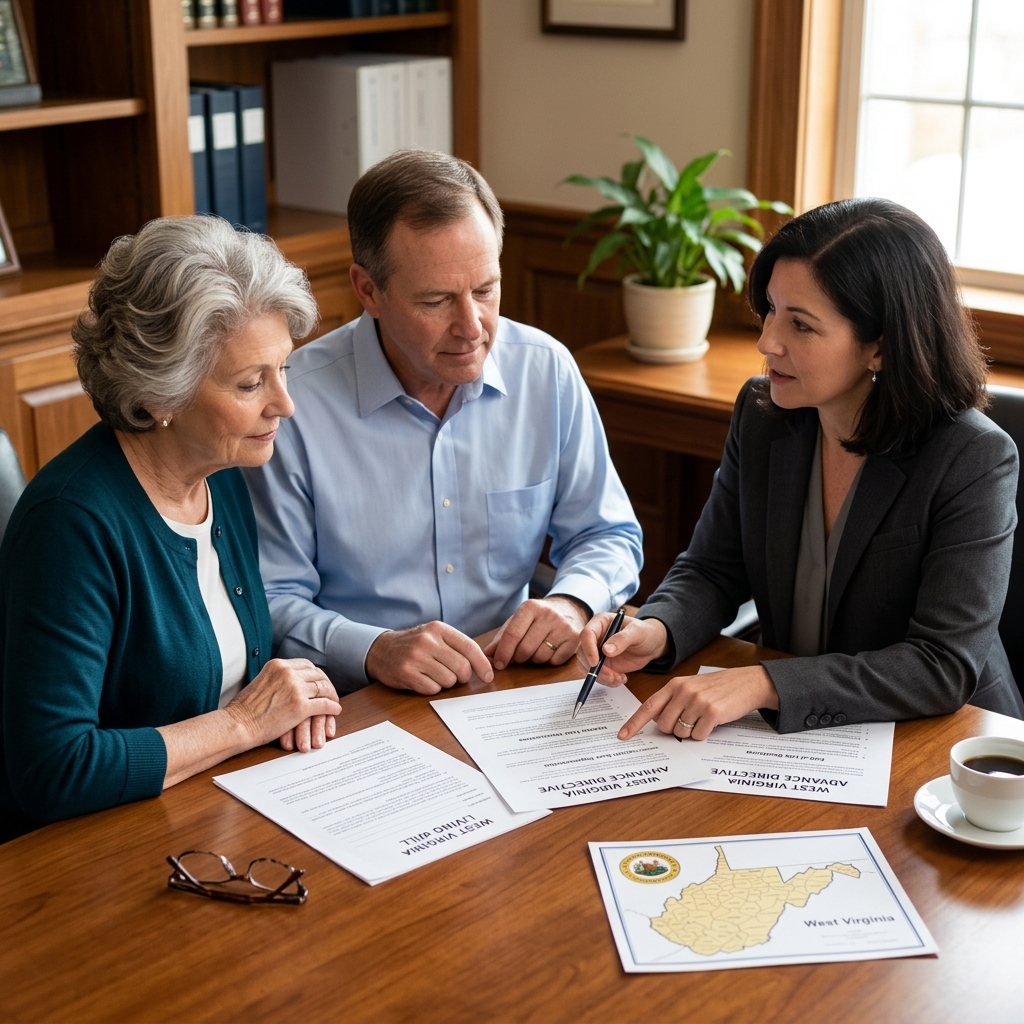
In West Virginia, planning ahead for medical decisions is more than just good preparation; it is a legally recognized way to ensure your wishes are honored if you become unable to communicate. Advance directives, including living wills and medical powers of attorney, allow adults to decide in advance what kinds of medical care they want or do not want near the end of life and during serious illness.
What Is a Living Will in West Virginia?
A living will in West Virginia is a legally binding document that tells your doctors how to treat you when:
- You are terminally ill and expected to die from your condition.
- You are in a persistent vegetative state and unable to interact with your environment.
- You are too sick to make or express decisions about your medical care.
The central purpose of a living will is to state whether you want life-prolonging medical interventions used when those treatments would only extend the dying process or keep you in a persistent vegetative state. These interventions could include mechanical ventilation, feeding tubes, dialysis, or other intensive treatments.
West Virginia law recognizes living wills as one type of advance directive, along with medical powers of attorney. Executing one is voluntary, but strongly encouraged for adults age 18 and older, including emancipated minors.
Advance Directives: The Bigger Picture
A living will is part of a broader set of tools known as advance directives. Advance directives are written instructions you prepare while you are still mentally capable, stating your health care preferences and naming decision-makers if you lose that ability in the future.
In West Virginia, the main types of advance directives are:
- Living Will – focuses on end-of-life decisions if you are terminally ill or in a persistent vegetative state.
- Medical Power of Attorney (MPOA) – appoints someone to make health care decisions on your behalf if you cannot.
- Combined MPOA and Living Will – a single statutory form that includes both sets of instructions.
Under federal law, the Patient Self-Determination Act gives competent adults the right to accept or refuse medical treatment and to use advance directives to control future decisions if they lose capacity.
When Does a Living Will Take Effect?
A West Virginia living will does not apply to every medical situation. It becomes effective only when specific conditions are met:
- You are determined to be terminally ill and cannot be cured, or you are in a persistent vegetative state.
- You are unable to make or communicate decisions about your care.
- Your condition has been certified in writing by at least one physician who has personally examined you.
Before those conditions are met, routine medical care continues as usual. No interventions are withheld solely because you signed a living will, unless you or your authorized representative have clearly requested that certain treatments not be provided while you are not terminally ill.
Once effective, the living will directs health care providers about whether to withhold or withdraw life-prolonging interventions and emphasizes comfort care, pain relief, and allowing a natural death.
Living Will vs. Medical Power of Attorney
| Feature | Living Will | Medical Power of Attorney |
|---|---|---|
| Primary purpose | States your wishes about life-prolonging treatment when dying or in a vegetative state. | Appoints a representative to make health care decisions if you cannot. |
| When it applies | Only if you are terminally ill or in a persistent vegetative state and unable to decide. | Whenever you lose capacity to make or express health decisions, not limited to end-of-life. |
| Type of decisions covered | Focuses on withholding or withdrawing life-prolonging interventions and emphasizing comfort care. | Broad health care decisions, including accepting or refusing treatments, choosing facilities, and authorizing procedures. |
| Key parties involved | You and your physicians. | You, your chosen representative, and your health care team. |
Many West Virginians use a combined MPOA and living will form approved by statute, which allows you to appoint a representative and record your end-of-life treatment preferences in a single document.
Legal Requirements for a Valid Living Will
Because a living will is a legal document, West Virginia imposes specific execution rules to make it valid. These rules aim to prevent fraud, protect vulnerable patients, and ensure your wishes are clearly expressed.
Capacity and Age
- You must be at least 18 years old or an emancipated minor.
- You must be of sound mind, able to understand your medical condition, treatment options, and the consequences of your decisions.
Signature Requirements
- You must sign the document yourself, or direct another person to sign on your behalf in your presence if you are physically unable.
- Your signature must be made while you still have the mental capacity to understand the document.
Witness Rules
- A West Virginia living will must be signed in the presence of two adult witnesses.
- Witnesses cannot be:
- People signing the document on your behalf.
- Anyone related to you by blood or marriage, or entitled to a portion of your estate.
- Your attending physician or people financially responsible for your medical care.
- Your appointed medical power of attorney representative.
Notarization
- Your living will must be executed before a notary public in addition to the two witnesses.
- Notarization confirms the authenticity of your signature and compliance with formalities, making it easier for health care providers to rely on the document.
Using the statutorily approved forms published by West Virginia authorities helps ensure your document meets all legal requirements.
What You Can Address in a Living Will
Within the legal framework, you have flexibility to personalize your living will. Common topics include:
- Life-prolonging treatments
Indicate whether you want certain interventions withheld or withdrawn if they would only prolong dying or maintain you in a vegetative state, such as:- Mechanical ventilation (breathing machines).
- Artificial nutrition and hydration (feeding tubes).
- Dialysis.
- Cardiopulmonary resuscitation (CPR).
- Pain management and comfort care
Express your desire to receive medications and procedures necessary to relieve pain and ensure comfort, even if they may indirectly shorten life. - Special directives or limitations
Leave specific instructions about treatments you strongly prefer to accept or refuse, based on your values, religious beliefs, or personal experiences.
Your living will acts as the final expression of your right to refuse medical or surgical treatment and accept the consequences resulting from that refusal.
Storing and Sharing Your Living Will
Creating a legally valid living will is only the first step. It must be accessible when needed so health care providers and loved ones can follow it.
- Keep the original in an easily located place at home; avoid locked safes or inaccessible storage.
- Make copies for your medical power of attorney representative, successor representative, close family members, primary physician, and any hospital or health system you regularly use.
- Use the West Virginia e-Directive Registry, a statewide database where individuals can file their advance directives so providers can locate them during emergencies.
A photocopy of your living will is generally considered legally valid, but maintaining an original and multiple copies reduces the chance of confusion or delay.
Changing or Revoking a Living Will
Your wishes may change over time as your health, beliefs, or family situation evolve. West Virginia law allows you to revoke or revise your living will at any time while you have capacity.
Common ways to revoke or change an advance directive include:
- Physical destruction – tearing, burning, or otherwise destroying the document, or directing someone to do so in your presence.
- Written revocation – signing and dating a written statement revoking the prior document and giving it to your doctor.
- Oral revocation – verbally revoking the document in front of at least one adult witness and ensuring the revocation is documented.
- Executing a new document – signing a new living will or combined MPOA and living will that clearly supersedes prior versions.
After any change or revocation, inform your health care providers, your representatives, and the West Virginia e-Directive Registry so they update their records.
Why Advance Directives Matter
Advance directives provide important benefits for you, your family, and your care team:
- Control over your care – You are able to shape decisions in advance, rather than relying on assumptions if you become unable to speak.
- Reduced stress for loved ones – Clear instructions relieve family members from guessing what you would want and can minimize conflict.
- Support for health care providers – Physicians and hospitals can follow your documented wishes with confidence, consistent with West Virginia law and professional ethics.
- Respect for personal values – Advance directives allow you to align medical decisions with your religious, cultural, and moral beliefs.
Hospitals and health systems in West Virginia often provide educational materials and assistance to help patients complete advance directives, and staff social workers or nurses may help with notarization and form completion.
Practical Steps to Create a West Virginia Living Will
If you are ready to create a living will or combined advance directive, consider the following practical steps:
- Learn the basics
Review West Virginia-approved forms and guidance so you understand your options and the legal language involved. - Discuss with family and providers
Talk openly with family members, close friends, and your physicians about your values, fears, and preferences for end-of-life care. - Choose a trusted representative
If you also complete a medical power of attorney, select someone who knows you well, is willing to advocate for your wishes, and can handle complex decisions under stress. - Complete and sign the forms
Fill out the statutory form or a legally compliant document, sign it in front of two qualified witnesses and a notary public, and ensure all required sections are completed. - Distribute and register
Give copies to your representative, your doctor, and local hospitals, and consider filing with the West Virginia e-Directive Registry for wider accessibility.
Frequently Asked Questions (FAQs)
Do I need a lawyer to complete a living will in West Virginia?
No. Statutorily approved forms are available through West Virginia authorities, hospitals, and reputable organizations, and they are designed for individuals to complete on their own. However, you may consult an attorney if you have complex questions or want customized instructions.
Can I have both a living will and a medical power of attorney?
Yes. In fact, West Virginia offers a combined MPOA and living will form so you can appoint a decision-maker and express your end-of-life wishes in one document. Having both ensures that someone can interpret and apply your living will if circumstances are not straightforward.
Will my living will affect routine medical care?
Generally, no. A living will applies only when you are terminally ill or in a persistent vegetative state and cannot make decisions. Until those conditions occur, physicians provide standard care and look to you (or your representative) for consent like any other patient.
What if my family disagrees with my living will?
Health care providers are expected to follow your valid advance directive as the best evidence of your wishes, even if family members disagree. Open communication before a crisis can reduce conflict, but legally, your documented preferences take priority over family opinions.
Is filing with the West Virginia e-Directive Registry required?
No, registry filing is optional, but strongly recommended. The e-Directive Registry helps doctors and hospitals quickly locate your document if copies are not immediately available. It increases the likelihood your living will is found and honored during emergencies.
Can I change my mind after signing a living will?
Yes. As long as you remain capable, you may revoke or revise your living will at any time through destruction, written revocation, oral revocation, or by executing a new document. Be sure to inform your doctor, family, and registry of any changes.
References
- Advance Directives – Put it in Writing — Cabell Huntington Hospital. 2023-01-01. https://cabellhuntington.org/patients-and-visitors/advance-directives
- Living Will — West Virginia Center for End-of-Life Care. 2022-06-01. https://wvendoflife.org/meet-the-forms/advance-directives/living-will/
- West Virginia — Advance Directive (Combined Medical Power of Attorney and Living Will) — CaringInfo (National Hospice and Palliative Care Organization). 2021-03-01. https://www.caringinfo.org/wp-content/uploads/WestVirginia.pdf
- Medical Power of Attorney & Living Will Forms – Statutorily Approved — The West Virginia State Bar. 2022-01-01. https://wvbar.org/medical-power-of-attorney-living-will-statutory-approved/
- Advance Directives — WVU Medicine. 2023-05-01. https://wvumedicine.org/patient-resources/records-and-planning/advance-directives/
- Advance Directives Forms and Laws — West Virginia Ethics Commission. 2022-02-01. http://wvethics.org/advance-directives-forms-and-laws/
- State of West Virginia Living Will (Statutory Form) — The West Virginia State Bar. 2020-03-01. https://wvbar.org/wp-content/uploads/2020/03/App-C-LivingWill.pdf
Similar Articles








Read full bio of Sneha Tete


