
Guide to Washington State DUI Laws and Penalties
Learn how Washington defines DUI, the penalties you may face, and key legal rights after an alcohol- or drug-related driving arrest.
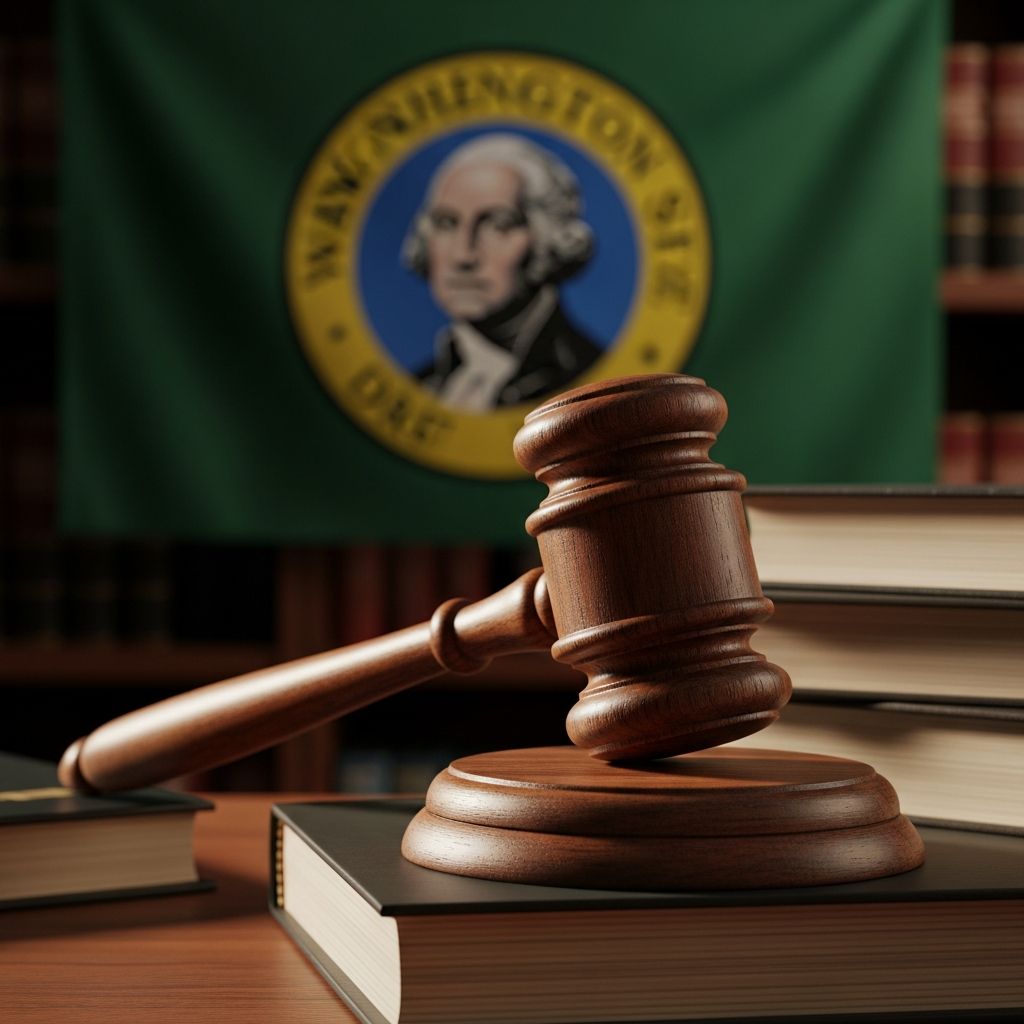
Driving under the influence is treated very seriously in Washington State. A DUI arrest can lead to criminal penalties, loss of driving privileges, and long-term consequences for employment, insurance, and professional licenses. This guide explains how Washington defines DUI, outlines key penalties, and highlights important rights and options for drivers.
How Washington Defines DUI and Impairment
In Washington, you can be charged with Driving Under the Influence (DUI) if you operate a motor vehicle while impaired by alcohol, drugs, or a combination of substances, or if your blood alcohol concentration (BAC) meets or exceeds specific legal limits.
Legal BAC Limits in Washington
Under state law, the BAC thresholds for DUI depend on the type of driver and age:
- Adult non-commercial drivers (21+): BAC of 0.08% or higher
- Commercial drivers (CDL holders): BAC of 0.04% or higher while operating a commercial vehicle
- Drivers under 21: BAC of 0.02% or higher
You may also be convicted of DUI even if your BAC is below these limits if the prosecution proves that alcohol, drugs, or both impaired your ability to drive safely.
DUI vs. Physical Control
Washington recognizes a related offense called “physical control” of a vehicle while under the influence. You can be charged even if the car is not moving, as long as you are in actual control of it (for example, sitting in the driver’s seat with the keys available). The same BAC thresholds and impairment concepts generally apply.
Implied Consent and Chemical Testing
Washington has an implied consent law. By driving on public roads, you are deemed to have consented to a breath or blood test when an officer has reasonable grounds to believe you were driving under the influence.
What Happens If You Refuse Testing?
If you refuse a breath or blood test after a lawful request, the Department of Licensing (DOL) may impose an automatic driver’s license revocation, often longer than the suspension that follows a failed test.
- Refusal can lead to at least one year of license revocation for a first incident.
- The refusal may also be used as evidence against you in a criminal DUI case.
Officers may obtain a warrant for a blood draw in some situations, especially after serious collisions or where drugs are suspected.
Administrative vs. Criminal Consequences of Testing
DUI cases usually trigger two separate tracks:
- Criminal case in court: Determines guilt, jail, fines, probation conditions, and requirements such as alcohol treatment or ignition interlock.
- Administrative action by the DOL: Determines whether your driving privilege will be suspended or revoked due to a failed or refused test, regardless of the criminal outcome.
You generally have a limited time after arrest (often counted in days) to request a hearing to challenge an administrative suspension with the DOL.
Criminal Penalties for DUI Convictions
Washington’s DUI penalties increase based on two main factors:
- The number of prior DUI-related offenses within a lookback period (typically 7–10 years, with separate rules for felony eligibility).
- Your BAC level or whether you refused testing in the current case.
Most first and many repeat DUI offenses are classified as gross misdemeanors, but certain circumstances can elevate a case to a felony.
Typical Penalties for a First-Time DUI
For a first offense within seven years, Washington law sets mandatory minimums that vary by BAC bracket. Courts may impose higher penalties up to statutory maximums.
- Jail time: Minimum periods starting at around 24 hours, up to a maximum of 364 or 365 days, depending on BAC and local practice.
- Electronic home monitoring (EHM): In many cases, EHM can be used in place of some mandatory jail time.
- Fines: Base ranges can start in the several-hundred-dollar range and go up to $5,000, with additional assessments and court costs.
- License suspension: From about 90 days to longer periods, depending on BAC level and whether testing was refused.
- Ignition interlock device (IID): Required in most DUI convictions for at least one year.
- Alcohol/drug education or treatment: Courts typically order an evaluation and may require education classes, outpatient counseling, or more intensive treatment.
Penalties Increase With Prior DUI History
If you have prior DUI or similar alcohol-related driving convictions within the lookback period, mandatory minimums escalate quickly:
- Longer jail sentences or EHM periods
- Higher minimum fines
- Longer license revocations (often measured in years)
- Extended ignition interlock requirements, which may last 1, 5, or 10 years depending on prior history and case type
When a DUI Becomes a Felony in Washington
Certain DUI situations are prosecuted as felonies rather than gross misdemeanors. A DUI may be charged as a felony if, for example:
- You have multiple prior DUI convictions, including a fourth DUI within 10 years under current law.
- You previously have a felony DUI conviction.
- The DUI is associated with serious bodily injury or death under specific vehicular assault or vehicular homicide statutes.
Felony DUIs are typically classified as Class B or Class C felonies, with potential penalties of several years in state prison and fines that can reach tens of thousands of dollars.
Driver’s License Suspensions and the Department of Licensing
In addition to any court-ordered restrictions, the Washington State Department of Licensing has independent authority to suspend or revoke a driver’s license after a DUI arrest or conviction.
Length of Suspension or Revocation
The DOL may suspend or revoke your license from 90 days up to 4 years, depending on factors such as:
- Prior DUI incidents or administrative actions
- Your BAC level in the current case
- Whether you refused a chemical test
- Whether the case involves serious injury, minors in the vehicle, or other aggravating factors
Requesting a Hearing
After a DUI arrest, you typically have a short deadline to request an administrative hearing to contest the suspension. If you miss that deadline, the suspension usually starts automatically, often 45 days after the incident.
At the hearing, an officer or hearing examiner evaluates issues such as whether the stop was lawful, whether there was probable cause for arrest, and whether the chemical test or refusal was handled according to legal procedures.
Ignition Interlock Licenses and Restricted Driving
Some drivers may apply for an Ignition Interlock Driver License (IIL), which allows limited driving during a suspension or revocation if a certified ignition interlock device is installed on the vehicle.
Key features include:
- Installation and maintenance costs paid by the driver
- Mandatory use of the device for a specified period (such as 1, 5, or 10 years for certain repeat offenses)
- Strict compliance requirements; tampering or non-use can result in additional penalties or extended requirements
Other Consequences of a Washington DUI
Beyond criminal penalties and license actions, a DUI can have far-reaching personal and financial effects.
- Insurance premiums: Many insurers significantly increase rates or drop coverage after a DUI conviction.
- Employment: Jobs that involve driving, working with children or vulnerable adults, or holding professional licenses may be affected.
- Travel: Some countries restrict entry to individuals with recent DUI convictions.
- Criminal record: A DUI conviction appears on your record and can influence future sentencing, background checks, and other legal matters.
Recent and Proposed Changes in Washington DUI Policy
Washington periodically updates its DUI laws to respond to public safety concerns and emerging research on impairment. Some recent and proposed changes include:
- Lower BAC thresholds: Proposals have been introduced to reduce the per se BAC limit for adult drivers from 0.08% to 0.05%, aligning with policies adopted in some other jurisdictions.
- Extended lookback periods: Lawmakers have considered expanding the number of years that prior DUI offenses count toward felony status (for example, a 15-year lookback for certain felony determinations).
- Vacating old convictions: Legislation has addressed conditions under which some DUI or physical control convictions might be vacated after extensive compliance, while still allowing those records to be used for future sentencing.
Because laws can change, anyone facing a DUI charge should verify the current statutes and consult qualified legal counsel.
Practical Tips If You Are Stopped on Suspicion of DUI
This guide cannot replace legal advice, but some general considerations if you are pulled over in Washington include:
- Remain polite and calm when interacting with law enforcement.
- You must provide license, registration, and proof of insurance upon request.
- Field sobriety tests (such as walking a line) are typically voluntary, though refusal may still be used as evidence depending on the circumstances.
- Understand that refusing a breath or blood test can lead to automatic license consequences under implied consent rules.
- Ask to speak with an attorney as soon as permitted, especially before deciding about chemical testing.
- Take note of key details (time, location, statements, witnesses), which may later be important for your defense.
DUI vs. Other Alcohol- and Drug-Related Driving Offenses
In addition to standard DUI and physical control charges, Washington has related statutes for more serious outcomes:
- Vehicular assault: Causing substantial bodily harm to another person while driving under the influence can lead to felony charges with significantly higher penalties.
- Vehicular homicide: Causing a death while driving under the influence can result in some of the most severe penalties in Washington’s criminal code.
- Minor in possession and underage offenses: Drivers under 21 may face additional alcohol-related charges beyond DUI for possession or consumption.
Comparison of Key DUI Factors in Washington
| Factor | First Offense (Typical Range) | With Prior Offenses |
|---|---|---|
| Classification | Usually gross misdemeanor | Gross misdemeanor or felony, depending on history and circumstances |
| Jail | Minimum around 1–2 days; up to 364–365 days | Increasing mandatory minimums; possible multi-year prison term for felony |
| Fines | Several hundred dollars up to $5,000 plus costs | Higher minimums; for felony, fines can reach $20,000 in some cases |
| License Sanctions | 90 days to 2 years or more, depending on BAC and refusal | Revocations from several years to 4+ years; longer for serious cases |
| Ignition Interlock | Mandatory for most convictions, often at least 1 year | 1, 5, or 10 years for some repeat or aggravated offenses |
Frequently Asked Questions (FAQs)
Q: Can I get a DUI in Washington if I am only using prescription medication?
A: Yes. Washington DUI law covers impairment from any drug, including lawfully prescribed medications, if they affect your ability to drive safely.
Q: How long will a Washington DUI stay on my record?
A: For sentencing and license purposes, Washington uses specific lookback periods, and DUI records can influence future cases for many years. Some limited opportunities exist to seek vacation of certain convictions under strict conditions, but even vacated records can still sometimes be used in later proceedings.
Q: What happens if I move to another state after a Washington DUI?
A: Washington reports DUI convictions and license suspensions to national databases. Other states may treat your Washington DUI as if it occurred in that state for licensing and insurance purposes, but the exact effect depends on the law of the new state.
Q: Is a Washington DUI the same as a “DWI” or “OUI” in other states?
A: Different states use different names—DUI, DWI, OUI, OWI—for similar offenses. While terminology varies, Washington’s DUI statute serves the same basic function as drunk or drugged driving laws elsewhere.
Q: Do I need an attorney for a first-time DUI charge?
A: Because a DUI affects criminal records, driving privileges, and insurance, many defendants choose to hire a lawyer or request appointed counsel if they qualify. An attorney can evaluate evidence, advise on chemical testing issues, and negotiate with prosecutors.
References
- DUI (Driving Under the Influence) — Washington State Department of Licensing. 2024-02-01. https://dol.wa.gov/driver-licenses-and-permits/suspended-license/types-driver-license-suspensions/dui-driving-under-influence
- Washington DUI Sentencing Grid — Washington DUI Defense Lawyers (private practice summary based on RCW). 2024-01-15. https://www.washingtondui.com/penalties/sentencing-grid/
- Washington DUI Laws — National College for DUI Defense. 2023-11-10. https://www.ncdd.com/washington-dui-laws
- WA DUI Sentencing Grid (2025) – Penalties, Jail Time & Fines — Mr. Ticket Fixer Law Firm. 2025-03-01. https://mrticketfixer.com/criminal-defense/dui-defense/dui-penalties-in-washington/
- Understanding Washington’s DUI Laws: Key Defenses to Consider — Gravis Law PLLC. 2024-06-15. https://bestcriminallawyertricities.com/blog/understanding-washingtons-dui-laws-key-defenses-to-consider/
- Proposed DUI Law Changes in Washington State for 2025 — The PDX Lawyer. 2024-09-10. https://thepdxlawyer.com/proposed-dui-law-changes-in-washington-state-for-2025-what-you-need-to-know/
- HOUSE BILL REPORT HB 1110 — Washington State Legislature. 2023-02-09. https://lawfilesext.leg.wa.gov/biennium/2025-26/Pdf/Bill%20Reports/House/1110%20HBR%20CS%2025.pdf
Similar Articles








Read full bio of Sneha Tete




