
Washington Senior Driving Regulations Guide
Essential guide to Washington state's driving rules for seniors, covering renewals, restrictions, and safety measures for older motorists.
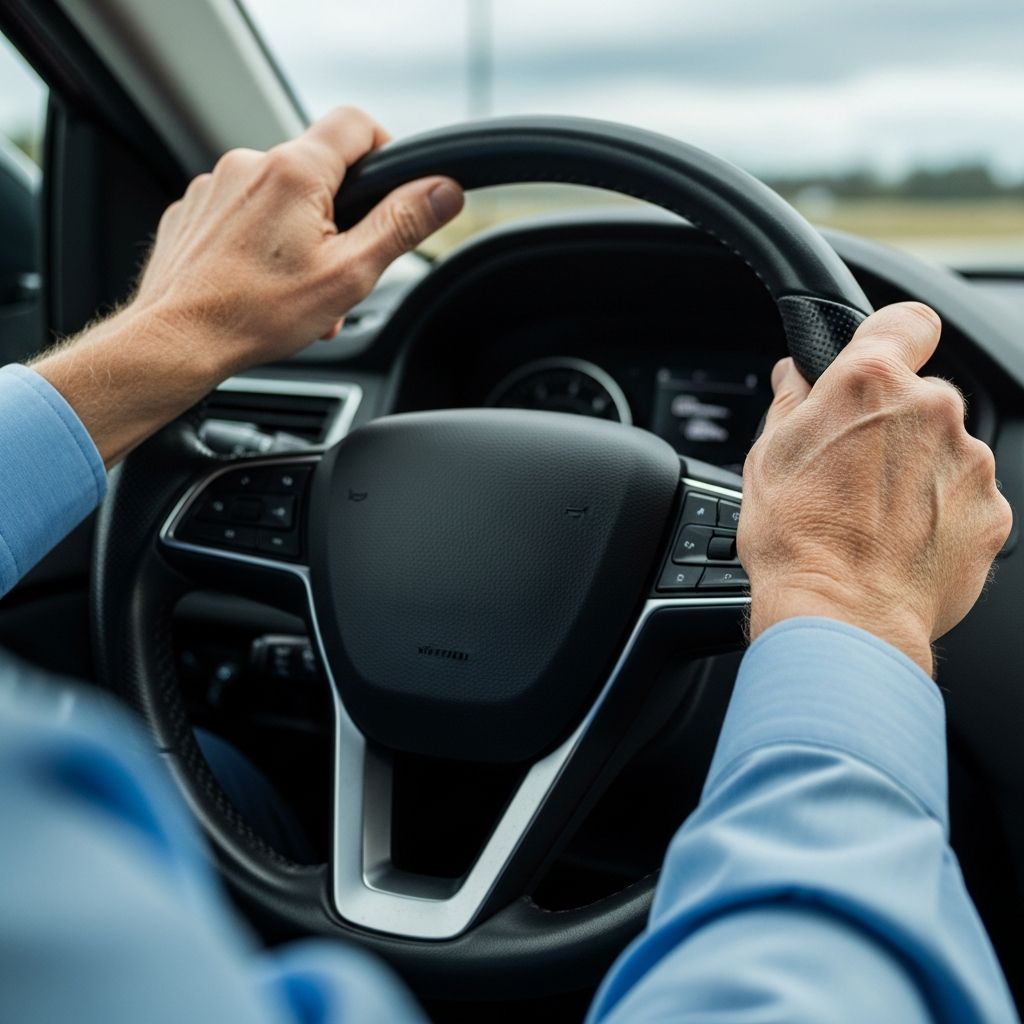
Washington state prioritizes road safety for all motorists, with specific provisions tailored to older individuals who continue driving. Unlike some regions, there is no upper age limit for holding a driver’s license, allowing seniors to maintain mobility as long as they meet safety standards. This comprehensive guide explores license renewal processes, required assessments, potential limitations, and recent legislative developments aimed at balancing independence with public protection.
Understanding License Renewal for Drivers Over 70
Non-commercial driver’s licenses in Washington typically remain valid for eight years from issuance, expiring on the holder’s birthday. For seniors aged 70 and above, renewal cannot occur online; an in-person visit to a Department of Licensing (DOL) office is mandatory. This requirement ensures direct evaluation of fitness to drive, particularly visual acuity.
Renewals are possible up to one year prior to expiration or within eight years afterward. Beyond that timeframe, applicants must seek a new license. No grace period exists for out-of-state expired licenses, emphasizing timely compliance. Seniors benefit from these rules by demonstrating ongoing capability through structured checks, fostering confidence in their roadworthiness.
- In-person renewal: Required for all over 70 to allow vision and health screenings.
- Validity period: Eight years standard, subject to change under proposed reforms.
- Flexibility window: One year before or eight years after expiration for renewal.
Vision and Health Evaluations: Key Safety Checkpoints
A cornerstone of senior renewals is the vision test, conducted at DOL offices. Applicants must achieve minimum standards for safe operation; failure without corrective lenses may lead to restrictions. Common issues like age-related macular degeneration or cataracts necessitate glasses or contacts during driving.
Beyond eyesight, the DOL reviews medical reports if conditions such as dementia, epilepsy, or mobility impairments are reported. Healthcare providers can submit forms flagging concerns, prompting further assessments. These steps protect not only the senior but fellow road users, addressing slower reflexes or cognitive declines statistically more prevalent in older age groups.
| Assessment Type | Purpose | Outcome if Failed |
|---|---|---|
| Vision Screening | Ensure clear distance and peripheral sight | Corrective lenses restriction or further exam |
| Medical Review | Evaluate chronic conditions | License suspension or specialized testing |
| Road Skills Test | Test practical driving ability | Restrictions or denial until retrained |
Common License Restrictions and Their Implications
To accommodate varying abilities, Washington DOL imposes targeted restrictions rather than outright denials. These modifications allow continued driving under controlled conditions, promoting autonomy. For instance, daytime-only driving prevents challenges from reduced night vision, while vehicle-specific limits ensure compatibility with adaptive equipment like hand controls for arthritis sufferers.
Violating restrictions—such as driving at night under a daylight-only endorsement—triggers suspension. Reinstatement involves proof of compliance, often via online portals like Secure Access Washington or DOL appointments. Seniors should consult professionals if medical advancements alter their status, enabling restriction removals.
- Daytime driving only: Addresses glare and low-light adaptation issues.
- Corrective lenses mandatory: Applies universally but critical for seniors.
- Mechanical aids required: For those with physical limitations.
- Geographic limits: Confined to local areas if broader travel poses risks.
Disability Accommodations: Parking and Mobility Aids
Older drivers with qualifying disabilities can obtain placards or plates for accessible parking. Applications require physician certification of conditions like severe arthritis or respiratory issues impacting walking. Temporary placards suit short-term recoveries, while permanent options aid chronic needs. Misuse, such as parking in reserved spots without credentials, incurs fines and potential license reviews.
These provisions enhance independence, allowing seniors to shop, attend medical appointments, or visit family without undue strain. DOL offices process applications efficiently, often during license renewals.
Addressing High-Risk Scenarios and Suspensions
The DOL monitors driving records, suspending licenses if infractions accumulate or medical unfitness is evident. High-risk older drivers—defined post-70 with multiple violations or collisions—face heightened scrutiny under evolving rules. Suspensions halt renewals until resolved, with reinstatement demanding cleared fees, tests, or courses.
Reinstatement processes vary: online for simple cases, in-person for complex ones involving medical clearances. Persistence in safe habits, like defensive driving courses, bolsters reapplication success.
Upcoming Changes: Legislative Push for Enhanced Safety
By January 2025, phase one of new policies mandates a comprehensive older driver safety plan, including voluntary license surrender for free identicards and shorter renewal cycles. Phase two, effective January 2026, introduces mandatory refresher courses emphasizing age-specific challenges like intersection judgment. High-risk individuals may encounter time-of-day limits or vehicle monitoring tech, always preceded by personal driving demonstrations and physician statements.
These reforms, outlined in Senate Bill 5560, aim to reduce accidents while respecting privacy and mobility. “Older driver” applies to those 70+ at issuance or renewal, with “high-risk” based on infractions, collisions, and assessments. Implementation prioritizes voluntary measures before mandates.
National Comparisons: Washington’s Approach in Context
Washington aligns with trends like vision-mandated states (e.g., Colorado) but stands out with in-person senior renewals. Unlike Illinois’ road tests for 75+, WA focuses on targeted evaluations. Shorter cycles in Arizona (5 years post-65) or Pennsylvania’s optional 2-year renewals contrast WA’s 8-year baseline, soon adjustable.
| State | Renewal for Seniors | Key Requirement |
|---|---|---|
| Washington | 8 years, in-person over 70 | Vision test |
| Illinois | 1-2 years post-81 | Road test over 75 |
| Arizona | 5 years over 65 | Standard renewal |
| Pennsylvania | Optional 2 years over 65 | Vision optional |
Seniors drive fewer miles yet face scrutiny due to fatality risks per mile, per IIHS data. WA’s balanced regulations reflect this nuance.
Practical Steps for Safe Senior Driving
To thrive under these laws, seniors should schedule renewals early, maintain annual eye exams, and self-assess via tools like AARP’s online quizzes. Family discussions on alternatives like rideshares preserve dignity amid changes. Legal aid assists with disputes, ensuring fair hearings.
Frequently Asked Questions
Can seniors over 70 renew online in Washington?
No, in-person renewal at a DOL office is required for vision and health checks.
What triggers a license suspension for older drivers?
Untreated medical conditions, restriction violations, or excessive infractions.
Are there proposed mandatory courses for seniors?
Yes, starting 2026 for drivers 70+, focusing on age-related skills.
How do I get a disability parking placard?
Submit a physician-certified application at DOL during renewal.
Is there an age cutoff for driving in Washington?
No absolute limit; safety determines eligibility.
References
- Washington Driving Laws for Seniors and Older Drivers — Nolo. 2024. https://www.nolo.com/legal-encyclopedia/washington-driving-laws-seniors-older-drivers.html
- SB 5560 – Concerning older driver safety — Washington State Legislature. 2023-2024. https://lawfilesext.leg.wa.gov/biennium/2023-24/Htm/Bills/Senate%20Bills/5560.htm
- License Renewals: What Are the New Rules for Senior Drivers? — Elise Lampert, Elder Law Attorney. Accessed 2026. https://www.eliselampert.com/aging-drivers-and-the-law/
- Aging Drivers and the Law — ElderLawAnswers. Accessed 2026. https://www.elderlawanswers.com/aging-drivers-and-the-law-1094
- License Renewals: Understanding the New Rules for Senior Drivers — MB Law Firm. Accessed 2026. https://mblawfirm.com/insights/license-renewals-understanding-the-new-rules-for-senior-drivers/
Similar Articles








Read full bio of Sneha Tete


