
Washington Dram Shop Liability Explained
Understand Washington's rules on alcohol service liability for bars, hosts, and accident victims seeking justice.
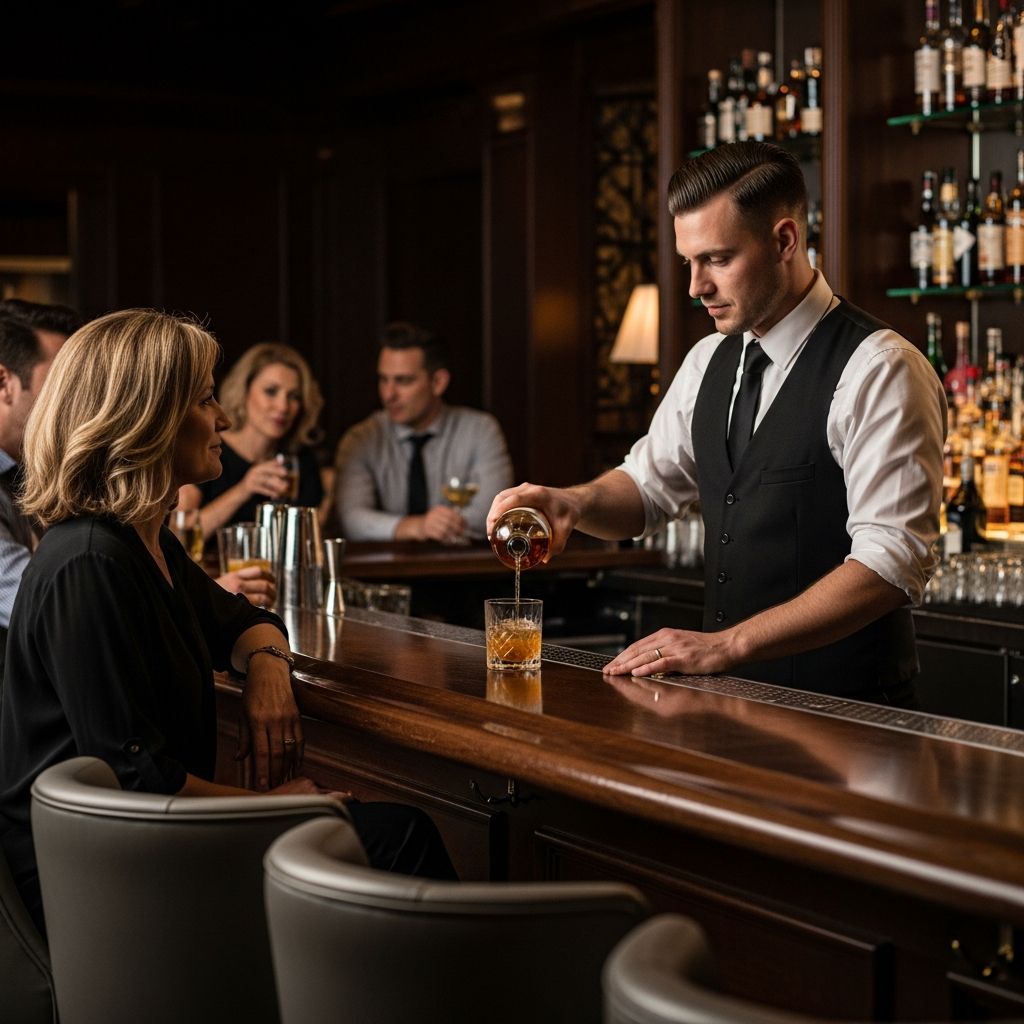
Washington State maintains specific regulations governing the service of alcohol to prevent harm from intoxication. These rules target commercial sellers and private individuals alike, imposing civil responsibility when negligent alcohol provision contributes to injuries or fatalities. Businesses face heightened scrutiny under statutes prohibiting service to those showing clear signs of impairment, while private hosts bear liability primarily for underage drinking scenarios.
Core Principles of Alcohol Service Accountability
Liability for alcohol-related damages in Washington hinges on violations of state liquor control statutes, particularly those barring sales to impaired or minor patrons. Commercial entities licensed to sell alcohol must adhere to strict protocols to avoid legal exposure when customers cause accidents post-service. The framework prioritizes public safety by deterring overservice that fuels drunk driving and other hazards.
Key statutes like RCW 66.44.200 explicitly forbid providing liquor to anyone “apparently under the influence,” a threshold determined by observable behaviors such as slurred speech, unsteady gait, or flushed appearance.
- Observable impairment indicators: Bloodshot eyes, loud or incoherent talk, poor coordination.
- Prohibited actions: Continuing service despite these signs, especially before driving.
- Consequences: Potential civil claims alongside administrative penalties from the Washington State Liquor and Cannabis Board.
Distinctions Between Commercial and Private Liability
Washington differentiates sharply between licensed alcohol retailers—bars, restaurants, taverns—and private social hosts. Commercial operators shoulder broader duties due to their regulated status, while hosts primarily risk liability in minor-involvement cases.
| Type | Applies To | Main Triggers | Liability Scope |
|---|---|---|---|
| Commercial (Dram Shop) | Licensed bars, pubs, restaurants | Service to intoxicated adults or any minors | Broad: injuries from drunk driving, fights |
| Private Host | Individuals at homes/parties | Providing to minors who cause harm | Narrow: mainly underage-related damages |
This separation reflects policy aims to regulate professional sellers more stringently while curbing youth access in casual settings.
Legal Foundations for Commercial Dram Shop Claims
Although Washington repealed its dedicated dram shop statute in 1955, courts apply common law negligence principles augmented by liquor regulations. Establishments breach duty by ignoring evident intoxication, opening doors to lawsuits when patrons injure others.
In vehicular incidents, the “apparently under the influence” criterion supplants stricter “obviously intoxicated” thresholds, per Supreme Court precedent in Barrett v. Lucky Seven Saloon. This lowers the proof bar for plaintiffs, capturing earlier intervention points.
Proving Negligence in Overservice Cases
Plaintiffs must demonstrate four negligence pillars: duty existence, breach occurrence, resultant harm, and causal link. For dram shop suits:
- Duty: Statutory ban on serving impaired persons.
- Breach: Witness testimony of patron’s condition (e.g., stumbling, vomiting).
- Causation: Alcohol from the venue proximately led to the accident.
- Damages: Medical bills, lost income, pain from crashes or assaults.
Expert testimony often reconstructs timelines, blood alcohol correlations, and service patterns via receipts or video.
First-Party vs. Third-Party Dram Shop Actions
Claims split into first-party (injured drinker sues server) and third-party (victim sues server of at-fault drinker).
Limited First-Party Recovery
First-party suits thrive mainly when minors receive alcohol illegally, as adults generally cannot recover for self-inflicted intoxication under contributory fault doctrines. If a bar serves a teen who crashes, the venue may compensate the youth’s injuries, but adult overservice rarely yields success due to voluntary consumption assumptions.
Prevalent Third-Party Pursuits
Third-party cases dominate, exemplified by bar patrons served excessively who then collide with innocents. Victims prove the establishment fueled the driver’s impairment, securing awards for vehicle wrecks, pedestrian strikes, or bar fights spilling outward.
Social Host Responsibilities and Legal Exposure
Private individuals hosting gatherings incur liability chiefly for furnishing alcohol to minors under RCW provisions. If a teen guest, served by the host, drives impaired and harms others, the host faces claims—unlike adult guest scenarios where immunity typically shields providers.
Violations constitute gross misdemeanors, escalating to civil suits for resultant damages like wrongful death or paralysis. Hosts must monitor guest ages and intervene against underage consumption.
- Common host pitfalls: Free-flowing drinks at parties without ID checks.
- Defenses: Proof minor obtained alcohol independently.
- Remedies: Insurance often excludes such claims; personal assets at risk.
Navigating Claims After Alcohol-Fueled Incidents
Injured parties should promptly gather evidence: police reports noting intoxication, venue surveillance, witness accounts of service timing. Timelines matter—statutes of limitations clock from injury dates.
Licensed premises must display no-service-to-intoxicated notices, bolstering plaintiff arguments if ignored. Attorney involvement early preserves footage and deposes staff before recollections fade.
Potential Compensation Avenues
Awards encompass economic losses (wages, repairs) and non-economic (suffering, disfigurement). Punitive elements rare absent recklessness.
| Damage Type | Examples | Typical Proof |
|---|---|---|
| Economic | Medical costs, lost earnings | Bills, pay stubs |
| Non-Economic | Pain, emotional distress | Medical notes, therapy records |
| Property | Car damage | Repair estimates |
Business Protections and Compliance Strategies
Alcohol sellers mitigate risks via server training (MAST certification), ID scanners, and refusal logs. Liquor liability insurance covers verdicts, though exclusions apply for willful violations.
The Liquor and Cannabis Board enforces administratively: fines, suspensions for repeat breaches. Proactive monitoring—cutting off slurring customers, calling rides—fortifies defenses.
Frequently Asked Questions
Can a bar be sued if a drunk customer hurts someone in a crash?
Yes, if evidence shows the bar served alcohol to a visibly impaired patron who then drove, triggering third-party liability under the “apparently under the influence” rule.
Do private party hosts face lawsuits for adult guests?
Generally no; liability attaches mainly to minors served by hosts who cause harm.
What defines ‘apparently under the influence’ legally?
Courts assess observable signs like imbalance or confusion, not BAC alone, especially in DUI contexts.
Is training mandatory for Washington alcohol servers?
Mandatory Alcohol Server Training (MAST) permits is required for legal service.
Can intoxicated adults sue the bar they drank at?
Rarely; first-party claims succeed mostly for illegally served minors.
Recent Case Insights and Trends
Landmark rulings like Barrett v. Lucky Seven Saloon (2004) expanded commercial liability in drunk driving by adopting statutory standards, influencing settlements exceeding millions in multi-vehicle pileups. Ongoing enforcement by the Liquor Board underscores compliance urgency amid rising DUI fatalities.
Victims increasingly leverage digital evidence—dashcams, apps tracking bar tabs—to chain service to crashes. Businesses counter with rigorous cut-off policies, reducing exposure.
References
- Dram Shop Laws and Liability in Washington State — Washington Injury. 2023. https://washingtoninjury.com/dram-shop-laws-and-liability-in-washington-state/
- Dram Shop Laws in Washington Explained (Seattle Guide) — Brumley Law Firm. 2024. https://www.brumleylawfirm.com/dram-shop-laws-in-washington-explained-seattle-guide/
- RCW 66.44.200: Sales to persons apparently under the influence of liquor — Washington State Legislature. 2024-01-17. https://app.leg.wa.gov/rcw/default.aspx?cite=66.44.200
- Dram Shop Laws in Washington State — Russell & Hill, PLLC. 2023. https://russellandhill.com/blog/dram-shop-laws-in-washington-state/
- Washington Dram Shop Laws and Social Host Liability Rules — Nolo. 2024. https://www.nolo.com/legal-encyclopedia/dram-shop-laws-social-host-liability-alcohol-related-accidents-washington.html
- Washington Alcohol Laws — Washington Alcohol Training. 2024. https://www.washingtonalcoholtraining.com/resources/washington-laws/
Similar Articles








Read full bio of Sneha Tete


