
Virginia Workplace Drug Testing Laws: 2026 Compliance Guide
Comprehensive guide to drug testing rules, cannabis protections, and employer obligations in Virginia workplaces.
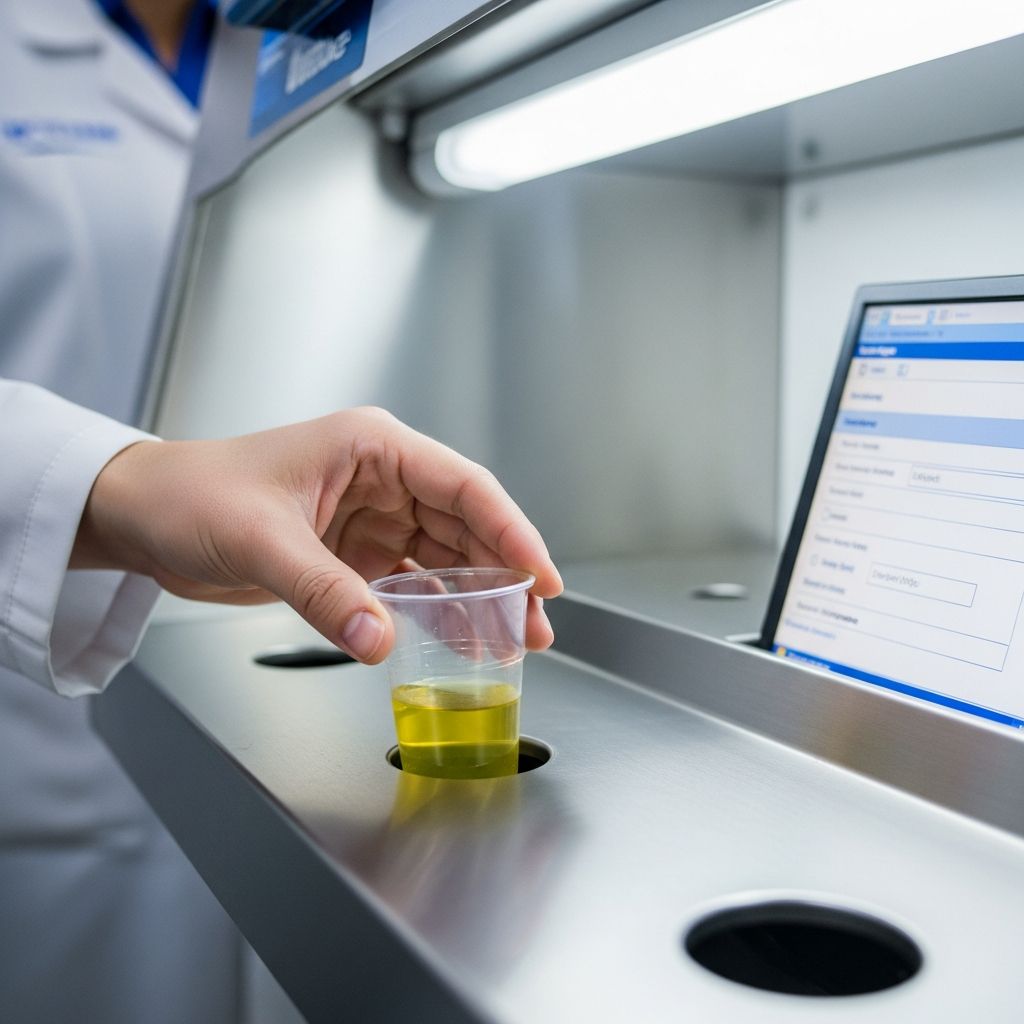
Employers in Virginia enjoy significant flexibility in implementing drug testing programs without state-level prohibitions on such practices. This authority allows businesses to maintain safe environments, particularly in safety-sensitive roles, while navigating recent changes in cannabis legalization.
Employer Authority and Legal Framework
Virginia law does not restrict employers from conducting drug tests on employees or applicants, nor does it prevent termination of at-will employees who test positive, even in random screenings. This broad discretion supports the creation of drug-free workplace policies. State contractors receiving over $10,000 must incorporate drug-free provisions under Va. Code § 2.2-4312, ensuring compliance with specific testing and reporting standards.
Certain sectors face mandatory requirements. Licensed home health and home care organizations must establish drug-free programs, including employee testing, and report positive results to regulatory boards per Va. Code § 32.1-162.9:1(B). These rules underscore Virginia’s emphasis on public safety in healthcare delivery.
Cannabis Legalization and Employment Protections
Since July 1, 2021, Virginia has decriminalized possession of up to one ounce of marijuana for adults 21 and older, alongside protections for medical cannabis users. Employers cannot discipline or discharge employees for lawful cannabis use unless it impairs job performance or occurs during work hours, as outlined in Va. Code § 40.1-27.4.
Medical cannabis protections extend to “cannabis oil” formulations containing CBD or THC-A, prohibiting adverse actions for lawful use. Exceptions apply if impairment affects work, possession happens on-site, or compliance would violate federal law or jeopardize contracts. Botanical cannabis use may also qualify indirectly, as tests cannot differentiate sources.
Recent guidance advises against employment actions based solely on cannabinoid metabolites in tests without impairment evidence, except for established drug-free policies applied uniformly. Defense sector employers retain rights to reject candidates exceeding THC thresholds: 50 ng/ml in urine or 10 pg/ml in hair.
Testing Procedures and Employee Rights
Job applicants must consent explicitly to testing and cannot cover costs for medical exams, per Va. Code § 40.1-28. Current employees share this protection against self-payment. Tests should follow scientifically accepted standards using accredited labs, ideally with chain-of-custody documentation to defend against disputes.
A positive result for non-prescribed substances constitutes misconduct, justifying termination and unemployment denial if policy-known, standards-compliant, and lab-accredited (Va. Code § 60.2-618(2)(b)(1)). Court precedents, like Virginia Employment Commission v. Community Alternatives (2011), affirm this without strict chain-of-custody mandates for unemployment claims.
| Testing Context | Requirements | Legal Reference |
|---|---|---|
| Pre-Employment | Consent required; no applicant payment | Va. Code § 40.1-28 |
| Random/Safety-Sensitive | Allowed broadly; uniform policy | No prohibition |
| Post-Accident | Supports workers’ comp defenses | Va. Workers’ Comp laws |
| Cannabis-Specific | No action without impairment | Va. Code § 40.1-27.4 |
Workers’ Compensation and Insurance Incentives
Employers maintaining certified drug-free programs qualify for up to 5% discounts on workers’ compensation premiums. Employees injured due to intoxication or non-prescribed drugs forfeit benefits. This incentivizes proactive testing while penalizing substance-related incidents.
Disability Laws and Exclusions
The Virginians with Disabilities Act bars discrimination but excludes active alcoholism and current drug addiction. Employers must balance accommodations cautiously, as testing can intersect with disability claims.
Evolving Testing Methods and Federal Influences
Workplace tests typically screen for amphetamines, cocaine, marijuana, opioids, and PCP. Federal updates from HHS, effective 2025, add fentanyl screening for safety-sensitive federal roles. DOT proposes saliva testing alignment, pending lab certification, offering quicker, supervised alternatives to urine tests.
Multistate employers face varied rules: some delay pre-offer testing, restrict random checks, or limit post-incident screens. Virginia’s framework remains employer-friendly but cannabis-sensitive.
Best Practices for Compliance in 2026
- Develop clear, written drug policies distributed to all staff, specifying testing triggers, consequences, and appeal processes.
- Train supervisors on recognizing impairment versus off-duty use, emphasizing performance over test results for cannabis.
- Use certified labs and maintain detailed records, including consents and chains of custody.
- Review policies annually for cannabis updates and federal intersections, especially in defense or funded sectors.
- Consult legal experts for sector-specific mandates, like healthcare or contracting.
Frequently Asked Questions
Can Virginia employers conduct random drug tests?
Yes, with no state prohibition, provided policies are clear and applied consistently.
Does marijuana legalization protect positive tests?
No, if impairment occurs at work or under zero-tolerance policies; off-duty lawful use is shielded unless job-impacting.
Who pays for drug tests in Virginia?
Employers must cover costs; applicants/employees cannot be charged.
Are there cannabis protections for medical users?
Yes, for lawful cannabis oil use, barring work impairment or federal conflicts.
What if an employee tests positive post-injury?
May bar workers’ comp and support termination as misconduct.
Future Considerations for Virginia Employers
As of 2026, anticipate fentanyl screening expansions in hospitals and potential multistate harmonization challenges. Virginia’s minimum wage adjusts slightly, but drug policies remain central to risk management. Employers adopting zero-tolerance must ensure nondiscriminatory enforcement.
Proactive policy updates mitigate liabilities, fostering safe, productive workplaces amid shifting substance norms. High-reliability testing upholds fairness and legality.
References
- Quick and Easy Guide to Labor & Employment Law: Virginia — Baker Donelson. 2023. https://www.bakerdonelson.com/easy-guide-virginia
- Virginia Legalizes Recreational Cannabis and Enacts Employment Protections For Medical Cannabis Users — Vorys. 2021-07-01. https://www.vorys.com/publication-Virginia-Legalizes-Recreational-Cannabis-and-Enacts-Employment-Protections-For-Medical-Cannabis-Users
- Virginia Officials Publish Guidance On Marijuana Consumers Workplace Rights — Marijuana Moment. 2023. https://www.marijuanamoment.net/virginia-officials-publish-guidance-on-marijuana-consumers-workplace-rights/
- The Evolution of Workplace Drug Testing: What Employers Need to Know for 2026 — Ogletree Deakins. 2025. https://ogletree.com/insights-resources/blog-posts/the-evolution-of-workplace-drug-testing-what-employers-need-to-know-for-2026/
- New Virginia laws taking effect Jan 1, 2026 — FOX 5 DC. 2025-12. https://www.fox5dc.com/news/new-virginia-laws-taking-effect-jan-1-2026
Similar Articles








Read full bio of Sneha Tete




