
Vermont Employee Break Regulations Guide
Essential insights into Vermont's rules on meal periods, rest opportunities, and compliance for workers and businesses.
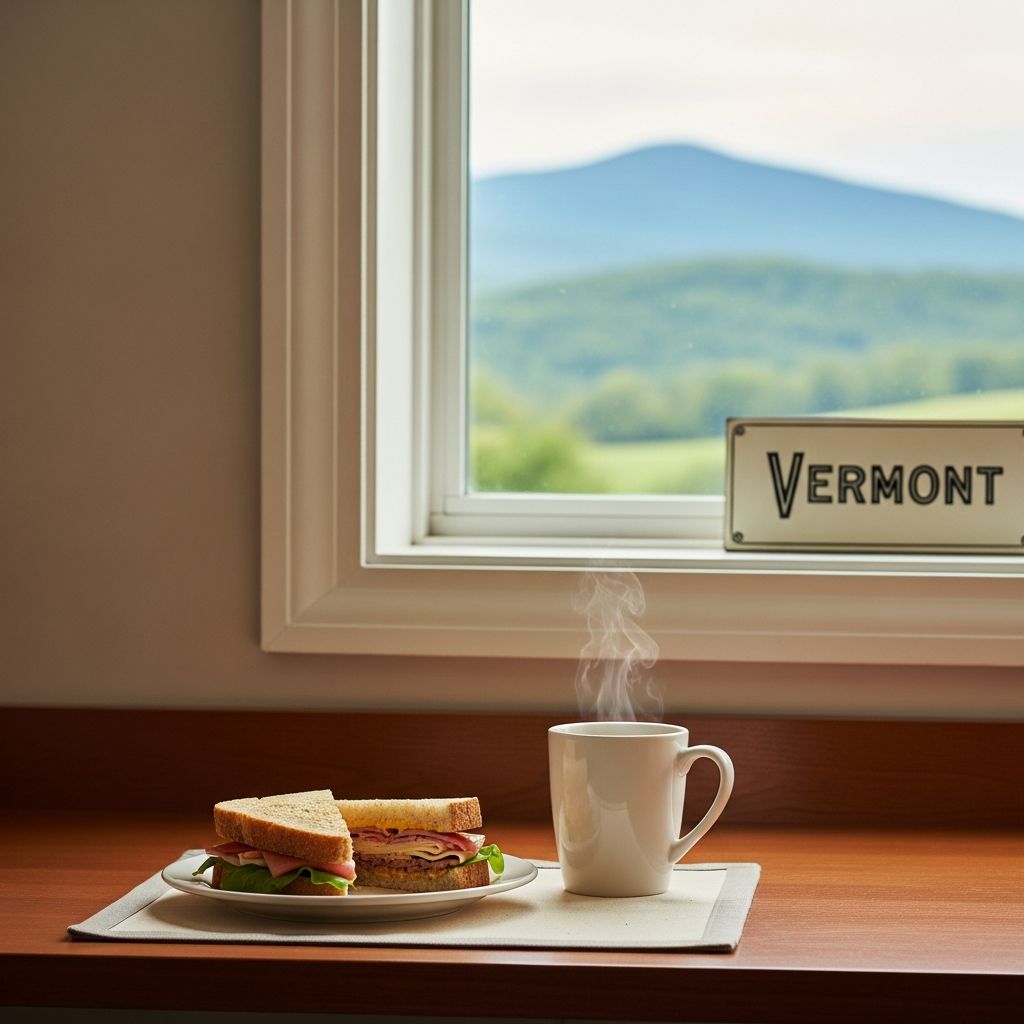
Vermont labor laws prioritize employee well-being by mandating reasonable opportunities for meals and restroom use during work shifts, distinct from stricter requirements in many other states. This guide explores the nuances of these regulations, helping workers understand their rights and employers fulfill obligations effectively.
Core Principles of Workplace Breaks in Vermont
At the heart of Vermont’s approach is Vermont Statute 21 V.S.A. § 304, which requires employers to offer employees reasonable opportunities to eat and access toilet facilities during work periods to safeguard health and welfare. Unlike states with rigid timelines, Vermont emphasizes flexibility while aligning with federal standards on compensation for break time.
Federal law under the Fair Labor Standards Act (FLSA) influences these rules: short breaks (5-20 minutes) must be paid as they count as work time, while bona fide meal periods of at least 30 minutes can be unpaid if employees are fully relieved of duties. Vermont builds on this by ensuring no employee is denied basic physiological needs, even if exact durations aren’t specified by state statute.
Meal Period Mandates and Practical Applications
While Vermont law does not prescribe a fixed length or frequency for meal breaks, practical interpretations and common guidelines suggest employees working extended shifts—often over six consecutive hours—should receive at least 30 minutes uninterrupted for meals. This aligns with federal bona fide meal break criteria, where workers are free from all job responsibilities.
- Employees may remain on premises during meals, provided no work is required.
- If duties persist (e.g., monitoring phones or deliveries), the time must be compensated.
- Employers in sectors like retail or manufacturing must adapt schedules to accommodate these opportunities without disrupting operations.
For shifts exceeding 7.5 hours, some sources recommend a 30-minute unpaid meal no later than five hours into the workday, though this is not statutorily enforced in Vermont. Compliance hinges on demonstrating ‘reasonableness,’ often evaluated case-by-case in disputes.
Rest Break Policies: Voluntary or Required?
Vermont does not mandate rest breaks (short pauses for coffee or stretching), leaving them to employer discretion or company policy. However, if provided, breaks under 20 minutes are compensable under federal rules, while longer ones may qualify as unpaid if duty-free.
| Break Type | Duration | State Mandate | Payment Status |
|---|---|---|---|
| Meal Period | At least 30 min (recommended) | Reasonable opportunity required | Unpaid if bona fide |
| Rest Break | 5-20 min typical | Not required | Paid |
| Lactation Break | Reasonable time | Required for nursing employees | Employer discretion |
This table highlights key distinctions, aiding quick reference for scheduling.
Special Protections for Young Workers
Minors receive heightened safeguards. Those under 16 working five or more hours must get a 30-minute meal break, stricter than adult rules to promote development and safety. Teens aged 16-17 follow adult guidelines but benefit from general health protections.
- Breaks for minors must be duty-free and scheduled appropriately.
- Employers hiring youth must post notices and track compliance rigorously.
- Violations can lead to fines from the Vermont Department of Labor.
These measures reflect Vermont’s commitment to preventing fatigue-related risks among vulnerable groups.
Compensation Rules for Break Time
Determining pay for breaks depends on relief from duties. Unpaid meal periods require complete freedom from work; any interruption (e.g., answering calls) triggers compensation. Short rest breaks are always paid, promoting productivity without financial penalty to workers.
Lactating employees gain additional rights: reasonable break time daily, with pay at employer discretion unless bargaining agreements specify otherwise. This supports work-life balance post-childbirth.
Employer Responsibilities and Best Practices
Businesses must proactively schedule breaks, document policies, and train staff to avoid liability. Key steps include:
- Developing written break protocols integrated into handbooks.
- Using time-tracking software to monitor compliance.
- Accommodating individual needs, such as medical conditions requiring frequent restroom access.
- Posting required labor law posters in visible areas.
Non-compliance risks lawsuits, back pay, penalties, or Department of Labor investigations. Proactive audits ensure adherence amid shifting schedules or staffing changes.
Industry-Specific Considerations
While uniform, applications vary by sector. Agriculture and supervisory roles may have exemptions from standard meal timing, but reasonable opportunities remain mandatory. Healthcare workers, often on long shifts, benefit from flexible scheduling to meet statutory needs without patient care gaps.
Remote and hybrid employees pose challenges: employers must verify breaks occur, potentially via self-logging or policy affirmations.
Resolving Disputes and Seeking Redress
Workers denied reasonable breaks can file complaints with the Vermont Department of Labor or pursue private claims for unpaid wages. Evidence like shift logs or witness statements strengthens cases. Employers facing grievances should review records promptly to mediate issues.
Common pitfalls: assuming voluntary short breaks suffice for meals or ignoring minor rules. Regular policy updates mitigate these risks.
Frequently Asked Questions
Are meal breaks required for every shift in Vermont?
No fixed requirement exists, but employers must provide reasonable meal opportunities during work periods per state statute.
Can employers require work during lunch in Vermont?
Only if compensated; otherwise, meal time must be duty-free to qualify as unpaid.
What breaks do minors get under Vermont law?
Under-16s working 5+ hours receive a 30-minute meal break; older minors follow adult rules with added protections.
Are rest breaks paid time?
Yes, if 5-20 minutes; longer ones may be unpaid if fully relieved.
How can employers prove break compliance?
Through policies, schedules, time records, and employee attestations.
Navigating Changes and Future Outlook
Vermont’s flexible framework allows adaptation to evolving work norms, like gig economy roles. As of 2026, monitor legislative updates for potential specifications on break durations amid national pushes for standardization. Employers should consult legal experts for tailored advice, ensuring a supportive environment boosts retention and morale.
This comprehensive approach balances health protection with operational needs, fostering equitable workplaces across the Green Mountain State.
References
- Vermont Break Law: Essential Guide for Employers and Employees — Deskcove. 2023. https://deskcove.com/vermont-break-law-essential-guide-for-employers-and-employees/
- An Employer’s Compliance Starter Guide: Vermont — Justworks. 2023-06-01. https://help.justworks.com/hc/en-us/articles/360032268252-An-Employer-s-Compliance-Starter-Guide-Vermont
- Rest & Lunch Break Laws by State (2025 Update) — Workforce.com. 2025. https://workforce.com/news/a-snack-sized-guide-to-lunch-break-laws
- Vermont Laws on Meal and Rest Breaks — Nolo. 2024. https://www.nolo.com/legal-encyclopedia/vermont-laws-meal-rest-breaks.html
- Minimum Length of Meal Period Required under State Law — U.S. Department of Labor. 2024. https://www.dol.gov/agencies/whd/state/meal-breaks
- Vermont Statute 21 V.S.A. § 304 — Vermont Legislature. 2023-07-01. https://legislature.vermont.gov/statutes/section/21/005/00304
Similar Articles








Read full bio of medha deb




