
Bringing Back Gifts from Vacation: Professional Guidelines
Navigate workplace gifting thoughtfully: learn when, what, and how to share travel treasures with colleagues.
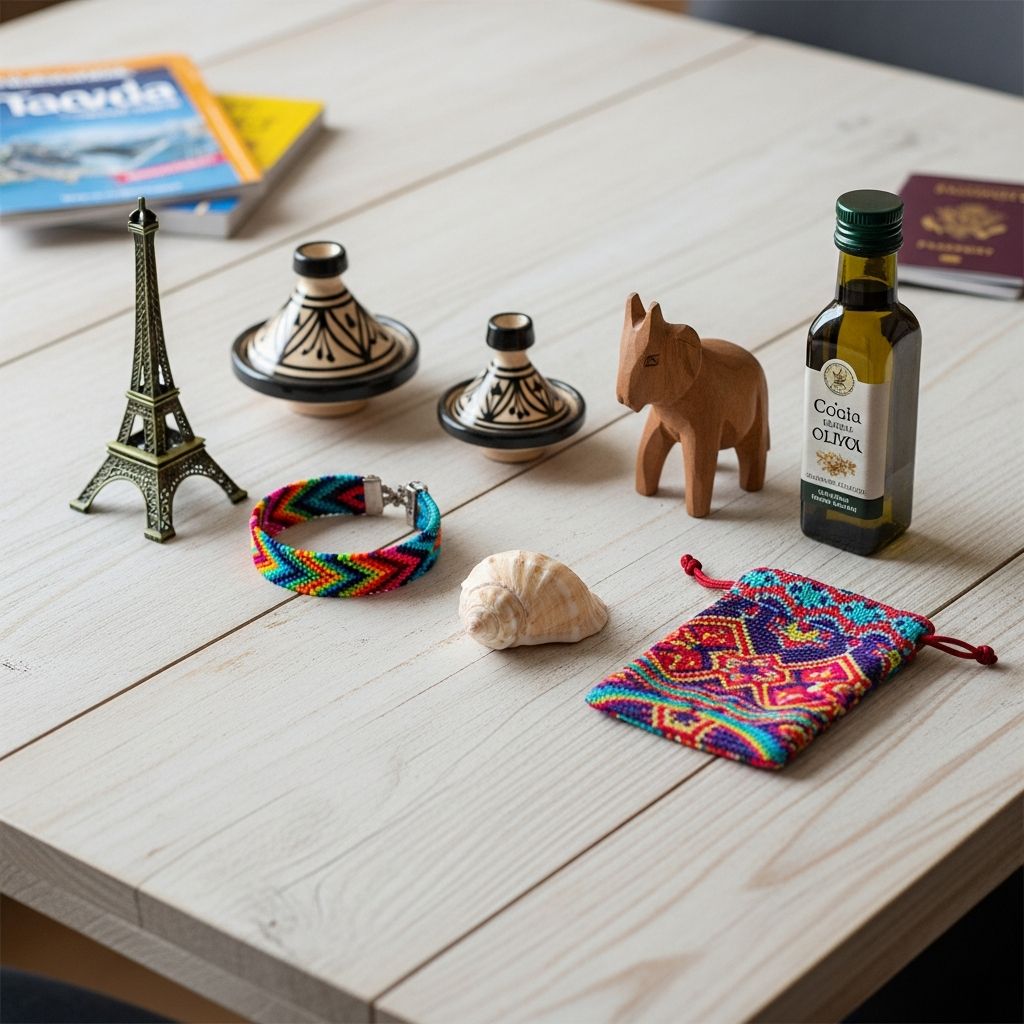
The Thoughtful Traveler: Navigating Souvenir Gifting at Work
Returning from vacation with small tokens of appreciation for colleagues can strengthen workplace relationships and create moments of connection. However, the practice of distributing souvenirs requires careful consideration of organizational culture, professional boundaries, and genuine intent. Whether you’ve traveled across the country or internationally, understanding the nuances of workplace gift-giving ensures your thoughtful gesture enhances rather than complicates your professional environment.
Understanding Your Workplace Context
Before purchasing a single souvenir, take time to assess your specific work environment. Corporate law firms operate under vastly different cultural norms than creative agencies, startup offices, or casual retail environments. Organizational culture shapes what constitutes an appropriate gift, and ignoring these contextual cues can result in unintended consequences.
Your company’s employee handbook typically contains guidelines about gift-giving protocols. Review these policies thoroughly before traveling, as many organizations establish explicit rules about acceptable gift types, spending limits, and circumstances under which gifts may be exchanged. Some organizations have strict anti-gifting policies designed to prevent conflicts of interest or perceptions of favoritism. Others embrace a more informal approach that encourages team bonding through modest token exchanges.
Beyond formal policies, observe how colleagues currently exchange gifts. Do managers typically bring back treats for their teams? Do coworkers acknowledge each other’s celebrations? Do people seem genuinely appreciative of small gestures, or do unsolicited gifts create awkwardness? These informal signals provide invaluable insight into your workplace’s authentic culture, which may differ significantly from official policy.
Determining Who Should Receive Souvenirs
The decision about which colleagues merit a souvenir carries implications beyond simple logistics. Consistency prevents perceptions of favoritism and exclusion, which remain among the most destructive dynamics in workplace gift-giving.
Consider these recipient categories:
- Your immediate team: If you supervise others or work closely with specific colleagues daily, these relationships justify reciprocal gifting. Ensure you include all team members rather than selecting favorites.
- Cross-functional collaborators: People you interact with regularly in different departments warrant acknowledgment, but only if you plan to give tokens to all such colleagues. Selective gifting to one department contact while ignoring another suggests bias.
- Administrative or support staff: Receptionists, administrative assistants, and facilities personnel often go unrecognized despite their central role in organizational operations. A small souvenir acknowledges their contributions.
- Your supervisor or manager: Corporate gifting conventions establish clear directional rules: gifts should flow downward through organizational hierarchy, never upward. Giving to your boss can appear manipulative or create discomfort about your motivations.
- Casual acquaintances: People you see occasionally in common areas may not warrant souvenirs. Bringing back gifts for some casual acquaintances but not others creates confusion about the basis of your selections.
The safest approach involves identifying a specific group—your immediate team, for instance—and committing to including every member equally. This eliminates ambiguity and demonstrates that your gifting reflects genuine appreciation rather than strategic relationship management.
Selecting Appropriate Souvenirs: What Works, What Doesn’t
The souvenir you choose communicates volumes about your judgment and understanding of professional boundaries. Appropriate workplace gifts remain impersonal enough to feel professional while thoughtful enough to feel genuinely appreciative.
Excellent souvenir choices include:
- Local specialty foods or artisanal treats (chocolates, coffee, snacks from renowned regional producers)
- Practical desk accessories with subtle local flair (notepads, pens, bookmarks)
- Travel-size items that align with workplace interests (lip balm, hand cream, small candles)
- Uniquely local items that educate colleagues about your destination (regional tea, local honey, distinctive spices)
- Small decorative items suitable for personal workspaces (inexpensive artwork, ceramic pieces)
- Items benefiting the entire office (large boxes of regional treats, quality coffee)
Avoid these problematic choices:
- Clothing or personal apparel (too intimate, sizing issues create complications)
- Fragrances like cologne or perfume (sensory preferences vary dramatically, and scent can trigger allergies)
- Expensive luxury items (create obligation and discomfort about reciprocating)
- Novelty or gag gifts (typically fall flat in professional settings and may be perceived as mocking)
- Alcohol-related items (organizational policies frequently restrict these, and personal drinking habits vary widely)
- Highly personal items (family-oriented goods, intimate products, religious items)
- Items critiquing your workplace or industry (jokes about your job or company perpetuate negativity)
The ideal souvenir passes this test: a colleague who doesn’t know you well wouldn’t find it unusual, and even someone with opposing tastes could appreciate it as thoughtful. Practicality trumps novelty—recipients should be able to use or enjoy your gift without feeling obligated to display it prominently or find storage space.
Budget Considerations and Spending Guidelines
Establishing a personal spending limit prevents overextension and ensures equity. Most workplace gifting protocols suggest no individual should spend more than their hourly wage per person, and managers should establish clear organizational limits.
If your organization hasn’t provided specific guidance, consider these benchmarks:
- For coworkers in lateral positions: $10–$20 per person
- For multiple recipients: total budget divided evenly among all recipients
- For administrative or support staff: $15–$25 to acknowledge often-overlooked contributions
- For group gifts organized by your team: individual contributions should remain modest enough that no one feels pressured to contribute
Exceeding appropriate spending limits can make recipients uncomfortable and may prompt awkward questions about your intentions. If budget constraints prevent purchasing for everyone, consider a single group gift benefiting the entire team, or acknowledge that this particular trip didn’t yield suitable options.
Presentation and Timing Matters
How you deliver souvenirs carries as much significance as what you’re giving. Professional presentation demonstrates respect for both the gift and the recipient.
Wrap gifts neatly or place them in attractive bags. Include a handwritten note expressing genuine appreciation—keep it brief, professional, and specific if possible. Rather than generic messages, mention something you appreciated about the recipient’s work or contributions. This transforms a souvenir from a generic travel purchase into a personalized gesture of respect.
Timing affects how recipients perceive your generosity. Distribute gifts within a few days of returning, while your vacation remains fresh context. Waiting weeks suggests the gesture was an afterthought. However, avoid making an elaborate production or drawing excessive attention to your gift-giving. Present souvenirs quietly during normal interactions, not through dramatic office-wide announcements.
Managing Group Dynamics and Expectations
If your organization employs multiple people traveling to the same destination, coordinate silently to avoid redundant gifts. If three colleagues return from the same city with identical local chocolates, the repetition diminishes each gift’s uniqueness.
Be prepared for colleagues who didn’t travel to respond graciously without expecting reciprocation. Professional courtesy means acknowledging their kind response without creating obligation for future gift exchanges. You’ve returned from an experience they didn’t share; your gesture doesn’t require balancing.
Never discuss spending amounts or make comparisons between gifts. If someone asks what you spent, deflect politely: “Just found something I thought you’d enjoy.” Protecting gift-giving from competitive evaluation preserves its genuine nature.
Special Circumstances and Exceptions
Certain situations warrant modified approaches. If your vacation included family or personal time that doesn’t align with workplace culture, keep those-specific souvenirs private. Share only items that maintain professional boundaries.
For managers or supervisors, gift-giving requires additional restraint. Leadership gift-giving should focus on recognition of achievement rather than casual vacation sharing. If you’re returning from vacation and want to acknowledge your team, a group treat (quality coffee, regional pastries) distributed to the entire department feels more appropriate than individual personal gifts.
Remote or hybrid work teams present different considerations. Ensure digital-first colleagues receive equivalent acknowledgment—perhaps through a virtual delivery, a more valuable gift that justifies shipping costs, or inclusion in the next in-person gathering’s distribution.
The Intent Behind the Gesture
Ultimately, the ethics of souvenir gifting rest on honest motivations. Your gesture should reflect genuine appreciation for colleagues’ contributions, not strategic relationship management designed to gain favor or create obligation.
Before purchasing, ask yourself: Would I give this gift if I didn’t need anything from this person? Would my gesture feel strange if they knew my thought process? Does giving to some but not others serve a clear, defensible purpose, or does it reflect bias?
When motivations remain pure—you enjoyed your trip, you thought of colleagues, you selected something genuinely appropriate—even modest souvenirs strengthen workplace relationships. They signal that you value your colleagues enough to think of them while away, that you’ve invested thoughtfulness in selection, and that you view your workplace as more than transactional.
Frequently Asked Questions
Q: Is it ever appropriate to give vacation souvenirs to your manager?
A: Generally, no. Corporate gift-giving conventions specify that gifts should flow downward through hierarchical lines, not upward. If you want to acknowledge your manager’s leadership, wait for performance reviews or special occasions where such recognition is more contextually appropriate.
Q: What should I do if I can’t afford to give everyone a souvenir?
A: Either establish a specific recipient group you can equitably serve, or consider a single shared gift for your team (quality coffee, pastries, or treats) rather than individual tokens. Alternatively, acknowledge that your specific destination didn’t yield suitable options and skip gifting entirely—no gift is preferable to selective or inadequate gifts.
Q: How do I handle someone declining my souvenir?
A: Accept the refusal graciously without pressure or comment. Some people decline gifts due to company policy, personal preferences, or cultural reasons. Respect their decision completely.
Q: Can I give alcohol-related souvenirs?
A: Only if your company explicitly permits alcohol gifts and you’re certain the recipient drinks. Many organizations restrict alcohol gifts, and personal drinking habits vary widely. Wine or beer typically creates more complications than appreciation.
Q: Should I announce my souvenirs or give them quietly?
A: Present them quietly in normal interactions rather than orchestrating dramatic distributions. Low-key delivery maintains professionalism and prevents turning the gift-giving into office theater.
References
- Co-Worker Gifts: A Guide to Healthy Professional Gift Giving — Dayspring Pens. Accessed January 18, 2026. https://www.dayspringpens.com/pages/healthy-professional-gifting
- Corporate Gift Giving Etiquette — gThankYou. Accessed January 18, 2026. https://www.gthankyou.com/blog/corporate-gift-giving-etiquette/
- Etiquette Guidelines for Gift-Giving — Universal Class. Accessed January 18, 2026. https://www.universalclass.com/articles/self-help/etiquette-rules/etiquette-guidelines-for-gift-giving.htm
- Business Gift Giving 101: Your Guide to Corporate Gift Giving — Music Box Attic. Accessed January 18, 2026. https://www.musicboxattic.com/blog/business-gift-giving-101-your-guide-to-corporate-gift-giving/
Similar Articles








Read full bio of Sneha Tete


