
VA Survivor Benefits for Families of Fallen Heroes
Essential guide to financial support, pensions, and compensation for spouses and children of deceased U.S. military veterans.
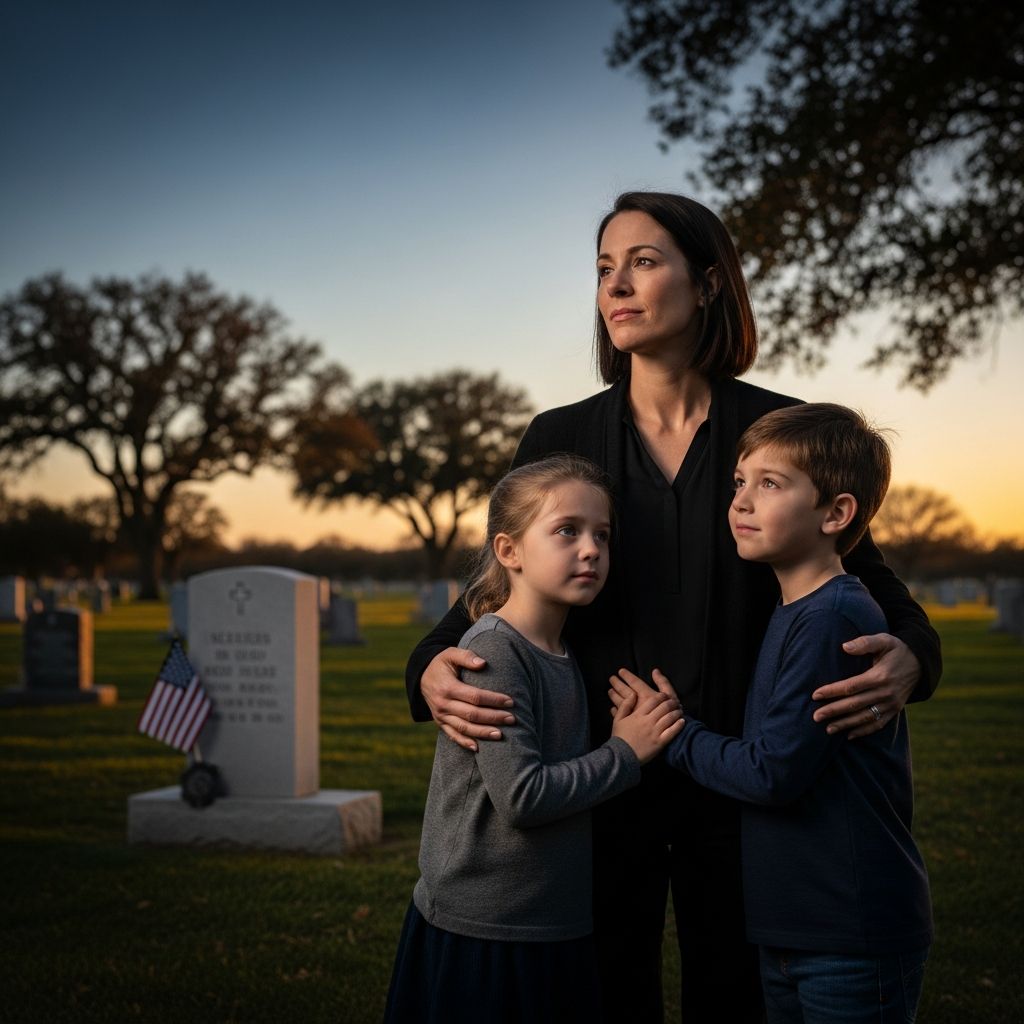
When a U.S. military veteran passes away, their surviving family members may access a range of federal benefits designed to provide financial stability and honor the veteran’s service. These programs, administered primarily by the Department of Veterans Affairs (VA), include needs-based pensions, indemnity payments, education assistance, and housing support. This comprehensive guide explores eligibility criteria, benefit types, application processes, and additional resources for spouses, children, and other dependents.
Understanding Core VA Support Programs for Survivors
The VA offers two flagship programs for survivors: Survivors Pension and Dependency and Indemnity Compensation (DIC). These differ in structure—Survivors Pension is income-based, while DIC provides tax-free monthly payments tied to service-connected causes of death. Families may qualify for one or both, depending on circumstances.
Survivors Pension: Needs-Based Financial Assistance
This program delivers monthly payments to low-income surviving spouses and unmarried children of wartime veterans. Payments help cover living expenses, with amounts adjusted annually based on cost-of-living changes and family size. In 2026, maximum annual rates start around $16,000 for a single survivor, increasing with dependents.
- Key veteran service requirements: At least 90 days active duty before September 7, 1980, including one wartime day; or 24 months post-1980 with wartime service; officers post-1981 need full period service.
- Income limits: Yearly family income must fall below congressional thresholds; deductions for medical expenses and education reduce countable income.
- Net worth exclusion: Primary home, vehicle, and furnishings excluded; other assets like investments count toward limits.
Children qualify if unmarried, under 18, under 23 in approved school, or disabled before 18.
Dependency and Indemnity Compensation (DIC): Service-Connected Death Benefits
DIC offers higher, non-means-tested payments for deaths linked to service. Monthly rates exceed $1,600 for spouses in 2026, with add-ons for children or aid and attendance needs.
| Beneficiary Type | Basic Eligibility | Additional Notes |
|---|---|---|
| Surviving Spouse | Lived with veteran until death or not at fault in separation; veteran died from service-connected disability, on active duty, or was permanently totally disabled. | Remarriage before age 57 after 2004 may disqualify; exceptions apply. |
| Child | Unmarried, under 18 (or 23 in school), not on spouse’s award. | Adopted children qualify regardless of family adoption status. |
| Parent | Biological, adoptive, or foster; income below limits. | Foster defined as pre-service parental role. |
Expanded Benefits: Education, Housing, and Healthcare
Beyond pensions and DIC, survivors access Fry Scholarship for college tuition, VA home loans without down payments, and healthcare via CHAMPVA for non-service-connected conditions.
- Fry Scholarship: Covers full in-state tuition for spouses/children of post-9/11 veterans with 30+ days active duty death or 100% disability.
- VA Home Loans: Surviving spouses eligible if not remarried or remarried post- certain dates; no funding fee.
- CHAMPVA: Health coverage for dependents of permanently disabled or deceased veterans.
- Burial Benefits: Plot allowance up to $2,000, headstone, and transportation reimbursement.
Eligibility Deep Dive: Spouses vs. Children
Criteria for Surviving Spouses
Spouses must generally remain unmarried post-death, though remarriage after 57 (post-2003 deaths) preserves benefits. Marriage duration rules apply: pre-1957 valid, or within 15 years of discharge for disability-related deaths. Veteran discharge must be other than dishonorable.
For DIC, cohabitation until death is key; fault-based separations allow eligibility.
Rights and Qualifications for Children
Unmarried children under 18 automatically qualify; school attendees extend to 23. ‘Helpless’ adults disabled pre-18 receive lifelong support. Multiple children split awards, but spouse-inclusive claims prioritize parents.
Navigating the Application Process
Apply online at VA.gov, by mail, or with accredited representatives. Required documents: death certificate, marriage/birth certificates, service records (DD-214), income statements, and dependency proof.
- Gather records: Veteran’s DD Form 214, medical nexus for service connection.
- Submit VA Form 21P-534EZ: For pension/DIC; includes financial details.
- Await decision: Processing takes 3-6 months; appeals via Higher-Level Review if denied.
- Seek help: Veterans Service Officers (VSOs) from American Legion or DAV assist free.
Retroactive payments cover up to one year pre-application for DIC.
Financial Planning and Maximizing Awards
Combine benefits strategically: DIC offsets pension but doesn’t reduce it fully. Report income changes promptly to avoid overpayments. 2026 rates: DIC spouse $1,695 base; pension max $16,551 single. Use VA’s pension calculator for estimates.
| Benefit | 2026 Monthly Estimate (Spouse) | With One Child |
|---|---|---|
| Survivors Pension | $1,379 | $1,800 |
| DIC | $1,695 | $1,945 |
Special Circumstances and Exceptions
- Remarriage rules: Post-57 remarriage preserves DIC/pension; pre-57 may restore via remarriage dissolution.
- Active duty deaths: Immediate DIC regardless of service length.
- Parents/Divorced spouses: Limited DIC if no spouse/children; income-tested.
- State additions: Some states like Nevada supplement VA benefits.
Frequently Asked Questions
Can I qualify for both Survivors Pension and DIC?
Yes, eligible survivors receive the higher DIC rate; pension acts as supplement if income-qualified.
What wartime periods count for pension eligibility?
WWII, Korea, Vietnam, Gulf War, and post-9/11 operations; one active duty day required.
Does remarriage end all benefits?
No, remarriage after age 57 preserves most; earlier remarriage may disqualify pension but not always DIC.
How do I prove service-connected death?
Submit VA rating decision, death certificate noting service link, or medical evidence.
Are benefits taxable?
No, VA pension and DIC are tax-free.
Resources for Further Assistance
Contact VA at 1-800-827-1000 or visit VA.gov/family-caregiver-benefits. Nonprofits like Wounded Warrior Project offer counseling.
This support honors veterans’ sacrifices, ensuring families thrive. Consult professionals for personalized advice.
References
- Surviving Spouse Benefits from the Department of Veterans Affairs — Veterans Aid Benefit. 2023. https://veteransaidbenefit.org/va_help_surviving_spouse.htm
- VA Benefits Available to Surviving Spouses — Nevada County, CA Government. 2024-05-15. https://www.nevadacountyca.gov/3518/VA-Benefits-Available-to-Surviving-Spous
- Survivors Pension — U.S. Department of Veterans Affairs. 2025-12-01. https://www.va.gov/family-and-caregiver-benefits/survivor-compensation/survivors-pension/
- Veterans Benefits for Survivors and Dependents — People’s Law Library (Maryland). 2024. https://www.peoples-law.org/veterans-benefits-survivors-and-dependents
- VA Survivors Pension for Soldiers — U.S. Army Benefits. 2025. https://myarmybenefits.us.army.mil/Benefit-Library/Federal-Benefits/VA-Survivors-Pension-?serv=120
- About VA DIC for Spouses, Dependents, and Parents — U.S. Department of Veterans Affairs. 2025-11-20. https://www.va.gov/family-and-caregiver-benefits/survivor-compensation/dependency-indemnity-compensation/
- Survivors Pension and DIC — U.S. Department of Veterans Affairs. 2025. https://www.va.gov/family-and-caregiver-benefits/survivor-compensation/
Similar Articles








Read full bio of medha deb


