
Understanding VA Pension Benefits for Wartime Veterans
Navigate VA pension eligibility, application requirements, and benefits for qualifying wartime veterans.
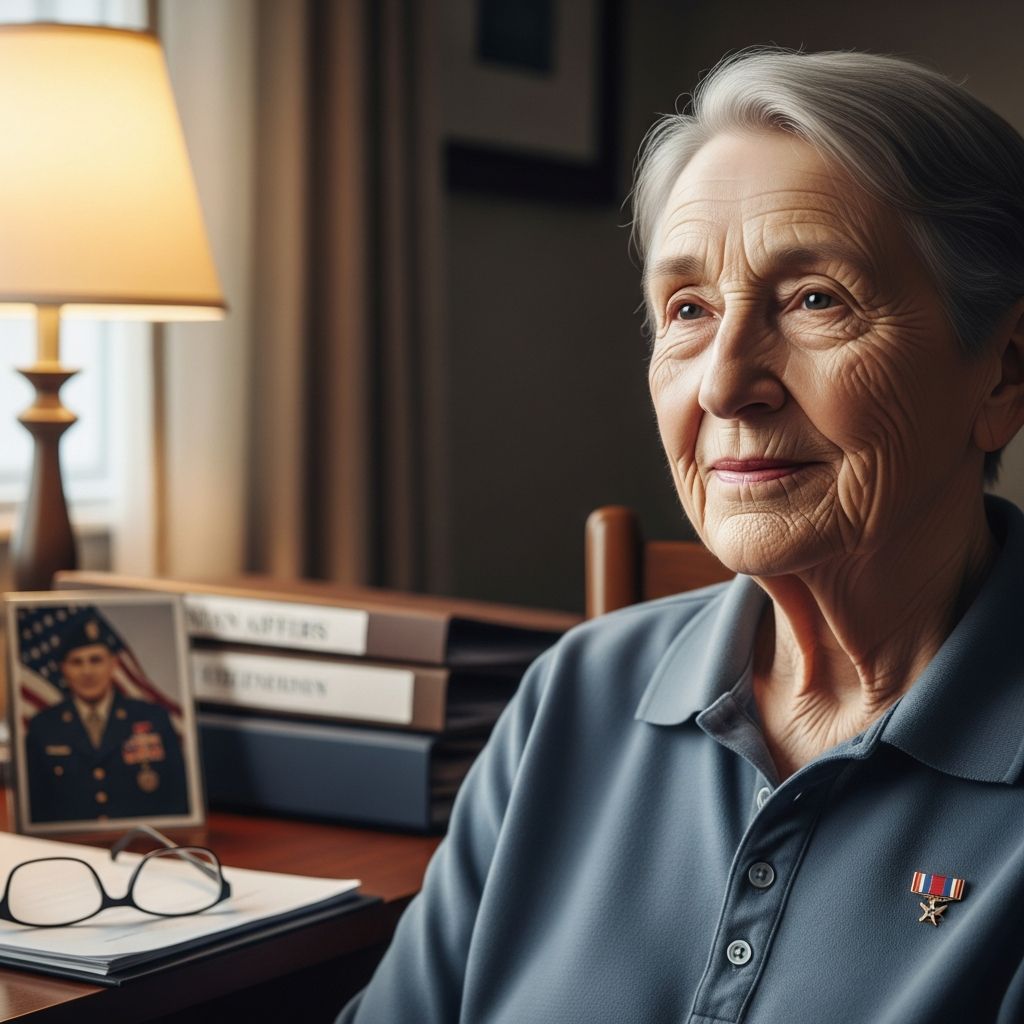
Navigating Veterans Pension Programs: A Comprehensive Overview
The Department of Veterans Affairs offers pension programs designed to provide financial assistance to wartime veterans who meet specific eligibility criteria. These need-based benefits serve as a crucial safety net for aging veterans and those with service-connected disabilities who have limited income resources. Understanding the structure of these programs, the requirements for qualification, and the application process is essential for veterans and their families seeking to access these benefits.
Veterans pension programs differ significantly from disability compensation, as they focus on financial need rather than service-connected disabilities alone. The VA administers multiple pension options tailored to different circumstances, including standard pensions for elderly or disabled veterans and enhanced benefits for those requiring long-term care or assistance with daily activities.
Service Requirements: Building the Foundation for Eligibility
To qualify for VA pension benefits, veterans must satisfy specific military service requirements that emphasize wartime duty. The basic service requirement mandates that all applicants complete at least 90 days of active duty, with a minimum of one day occurring during a designated wartime period. This wartime component distinguishes pension programs from other VA benefits and ensures that eligible veterans have contributed to the nation’s defense during critical periods.
The service requirement timeline varies based on when the veteran entered active duty. Veterans who began their service before September 8, 1980, must have served at least 90 days on active duty with at least one wartime day to meet this threshold. Those who entered service as enlisted personnel after September 7, 1980, face a more stringent requirement of at least 24 months of continuous active duty or the full period for which they were called to duty, whichever is shorter. Officers who entered service after October 16, 1981, must demonstrate that they had not previously served on active duty for at least 24 months, with some exceptions available for those with qualifying medical discharges.
The wartime service requirement encompasses multiple recognized wartime periods throughout American military history. Veterans need not have served in combat roles or overseas deployments; service during any official wartime period qualifies. This inclusive approach ensures that a broad range of veterans who served during wartime—whether in combat zones, support roles, or stateside positions—can access pension benefits.
Age and Disability Qualifications
Beyond military service requirements, veterans must meet at least one criterion regarding age or disability status. The most straightforward pathway involves age qualification: veterans who have reached 65 years old automatically satisfy the age requirement, regardless of their current health status or disability rating. This provision recognizes the financial vulnerabilities that often accompany advanced age and limited earning potential.
For younger veterans, permanent and total disability offers an alternative qualification path. A permanent and total disability means the veteran has received a 100-percent disability rating from the VA, indicating that their condition is unlikely to improve and prevents substantial gainful employment. Importantly, this disability must be non-service-connected, meaning it need not have originated from military service to qualify for pension benefits. Veterans who receive Social Security Disability Insurance (SSDI) or Supplemental Security Income (SSI) automatically satisfy the disability requirement, as these federal determinations provide sufficient evidence of total disability.
Additional pathways exist for veterans in specific circumstances. Those residing in nursing homes receiving skilled nursing care qualify regardless of age or disability status, as long as other eligibility requirements are satisfied. Similarly, veterans receiving SSDI or SSI automatically meet the disability component, streamlining the qualification process for those already receiving these federal benefits.
Income and Net Worth Limitations
VA pension programs operate as need-based benefits, making income and net worth assessments critical components of the eligibility determination process. Congress establishes annual income limits that veterans must fall below to qualify for benefits. These limits are adjusted yearly to account for inflation and cost-of-living changes, ensuring that the programs remain responsive to economic conditions.
When calculating countable income for VA purposes, the VA considers various income sources including salaries, wages, investment returns, retirement payments, Social Security benefits, and income generated by dependents. However, certain expenses can reduce countable income, providing some relief for veterans with significant medical or educational costs. Non-reimbursable medical expenses—amounts paid out-of-pocket for healthcare services not covered by insurance—can be deducted from gross income. Educational expenses for dependents also reduce countable income, recognizing the financial burden of supporting children’s schooling.
Beyond income restrictions, veterans must meet net worth limitations established by the VA. Net worth calculations typically include liquid assets and property holdings, though primary residences and personal automobiles are often excluded or treated differently. These net worth restrictions prevent individuals with substantial assets from accessing need-based pension benefits, directing limited resources toward those with genuine financial vulnerability.
Discharge Requirements
The character of a veteran’s military discharge significantly impacts pension eligibility. Veterans must have received a discharge categorized as other than dishonorable to qualify for any VA pension benefits. An honorable discharge represents the highest discharge status and automatically satisfies this requirement. General discharges under honorable conditions, uncharacterized discharges, and medical discharges typically qualify as acceptable discharge types for pension purposes. However, dishonorable discharges—the most severe discharge classification imposed for serious military crimes—automatically disqualify veterans from pension programs. Bad conduct discharges may also present eligibility challenges, though individual case review is necessary.
Enhanced Benefits: Aid and Attendance Provisions
The VA recognizes that some veterans require assistance with daily living activities or face severe mobility limitations. To address these situations, the Aid and Attendance provision offers enhanced pension payments to qualifying veterans. This supplementary benefit increases the monthly pension amount for veterans who need help with essential daily functions including bathing, dressing, feeding, toileting, and maintaining personal hygiene. The enhancement acknowledges the additional caregiver costs and assistance requirements these veterans face.
Several circumstances qualify a veteran for Aid and Attendance enhancement. Veterans who are bedridden due to disability or illness may receive the benefit, as may those who are blind or nearly blind with corrected visual acuity of 5/200 or less in both eyes. Residing in a nursing home due to mental or physical incapacity automatically qualifies for the enhancement. Additionally, veterans experiencing severe visual field constriction—where the visual field is contracted to 5 degrees or less—meet the criteria for this benefit increase.
Housebound Status and Maximum Ratings
Another enhancement tier exists for veterans with severe disabilities that confine them to their immediate premises. The Housebound benefit provides an intermediate level of enhancement between basic pensions and full Aid and Attendance rates. To qualify, a veteran must have at least one permanent disability rated at 100 percent due to a service-connected condition, combined with either another disability rated at 60 percent or higher, or a combination of disabilities that substantially confine the veteran to home. This recognition of severe mobility restrictions accommodates veterans whose disabilities prevent independent movement beyond their residences.
Survivors Pension: Extending Benefits to Families
The VA extends pension eligibility to surviving family members of qualified wartime veterans. Surviving spouses and dependent children may apply for Survivors Pension if the veteran met all service requirements at the time of death. The application process for survivors differs slightly from veteran applications, requiring documentation of the marital relationship, proof of the veteran’s service record, and verification of dependent children’s ages and educational status where applicable.
Surviving spouses face somewhat relaxed requirements compared to veterans applying for their own benefits. A surviving spouse need not meet any age or disability requirements themselves to qualify for Survivors Pension. However, the surviving spouse must have been married to the veteran at the time of death and must have lived continuously with the veteran throughout the marriage, unless separation occurred due to the veteran’s fault. This marriage requirement ensures that benefits reach family members who depended on the veteran’s financial support.
Application Process and Documentation Requirements
Veterans and survivors seeking pension benefits must submit a formal application to the VA. The primary application form for most pension claims is VA Form 21-534EZ, titled Application for Dependency and Indemnity Compensation (DIC), Survivors Pension, and/or Accrued Benefits. This comprehensive form requires detailed information about military service, including branch of service, dates of active duty, discharge information, and discharge characterization.
Applicants must provide extensive financial documentation demonstrating that their income and net worth fall within allowable limits. This typically includes recent tax returns, statements of financial assets, documentation of medical expenses, educational expenses, and any other deductions that might reduce countable income. Supporting evidence of age, disability status, marriage, and dependent relationships must also be submitted. For those claiming Aid and Attendance or Housebound benefits, medical evidence substantiating the need for assistance becomes crucial to the application’s success.
Income Considerations and Special Deductions
Understanding how the VA calculates countable income remains essential for maximizing pension benefits. Different income sources receive different treatment within the VA’s calculation methodology. While most earned income and investment returns count directly toward the annual limit, certain expenses create allowable deductions. Medical expenses that exceed insurance coverage can significantly reduce countable income, particularly valuable for veterans with chronic conditions requiring ongoing treatment. Educational expenses for dependent children also provide deductions, supporting veterans who prioritize their children’s academic development.
| Income Category | Treatment in VA Calculation |
|---|---|
| Salary and Wages | Fully counted as income |
| Social Security Benefits | Counted as income |
| Retirement Payments | Fully counted as income |
| Investment Returns | Fully counted as income |
| Non-Reimbursable Medical Expenses | Deductible from income |
| Educational Expenses for Dependents | Deductible from income |
Timeline and Processing Expectations
The VA aims to process pension applications within established timeframes, though complexity and documentation completeness affect processing speed. Initial application review typically occurs within 30 to 60 days of submission, assuming all required documentation is included. Applications with missing information may experience delays while the VA requests additional documentation from applicants. Veterans who provide comprehensive documentation from the initial submission generally experience faster processing and earlier benefit commencement dates.
Frequently Asked Questions About VA Pensions
Q: Can a veteran receive both disability compensation and pension benefits?
A: Generally, no. Veterans must elect to receive either disability compensation or pension benefits, but not both simultaneously. However, certain surviving spouses may receive both DIC and pension benefits under specific circumstances.
Q: How often are pension benefit amounts adjusted?
A: The VA adjusts pension rates annually in January to account for cost-of-living increases, ensuring that benefits maintain purchasing power and remain aligned with inflation.
Q: What happens to survivors when a pensioner veteran passes away?
A: Eligible surviving spouses and dependent children may apply for Survivors Pension, which provides continuing financial support. The VA also pays any accrued but unpaid benefits to the estate or eligible survivors.
Q: Are there geographic limitations on pension eligibility for veterans living overseas?
A: While most VA benefits are available to veterans regardless of residence, certain pension programs have residency restrictions. Veterans planning to relocate internationally should consult with the VA regarding benefit continuation.
Q: How do subsequent financial changes affect ongoing pension benefits?
A: Veterans receiving pensions must report significant changes in income or net worth to the VA. Annual updates or reports may be required to ensure continued eligibility and appropriate benefit calculations.
Q: Can Aid and Attendance benefits increase if a veteran’s condition worsens?
A: Yes, if a veteran’s health status deteriorates and they develop new care requirements, they may reapply for Aid and Attendance benefits or request a benefit review to reflect changed circumstances.
Planning for Long-Term Care and Financial Security
Veterans and their families should view pension benefits as a component of comprehensive financial planning. Coordinating pension applications with other veterans benefits, Social Security planning, and long-term care considerations ensures that veterans maximize available resources. Veterans with substantial assets might benefit from estate planning guidance to ensure that pension benefits remain accessible while protecting family legacies.
The intersection of pension benefits with Medicaid planning represents an important consideration for veterans anticipating nursing home placement or long-term care needs. Understanding how pension benefits interact with Medicaid asset limits and spend-down requirements can help veterans preserve resources while accessing needed care.
Common Pitfalls and How to Avoid Them
Many veterans experience delayed benefits or denials due to incomplete applications or misunderstood eligibility requirements. Providing thorough documentation from the initial submission prevents unnecessary delays and appeals. Veterans should carefully review discharge papers to ensure their discharge characterization qualifies under VA requirements, as dishonorable discharges create insurmountable eligibility barriers. Accurately reporting income and net worth prevents overpayment situations that could require veterans to repay received benefits.
References
- Pension – Veterans Benefits Administration — U.S. Department of Veterans Affairs. 2025. https://www.benefits.va.gov/pension/
- Wartime Veterans Pension Qualifications and Information — National Veterans Foundation. 2024. https://nvf.org/wartime-veterans-pension/
- VA Aid & Attendance Pension: 2026 Benefits & Eligibility Criteria — Medicaid Planning Assistance. 2026. https://www.medicaidplanningassistance.org/va-pension-aid-and-attendance/
- Veterans Disability Pension For Service Members — U.S. Army Human Resources Command. 2025. https://myarmybenefits.us.army.mil/Benefit-Library/Federal-Benefits/Veterans-Disability-Pension/
- Veterans Benefits Administration (VBA): Pension Programs — Congressional Research Service. 2023. https://www.congress.gov/crs-product/R46511
Similar Articles








Read full bio of medha deb


