
Utah Alcohol Liability: Dram Shop and Host Laws
Navigating Utah's dram shop and social host liability rules for alcohol-related injuries and accidents.
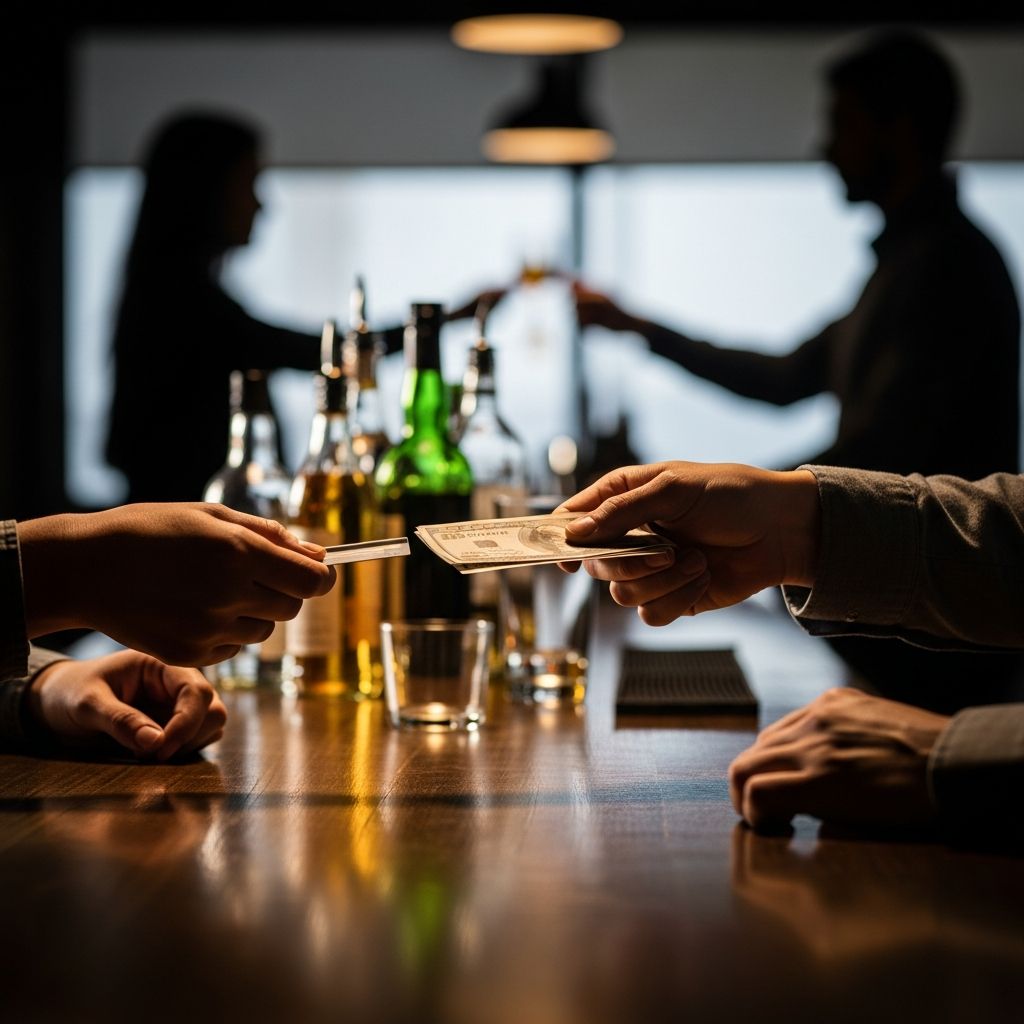
Alcohol-related incidents in Utah can lead to serious injuries or fatalities, prompting legal frameworks to hold certain parties accountable. Dram shop laws target commercial alcohol providers, while social host liability addresses private individuals furnishing alcohol irresponsibly. These regulations aim to promote safer serving practices and deter overserving.
Overview of Dram Shop Liability in Utah
Dram shop liability imposes civil responsibility on businesses licensed to sell or serve alcohol when they contribute to harm caused by intoxicated patrons. In Utah, this applies primarily to establishments like bars, restaurants, and liquor stores that serve alcohol to visibly intoxicated persons or minors, leading to third-party injuries.
Under Utah Code Ann. § 32B-5-301 et seq., commercial providers face liability if they sell or furnish alcohol to someone who is ‘obviously intoxicated’ or under 21 years old, and that person’s subsequent actions cause damage. This includes car crashes, assaults, or other accidents where the impaired individual injures others. The law recognizes that businesses have a duty to monitor patrons and stop service when intoxication is apparent.
Key triggers for dram shop claims include serving alcohol after clear signs of impairment, such as slurred speech, unsteady gait, or aggressive behavior. Victims must prove the establishment’s service was a proximate cause of their harm. Damages can cover medical bills, lost wages, pain, and suffering.
Defining Social Host Liability in the Utah Context
Social hosts—private individuals hosting parties or gatherings—are subject to narrower liability compared to commercial entities. Utah law holds hosts accountable mainly for providing alcohol to minors (under 21), as outlined in Utah Code Ann. § 32B-4-408. If a minor becomes intoxicated from alcohol furnished by the host and causes injury, the host may face civil claims.
Unlike dram shop rules, social hosts generally escape liability for serving adults, even if visibly intoxicated, unless specific circumstances like control over the premises apply. This distinction reflects the policy that private adults bear personal responsibility for their consumption, but minors require protection. For adults, liability is rare and typically requires egregious negligence, such as knowingly enabling drunk driving.
Essential Elements for Dram Shop Claims
To succeed in a dram shop lawsuit in Utah, plaintiffs must establish several core elements:
- Service to Impaired or Minor Patron: Proof that alcohol was sold or given to someone obviously intoxicated or underage.
- Visible Intoxication: Evidence like witness testimony or video showing slurred speech, poor coordination, or blood alcohol levels indicating impairment at service time.
- Proximate Causation: The alcohol provision directly led to the patron’s harmful actions, such as a DUI crash.
- Injury or Damage: Tangible harm to the plaintiff, including economic losses and non-economic suffering.
Courts scrutinize timelines between service and incident to confirm causation. For instance, if hours pass post-service, defenses may argue intervening factors reduced liability.
Requirements and Proof for Social Host Cases
Social host claims demand rigorous proof, focusing on minors:
- Furnishing to Minor: Host knowingly provided alcohol or failed to inquire about age.
- Intoxication Contribution: Alcohol from the host caused or exacerbated the minor’s impairment.
- Injury Causation: Minor’s actions post-consumption directly harmed third parties.
- Host Control: Evidence of active participation, like stocking a party cooler for underage guests.
Utah courts emphasize ‘knowing’ provision; casual BYOB scenarios may not trigger liability unless the host facilitates underage access.
Notable Utah Court Decisions Shaping Liability
Utah case law refines these statutes. In Red Flame, Inc. v. Martinez (2007), the Utah Supreme Court upheld dram shop liability against a bar for serving a patron who later caused a fatal crash, stressing visible intoxication evidence[rich_content:1 from inspiration]. Conversely, Nixon v. Loveless limited social host exposure by ruling no liability for adult guests absent minors or extreme negligence.
These rulings underscore the need for concrete proof, influencing how attorneys build cases around surveillance footage, receipts, and expert toxicology.
Common Defenses Against Liability Claims
| Defense Type | Description | Applicability |
|---|---|---|
| Comparative Negligence | Plaintiff’s own fault reduces recovery; e.g., if victim contributed to the intoxication. | Dram Shop & Social Host |
| Assumption of Risk | Patron or victim knowingly accepted dangers, like drinking despite warnings. | Primarily Dram Shop |
| Intervening Cause | Events breaking causation chain, such as post-party additional drinking. | Both |
| Statute Compliance | Host or business followed ID checks and training protocols. | Social Host & Dram Shop |
Defendants often leverage Utah’s modified comparative fault system, barring recovery if plaintiff is over 50% at fault.
Filing a Claim: Statutes of Limitations and Procedures
Utah imposes a four-year statute of limitations for personal injury claims, including dram shop and social host actions (Utah Code Ann. § 78B-2-307). Prompt action is crucial for evidence preservation, like bar cameras overwriting footage after 30 days.
Steps include: consulting an attorney, gathering witness statements, obtaining police reports, and sending preservation letters. Commercial claims may involve liquor license bonds for quick payouts.
Potential Compensation in Successful Cases
Awards vary but commonly include:
- Economic Damages: Medical expenses, property repair, lost income.
- Non-Economic Damages: Pain, emotional distress, loss of consortium.
- Punitive Damages: Rare, for reckless overserving.
Settlements often precede trials, with averages in the tens to hundreds of thousands depending on injury severity.
Preventive Strategies for Hosts and Businesses
To minimize risk:
- Train staff on intoxication signs and refusal techniques.
- Enforce strict ID policies for all patrons appearing under 30.
- For hosts: Monitor BYOB events, offer rideshares, and stop service to minors.
- Post warnings and limit self-service bars.
Liability insurance tailored for hospitality covers dram shop exposures.
Frequently Asked Questions
What qualifies as ‘visibly intoxicated’ under Utah dram shop law?
Signs include bloodshot eyes, slurred speech, inability to walk straight, or loud/disorderly behavior. Courts assess based on totality of circumstances.
Can I sue a social host for serving an adult guest?
Rarely; liability mainly for minors. Adults must show exceptional negligence.
Does homeowner insurance cover social host claims?
Often excluded; specialized policies needed.
What if the intoxicated person injures themselves?
No dram shop liability for self-injury; focuses on third-party harm.
How do Utah laws compare nationally?
Utah’s dram shop is robust like many states, but social host is minor-focused, unlike broader rules in 31 states.
Navigating Claims with Legal Expertise
Success hinges on experienced counsel to navigate proofs, defenses, and negotiations. Victims should document everything and act swiftly to build strong cases amid Utah’s evolving jurisprudence.
References
- Social Host Liability for Underage Drinking Statutes — National Conference of State Legislatures. 2023-01-15. https://www.ncsl.org/financial-services/social-host-liability-for-underage-drinking-statutes
- Dram Shop Rule — Cornell Law School Legal Information Institute. 2024-05-20. https://www.law.cornell.edu/wex/dram_shop_rule
- Social Host Liability — Insurance Information Institute. 2023-11-10. https://www.iii.org/article/social-host-liability
- Dram Shop Law – Social Host Liability — Sinas Dramis Law Firm. 2024-02-14. https://sinasdramis.com/dram-shop-law-social-host-liability/
- Understanding Dram Shop Liability vs. Social Host Liability — Hepworth Holzer. 2024-12-26. https://hepworthholzer.com/2024/12/26/understanding-dram-shop-liability-vs-social-host-liability/
Similar Articles








Read full bio of medha deb


