
Using FTC Media Resources to Protect and Inform Consumers
Learn how to use the FTC’s videos, audio, and shareable media to spot scams, protect privacy, and educate your community.
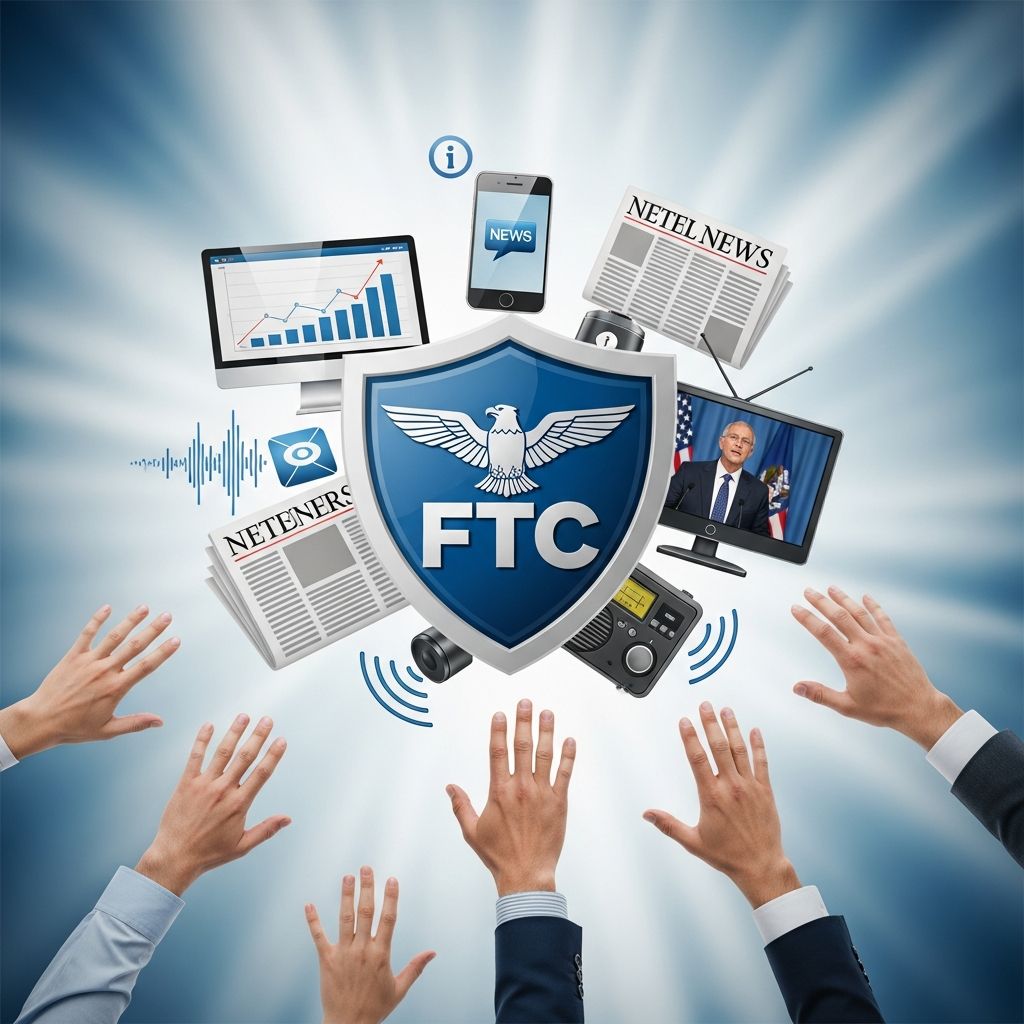
The Federal Trade Commission (FTC) offers a wide range of media tools—videos, audio clips, infographics, and ready-to-share posts—to help people recognize scams, protect their information, and know where to report problems. These resources are free to use and are designed for consumers, educators, businesses, and community leaders.
This guide explains how to find, understand, and share those materials effectively so you can protect yourself and help others do the same.
1. What the FTC Is and Why Its Media Library Matters
The FTC is the United States government’s primary civil law enforcement agency for consumer protection and competition issues. It enforces laws that stop unfair or deceptive practices, including fraud, identity theft, false advertising, and certain data security failures. The agency also produces educational media to help people avoid harm before it happens.
FTC media resources are important because they:
- Translate complex legal topics into plain-language tips.
- Use short videos, audio, and graphics that are easy to share in classes, workshops, or social media.
- Highlight real scam patterns the FTC is currently seeing in consumer reports and investigations.
- Support outreach to underserved communities by offering content in multiple languages when available.
2. Main Types of FTC Media Resources
The FTC’s consumer outreach is not limited to text articles. Many topics appear in several formats so different audiences can access the same information in the way that works best for them.
2.1 Videos and Animations
FTC videos often cover how common scams work, steps to take after identity theft, and how to spot unfair or deceptive business practices. These are useful in:
- Community workshops or library programs.
- Classroom presentations about money, digital safety, or media literacy.
- Staff trainings for nonprofits, financial counselors, and legal aid groups.
2.2 Audio Clips and Podcasts
Short audio pieces can explain scams or consumer rights in a few minutes. They can be played:
- On local radio or community streaming channels.
- In waiting rooms, such as credit counseling offices or clinics.
- During virtual sessions where video may not be practical.
2.3 Social Graphics and Printables
Many campaigns include images or one-page handouts that summarize key tips. These are especially useful when you need quick reminders in visible places, such as:
- Flyers on bulletin boards at community centers or schools.
- Slides in presentations about online safety, privacy, or money management.
- Social posts highlighting a particular scam trend (for example, fake government calls or bogus student loan relief offers).
2.4 Links to Reporting Tools and Forms
Media pieces usually point people to official government tools where they can report issues or get help. Common destinations include:
- ReportFraud.gov for fraud, scams, and bad business practices.
- IdentityTheft.gov for making a recovery plan after identity theft.
- DoNotCall.gov for registering your phone number and reporting unwanted sales calls.[10]
3. Core Consumer Protection Topics Covered in FTC Media
While the specific videos and graphics change over time, several core subjects appear again and again because they are at the heart of the FTC’s mission.
| Topic | What It Covers | Typical Media Formats |
|---|---|---|
| Fraud and Scams | How scams operate, warning signs, and what to do if you’re targeted. | Videos, infographics, social graphics, tip sheets. |
| Identity Theft | How thieves steal and use your information, and how to recover. | Step-by-step guides, videos, printable checklists. |
| Privacy & Data Security | Protecting personal data, including children’s data and health or financial information. | Business guidance, consumer tips, explainer videos. |
| Money & Credit | Credit reports, loans, debt relief, and avoiding high-cost products. | Articles, audio segments, classroom-ready handouts. |
| Special Focus Populations | Older adults, servicemembers, students, and immigrants. | Targeted videos, multilingual materials, outreach campaigns. |
4. How to Use FTC Media to Report Problems and Get Help
Many of the FTC’s media materials guide people directly to the tools they need to respond to a problem. Understanding these connections helps you turn education into action.
4.1 Reporting Scams and Bad Practices
If you see or experience a scam, misleading offer, or unfair business practice, the FTC encourages you to report it. According to the FTC, consumer reports help the agency and its partners detect patterns, bring cases, and identify the people and companies that may be violating the law.
Common paths highlighted in FTC media include:
- Online fraud reporting via a central web form that accepts complaints about many types of scams.
- Do Not Call violations reports when you get unwanted sales calls to a registered number.[10]
- Industry-specific concerns such as telemarketing, debt collection, or credit repair, which may come with tailored instructions and media explaining your rights.
4.2 Responding to Identity Theft
FTC media often emphasizes quick action when personal information is stolen. Government guidance typically suggests steps such as placing fraud alerts, reviewing credit reports, and creating an identity theft report and recovery plan.
Media content might walk you through:
- Recognizing early signs, such as unfamiliar accounts or collection notices.
- Using official recovery tools that generate letters and checklists.
- Understanding your rights under credit reporting and identity theft laws.
5. Using FTC Media in Education and Community Outreach
Teachers, librarians, legal service providers, and community advocates can incorporate FTC media into their programming. The Bureau of Consumer Protection specifically encourages the use of its resources in legal aid work, financial literacy education, and language classes.
5.1 Ideas for Educators and Trainers
- Classroom modules: Pair a short video about online privacy with a discussion on strong passwords, multi-factor authentication, and sharing limits on social platforms.
- Workshop series: Offer a monthly “scam of the month” program where you play an FTC clip and then walk through recent local examples from news reports or community experiences.
- Homework or reflection: Ask learners to watch a media piece at home and list three warning signs they learned.
5.2 Reaching Underserved Communities
FTC outreach materials are designed to be usable in communities that may face language, income, or access barriers. When using the media library to reach these groups, consider:
- Choosing content that is available in the languages your community speaks.
- Preferring videos with captions and clear visuals for people with limited literacy or hearing impairments.
- Printing short tip sheets that summarize long videos for people with low bandwidth or limited internet access.
6. How Businesses and Organizations Can Use FTC Media
The FTC also offers guidance and media aimed at businesses so they understand and comply with consumer protection and competition laws.
6.1 Internal Training for Staff
Organizations can use media pieces to:
- Train employees on truthful advertising, including endorsements and online reviews.
- Explain why collecting more data than necessary can increase security and legal risk.
- Reinforce policies on consent, disclosures, and communicating clearly with customers.
6.2 External Communications with Customers
Businesses can benefit from embedding consumer-focused guidance into their own communication channels, for example:
- Sharing scam avoidance tips with customers by linking to official government content in newsletters.
- Posting or adapting FTC media messages about recognizing imposters who pretend to be from the business.
- Highlighting company security practices while acknowledging rights that consumers have under federal law.
7. Best Practices for Sharing FTC Media Responsibly
When using any official government content, you should preserve the core message and avoid implying endorsement of your organization.
7.1 Keep Information Accurate and Up to Date
- Always link back to the official government page instead of hosting outdated copies whenever possible.
- Review publication or last-updated dates on materials before using them in a campaign, especially in fast-changing areas like data security or student loan relief.
- Avoid altering the meaning of guidance when summarizing it for your materials.
7.2 Avoid Suggesting FTC Endorsement
- Clarify that you are sharing public information from a government agency, not that the government endorses your organization or product.
- Do not add your logo to official graphics in ways that blur who created the content.
- Consider adding a short note such as “Information based on guidance from the Federal Trade Commission.”
8. Recognizing Common Scam Themes Highlighted in FTC Media
Although the details of scams change, many underlying tactics repeat. FTC enforcement and education efforts often highlight the same patterns.
- Imposter scams: Criminals pretend to be government agencies, tech support, banks, or well-known companies to pressure you into sending money or personal information.
- Debt and loan relief schemes: Fraudulent companies charge illegal upfront fees or make false promises about loan forgiveness or quick access to credit.
- Hidden fees and dark patterns: Businesses might bury extra charges or structure websites in ways that confuse people about costs, something the FTC has targeted with rulemaking and enforcement.
- Data misuse: Companies that collect more information than necessary or fail to protect it can put consumers at risk, especially children and students, as seen in recent enforcement actions.
9. Quick Checklist: Making the Most of FTC Media Tools
Use this checklist when planning a program, lesson, or outreach campaign that involves consumer protection topics.
- Identify your audience (students, older adults, small business owners, etc.).
- Select 1–3 media pieces (video, audio, or infographic) focused on a single clear topic.
- Prepare a short activity: discussion questions, a role-play, or a written reflection.
- Include links or printed instructions about how to report scams or get official help.
- Encourage participants to share one key tip with family or friends.
Frequently Asked Questions (FAQs)
Q1: Do I need permission to use FTC consumer education videos in my class or workshop?
In general, federal government educational materials are made to be shared broadly, including in classrooms and community programs. You should keep the content intact, avoid implying endorsement of your organization, and link back to the original government page when possible.
Q2: Can I translate FTC media content into another language for local use?
Many topics are already available in multiple languages, especially Spanish. If translations do not already exist, organizations sometimes create their own, but they should work carefully with legal or language experts to maintain accuracy and should not present unofficial translations as if they were produced by the FTC.
Q3: How do FTC media resources connect to law enforcement actions?
The FTC uses consumer reports and investigations to bring enforcement cases against companies and individuals that violate consumer protection and competition laws. Media campaigns often highlight scams or practices that are the focus of recent or ongoing enforcement, making it easier for the public to recognize and report similar conduct.
Q4: Are there media materials specifically for businesses?
Yes. The FTC’s business guidance center provides videos, articles, and documents that explain how advertising, privacy, data security, and other rules apply to companies of all sizes. These can be used in staff trainings or compliance programs.
Q5: Where should I send people who have already lost money to a scam?
They should be directed to official federal reporting tools where they can submit a report and get tailored advice, such as the central fraud reporting portal and the identity theft recovery website.[10] In some cases, they may also need to contact banks, credit card issuers, or local law enforcement.
References
- Enforcement — Federal Trade Commission. 2024-05-01. https://www.ftc.gov/enforcement
- Bureau of Consumer Protection — Federal Trade Commission. 2024-04-15. https://www.ftc.gov/about-ftc/bureaus-offices/bureau-consumer-protection
- Consumer Protection — Federal Trade Commission. 2025-05-20. https://www.ftc.gov/consumer-protection
- Rules — Federal Trade Commission. 2024-07-10. https://www.ftc.gov/legal-library/browse/rules
- Business Guidance — Federal Trade Commission. 2024-03-18. https://www.ftc.gov/business-guidance
- Federal Trade Commission — Federal Trade Commission. 2024-06-01. https://www.ftc.gov
- File A Complaint — Federal Trade Commission. 2024-02-29. https://www.ftc.gov/media/71268
Similar Articles








Read full bio of medha deb


