
Admission To The U.S. Supreme Court Bar: Step-By-Step Guide
Comprehensive guide to qualifying, applying, and participating in the ceremonial swearing-in to the nation's highest court bar.
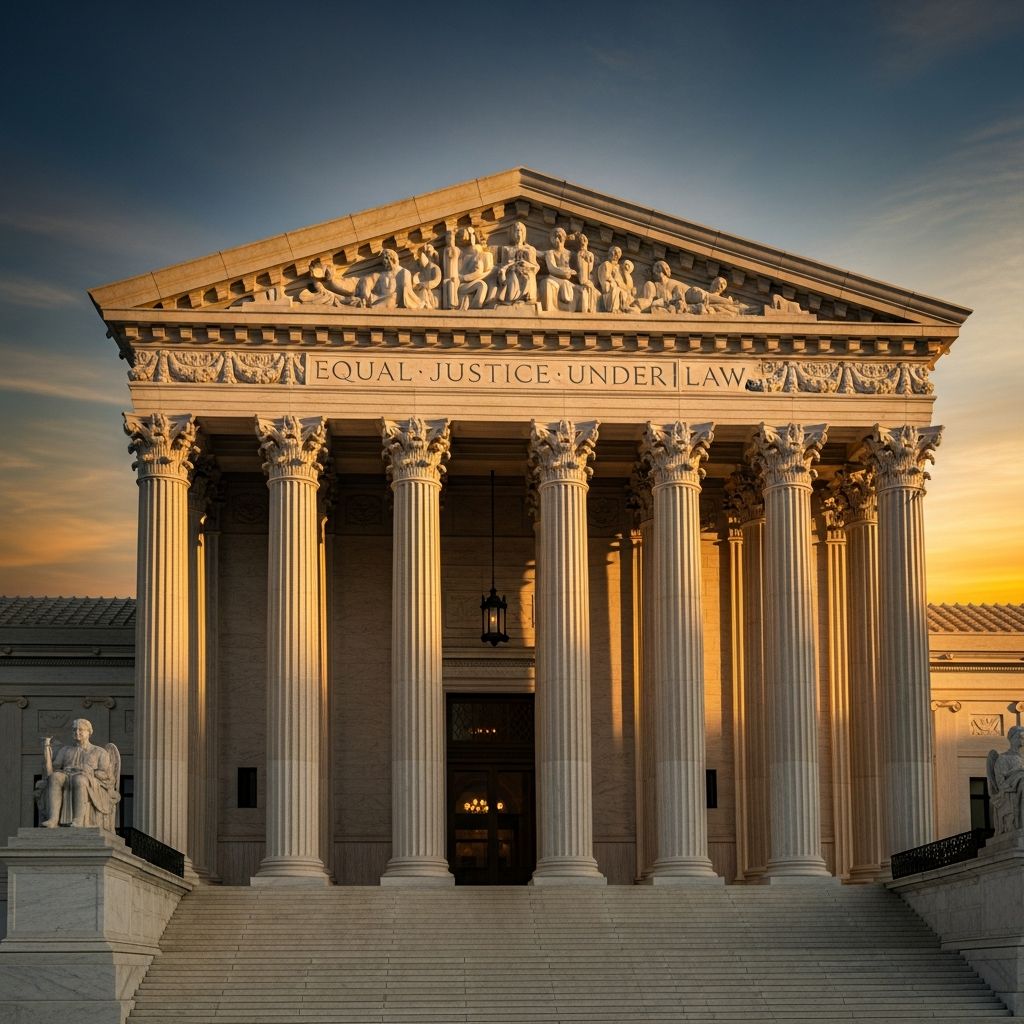
Joining the Bar of the United States Supreme Court represents one of the highest achievements in the legal profession, granting attorneys the privilege to practice before the nation’s most esteemed judicial body. This process demands not only professional excellence but also meticulous preparation and adherence to specific protocols. Unlike state bar admissions, which focus on recent law graduates, Supreme Court bar membership is reserved for attorneys with substantial experience and unblemished records.
Understanding the Prestige and Purpose
The U.S. Supreme Court Bar is an exclusive group, comprising attorneys who have demonstrated sustained ethical practice and competence over years. Admission allows participation in cases that shape constitutional law, federal statutes, and national precedents. Only a fraction of licensed attorneys pursue and achieve this distinction, often those specializing in appellate advocacy, constitutional issues, or high-stakes federal litigation.
Historically, the Court has maintained stringent standards to ensure that only the most qualified advocates appear before it. This selectivity preserves the Court’s efficiency and the gravity of its proceedings. Attorneys admitted to this bar must uphold the highest standards of conduct, as membership reflects directly on the Court’s integrity.
Basic Eligibility Criteria
To qualify for admission under Supreme Court Rule 5, candidates must satisfy several core requirements. Primary among these is membership in good standing in the highest court of a state, territory, commonwealth, or the District of Columbia for at least three years immediately preceding the application date.
Good standing implies no disciplinary actions, suspensions, or ethical violations during that period. Applicants must procure a certificate of good standing directly from the presiding judge, clerk, or authorized official of that highest court—not from a state bar association or lower federal courts. This document verifies the applicant’s impeccable record.
| Requirement | Details |
|---|---|
| Duration of Good Standing | At least 3 years prior to application |
| Issuing Authority | Highest state/territorial court clerk or judge |
| Additional Status | No pending disbarment, suspension, or unethical conduct |
Beyond good standing, applicants must exhibit moral character and professional fitness, though the Court relies heavily on the sponsoring members’ endorsements for this assessment.
Securing Sponsorship from Current Members
A pivotal element of the application is sponsorship by two active members of the Supreme Court Bar. These sponsors, often mentors, colleagues, or senior litigators, vouch for the applicant’s qualifications through personal signatures on the application form.
Sponsors must provide original “wet” signatures, affirming they know the applicant professionally and believe them suitable for the Court’s bar. Finding sponsors can involve networking at legal conferences, alumni events, or through law school connections. Some institutions, like law schools, organize group admissions where faculty or alumni serve as sponsors.
- Identify potential sponsors early through professional networks.
- Ensure sponsors are current, active bar members.
- Prepare a resume or case summary to aid their endorsement.
Navigating the Application Process
The official application form is available on the Supreme Court website and must be completed online, printed, and submitted by mail. Key components include:
- Personal Information: Full name, contact details, bar admission history (avoid all caps).
- Sponsor Signatures: Original ink signatures from two sponsors on the designated page.
- Certification Section: Completed oath and certification by the applicant.
- Fee Payment: A $200 fee via personal check payable to “Supreme Court of the United States,” accompanied by a $10 ductility fee if requesting a duplicate certificate.
Attach the good standing certificate (one from the highest court suffices). Mail everything to the Clerk’s Office with a self-addressed stamped envelope for return of the admission certificate. Incomplete applications are returned for correction, delaying admission.
For open-court admission, omit the Motion for Admission section; otherwise, complete it for administrative processing.
Options for the Swearing-In Ceremony
Once approved, new members take the oath, either in open court during oral argument sessions or administratively. Open-court ceremonies occur on designated argument days, often with groups of attorneys rising en masse as the Clerk administers the oath.
Ceremonial details include precise instructions from the Clerk on posture, timing, and silence. A sponsoring attorney may read a pre-approved motion for admission, addressing the Justices directly. These events coincide with opinion announcements or argument calendars, adding to their formality.
Law schools and bar associations sometimes sponsor group ceremonies, offering breakfast receptions and courtroom access limited to admittees and one guest. Virtual or alternative formats are not standard for the Supreme Court but exist in state contexts.
The Oath of Admission
The oath binds members to support the U.S. Constitution and faithfully execute duties as officers of the Court. While the exact wording is administered by the Clerk, it echoes commitments to ethical practice seen in state oaths, such as Nebraska’s: “You do solemnly swear that you will support the Constitution of the United States… and faithfully discharge the duties of an attorney.”
Post-oath, the Clerk issues a certificate of admission, marking full membership. Members receive a bar number and access to practice privileges.
Post-Admission Responsibilities
Supreme Court Bar members must attend promptly if called for cases, maintain good standing in their home jurisdiction, and adhere to Court rules on filings and conduct. Dues are minimal, but annual registration updates are required.
Disciplinary matters can lead to censure or disbarment by the Court itself. Continuous disclosure of changes in status, akin to state rules, ensures ongoing fitness.
Strategic Tips for Success
Aspire to Supreme Court bar membership years in advance by building a stellar record, engaging in appellate work, and cultivating sponsor relationships. Monitor application deadlines tied to argument days, especially for ceremonial preferences.
Recent updates emphasize typed forms with QR codes and precise fee handling. Priority for group events often goes to recent graduates or waitlisted applicants.
Frequently Asked Questions (FAQs)
What is the minimum experience required for U.S. Supreme Court Bar admission?
Applicants must have been in good standing at their highest state court for at least three years immediately before applying.
Can I apply without two sponsors?
No, two current Supreme Court Bar members must sponsor and sign the application with original signatures.
What if my application is incomplete?
It will be returned for corrections, potentially delaying admission.
Are there virtual swearing-in options at the Supreme Court?
Primary ceremonies are in-person during open court; administrative oaths may vary, but check official instructions.
How much does admission cost?
A $200 application fee, plus $10 for duplicates if needed.
Why Pursue This Milestone?
Admission elevates an attorney’s career, opening doors to landmark litigation and professional networks. It signifies mastery of law and commitment to justice at the apex of the judiciary.
References
- § 3-128. Swearing in of applicants — Nebraska Judicial Branch. 2020-02-12. https://nebraskajudicial.gov/supreme-court-rules/chapter-3-attorneys-and-practice-law/article-1-admission-rules-practice-law/%C2%A7-3-128-swearing-applicants
- Supreme Court of the United States Bar Admission Law Alumni Swearing-in Ceremony — Roger Williams University School of Law. 2026. https://law.rwu.edu/events/supreme-court-united-states-bar-admission-law-alumni-swearing-ceremony-1
- General Swearing-In — Fulton County Superior Court, GA. N/A. https://www.fultonclerk.org/292/General-Swearing-In
- Bar Admissions Instructions — Supreme Court of the United States. N/A. https://www.supremecourt.gov/bar/UpdatedAdmissionInstructions.pdf
- Joining the Bar of the U.S. Supreme Court — The Florida Bar Journal. N/A. https://www.floridabar.org/the-florida-bar-journal/joining-the-bar-of-the-u-s-supreme-court/
- Supreme Court Bar — Supreme Court of the United States. N/A. https://www.supremecourt.gov/filingandrules/supremecourtbar.aspx
Similar Articles








Read full bio of Sneha Tete


