
US-Mexico Border Crisis: Human Rights and Policy Impacts
Examining migrant deaths, racial profiling, and border detention realities.
Introduction: The Human Reality Behind Border Security
For over a quarter of a century, the United States-Mexico border has served as a flashpoint for intense political maneuvering, complex socio-legal debates, and severe humanitarian emergencies. Beyond the bureaucratic terminology of border security and the partisan rhetoric that dominates the public airwaves, there exists a profound and deeply troubling human reality. The lived experiences of those attempting to cross into the country—as well as the diverse communities already residing in border states—reveal a landscape defined by systemic hardship and legislative overreach. International human rights observers, grassroots advocates, and medical professionals have long documented the cascading consequences of heavily militarized border governance. From the soaring rates of tragic migrant fatalities in unforgiving desert terrains to the insidious and pervasive threat of racial profiling by local law enforcement, the socio-legal environment of the borderlands is fraught with institutional challenges. This comprehensive analysis explores the multifaceted dimensions of modern border policies. It deeply dissects the human toll of geographical funnels, the restrictive realities of mass immigration detention, and the societal ripple effects of systemic inequality that continue to fracture the foundation of community safety.
Unseen Casualties: The Surge of Migrant Fatalities in Arid Terrains
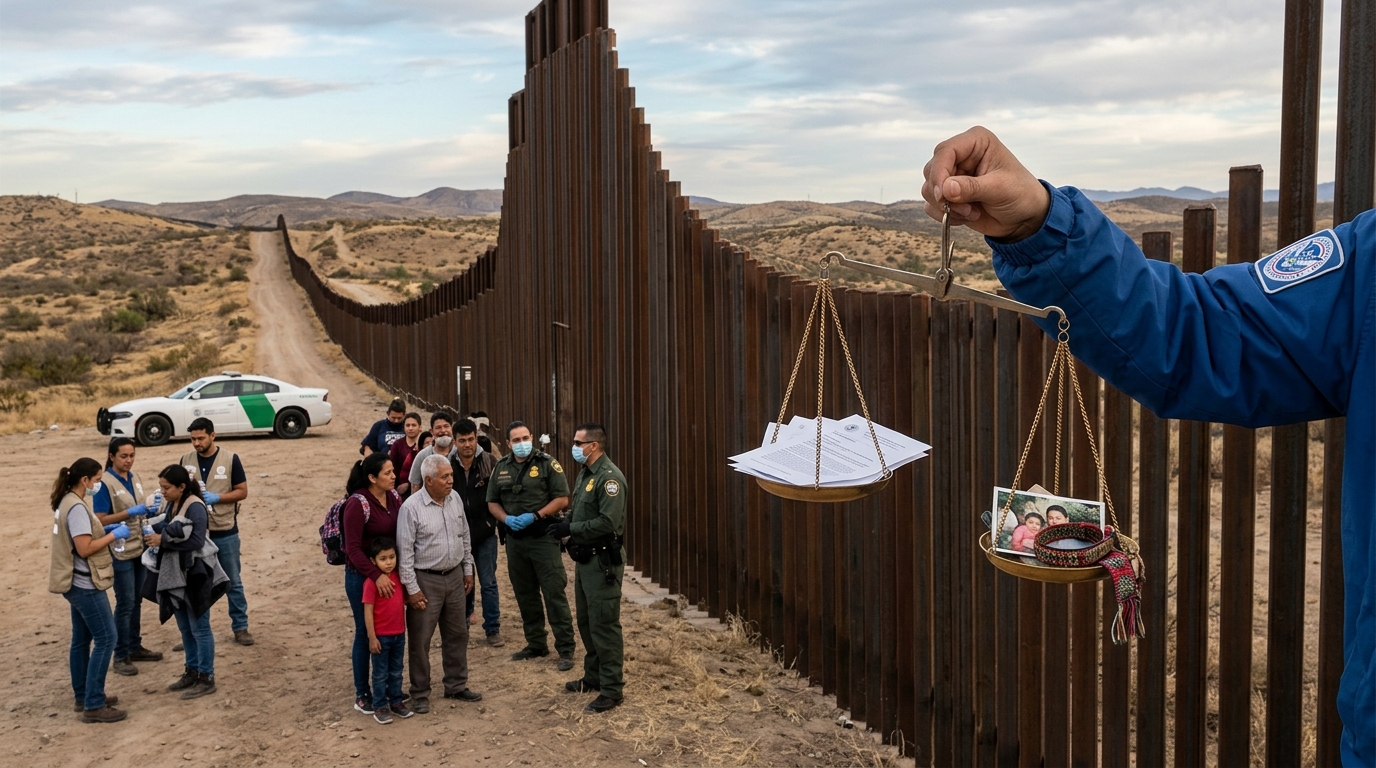
The physical geography of the southwestern borderlands presents a formidable, and increasingly lethal, barrier to those attempting to seek refuge or economic opportunity outside of designated ports of entry. In a well-documented phenomenon known among sociologists and policy analysts as the “funnel effect,” decades of intensified security measures, massive wall construction, and high-tech surveillance in urban corridors have systematically redirected migration routes into the most isolated, rugged, and inhospitable environments imaginable.
The Sonoran Desert, characterized by wild temperature fluctuations, treacherous topography, and an almost total absence of natural water sources, has tragically transformed into a vast, unmarked expanse of human loss. The physiological toll on the human body in these extreme environments is catastrophic. Severe dehydration, hyperthermia during the blistering days, and hypothermia during the freezing nights serve as the primary drivers of mortality. Medical examiners in border counties are perpetually overwhelmed by the monumental task of identifying remains, leaving countless families across the globe in a state of agonizing, indefinite limbo regarding the fate of their loved ones.
Official government and international statistics highlight the absolute severity of this ongoing crisis. According to a comprehensive assessment by the U.S. Government Accountability Office, U.S. Customs and Border Protection officially recorded 704 migrant deaths along the southwest border in fiscal year 2023 alone. Furthermore, the scope of this tragedy extends far beyond a single region. The human cost of irregular migration remains a staggering global crisis, with the International Organization for Migration reporting nearly 9,200 fatalities in 2024 on migration routes worldwide. It is universally acknowledged by humanitarian experts and academic researchers that these figures, while already deeply alarming, likely represent significant undercounts due to the sheer vastness of the desert terrain and the rapid natural decomposition of remains in such harsh, unrelenting climates.
The Intangible Barrier: State-Level Immigration Mandates and Racial Profiling
The militarization of the border extends far beyond physical barriers and desert patrols; it deeply permeates the daily lives of those living in border states through the mechanism of state-level immigration enforcement. When state and local police are deputized or legislatively mandated to enforce federal immigration laws, the foundational principles of impartial community policing are severely compromised. This dynamic inherently breeds an environment ripe for subjective enforcement and racial profiling.
Historical legislative efforts established a dangerous precedent by empowering local officers to demand proof of citizenship. When the legal threshold for a routine traffic stop or a casual street inquiry becomes entangled with an officer’s subjective assessment of a person’s immigration status, inherent racial biases take center stage. Individuals are frequently targeted not for actionable legal violations, but due to highly subjective judgments regarding their physical appearance, skin color, language, or accent. Consequently, Fourth Amendment protections against unreasonable searches and seizures are routinely tested and stretched to their absolute limits in these jurisdictions.
The psychological and societal trauma inflicted on Latino communities and other populations of color is profound and enduring. U.S. citizens, lawful permanent residents, and undocumented individuals alike find themselves subjected to aggressive questioning and unlawful detainment, fostering a pervasive climate of fear and alienation. This targeted harassment creates a dangerous “chilling effect” that undermines the very fabric of community cohesion. When marginalized residents become terrified of interacting with government officials, they systematically withdraw from public life. As a result, victims of severe crimes, including domestic violence and workplace exploitation, refuse to contact local law enforcement, fearing that seeking justice will inadvertently lead to their own deportation or the separation of their families. Ultimately, policies that implicitly encourage racial profiling do not enhance regional security; rather, they critically undermine public safety, erode institutional trust, and institutionalize systemic discrimination against minority groups.
Inside the System: The Overburdened Landscape of Immigration Detention
The trajectory of a migrant’s journey does not necessarily conclude upon apprehension by border officials; for a vast number of individuals, it merely marks the initiation into a sprawling and opaque system of prolonged incarceration. The United States operates the largest immigration detention network in the world, relying heavily on a complex combination of federal processing centers, county jails, and, most notably, privately operated, for-profit detention facilities.
Despite the fact that immigration detention is legally defined as a strictly administrative function intended to secure individuals for future immigration court proceedings, the physical conditions and daily realities within these facilities frequently mirror those of maximum-security criminal prisons. In fiscal year 2024, U.S. Immigration and Customs Enforcement (ICE) maintained an extraordinarily high average daily population, holding over 37,000 detained noncitizens across the nation. The widespread privatization of this industry has drawn intense, sustained scrutiny from human rights advocates, who convincingly argue that the profit-driven business model inherently disincentivizes adequate investment in detainee welfare, leading to severe and dangerous cost-cutting measures.
Reports from independent watchdogs and government oversight bodies consistently highlight critical deficiencies within the detention infrastructure. Detainees frequently endure agonizingly long waits for basic medical diagnostics and mental health care, rapidly exacerbating pre-existing traumas sustained during their perilous journeys. Furthermore, the persistent use of solitary confinement as an administrative or disciplinary tool against highly vulnerable populations—including young adults, LGBTQ+ individuals, and asylum seekers fleeing severe political persecution—remains a highly contentious and damaging practice. The extended and completely indefinite nature of this confinement inflicts severe psychological damage, leaving many individuals languishing for months or even years without a clear understanding of their legal standing, access to competent legal counsel, or a definite timeline for their release.
Civilian Vigilantism and the Criminalization of Compassion
The pervasive rhetoric surrounding border security and national sovereignty has not only influenced official state policy but has also catalyzed a dangerous surge in civilian vigilantism. Emboldened by inflammatory political discourse and largely unregulated online echo chambers, self-appointed militias and rogue civilian groups frequently conduct armed patrols through remote desert regions. Operating entirely outside the bounds of authorized law enforcement or legal jurisdiction, these individuals unlawfully take it upon themselves to police the borderlands.
These unauthorized armed groups routinely harass, unlawfully detain, and intimidate suspected migrants, generating a highly volatile atmosphere that deeply threatens the safety of migrants, local residents, and formal authorities alike. The unchecked presence of these vigilantes systematically destabilizes border communities, breeding paranoia and normalizing extrajudicial aggression. Local activists and youth residing in border towns frequently report terrifying encounters with heavily armed civilians who rarely face substantial legal consequences for their overt acts of intimidation and implicit violence.
Concurrently, this toxic environment severely impacts the vital efforts of recognized humanitarian organizations. Groups that bravely venture into the extreme heat of the desert to provide life-saving aid—such as leaving jugs of water, thermal blankets, and basic medical supplies for stranded travelers—find themselves navigating a legally perilous landscape. They must avoid the hostile actions of unpredictable civilian militias while simultaneously fighting exhausting legal battles against the state, as their fundamental acts of human compassion are increasingly criminalized and prosecuted under the guise of harboring undocumented individuals or trespassing on restricted lands.
Reframing the Narrative: Toward Humane Border Governance
Addressing the complex and deeply entrenched crises at the United States-Mexico border demands a fundamental paradigm shift. Decades of empirical evidence and meticulous human rights documentation have clearly demonstrated that reliance on deterrence-only strategies—frameworks that implicitly utilize extreme environmental suffering and mass incarceration as primary enforcement mechanisms—does not effectively resolve the root causes of global migration. Instead, such punitive approaches tragically elevate the human death toll, enrich transnational smuggling syndicates, and deeply fracture the foundational trust within border communities.
A sustainable and genuinely humane path forward requires the implementation of comprehensive immigration reforms that prioritize human dignity above optical toughness. This includes systematically dismantling the legislative incentives for racial profiling within local law enforcement, significantly reducing the government’s reliance on privatized, for-profit detention centers, and aggressively expanding community-based alternatives to detention. Moreover, the absolute decriminalization of life-saving humanitarian aid is essential to preventing any further senseless loss of life in the desert. True border security cannot be achieved through systemic alienation or the steady erosion of civil liberties; it must be firmly rooted in operational transparency, strict adherence to international human rights standards, and a profound, unwavering respect for human life.
Summary of Border Policy Impacts
| Policy Strategy | Intended Outcome | Documented Human Impact |
|---|---|---|
| Urban Border Militarization | Deter unauthorized crossings at major ports of entry. | Creates a “funnel effect,” driving migrants into deadly desert terrain, vastly increasing exposure fatalities. |
| State-Level Enforcement Mandates | Identify and deport undocumented individuals at the local level. | Increases systemic racial profiling, instills widespread fear in communities of color, and actively discourages the reporting of local crimes. |
| Privatized Immigration Detention | House individuals securely pending immigration court hearings. | Leads to critical medical care deficiencies, severe overcrowding, and prolonged psychological trauma for detainees due to profit-driven cost-cutting. |
Frequently Asked Questions (FAQs)
- What is the “funnel effect” in the context of border migration?
The “funnel effect” refers to the direct consequences of heavily fortifying urban and traditionally safer border crossing points with massive walls and advanced surveillance. This strategy intentionally redirects migrants into attempting crossings through highly remote, hostile, and extremely dangerous terrains, such as the Sonoran Desert, drastically increasing the likelihood of fatal environmental exposure. - How does local immigration enforcement lead to racial profiling?
When local or state police are mandated to enforce federal immigration laws, officers must assess an individual’s legal status during routine encounters, such as minor traffic stops. This subjective assessment often relies heavily on inherent biases regarding physical appearance, spoken language, and ethnicity, leading to the disproportionate and unlawful targeting of Latino communities and other people of color. - Are immigration detention centers the same as criminal prisons?
Legally, immigration detention is strictly an administrative holding intended to ensure individuals appear for their scheduled immigration hearings, not a punitive measure for committing a crime. However, the physical conditions, heavy security protocols, and lack of personal freedom in these facilities often closely mirror those of traditional criminal prisons, leading to significant, ongoing human rights concerns. - Why is civilian vigilantism considered a threat in border regions?
Civilian vigilantes and unauthorized private militias operate completely outside of established legal boundaries and governmental oversight. Their heavily armed presence and aggressive, unregulated tactics toward suspected migrants and local residents create highly dangerous, unpredictable situations that undermine the rule of law, escalate the risk of lethal violence, and severely disrupt overall community safety.
References
- BORDER SECURITY: Additional Actions Needed to Evaluate the Missing Migrant Program (GAO-25-107548) — U.S. Government Accountability Office (GAO). 2025-04-07. https://www.gao.gov/products/gao-25-107548
- UN / IOM MIGRANT DEATHS 2025 — United Nations Audiovisual Library. 2026-02-26. https://media.un.org
- IMMIGRATION DETENTION: DHS Needs to Define Goals and Measures to Assess Facility Inspection Programs (GAO-25-107580) — U.S. Government Accountability Office (GAO). 2025-05-21. https://www.gao.gov/products/gao-25-107580
Similar Articles








Read full bio of Sneha Tete


