
Child Restraint and Seat Belt Regulations Across the US
Comprehensive guide to state-specific child car seat laws, federal updates, and safety best practices for protecting young passengers.
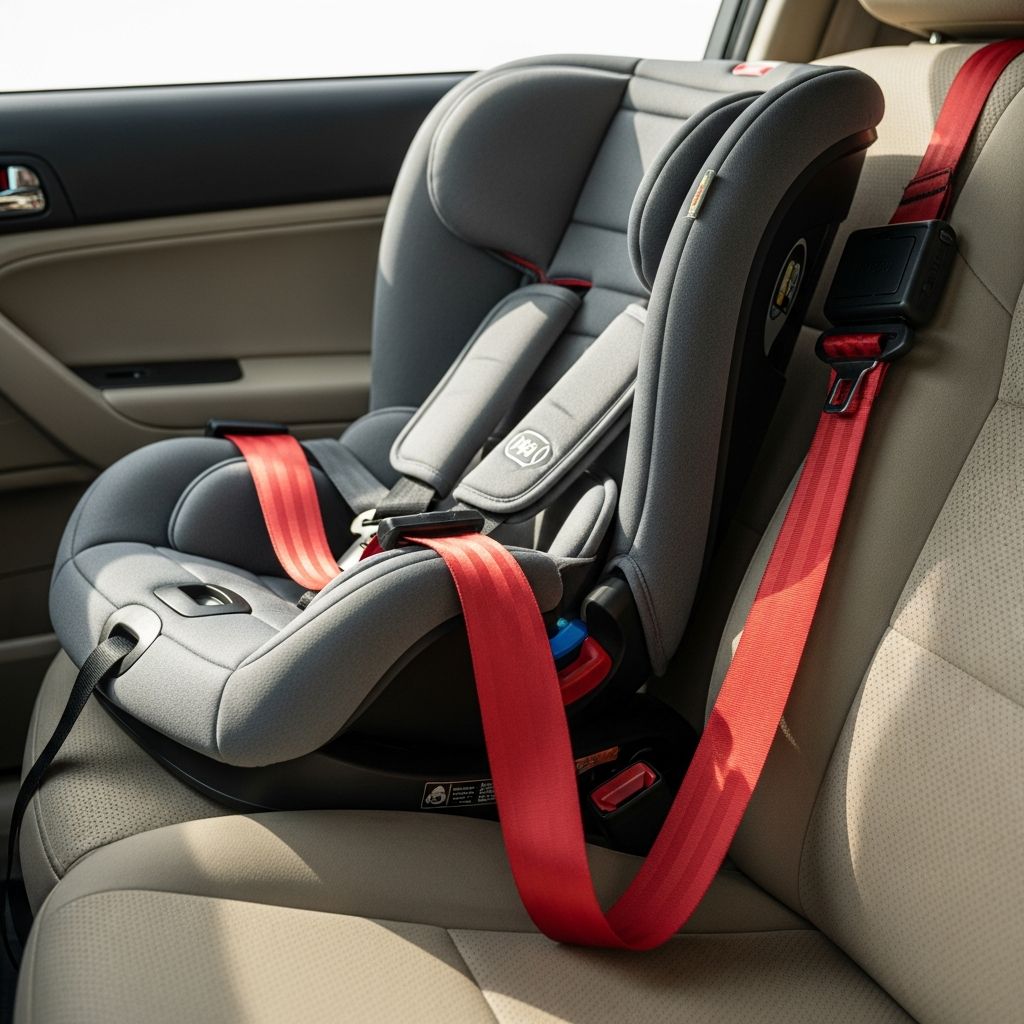
Protecting children in vehicles requires understanding a patchwork of state laws and federal guidelines that dictate proper use of car seats, boosters, and seat belts. These rules aim to minimize injury risks during crashes by matching restraints to a child’s age, size, and development stage. While federal standards set a baseline, states enforce specific requirements with penalties for noncompliance, making awareness essential for drivers.
Core Principles of Child Passenger Protection
Child safety in vehicles hinges on using the right restraint system at the right time. Rear-facing seats offer the best head, neck, and spine protection for infants by distributing crash forces over the strongest body parts. Transitioning to forward-facing seats, then boosters, prepares children for adult belts around age 13, when they fit properly in the back seat.
- Rear-Facing Priority: Infants and toddlers under 2 years should remain rear-facing until they exceed the seat’s height or weight limits, as this orientation reduces fatal injury risk by up to 70%.
- Booster Seats: These position the vehicle’s lap-shoulder belt correctly across a child’s pelvis and shoulder, preventing submarining under the belt in a crash.
- Back Seat Mandate: Children under 13 should ride in rear seats when available to avoid front airbag risks.
Federal recommendations from the National Highway Traffic Safety Administration (NHTSA) emphasize keeping children rear-facing as long as possible, transitioning gradually, and verifying proper fit before advancing stages.
Upcoming Federal Safety Enhancements for Car Seats
A significant update arrives on December 5, 2026, when all new car seats sold in the US for children under 40 pounds must comply with Federal Motor Vehicle Safety Standard (FMVSS) No. 213a. This mandates a rigorous 30 mph side-impact sled test simulating real-world collisions between vehicles.
The new protocol ensures seats better restrain children, limit head contact with doors or structures, and reduce chest forces. While existing seats remain safe if unexpired and undamaged, parents buying new ones post-2026 will benefit from enhanced side protection—critical since side crashes cause many child injuries.
| Aspect | Current FMVSS 213 | New FMVSS 213a (2026) |
|---|---|---|
| Test Speed | Frontal only | 30 mph side-impact |
| Child Weight Scope | Varies | Under 40 pounds |
| Key Protections | Frontal crash | Head excursion, chest forces |
| Compliance Deadline | N/A | Dec 5, 2026 |
Manufacturers are adapting, with many already compliant. Parents should check recalls via NHTSA tools and use resources like the agency’s seat finder for matches.
State Variations in Child Restraint Mandates
No two states align perfectly on child seat laws; requirements blend age, height, weight, and vehicle type. Most cover children to age 16 in all seats with primary enforcement, meaning police can stop drivers solely for violations. Drivers bear responsibility for minors under 16, regardless of relation.
Best-practice states require rear-facing until at least age 2, boosters to 8-9 years or 4’9″ height, and rear seating to 13. Exemptions rarely apply to taxis or rentals; pickups must secure kids in cab seats.
Examples of Diverse State Requirements
- California: Under 2 years or 40 lbs/40 inches: rear-facing. Under 8: booster or seat in back. 8 years or 4’9″: seat belt minimum.
- Alabama: Under 1/20 lbs: rear-facing; 1-4/20-40 lbs: forward-facing; 5: booster; 6+: belt.
- New York: Under 2: rear-facing; 2-3: forward; 4-7: booster unless 57″ or 80 lbs; back seat priority under 8/57″.
- Colorado: Rear-facing to 2/40 lbs; forward 2-3/20+ lbs; 4-8/40+ lbs: booster; 9+: belt.
These snapshots highlight nuances—always verify local statutes, as updates occur. Fines range $10-$500 first offense, plus points in some areas.
Selecting and Installing the Correct Restraint
Choosing a seat involves matching manufacturer limits to your child’s size, then installing correctly—80% of seats are misused per NHTSA data. Opt for seats with high crash-test ratings from independent groups, ensuring LATCH compatibility for easier setup.
- Measure height/weight against seat specs.
- Prefer convertibles or all-in-ones for longevity.
- Install rear-facing in back using LATCH or belt; forward/booster similarly.
- Check belt fit: lap low across hips, shoulder across chest—not neck.
- Register for recall alerts; inspect expiration dates (6-10 years).
Practice the “five-point check”: all buckles secure, no slack, chest clip level, handles down, base immovable (<1 inch movement).
Penalties and Enforcement Across States
Violations carry fines, points, or court, escalating for repeats. Primary laws in most states allow stops without other infractions, boosting compliance.
- First offenses: $25-$500, averaging $50-100.
- Some add 2-5 license points.
- Aggravated cases (injuries) invoke child endangerment charges.
Education often tempers penalties for first-timers; inspection stations offer free checks.
Best Practices Beyond Legal Minimums
Laws set floors; experts urge exceeding them. CDC and NHTSA advise rear-facing to max limits, boosters to 4’9″, back seats to 13. Avoid heat exposure damaging seats; replace after crashes.
For multiples, prioritize rear-facing youngest; taxis may need personal seats. Winter coats? Place over harness post-buckling only.
Frequently Asked Questions
At what age can a child switch from rear-facing to forward-facing?
Legally varies by state (often 1-2 years), but keep rear-facing until max height/weight for optimal safety.
Do new 2026 rules require replacing current car seats?
No—existing seats are effective if installed right and not expired. New sales only must comply.
Can children under 13 ride in the front seat?
Only if no rear seats available or all occupied by younger kids; otherwise, back seat required.
What if my child exceeds booster height before age 8?
Use adult belt if it fits properly (lap/shoulder correct); test with pinch rule—no slack.
Are taxis exempt from child seat laws?
Most states require compliance; bring your own seat as drivers aren’t obligated to provide.
This guide equips parents with knowledge to comply and protect. Consult NHTSA’s state law database and local enforcement for latest details.
References
- Child Passengers — Governors Highway Safety Association. 2024. https://www.ghsa.org/state-laws-issues/child-passengers
- What Are the Child Safety Car Seat Laws in Each State? — SafeWise. 2024. https://www.safewise.com/faq/child-baby-safety/child-safety-laws/
- New car seat regulations go into effect next year — ABC News. 2024-10-15. https://abcnews.go.com/GMA/Family/new-car-seat-regulations-effect-parents/story?id=122037162
- Child Safety Seats — California Highway Patrol. 2024. https://www.chp.ca.gov/programs-services/programs/child-safety-seats/
- What the New Child Car Seat Regulations Mean for Parents — Consumer Reports. 2024. https://www.consumerreports.org/babies-kids/car-seats/new-child-car-seat-regulations-a1477269248/
- Car Seat & Booster Seat Safety, Ratings, Guidelines — NHTSA. 2024. https://www.nhtsa.gov/equipment/car-seats-and-booster-seats
- Car Seat Recommendations for Children by Age & Size [PDF] — NHTSA. 2023. https://www.nhtsa.gov/sites/nhtsa.dot.gov/files/documents/carseat-recommendations-for-children-by-age-size.pdf
Similar Articles








Read full bio of medha deb


