The Unyielding Fight for Bodily Autonomy
Understanding the ongoing fight for reproductive rights and bodily autonomy.
Introduction to Bodily Autonomy
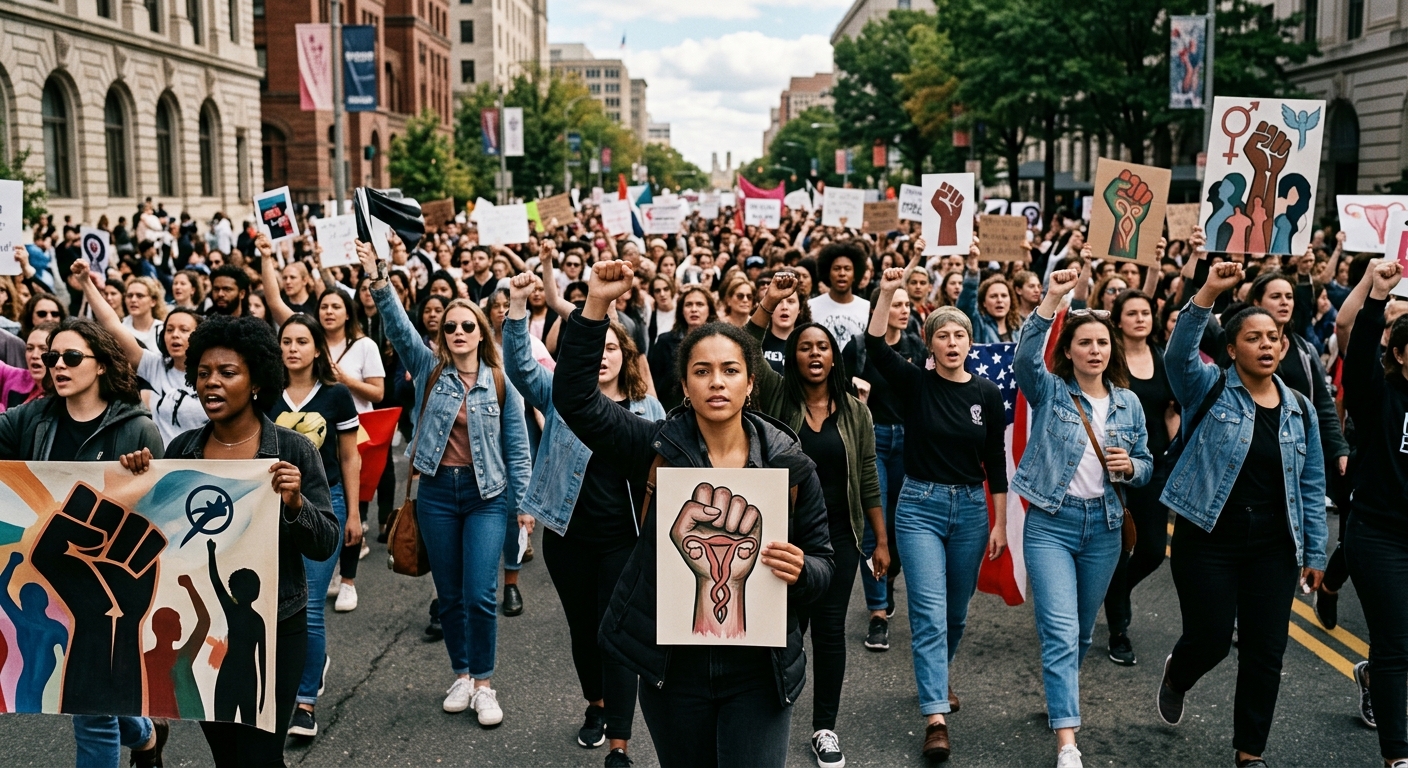
Bodily autonomy is widely regarded as one of the most fundamental pillars of human liberty. It is the simple yet profound principle that individuals possess the inherent right to govern their own physical bodies, free from external coercion or governmental overreach. Within this broad context lies the critical issue of reproductive freedom. The ability to make personal, deeply private decisions about pregnancy and family planning is not merely a matter of routine healthcare access; it is intricately interwoven with social equality, gender parity, and long-term economic stability.
Historically, organizations dedicated to civil liberties have fought relentlessly to protect these vital freedoms. The public dialogue surrounding reproductive health often centers heavily on complex legal jargon and high-stakes courtroom battles. However, behind the sweeping legislative mandates are real people whose lives are permanently altered by the availability or absence of adequate medical care. This article explores the multifaceted battle for reproductive rights, highlighting historical shifts, sweeping economic consequences, and why preserving these individual liberties remains one of the most pressing civil rights challenges of our era.
The Historical Landscape: From Shadows to Protection
Understanding the modern reproductive rights movement requires looking back at the centuries-long struggle for bodily autonomy. Prior to the late nineteenth century, early-stage pregnancy terminations were generally practiced without severe legal repercussions. However, a massive wave of criminalization consumed the nation in the mid-to-late 1800s, driven by organized moral panics and the professionalization of the medical field seeking to aggressively marginalize traditional practitioners and midwives.
By the mid-twentieth century, accessing abortion had become a dangerous, highly clandestine affair. Individuals with substantial financial means could often quietly secure safe medical care, while marginalized communities were systematically forced to resort to illicit procedures that frequently ended in severe physical trauma or death. This historical context is crucial for understanding why current legislative battles are so deeply entrenched in our political system.



The Future of AI: Preventing a Big Tech Monopoly >

The legal landscape shifted dramatically in 1973. The Supreme Court determined that a fundamental constitutional right to privacy extended to an individual’s decision to terminate a pregnancy. For nearly fifty years, this federal baseline of protection radically altered the trajectory of public health. Yet, access to healthcare was never entirely equitable across all demographics. Subsequent state-level legal rulings allowed local jurisdictions to impose restrictive waiting periods and enact heavily targeted regulations on abortion providers. These persistent legislative hurdles steadily chipped away at true reproductive freedom long before federal protections were ultimately dismantled.
The Turning Point: The Fall of Federal Protections
The fragile equilibrium established in the late twentieth century collapsed abruptly on June 24, 2022, when the Supreme Court issued its landmark decision in Dobbs v. Jackson Women’s Health Organization. The Court decisively declared that the United States Constitution does not confer a right to abortion, completely overruling decades of established legal precedent. The immense authority to regulate or outright ban abortion was abruptly thrust back into the hands of state legislatures.
The immediate aftermath was chaotic and devastating for the reproductive healthcare sector. Pre-written trigger laws were instantly activated in numerous states across the South and Midwest. Dedicated healthcare providers found themselves navigating a terrifying labyrinth of legal threats, facing criminal prosecution simply for providing necessary medical care that had been standard, safe practice for half a century.
This drastic paradigm shift resulted in a deeply fractured nation. A person’s right to control their reproductive destiny is now dictated almost entirely by geographical boundaries and state borders. Those living in states with strong protective measures continue to access necessary care safely. Meanwhile, millions of others are forced into nearly impossible situations: spending thousands of dollars traveling across multiple state lines, seeking medication outside the formal healthcare system, or carrying unwanted pregnancies to term completely against their will.
The Ripple Effects: Healthcare Deficits and Equality
The systemic denial of reproductive healthcare triggers a devastating cascade of consequences for patients and their families. One of the most immediate impacts is on general maternal health. The United States already struggles with a severe maternal mortality crisis, particularly among Black, Indigenous, and rural populations. According to the Centers for Disease Control and Prevention (CDC), the maternal mortality rate in the United States remains distressingly high, with deeply entrenched racial disparities persisting. Forcing individuals to carry pregnancies to term in a healthcare system actively failing marginalized groups drastically exacerbates these deadly outcomes.
Furthermore, these restrictive laws have created vast ‘maternity care deserts.’ In states implementing total abortion bans, numerous maternity wards are shutting down completely because obstetricians are fleeing jurisdictions where their specialized medical practice is heavily criminalized. This widespread exodus creates a severe lack of standard prenatal and emergency obstetric care, leading to much higher infant mortality rates and increased maternal morbidity for all pregnant people. These dire statistics highlight a profound failure in public health infrastructure.
The Turnaway Study and Economic Realities
Beyond the immediate physical health dangers, the economic implications of reproductive freedom are vast, measurable, and extensively documented by top scholars. When people cannot control when and if they have children, their ongoing participation in the labor force is severely compromised.
The widely respected Turnaway Study, spearheaded by dedicated researchers at the University of California, San Francisco (UCSF), rigorously analyzed the long-term impacts on individuals who received abortion care versus those who were turned away at clinics. The study’s findings are definitive. Individuals who are forcefully denied a wanted abortion are significantly more likely to experience severe and prolonged financial hardship.
Analysis published by the National Bureau of Economic Research (NBER) strongly corroborates these consequences, demonstrating that abortion denial directly leads to a sharp, sustained increase in financial distress for years. Participants who could not access necessary care experienced statistically higher rates of long-term debt, increased housing insecurity, evictions, and a significantly greater reliance on state public assistance programs. Their credit scores plummeted rapidly, and overall financial stability was severely compromised. These objective data points unequivocally prove that bodily autonomy is intrinsically linked to economic self-sufficiency. Removing the ability to plan one’s family effectively strips individuals of their fundamental economic agency.
The Modern State Policy Landscape
To fully understand the current environment, one must closely examine the diverse approaches state governments have taken recently. The legislative landscape changes rapidly, but clear, general categories of state policies have emerged that dictate public health outcomes.
Current State Policy Classifications
- Total Bans: Jurisdictions where abortion is completely outlawed at all stages of pregnancy, often with absolutely no exceptions for rape or incest. These strict states feature harsh criminal penalties for medical providers.
- Gestational Restrictions: States that forcefully ban the medical procedure after a specific point, such as six or fifteen weeks. Six-week bans effectively operate as total bans because the vast majority of individuals do not realize they are pregnant before the critical six-week mark.
- Sanctuary States: Progressive states that have proactively codified reproductive rights directly into their state constitutions. These jurisdictions implemented robust ‘shield laws’ designed specifically to protect local medical providers and traveling patients from out-of-state litigation or extradition attempts.
The Voices That Matter: Breaking the Silence
At the absolute heart of the reproductive rights movement are the courageous personal stories of everyday people who have navigated this fraught healthcare system. For decades, the public narrative surrounding reproductive choices has been heavily wrapped in systemic shame and societal silence. Modern advocacy efforts, however, increasingly focus on breaking this silence by continuously amplifying authentic, personal testimonies.
When individuals bravely come forward to publicly explain their medical decisions, they effectively demystify the entire experience. These profound testimonies reveal that the exact reasons for seeking reproductive healthcare are highly varied. Some patients act out of dire financial necessity, knowing they cannot afford a dependent. Others make the incredibly difficult choice to protect their deteriorating physical or mental health. A significant majority are already parents actively prioritizing the financial and emotional stability of the children they are currently raising.
These generously shared stories of personal liberation and bodily autonomy are utterly vital. They directly counter the sterilized, hypothetical narratives frequently constructed by detached lawmakers. Sharing authentic lived experiences fosters broad societal empathy, highlighting that such medical procedures are a very normal, necessary component of comprehensive healthcare.
Frequently Asked Questions (FAQs)
What exactly does bodily autonomy mean in healthcare?
Bodily autonomy refers to the fundamental human right of individuals to absolutely govern their own physical bodies without unwarranted external influence or aggressive governmental restriction. In clinical healthcare, this crucial principle means having the ultimate authority to confidently make informed decisions regarding all medical treatments and family planning without overreaching state interference.
How did the Dobbs decision systematically alter reproductive rights?
The highly controversial 2022 Supreme Court ruling in Dobbs v. Jackson Women’s Health Organization officially eliminated the long-standing federal constitutional protection for safe abortion access. By forcefully returning sweeping authority to individual state legislatures, it created a chaotic, deeply unequal landscape where life-saving medical care is severely restricted or banned entirely for millions.
Why do researchers focus so heavily on the economic impacts?
Studying the exact economic outcomes provides highly measurable, objective data on how the loss of bodily autonomy directly affects society at large. Rigorous economic research demonstrates repeatedly that denying medical care directly leads to dramatically increased poverty, widespread housing insecurity, and severely prolonged financial distress for families.
What important role do personal narratives play in legal advocacy?
Personal narratives successfully humanize highly complex, dry legal debates. By bravely sharing their diverse lived experiences, individuals actively break down the toxic, pervasive stigma associated with reproductive choices, effectively reminding the general public that real people are traumatically impacted by restrictive health policies.
Conclusion
The ongoing fight for reproductive freedom is ultimately a fight for the fundamental human right to successfully direct the course of one’s own life and future. While the sudden dismantling of long-standing federal protections has undoubtedly ushered in a uniquely challenging era for civil rights, massive grassroots advocacy remains highly resilient. Through rigorous, sustained legal challenges, incredibly comprehensive economic research, and the transformative power of genuine personal storytelling, the nationwide movement continues to aggressively push back against all restrictive mandates. Ensuring that absolutely every individual, regardless of their specific geographical location or socioeconomic status, has guaranteed access to the reproductive healthcare they require is absolutely essential for building a truly just, equitable, and completely free society. This ongoing struggle demands sustained attention, education, and unwavering commitment from policymakers and citizens alike to restore these essential rights on a national scale.
References
- Dobbs v. Jackson Women’s Health Organization, 597 U.S. 215 (2022) — Supreme Court of the United States. 2022-06-24. https://www.supremecourt.gov/opinions/21pdf/19-1392_6j37.pdf
- Maternal Mortality Rates in the United States, 2022 — Centers for Disease Control and Prevention (CDC). 2024-05-02. https://www.cdc.gov/nchs/data/hestat/maternal-mortality/2022/maternal-mortality-rates-2022.htm
- The Economic Consequences of Being Denied an Abortion — National Bureau of Economic Research (NBER), Miller, S., Wherry, L. R., & Foster, D. G. 2020-01-17. https://www.nber.org/papers/w26662
- UCSF Turnaway Study Shows Impact of Abortion Access on Well-Being — University of California, San Francisco (UCSF). 2022-11-14. https://www.ucsf.edu/news/2022/06/423161/ucsf-turnaway-study-shows-impact-abortion-access-well-being
Similar Articles








Read full bio of medha deb