
Unsanitary Workplaces: When to Contact OSHA
Discover your rights and steps to take when facing unclean work conditions that threaten health and safety.
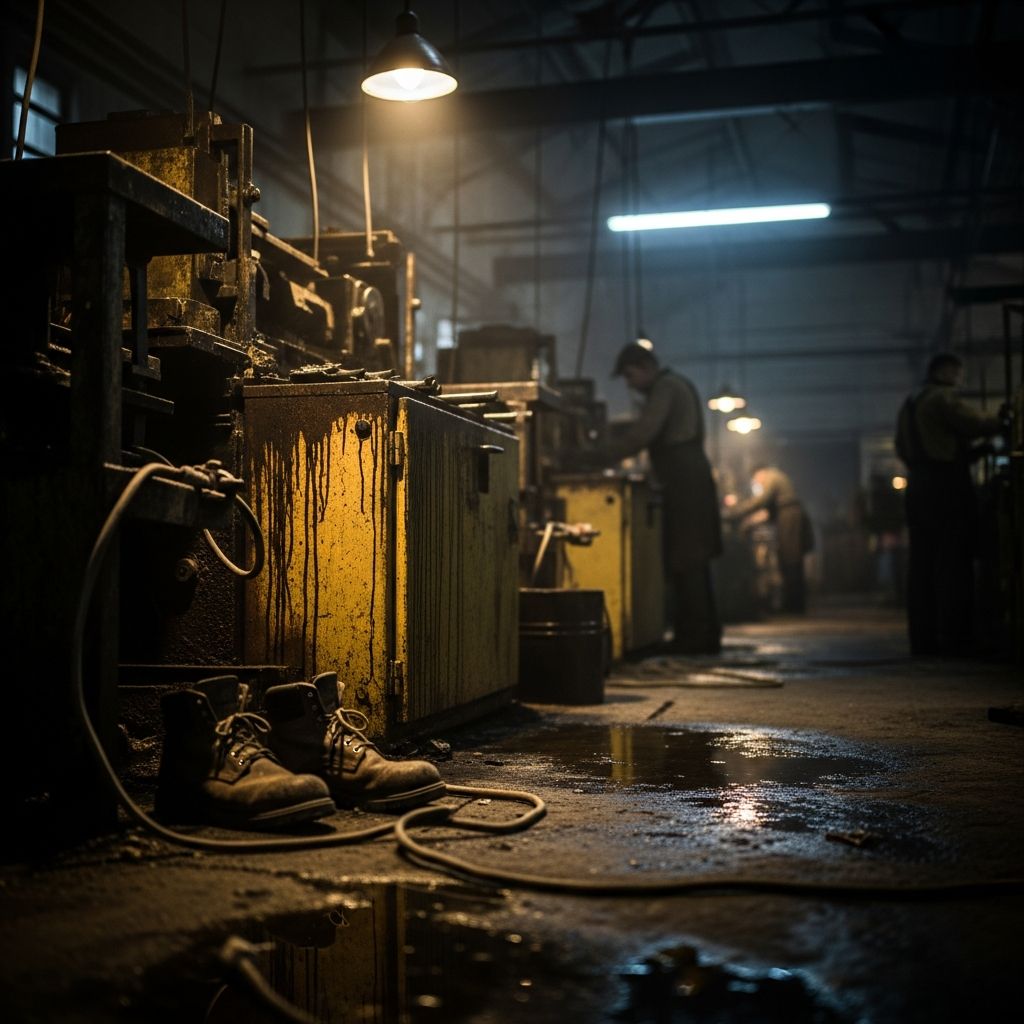
Workplaces plagued by filth, clutter, or poor hygiene can pose serious health risks, from respiratory issues to infections. The Occupational Safety and Health Administration (OSHA) enforces federal standards to maintain clean and safe environments, obligating employers to address sanitation hazards promptly.
Recognizing Sanitation Violations in Your Job Site
Cumulative dirt, mold growth, pest infestations, or overflowing waste signal potential OSHA breaches. Federal guidelines mandate clean floors, proper waste disposal, and ventilation to prevent airborne contaminants. Employees in food service, manufacturing, or healthcare often encounter these issues first.
- Accumulation of trash or debris that blocks walkways.
- Visible mold or mildew on walls and ceilings.
- Rodent droppings or insect presence near work areas.
- Inadequate cleaning of restrooms or break rooms.
- Leaking pipes causing slippery, bacteria-prone floors.
These conditions not only violate general duty clauses but can lead to specific standard infractions under OSHA’s sanitation rules.
Employer Duties for Maintaining Clean Work Environments
Employers must proactively inspect sites, implement cleaning protocols, and supply protective gear like gloves or masks where needed. This includes regular housekeeping to keep surfaces dry and free of hazards, as outlined in OSHA’s walking-working surfaces standards.
| Employer Obligation | OSHA Requirement | Potential Consequence of Non-Compliance |
|---|---|---|
| Daily cleaning schedules | Keep floors clean and dry | Slips, falls, infections |
| Waste removal | Proper disposal to avoid pests | Health outbreaks, fines |
| Ventilation maintenance | Control dust and fumes | Respiratory illnesses |
| Employee training on hygiene | Hazard recognition programs | Increased injury rates |
Failure to uphold these duties exposes businesses to citations and penalties, emphasizing the need for documented safety programs.
Your Legal Protections Under Federal Safety Laws
OSHA guarantees workers the right to a hazard-free environment, including sanitary conditions. Employees can access training materials, injury logs, and medical records upon request. Crucially, anti-retaliation provisions shield those who report issues.
Key rights include:
- Anonymous complaint filing without employer notification.
- Participation in inspections alongside OSHA officers.
- Refusal to work in imminent danger zones.
- Access to free consultation services for small businesses.
Step-by-Step Guide to Reporting Dirty Conditions
Before escalating to OSHA, document evidence with photos, dates, and witness notes. Notify your supervisor in writing first, allowing reasonable correction time—typically 24-48 hours for urgent filth.
- Gather proof: Timestamped images of unclean areas.
- Internal report: Submit via email or form, copying HR.
- Follow up: Request acknowledgment and timeline.
- OSHA submission: Use online portal at osha.gov or call 1-800-321-OSHA.
- Monitor response: Expect inspection within 30 days for serious cases.
Complaints can remain confidential, triggering off-site reviews or full audits.
OSHA’s Response Process and Inspection Details
Upon receiving a report, OSHA prioritizes based on severity: imminent dangers prompt immediate action, while sanitation issues fall under high-priority if health-impacting. Compliance officers evaluate conditions, interview staff privately, and issue citations with abatement deadlines.
During visits:
- Review records like injury logs (Form 300).
- Sample air or surfaces for contaminants.
- Assess equipment and personal protective equipment (PPE) usage.
Employers receive violations categorized as serious (up to $15,625 fines) or willful (up to $156,259), with repeat offenders facing escalated penalties.
Potential Outcomes and Corrective Actions
Post-inspection, employers must post citations visibly and verify fixes via documentation. Common remedies include deep cleans, pest control hires, or facility upgrades. Workers benefit from safer spaces, reduced absenteeism, and boosted morale.
In severe cases, OSHA mandates temporary shutdowns until compliance. Successful reports have led to over 30,000 workplace improvements annually through inspections.
Employee Responsibilities in Fostering Clean Workplaces
Safety is collaborative: report hazards immediately, use provided PPE, and adhere to protocols. Avoid contributing to mess by proper waste disposal and prompt spill cleanups.
- Attend mandatory safety trainings.
- Wear required gear in contaminated zones.
- Voice concerns during safety meetings.
State-Specific Variations and Cal/OSHA Examples
While federal OSHA covers most, 22 states operate approved plans with stricter rules, like California’s Cal/OSHA requiring injury prevention programs and immediate serious incident reports. Check your state’s labor department for localized sanitation mandates.
Navigating Retaliation and Legal Recourse
If facing demotion or threats post-report, file a whistleblower complaint within 30 days via OSHA’s portal. Investigations ensure no reprisals for exercising rights. Consult unions or employment attorneys for additional support.
Preventive Measures for Employers and Workers
Proactive strategies avert violations: implement daily checklists, conduct monthly audits, and foster reporting cultures. Training on hazard recognition empowers teams.
| Preventive Action | Benefit | Frequency |
|---|---|---|
| Housekeeping audits | Early hazard detection | Weekly |
| PPE inventories | Compliance assurance | Monthly |
| Safety committees | Employee input | Quarterly |
Frequently Asked Questions (FAQs)
What qualifies as an unsanitary workplace under OSHA?
Conditions like persistent filth, pests, or poor ventilation that could cause illness or injury violate general duty and sanitation standards.
Can I report anonymously to OSHA?
Yes, complaints are confidential unless you request disclosure, protecting your identity from employers.
How long does an OSHA inspection take?
Typically 4-6 hours, involving walkthroughs, interviews, and evidence collection.
What if my employer ignores my internal complaint?
Proceed directly to OSHA filing; document all prior communications as evidence.
Does OSHA cover office environments?
Yes, all private sector workplaces fall under jurisdiction, including offices with mold or clutter issues.
Are there fines for OSHA violations?
Serious violations incur up to $16,131 per instance as of 2024 adjustments, higher for willful acts.
References
- Cal/OSHA | Overview of Employer Responsibilities — California Department of Industrial Relations. 2023. https://www.dir.ca.gov/dosh/employerinformation.htm
- OSHA Regulations and Responsibility — EasyLlama. 2024. https://www.easyllama.com/chapter/osha-regulations-and-responsibility
- The Role of OSHA: Ensuring a Safe Work Environment — Georgia Tech Professional Education. 2023-10-01. https://pe.gatech.edu/blog/industry-trends/what-is-osha
- What is OSHA? A Comprehensive Guide to Workplace Safety — SiteDocs. 2024. https://www.sitedocs.com/blog/what-is-osha/
- Employee Rights and Responsibilities — National Safety Council. 2022. https://www.nsc.org/getmedia/352259ed-eaa4-4fbc-9cfc-3be112b0ad95/employee-rights-responsibilities-english.pdf.aspx
- 1960.10 – Employee responsibilities and rights — OSHA. 2024. http://www.osha.gov/laws-regs/regulations/standardnumber/1960/1960.10
- OSHA Worker Rights and Protections — OSHA. 2024. http://www.osha.gov/workers
Similar Articles








Read full bio of Sneha Tete




