
Consequences of Unpaid Property Taxes in Missouri
Understand the penalties, liens, tax sales, and redemption options if you miss property tax payments in Missouri.
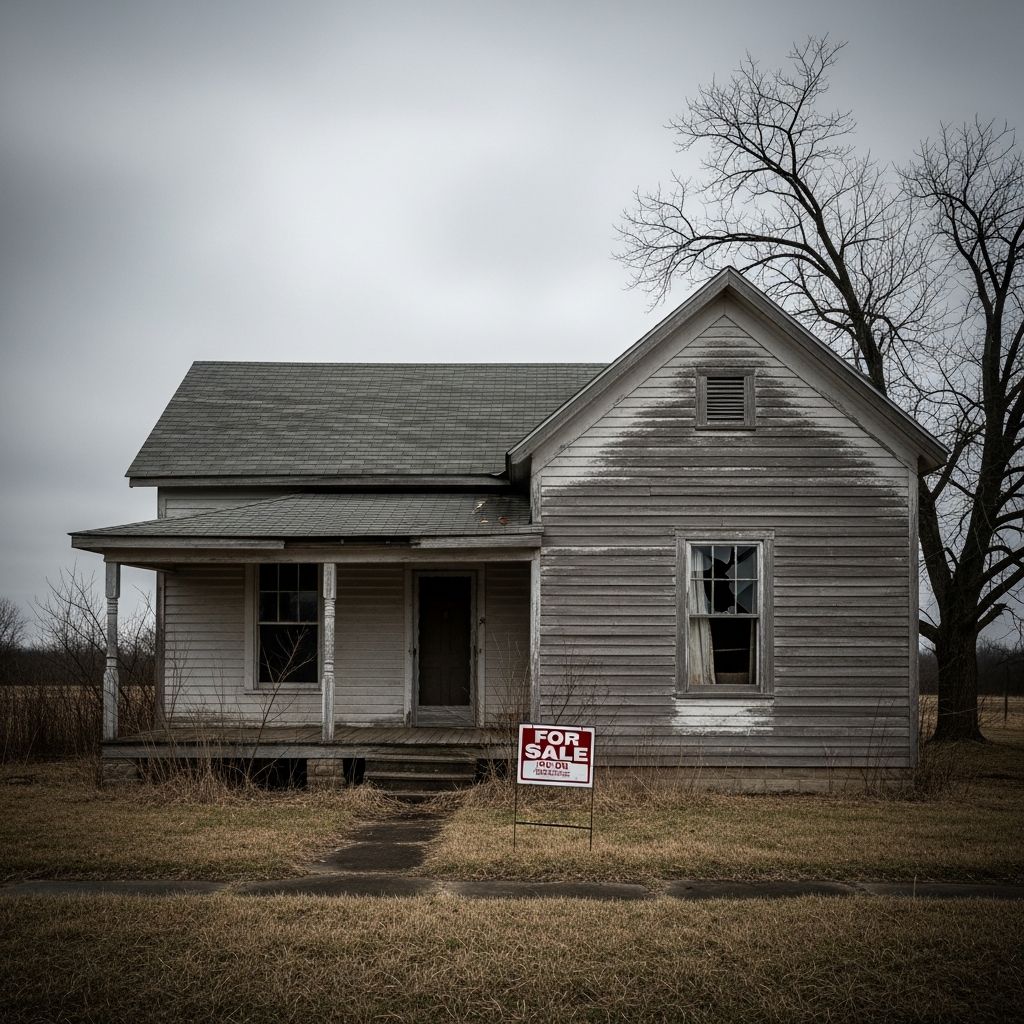
Property taxes in Missouri fund critical public services like education, infrastructure, and emergency response. When payments lapse after the December 31 deadline, a cascade of financial penalties and legal actions unfolds, potentially culminating in the loss of property ownership. Homeowners must grasp these processes to safeguard their assets.
Why Property Taxes Matter and How They’re Calculated
These levies are based on a property’s assessed value, determined annually by local assessors. The tax rate, set by jurisdictions, varies but supports schools (often the largest portion), county services, and special districts. For mortgaged properties, escrow accounts typically handle payments seamlessly; otherwise, owners pay directly to the county collector by year-end.
Failure to pay disrupts local funding and triggers enforcement. Missouri statutes mandate prompt collection to maintain fiscal stability across counties.
Initial Financial Repercussions: Penalties and Interest
Starting January 1, unpaid balances incur a 2% monthly penalty alongside 18% annual interest, compounding the debt rapidly. These charges, outlined in state law, apply regardless of receiving a bill—owners bear responsibility for timely payment.
- Penalty Structure: 2% per month on the principal.
- Interest Rate: 18% per year, calculated daily.
- Partial Payments: Accepted, but fees apply only to remaining balances; appeals may adjust liability post-payment.
In counties like Jackson, partial remittances reduce accruing costs proportionally. However, collectors lack waiver authority except for specific cases, such as active military within six months of deployment return.
The Rise of Tax Liens on Your Property
Unresolved delinquencies create a superior lien on the property, outranking mortgages and other encumbrances. This legal hold secures the debt, alerting lenders and complicating sales or refinances. Liens persist until full settlement, including all fees.
| Timeline | Action | Impact |
|---|---|---|
| Jan 1 – Delinquency Notice | Penalty/Interest Begins | Credit score affected; lien recorded |
| 1-3 Years | Tax Sale Preparation | Public notices issued; bidding process starts |
| Post-Sale | Redemption Window | Owner payoff opportunity |
Tax Sale Procedures: From Notice to Auction
County collectors initiate sales for delinquencies over one year old, though three years is standard unless accelerated. Properties are auctioned publicly, often online, to recover taxes plus costs. Bidders purchase certificates, not immediate title, preserving owner rights temporarily.
- Notice Requirements: Mailed and published announcements detail amounts owed and sale dates.
- Bid Process: Minimum bid covers taxes; overbids possible, with surplus potentially refundable.
- Sale Types: First/second offerings yield longer redemption; third sales shorten it to 90 days.
Prevention remains viable pre-sale via full payment. Postponements occur if bids fail minimum thresholds.
Redemption Rights: Your Window to Retain Ownership
Missouri provides post-sale redemption, varying by auction round. Standard one-year periods follow first or second sales, allowing payoff of bid amount, taxes, and fees to reclaim title. Third sales compress this to 90 days; subsequent auctions eliminate it entirely.
Special extensions apply:
- Minors/Incapacitated: Up to five years from last payment by guardian or self.
- Disabled Individuals: Similar extended grace periods.
Failure to redeem transfers title via collector’s deed. Purchasers may resell or occupy, ending owner claims.
County Variations and Special Programs
While state law governs, counties implement nuances. Jackson County offers seniors quad payments penalty-free. Jefferson emphasizes bill receipt independence. Appeals don’t halt penalties unless prepaid; successes yield refunds on overages.
Military exceptions permit waivers post-deployment. No broad prorating exists statewide.
Protective Strategies for Homeowners
Proactive Payment Plans
Escrow utilization, installment queries, or pre-appeal deposits mitigate risks. Contact collectors early for options.
Legal Recourse and Appeals
Challenge assessments via Board of Equalization, then State Tax Commission. Pay under protest to preserve rights without penalty accrual on disputed sums.
Bankruptcy Considerations
Chapter 13 may reorganize debts, but liens survive discharge. Consult professionals promptly.
Frequently Asked Questions About Missouri Property Tax Delinquencies
What if I never receive my tax bill?
You’re still liable; contact the collector by November’s end to resolve. Penalties accrue January 1 regardless.
Can penalties be waived?
Limited to military cases or assessor-waived personal property reporting failures. Collectors can’t abate real property fees.
How do I redeem after a tax sale?
Pay the purchaser’s bid, plus ongoing taxes/fees, within the allotted period—one year typically for early sales.
Does a successful appeal erase penalties?
No; penalties apply to initial amounts due. Refunds cover overpayments post-resolution.
What happens if no one bids at the sale?
Property may return to collector ownership or re-auction, shortening or eliminating redemption.
Long-Term Implications and Recovery
Beyond financial loss, tax sales blemish credit, hinder future borrowing, and may trigger eviction. Surplus funds from high bids require claims within statutes. Prevention via budgeting, assistance programs (e.g., senior circuits), or sales precedes escalation.
Homeowners facing hardship should seek county relief, legal aid, or financial counseling. Missouri’s framework balances revenue needs with owner protections, but inaction invites irreversible outcomes.
References
- Revised Statutes of Missouri, RSMo Section 140.100 — Missouri Revisor of Statutes. 2025. https://revisor.mo.gov/main/OneSection.aspx?section=140.100
- Revised Statutes of Missouri, RSMo Section 139.100 — Missouri Revisor of Statutes. 2025. https://revisor.mo.gov/main/OneSection.aspx?section=139.100
- Collection Department Guidelines — Jackson County Government, MO. Accessed 2026. https://www.jacksongov.org/Government/Departments/Collection
- Fees and Penalties FAQ — Missouri State Tax Commission. Accessed 2026. https://stc.mo.gov/faq/what-fees-and-penalties-may-i-owe/
- Personal Property Tax FAQ — Jefferson County Collector, MO. Accessed 2026. https://www.jeffcomo.gov/Faq.aspx?QID=84
Similar Articles








Read full bio of medha deb


