
Consequences of Unpaid Property Taxes in Wisconsin
Understand the risks of delinquent property taxes in Wisconsin, from liens and penalties to potential foreclosure and redemption rights.
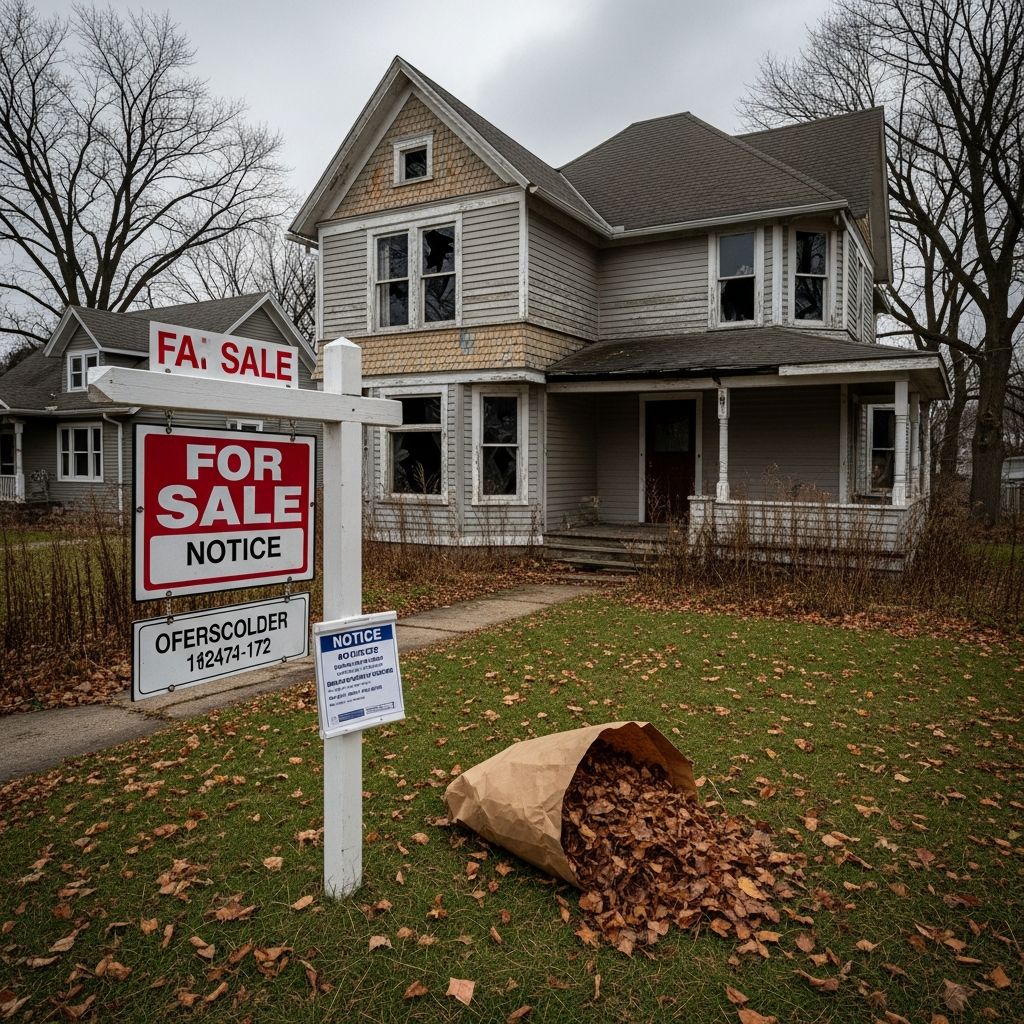
Property taxes fund essential local services in Wisconsin, and failing to pay them triggers a series of escalating enforcement measures by county treasurers. These steps begin with financial penalties and can culminate in the county seizing and selling your property to recover the debt. Homeowners generally have opportunities to resolve delinquencies, but ignoring notices risks permanent loss of ownership. This guide outlines the progression of events, legal timelines, costs involved, and strategies to regain control of your property.
Understanding Property Tax Obligations and Initial Delinquency
Property taxes in Wisconsin are billed annually, typically due by the end of January for the full amount or in installments where available, such as in cities like Madison. Missing the deadline—often January 31—marks your taxes as delinquent, even if you did not receive a bill, as failure to get notice does not excuse payment.
Delinquent taxes immediately create a lien on the property, prioritizing collection ahead of most other debts. Counties apply interest at 1% per month and penalties, often totaling 1.5% monthly on the unpaid balance from February 1. For example, in Dane County, this combined charge accrues monthly until paid. These costs compound quickly; a $5,000 delinquency could add hundreds in fees within months.
- Key Initial Penalties: 1.5% monthly interest and penalty from February 1.
- Installment Failures: Missing any installment (e.g., second due in July) accelerates the entire balance to delinquent status.
- No Grace for Non-Receipt: Tax bills’ delivery issues do not waive obligations.
Issuance of Tax Certificates: The First Major Step
By September 1 each year, the county treasurer issues tax certificates for all parcels with unpaid taxes as of August 31. This certificate formalizes the lien and signals impending action. Homeowners receive mailed notice within 90 days, detailing the delinquency and next steps.
Tax certificates enable counties to pursue recovery aggressively. While held, they accrue further charges. This stage provides a critical window for payment before more severe measures. Counties like Price emphasize limited forgiveness options for interest and penalties.
| Timeline Milestone | Date | Action |
|---|---|---|
| Taxes Due | January 31 | Full payment or first installment |
| Delinquency Starts | February 1 | Interest and penalties begin |
| Tax Certificate Issued | September 1 | Lien formalized |
| Notice Mailed | Within 90 days of certificate | Homeowner alerted |
Redemption Opportunities: Time to Pay and Avoid Escalation
Following the tax certificate, a redemption period—typically at least two years—allows payment of back taxes, interest, penalties, and fees to reclaim clear title. The exact duration varies by county process but offers substantial time to resolve issues, such as through payment plans where available.
Costs during redemption include original taxes plus statutory charges. Paying promptly during this phase prevents county acquisition. For instance, under Wis. Stat. § 75.01, redemption covers unpaid amounts and authorized additions. Missing this window shifts control to the county.
County Acquisition Methods: Tax Deeds and Foreclosure
Wisconsin operates primarily as a tax deed state, where counties can obtain full property deeds after redemption expires. Two main paths exist:
- Administrative Tax Deed: County applies to the clerk for a deed post-notice, then records it (Wis. Stat. §§ 75.12, 75.14).
- Judicial Foreclosure: Court process resembling mortgage foreclosure, with published notices, owner response rights, and judgment (Wis. Stat. § 75.521).
Once acquired, the county becomes owner and prepares to sell, often at auction, to recoup losses (Wis. Stat. § 75.35). Buyers at these sales take clean title, extinguishing prior ownership claims.
Post-Foreclosure: Property Sales and Surplus Proceeds
A major 2023 U.S. Supreme Court ruling in Tyler v. Hennepin County declared unconstitutional the retention of surplus sale proceeds beyond owed taxes by governments. Wisconsin amended laws accordingly, now requiring counties to notify former owners of potential entitlements and distribute net proceeds after deductions.
Deductions include unpaid taxes, interest, penalties, special assessments, forestry fees, and sale costs (Wis. Stat. § 75.36). Unclaimed funds escheat to the county after one year. This change provides financial relief, potentially returning significant sums if properties sell above debt levels.
Strategies to Resolve Delinquencies and Protect Your Home
Proactive steps can halt progression:
- Contact Treasurer Early: Negotiate plans; some areas offer installments without initial interest.
- Seek Exemptions or Hardship Relief: Limited programs exist for seniors, veterans, or low-income owners.
- Payment Plans: DOR options for delinquencies include fees but structured payoff.
- Legal Advice: Consult attorneys for disputes or redemption filings.
- Sell or Refinance: Use equity to settle debts before county action.
Counties like Douglas warn that missing early installments forfeits options and starts 1% monthly accrual. Walworth applies 1.5% consistently.
County Variations and Local Practices
While state statutes govern, counties implement nuances. Madison stresses postmark rules and full acceleration on late installments. St. Croix provides online tools for payments and credits. Always verify with your local treasurer for precise rates and procedures.
Frequently Asked Questions (FAQs)
What if I never received my tax bill?
You’re still liable; non-delivery doesn’t void the tax (WI Stat. 74.09(6)). Contact your treasurer immediately.
How much do penalties add up?
Typically 1.5% per month (interest + penalty) from February 1 until paid.
Can I get interest forgiven?
Only in rare cases per state rules; most counties do not.
What is the redemption amount?
Unpaid taxes + interest, penalties, and charges (Wis. Stat. § 75.01).
Do I get money if the county sells my home?
Yes, surplus proceeds after deductions, per recent law changes (Wis. Stat. § 75.36).
Preventing Delinquency: Best Practices for Wisconsin Homeowners
Automate payments, monitor bills online, and budget for annual assessments. Credits for principal residences or agriculture can reduce burdens. Awareness of these processes empowers homeowners to act decisively.
References
- What Happens If I Don’t Pay Property Taxes in Wisconsin? — Nolo. 2025. https://www.nolo.com/legal-encyclopedia/what-happens-if-i-dont-pay-property-taxes-wisconsin.html
- Wisconsin Statutes § 74.83 — Wisconsin Legislature. Accessed 2026. https://docs.legis.wisconsin.gov/document/statutes/74.83
- Delinquent Payments — City of Madison Finance. Accessed 2026. https://www.cityofmadison.com/finance/treasury/property-taxes/four-installment-payment-method/delinquent-payments
- DOR Delinquent Tax — Wisconsin Department of Revenue. Accessed 2026. https://www.revenue.wi.gov/Pages/FAQS/ise-delinq.aspx
- Property Tax Information — Price County, WI Official Website. Accessed 2026. https://www.co.price.wi.us/1088/Property-Tax-Information
- Frequently Asked Questions — Douglas County, WI. Accessed 2026. https://www.douglascountywi.gov/FAQ.aspx?QID=145
Similar Articles








Read full bio of Sneha Tete


