
Consequences of Unpaid Property Taxes in West Virginia
Understand the penalties, liens, sales, and redemption options if you miss property tax payments in West Virginia.
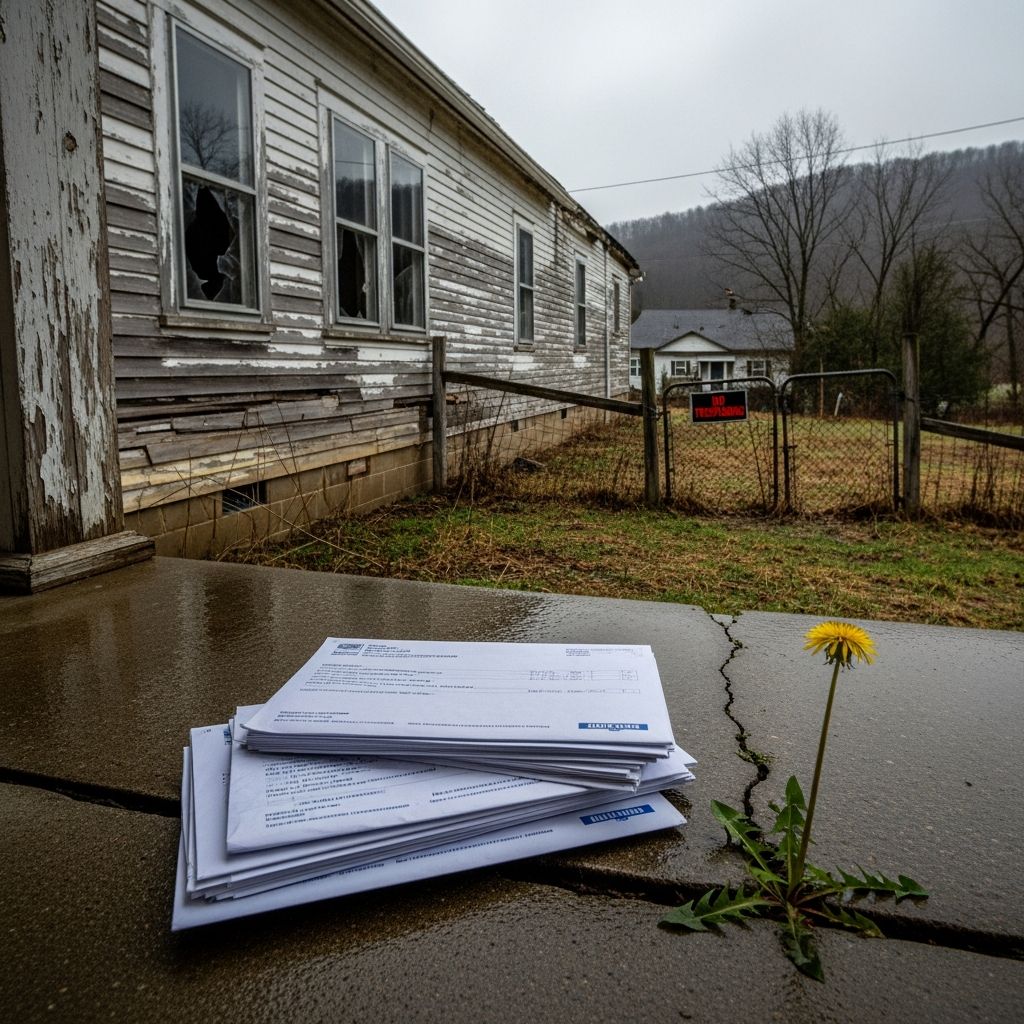
Property taxes fund essential public services in West Virginia, such as schools, roads, and emergency services. When these taxes remain unpaid, the state initiates a structured enforcement process to recover the owed amounts. This article explores the timeline, penalties, legal mechanisms, and options for resolution when property owners fall behind on payments.
Property Tax Payment Schedule and Initial Delinquency
West Virginia real property taxes are billed annually but payable in two equal installments. The first half is due by September 1, and the second by March 1 each year. Failure to pay by these deadlines triggers delinquency status: the first installment becomes delinquent on October 1, and the second on April 1.
Upon delinquency, penalties begin accruing immediately. The penalty structure starts at 2% for the first month and increases incrementally, reaching a maximum of 9% per year on the unpaid balance. These charges compound the debt, making prompt payment crucial to avoid escalating costs.
- First installment due: September 1 (delinquent October 1)
- Second installment due: March 1 (delinquent April 1)
- Initial penalty: 2% in the first month, up to 9% annually
Role of the County Sheriff in Tax Collection
The county sheriff serves as the primary enforcer for delinquent property taxes. As soon as taxes become delinquent, the sheriff is mandated to pursue collection using statutory methods outlined in West Virginia Code Chapter 11A. This includes the power of distraint, where the sheriff can seize personal goods or chattels belonging to the taxpayer to satisfy the debt.
For tenants or those holding property or funds owed to the delinquent taxpayer, the sheriff may issue a written demand for payment directly from those assets. This creates an immediate lien on rents, royalties, or other payments due to the taxpayer, preventing distribution until taxes are settled.
Sheriffs also compile and publish lists of delinquencies. By April 30, they must prepare detailed lists categorized by property type and submit them for public notice, often in local newspapers. This step notifies the public and pressures owners to pay before further action.
Certification to the State Auditor and Public Notification
Annually, by April 30 following the delinquency year, sheriffs certify unpaid real estate taxes to the West Virginia State Auditor. These lists include improperly assessed properties, other delinquent real estate, and miscellaneous delinquents.
The county commission reviews these lists for accuracy before certification, ensuring due process. Owners can redeem their names from these lists before newspaper publication by paying the full amount plus a minimal $3 fee. Post-review, certified copies are sent to the Auditor by June 1, paving the way for advanced enforcement.
Publication in newspapers serves multiple purposes: it informs owners of their delinquency, warns potential buyers, and fulfills legal notice requirements. Errors in these lists do not invalidate subsequent enforcement unless prejudice is proven.
The Delinquent Land Sale Auction Process
If delinquencies persist, the process advances to a sheriff’s tax lien sale, typically held in November following certification. At this public auction, the sheriff offers tax liens on the delinquent properties to the highest bidder.
Bidders pay the outstanding taxes, penalties, and interest, acquiring a lien rather than immediate title. This system prioritizes revenue recovery over property transfer. Recent legislative changes, effective around 2022, shifted oversight of these sales to the State Auditor, streamlining the process across counties.
| Stage | Timeline | Action |
|---|---|---|
| Delinquency | Oct 1 / Apr 1 | Penalties begin; sheriff notified |
| List Certification | Apr 30 | Sheriff certifies to Auditor |
| Publication | May 15 | County commission approves lists |
| Auction | November | Tax lien sale by sheriff/Auditor |
Redemption Rights and Periods for Property Owners
West Virginia provides generous redemption opportunities to protect homeowners. After a tax lien sale, the original owner has until April 1 of the following year to reclaim the property. Redemption requires paying the purchaser the original taxes, all accrued penalties, 12% annual interest on the bid amount, and sheriff’s costs through the tax office.
Most properties—estimated at 70-80% based on historical data—are redeemed during this period, preventing loss of ownership. Failure to redeem results in the purchaser obtaining a deed, potentially leading to eviction or foreclosure-like proceedings.
Impacts on Property Owners and Communities
Unpaid taxes create liens that attach to the property on July 1 each year, gaining priority over most other claims. For owners, this can damage credit, complicate sales or refinancing, and risk home loss, particularly in rural areas where properties are inexpensive but vital to families.
Communities face challenges too. Delinquent properties often become vacant or blighted, increasing crime and maintenance burdens. Studies show links between tax delinquencies and unsafe structures, with calls for earlier notices to boost collection rates. In cities like Huntington, a significant portion of problem properties trace back to tax issues.
National trends indicate 95-98% of delinquent taxes are eventually collected, though West Virginia rates vary, sometimes as low as 76% in certain areas. Reforms aim to enhance notifications and efficiency without overburdening owners.
Strategies to Avoid Delinquency and Loss
Property owners can prevent escalation through proactive steps:
- Payment Plans: Contact the sheriff’s office early for installment options.
- Appeals: Challenge assessments if errors exist via the county assessor.
- Hardship Exemptions: Eligible seniors or disabled veterans may qualify for relief.
- Monitoring Bills: Use online portals from counties like Jefferson or Monroe for updates.
Recent laws emphasize positive impacts, with officials noting improved collection from streamlined sales. Consulting a tax attorney early can navigate complexities.
Frequently Asked Questions
What if I pay after delinquency but before the sale?
You can redeem by paying taxes, penalties, and a small fee before lists are published, avoiding auction.
How much interest accrues post-sale?
12% per year on the purchaser’s bid amount during redemption.
Can personal property be seized?
Yes, sheriffs may distrain goods or intercept rents/royalties owed to you.
What happens if the property isn’t redeemed?
The lienholder takes title via deed, and you lose ownership rights.
Are there changes due to new laws?
Since 2022, the State Auditor oversees sales for better uniformity.
Key Takeaways for West Virginia Homeowners
Delinquent property taxes trigger penalties, liens, public sales, and potential forfeiture, but redemption windows offer second chances. Staying current or acting swiftly minimizes risks. Always verify with your county sheriff or State Auditor for personalized advice.
References
- West Virginia Code §11A-2 — West Virginia Legislature. Accessed 2026. https://code.wvlegislature.gov/11a-2/
- Delinquent Land Sale — Monroe County WV Tax Office. Accessed 2026. https://www.monroecountywv.gov/tax-office/delinquent-land-sale/83
- What Does the Sale of Property Tax Debt Mean for West Virginia Communities — Center for Community Progress. 2017-11-01. https://communityprogress.org/wp-content/uploads/2021/08/2017-11-What-Does-the-Sale-of-Property-Tax-Debt-Mean-for-West-Virginia-Communities-TASP-Report.pdf
- Taxes — Jefferson County WV Commission. Accessed 2026. https://www.jeffersoncountywv.org/county-government/elected-officials/sheriff-s-treasurer-tax-office/taxes
- Tax Sales & Redemptions — West Virginia State Bar. 2022-05. https://wvbar.org/wp-content/uploads/2022/05/Tax-Sales-and-Redemptions.pdf
Similar Articles








Read full bio of Sneha Tete


