
Unincorporated Associations vs. Nonprofit Corporations
Discover key differences between unincorporated nonprofit associations and nonprofit corporations to choose the best structure for your mission-driven organization.
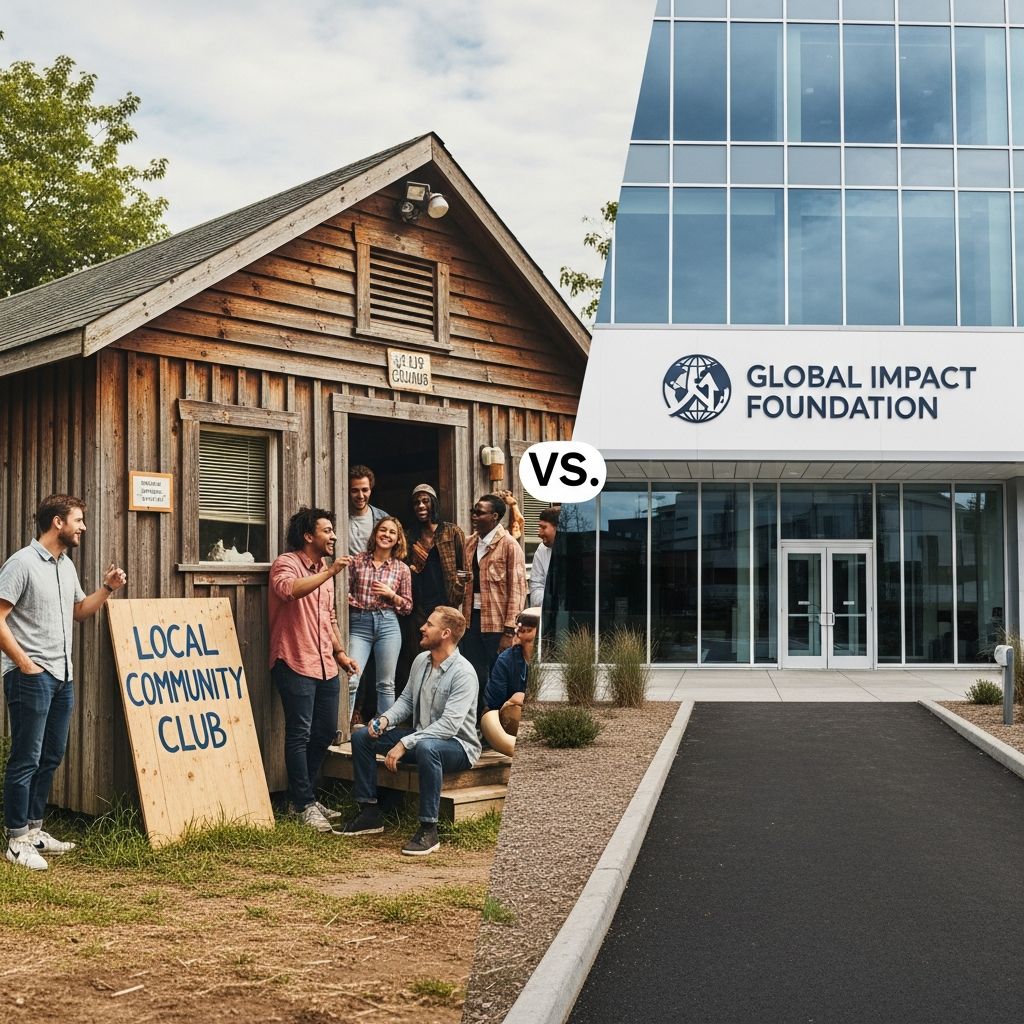
Organizations dedicated to charitable, educational, or community purposes often face a fundamental decision: should they operate as an unincorporated nonprofit association or form a nonprofit corporation? Each structure offers distinct advantages in terms of setup simplicity, legal protections, and operational flexibility. Understanding these differences is crucial for founders aiming to protect their personal assets, secure tax benefits, and ensure long-term sustainability.
Defining the Core Structures
An
unincorporated nonprofit association
consists of two or more individuals united by a common purpose without formal incorporation. Governed primarily by state laws on associations, it lacks a separate legal entity status, meaning members may bear personal responsibility for obligations. In contrast, anonprofit corporation
is a distinct legal entity created through state filing, providing perpetual existence and shielding members from personal liability.These forms align with broader nonprofit categories under IRS Section 501(c), particularly 501(c)(3) for public charities, though associations might fit mutual benefit models like 501(c)(7) recreational clubs. Public benefit corporations dominate charitable work, emphasizing societal good over member interests.
Formation Processes: Simplicity vs. Formality
Launching an unincorporated association requires minimal hurdles. Founders draft basic governing documents, such as bylaws or a mission statement, and may file a simple statement of purpose in states like California or Texas. No state approval or fees are typically needed, allowing quick startup—often in days. This appeals to grassroots groups, hobby clubs, or informal advocacy networks.
Nonprofit corporations demand more steps: filing articles of incorporation with the state secretary, adopting bylaws, appointing a board, and obtaining an Employer Identification Number (EIN) from the IRS. Fees range from $30 to $150, plus potential legal costs. Post-formation, applying for 501(c)(3) status involves Form 1023, scrutinizing mission alignment and finances. The process spans weeks to months but establishes credibility for grants and donations.
| Aspect | Unincorporated Association | Nonprofit Corporation |
|---|---|---|
| Documents Needed | Bylaws, agreement | Articles, bylaws, IRS Form 1023 |
| Filing Fees | $0–$50 | $30–$150 + IRS fees |
| Time to Start | Days | Weeks–Months |
| State Approval | Minimal/None | Required |
Liability Protection: Personal Risk Exposed
The starkest contrast lies in liability. Unincorporated associations expose members to joint and several liability for debts, lawsuits, or contracts. If the group faces a claim—say, injury at an event—creditors can pursue personal assets like homes or savings. Insurance mitigates but doesn’t eliminate this risk.
Nonprofit corporations shield directors, officers, and members via the corporate veil. Debts stay with the entity, protecting individuals unless gross negligence occurs. This safeguard is vital for high-risk activities like events or advocacy, attracting volunteers and board members wary of exposure. States reinforce this through statutes limiting volunteer liability for nonprofits.
Taxation and Exemptions: Pathways to Savings
Both can pursue tax-exempt status, but processes differ. Unincorporated associations apply via IRS Form 1024 for 501(c)(7) or similar, proving no private inurement. However, without corporate form, scrutiny intensifies, and deductible donations are rarer.
Nonprofit corporations streamline 501(c)(3) approval, enabling tax-deductible contributions essential for charities. They file Form 990 annually, maintaining transparency. Public benefit corporations excel here, unlike mutual benefit ones ineligible for deductibles. Over 74% of tax-exempts are 501(c)(3) corporations, underscoring their dominance.
- 501(c)(3): Charities, schools—deductible gifts.
- 501(c)(4): Advocacy—limited deductibility.
- 501(c)(7): Social clubs—no deductibles.
Governance and Continuity: Stability Matters
Unincorporated associations rely on member agreements for decision-making, risking disputes without formal boards. Dissolution follows member vote, potentially abrupt if key individuals leave. No perpetual life means the group dissolves upon purpose fulfillment or member exodus.
Corporations mandate boards of directors (minimum 1–3 per state), officers, and annual meetings. Bylaws dictate voting and succession, ensuring continuity. Perpetual duration survives founder changes, ideal for endowments or long-term missions. Fiscal sponsorships can bootstrap unincorporated groups under a corporation’s umbrella.
Funding and Growth: Scalability Challenges
Small associations thrive on dues or events but struggle with grants favoring incorporated entities. Banks hesitate on accounts without EIN proof of structure. Corporations access foundations, corporate giving, and crowdfunding, fueling expansion.
For member-focused groups like homeowner associations (501(c)(4)), unincorporated suffices. But scaling charities demand corporate form for IRS recognition and donor trust.
Pros and Cons at a Glance
| Structure | Advantages | Disadvantages |
|---|---|---|
| Unincorporated Association | Easy setup, low cost, flexibility | Personal liability, limited funding, instability |
| Nonprofit Corporation | Liability shield, tax perks, perpetuity | Complex formation, ongoing compliance |
When to Choose Each Option
Opt for unincorporated if your group is small, low-risk, and temporary—like a neighborhood watch or book club. It’s cost-effective for testing ideas.
Select corporate for ambitious charities, schools, or foundations needing grants, staff, or property. Liability protection and credibility outweigh setup efforts. LLCs offer alternatives but complicate tax-exempt paths. Consult attorneys for state nuances.
Compliance Essentials for Longevity
Associations must track agreements, file state notices, and insure adequately. Corporations handle annual reports, 990s, board minutes, and audits for larger operations. Noncompliance risks status loss or penalties.
Frequently Asked Questions
Can an unincorporated association convert to a corporation?
Yes, by forming a new corporation and transferring assets via member vote, though tax implications require IRS guidance.
Do unincorporated groups need bylaws?
Recommended for clarity on membership, decisions, and dissolution to prevent disputes.
Which is better for receiving donations?
Corporations, especially 501(c)(3), enable tax-deductible gifts vital for charitable work.
How do religious groups fit?
Often as religious corporations for protections, distinct from public benefit forms.
What about costs to maintain a corporation?
Annual fees ($10–$100), accounting ($500+), and filings; worthwhile for growth.
Steps to Form a Nonprofit Corporation
- Define mission and select public benefit status.
- File articles of incorporation.
- Draft bylaws and appoint board.
- Obtain EIN and apply for 501(c)(3).
- Open bank account and comply annually.
Navigating these choices empowers mission-driven leaders to build resilient organizations. Professional advice tailors structures to specific goals, ensuring legal and financial security.
References
- Nonprofit Basics: Overview of Nonprofit Charitable Organization Types — Fredrikson & Byron, P.A.. 2023-05-15. https://www.fbm.com/publications/nonprofit-basics-overview-of-nonprofit-charitable-organization-types-corporation-llc-trust-association-and-fiscal-sponsorship/
- 32 Different Types of Nonprofit Organizations Explained — Zeffy. 2024-08-20. https://www.zeffy.com/blog/types-of-nonprofits
- The 26 Types of Nonprofit Organizations: A Simplified Guide — GoFundMe Pro. 2023-11-10. https://pro.gofundme.com/c/blog/types-of-nonprofits/
- Types of Nonprofit Organizations & 501(c) Corporations Explained — MyCorporation. 2024-02-14. https://www.mycorporation.com/learningcenter/understanding-nonprofit-types.jsp
- Exempt Organization Types — Internal Revenue Service. 2025-01-22. https://www.irs.gov/charities-non-profits/exempt-organization-types
Similar Articles








Read full bio of medha deb


