
SCRAM Alcohol Monitors: Technology, Costs, And Key Insights
Explore how SCRAM bracelets detect alcohol use, their legal applications, costs, limitations, and strategies for compliance and defense.
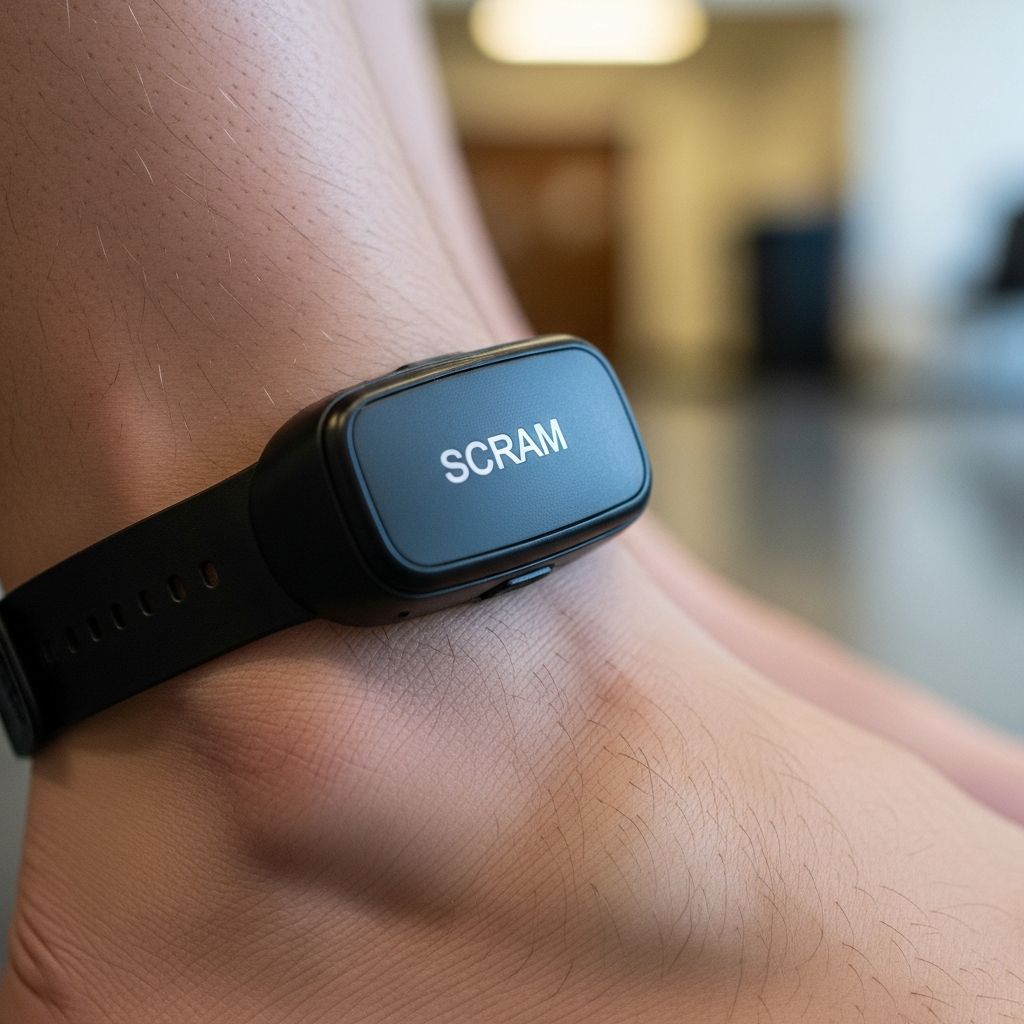
SCRAM, or Secure Continuous Remote Alcohol Monitor, bracelets represent a key tool in modern criminal justice for enforcing sobriety among individuals facing alcohol-related charges. These ankle-worn devices provide courts with a non-invasive method to verify abstinence, often as an alternative to incarceration. By analyzing sweat for alcohol traces, they enable 24/7 supervision without requiring constant in-person check-ins.
Core Technology Behind SCRAM Devices
At the heart of a SCRAM bracelet is transdermal alcohol testing, which measures ethanol levels in perspiration rather than breath or blood. The device, roughly the size of a deck of cards, straps securely to the ankle and samples insensible perspiration—tiny amounts of sweat emitted constantly through the skin—every 30 minutes. It uses fuel cell technology to detect alcohol metabolites, converting them into electrical signals for precise measurement.
Key components include:
- Infrared sensors: Monitor skin temperature to ensure proper contact and detect covering attempts.
- TAC sensor: Transdermal Alcohol Concentration reader that quantifies alcohol levels, reporting data via cellular modem to a central monitoring service.
- Tamper detection: Built-in mechanisms flag strap cuts, battery removal, or obstructions like wraps between the device and skin.
Data uploads occur automatically, often overnight, allowing supervising agencies to review patterns. Positive readings trigger alerts, while the system distinguishes incidental exposure, such as spilled drinks, through absorption rate analysis.
Legal Contexts for SCRAM Deployment
Courts mandate SCRAM bracelets in various scenarios beyond standard DUI convictions. Common applications include pretrial release conditions, probation terms, parole supervision, and specialty courts like drug or veterans courts where alcohol relapse risks are high.
| Case Type | Typical Duration | Purpose |
|---|---|---|
| DUI/DWI Convictions | 60-90 days or longer | Prevent recidivism post-conviction |
| Pretrial Bond | Until trial resolution | Ensure compliance during release |
| Probation/Parole | Up to 1 year+ | Monitor ongoing sobriety |
| Family/Domestic Violence | Varies by judge | Address alcohol-fueled incidents |
| Specialty Courts (e.g., Veterans) | Program length | Support addiction recovery |
In some jurisdictions, judges like those in certain municipal courts routinely impose six-month or longer terms, positioning SCRAM as a jail alternative that targets root addiction issues. GPS integration expands use to house arrest, tracking location alongside alcohol levels.
Financial Responsibilities and Hidden Costs
SCRAM participation isn’t free; offenders typically bear the expenses, which can strain finances and raise equity concerns. Daily monitoring fees range from $10 to $15, totaling $300-$450 monthly. Installation incurs a one-time fee of $50-$100, with potential add-ons for GPS or extended service.
Additional burdens include:
- Device enrollment and removal fees.
- Costs for missed tests or alerts, sometimes $25-$75 per incident.
- Indigent waivers in some areas, though availability varies by jurisdiction.
Critics argue these fees create a ‘pay-to-stay-out-of-jail’ dynamic, disproportionately affecting low-income defendants. Courts justify it as a cost-effective supervision method compared to detention.
Navigating Daily Life with a SCRAM Bracelet
Wearing a SCRAM device demands lifestyle adjustments to avoid false alerts. Users must charge the unit nightly, avoid products with non-beverage alcohols (e.g., isopropyl in lotions, mouthwashes), and refrain from proximity to heavy drinking environments.
Practical tips for compliance:
- Read labels on hygiene products; opt for alcohol-free versions.
- Maintain the strap clean and dry; report skin irritation promptly.
- Charge fully each evening to prevent low-battery flags.
- Document activities around potential interferents, like cooking with vanilla extract.
Employment challenges arise, as visible ankle monitors may invite questions or bias. Courts sometimes allow coverings, but tampering risks immediate violation reports.
Violation Triggers and Their Ramifications
Any positive alcohol detection, failed test, or tampering attempt notifies the monitoring agency, which forwards reports to probation officers or courts. Consequences escalate based on context:
- Pretrial: Bond modification or revocation, leading to jail pending trial.
- Probation: Revocation hearings, potential incarceration, or mandated treatment.
- Tampering: Treated as willful defiance, often resulting in warrants and arrests.
Judges exercise discretion—some opt for treatment over jail, others impose strict penalties. Repeat violations heighten severity, undermining release status.
Accuracy, Limitations, and Defense Strategies
SCRAM systems boast low false-positive rates (around 0.04%), with courts deeming results admissible due to scientific validation. However, limitations persist: the TAC sensor reacts to all alcohols, not just ethanol, potentially flagging acetone from ketosis diets or environmental exposures.
Challenging violations requires evidence of malfunction or interferents. Successful defenses often involve:
- Expert testimony on device non-specificity.
- Logs proving alternative explanations (e.g., medical records for diet-induced readings).
- Attorney arguments highlighting lack of probable cause for initial positives.
Privacy claims rarely succeed, as monitoring is a consensual probation condition trading liberty for community placement.
Effectiveness Data and Broader Impacts
Studies indicate SCRAM reduces DUI recidivism when paired with treatment, with most participants completing terms incident-free. Continuous monitoring deters use more effectively than periodic tests.
Yet, heavy reliance by certain judges raises oversight issues, with defendants facing prolonged monitoring without proportional benefits. Programs emphasizing support alongside tech yield better long-term sobriety.
Frequently Asked Questions (FAQs)
What triggers a SCRAM alert?
Alerts occur from detected alcohol in sweat, low battery, poor contact, or tampering attempts like strap cuts or coverings.
Can hand sanitizer cause a false positive?
Yes, products with isopropyl alcohol can register, though the system’s graph analysis helps differentiate from drinking patterns.
How long must I wear the bracelet?
Durations vary: 60-90 days for DUIs, longer for probation; consult your court order.
Who pays for SCRAM monitoring?
Typically the offender, with fees around $10-15 daily; waivers possible for indigency.
Is SCRAM evidence challengeable in court?
Yes, with proof of malfunction or non-ethyl alcohol sources, via expert review.
Does SCRAM include GPS tracking?
Some models do, for house arrest; standard units focus on alcohol only.
References
- What Is A SCRAM Alcohol Monitoring Bracelet? — Criminal Defense NE. Accessed 2026. https://www.criminaldefensene.com/scram-systems-and-how-they-work/
- SCRAM Bracelets: Cost and Effectiveness — Criminal Defense Lawyer. Accessed 2026. https://www.criminaldefenselawyer.com/resources/criminal-defense/crime-penalties/the-cost-of-a-scram-bracelet-situations-used
- What is SCRAM bracelet? — Purchase, George & Murphey, P.C. Accessed 2026. https://www.yourerielawyers.com/faqs/what-is-scram-bracelet/
- Understanding and Defending a SCRAM Violation in Michigan — Barone Defense Firm. Accessed 2026. https://www.baronedefensefirm.com/blog/understanding-and-defending-a-scram-violation-in-michigan/
- SCRAM CAM FAQs — SCRAM Systems. 2021-02. https://www.scramsystems.com/wp-content/uploads/2021/02/scram-media-kit-cam-faqs.pdf
- SCRAM monitor comes at heavy cost for defendants — Injustice Watch. 2021. https://www.injusticewatch.org/project/scram/2021/judge-vazquez-scram-monitor/
Similar Articles








Read full bio of medha deb


