
Understanding Public Intoxication Laws and Consequences
Learn how public intoxication laws work, what counts as a violation, and how a conviction can affect your criminal record and future.
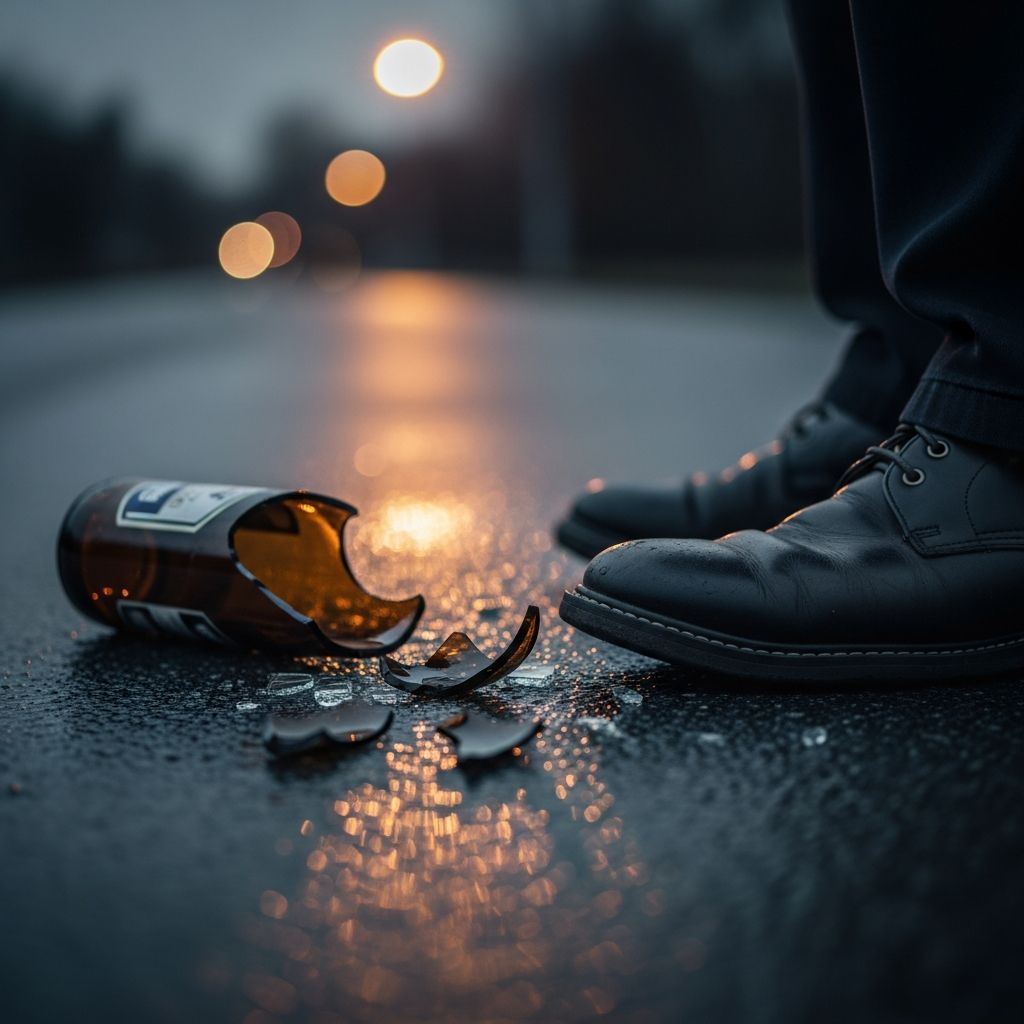
Being drunk or high in public may seem like a minor misstep, but in many places it is a criminal offense called public intoxication or public drunkenness. Most jurisdictions treat these cases as lower-level crimes, yet a conviction can still result in fines, possible jail time, and a permanent criminal record that affects employment, housing, and education opportunities.
This guide explains how public intoxication laws work, what behavior can trigger an arrest, the range of penalties you might face, and what defenses may be available if you are charged.
What Does “Public Intoxication” Mean?
There is no single national definition of public intoxication. Each state or locality writes its own statute, and some places have chosen to decriminalize or replace the offense with non-criminal alternatives.
However, most laws share several common elements:
- Visible intoxication: The person appears to be under the influence of alcohol, drugs, or another intoxicant to a noticeable degree.
- Public place: The conduct occurs in a location open to the public or where the public has access, such as streets, sidewalks, parks, or businesses.
- Disturbance or danger: In many states, there must also be behavior that endangers the person, other people, or property, or substantially disturbs public order.
Some jurisdictions require all three of these elements, while others only require intoxication in a public place. A few states have no criminal public intoxication statute at all but may rely on other offenses, such as disorderly conduct or nuisance laws, to address harmful behavior in public.
Common Legal Elements Explained
1. Public vs. Private Locations
Whether a place counts as “public” is crucial. Laws often define a public place as anywhere the general public is invited or allowed to be, even if the property is privately owned.
Examples that are often considered public places include:
- City streets, sidewalks, and alleys
- Public parks, beaches, or plazas
- Bars, restaurants, and retail stores open to customers
- Public transportation vehicles and stations
By contrast, purely private spaces—such as your home or a friend’s residence—usually are not covered by public intoxication laws, although other laws could still apply (for example, if someone assaults another person while drunk at home).
2. Intoxication or Impairment
Most statutes do not require proof of a specific blood alcohol concentration (BAC) for public intoxication. Instead, officers and courts look at whether the person is clearly impaired in a way that can be observed.
Common signs of intoxication include:
- Slurred or incoherent speech
- Staggering, falling, or difficulty standing
- Strong odor of alcohol
- Confusion, disorientation, or inability to follow directions
- Aggressive, erratic, or unusually loud behavior
Intoxication can result from alcohol, prescription medications taken improperly, illegal drugs, or other substances, depending on the wording of the local law.
3. Disturbing the Peace or Creating a Risk
Some states criminalize simply being intoxicated in public. Others require an additional element, such as harassment, property damage, or a risk of harm.
Typical examples of behavior that can elevate a situation into a criminal offense include:
- Starting fights or challenging others to fight
- Yelling obscenities or threatening language at strangers
- Blocking sidewalks, doorways, or traffic
- Breaking windows, damaging cars, or vandalizing property
- Placing oneself in obvious danger, such as lying in the road or wandering into traffic
Many statutes explicitly state that the purpose of the law is to protect both the public and the person who is intoxicated from harm and disruption.
How States Differ on Public Intoxication
States adopt three main approaches to public intoxication:
| Approach | Key Features | Typical Outcomes |
|---|---|---|
| Criminal offense | Public intoxication is a misdemeanor or similar charge, often requiring intoxication in a public place plus disturbance or danger. | Arrest, fines, possible short jail term, probation, and a criminal record. |
| Decriminalized / civil offense | Intoxication itself is not a crime; instead, there may be civil penalties or a focus on treatment. | Civil fines, protective custody, or referral to detox or treatment without a criminal conviction. |
| No specific statute | No dedicated public intoxication law; behavior is addressed through other offenses like disorderly conduct or trespass. | Charges depend on the underlying conduct and other applicable laws. |
Even in states where public intoxication is a crime, penalties and enforcement practices can differ significantly from one city or county to another.
Typical Penalties and Sentencing
Public intoxication is usually treated as a lower-level offense, commonly a misdemeanor or similar classification. Penalties can still be serious, especially for repeat offenders or when other crimes are involved.
1. Fines and Court Costs
Financial penalties often include:
- Base fines, which may range from modest amounts up to several hundred dollars for a single conviction
- Court costs and administrative fees in addition to the base fine
- Increased fines for second or later offenses, sometimes doubling or otherwise escalating over time
2. Jail or Time in Custody
Jail time is possible but less common for first-time public intoxication convictions. Sentences vary by jurisdiction and may include:
- Short jail terms, often measured in days rather than months
- Longer maximum sentences if combined with related offenses (for example, disorderly conduct or property damage)
- Time in a holding facility or sobering center even if no formal jail sentence is imposed
Courts and law enforcement may use custody primarily to ensure safety until the person is no longer impaired.
3. Probation and Community-Based Sanctions
Instead of or in addition to jail, a court might order:
- Probation, often with conditions such as remaining law-abiding and paying all fines and fees
- Community service, which may be used particularly for first-time or low-risk offenders
- Alcohol or drug education classes or counseling programs
- Treatment referrals for individuals with signs of substance use disorder
Collateral Consequences of a Conviction
Even when the maximum penalties seem relatively small, a public intoxication conviction can produce lasting effects that extend well beyond the original fine or sentence.
Potential long-term consequences include:
- Criminal record: The conviction may appear in background checks for years, affecting job, housing, and licensing opportunities.
- Professional licensing issues: Certain licenses in fields like healthcare, law, or transportation may require disclosure of alcohol-related offenses.
- Immigration concerns: Non-citizens may face additional scrutiny when applying for immigration benefits, depending on their overall record.
- Enhanced penalties later: Future charges, such as driving under the influence (DUI) or additional public intoxication arrests, may result in harsher penalties if there is a prior history.
Public Intoxication vs. Related Offenses
Public intoxication charges may be filed alongside or instead of other offenses that involve disruptive or dangerous behavior in public.
- Disorderly conduct: Typically involves fighting, unreasonable noise, or other conduct that disturbs the peace. When intoxication and aggressive behavior occur together, both charges may be brought.
- Minor in possession (MIP) or underage drinking: For people under the legal drinking age, possession or consumption of alcohol can lead to separate charges from being intoxicated in public.
- DUI / DWI: Operating a vehicle while intoxicated is usually treated much more seriously than merely being drunk in public, often carrying higher fines, license suspension, and possible jail time.
- Property or violent crimes: If someone damages property or injures another person while drunk, felony or higher-level misdemeanor charges can apply. Intoxication is usually not a defense to these crimes.
Constitutional and Policy Considerations
The U.S. Supreme Court has held that criminal penalties for public intoxication do not, by themselves, violate the Eighth Amendment’s prohibition on cruel and unusual punishment. Courts have generally allowed states and cities to adopt reasonable laws that address public safety and order when individuals are intoxicated in public.
At the same time, there is an ongoing policy debate about whether criminalizing public intoxication is effective or fair for people with alcohol or substance use disorders. Some jurisdictions have responded by emphasizing treatment, harm reduction, or civil penalties rather than criminal prosecution.
Common Defenses to Public Intoxication Charges
The best defense depends on the facts and the wording of the specific statute. Some common arguments raised in public intoxication cases include:
- Not in a public place: The accused may argue that they were on private property not accessible to the general public.
- Not intoxicated: Evidence such as witness testimony, body-camera footage, or lack of physical signs may support the claim that the person was not actually impaired.
- No disturbance or danger: In states requiring proof of endangerment or disturbance, the defense may argue that the person was merely present and intoxicated, without threatening or bothering anyone.
- Improper police conduct: The defense might challenge whether the officer had reasonable grounds for the arrest or whether the person’s rights were violated.
- Medical condition: Symptoms such as unsteady gait or slurred speech might be attributed to a medical condition rather than intoxication.
Because public intoxication laws vary widely, legal advice tailored to your jurisdiction is especially important.
Practical Tips If You Are Charged
Anyone facing a public intoxication charge should take steps to protect their rights and future opportunities:
- Read the citation or charging document carefully to understand the exact offense and potential penalties.
- Note any witnesses, security footage, or other evidence that might support your version of events.
- Consider speaking with a qualified criminal defense lawyer who understands local practices and possible diversion or treatment options.
- Ask about eligibility for record-clearing mechanisms, such as expungement or sealing, after the case is resolved, where available.
Frequently Asked Questions (FAQs)
Is public intoxication always a crime?
No. Some states criminalize public intoxication as a misdemeanor, while others treat it as a civil matter or do not have a specific public intoxication statute. In places without the offense, police may rely on other laws like disorderly conduct.
Can I be arrested just for being drunk on the sidewalk?
It depends on local law. In some jurisdictions, simply being intoxicated in public can lead to an arrest. In many others, officers must also show that your behavior created a risk of harm or clearly disturbed others.
Will a public intoxication conviction show up on background checks?
Yes, in many states a conviction is part of your criminal record and may appear in employer or landlord background checks until it is expunged or sealed, if that option exists.
Is public intoxication the same as a DUI?
No. DUI or DWI laws apply when someone operates a vehicle while impaired and are usually punished more severely. Public intoxication typically covers being impaired in places open to the public without necessarily driving.
Can intoxication be used as a defense to other crimes?
Generally, no. Courts typically do not allow voluntary intoxication to excuse otherwise criminal behavior like assault, property damage, or theft. A person can be charged with both public intoxication and other crimes arising from the same incident.
References
- Public intoxication — Wikipedia (overview of comparative state approaches). 2024-02-04. https://en.wikipedia.org/wiki/Public_intoxication
- Public Intoxication Laws — Justia, DUI & DWI Law Center. 2023-08-10. https://www.justia.com/criminal/drunk-driving-dui-dwi/alcohol-related-crimes/public-intoxication/
- Public Intoxication — LawInfo. 2022-11-15. https://www.lawinfo.com/resources/criminal-defense/public-intoxication/
- What Is the Legal Definition of Public Intoxication? — Alcohol.org, American Addiction Centers. 2022-06-30. https://alcohol.org/laws/public-intoxication/
- Disorderly Conduct and Public Intoxication — Anthem EAP / Wisconsin Laborers Legal Resources. 2021-09-01. https://www.anthemeap.com/wilaborers/find-legal-support/resources/criminal-law/legal-assist/disorderly-conduct-and-public-intoxication
- What Are The Penalties For A Public Intoxication Charge? — Mette, Evans & Woodside (Pennsylvania law firm). 2023-04-18. https://www.mette.com/news-events/what-are-the-penalties-for-public-intoxication/
- Public Intoxication Laws, Charges and Defenses — LegalMatch. 2023-03-22. https://www.legalmatch.com/law-library/article/defenses-to-public-intoxication.html
Similar Articles








Read full bio of medha deb


