
Understanding Private Nuisance in Property Law
Learn how private nuisance claims protect your right to use and enjoy land, and what legal options exist when neighbors go too far.
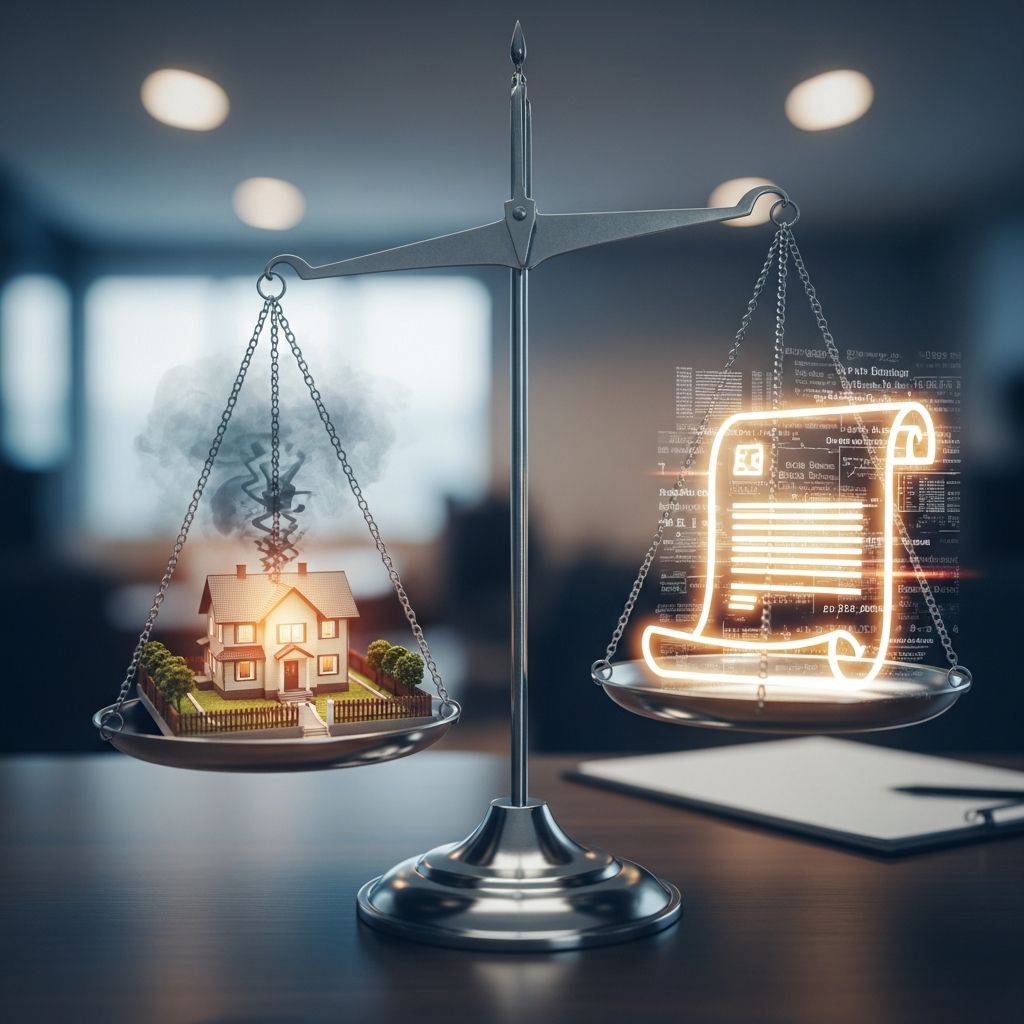
Private nuisance is a key concept in tort law that protects your right to reasonably use and enjoy your land. It applies when another person’s conduct, activity, or condition on their property substantially and unreasonably interferes with your comfort, health, or use of your property.
This guide explains what private nuisance is, how it differs from public nuisance, what you must prove in a claim, typical examples, common defenses, and the remedies courts may award.
What Is Private Nuisance?
In most jurisdictions, a private nuisance is an unreasonable and substantial interference with an individual’s use or enjoyment of land. The interference may involve physical damage to the land or non-physical impacts such as noise, odors, or light.
Some statutes and court decisions define private nuisance broadly as anything that is injurious to health, indecent or offensive to the senses, or obstructs the free use of property so as to interfere with the comfortable enjoyment of life or property.
Key features of private nuisance
- Land-related: The claim protects interests in land, not just personal discomfort in the abstract.
- Interference, not ownership dispute: The focus is on how someone’s conduct affects the use of neighboring land, rather than who owns what.
- Reasonableness standard: Courts judge interference by what an ordinary, reasonable person in that community would tolerate.
Private vs. Public Nuisance
Private nuisance is often contrasted with public nuisance, which concerns interference with rights common to the public at large, such as public health, safety, or use of public spaces.
| Feature | Private Nuisance | Public Nuisance |
|---|---|---|
| Who is affected? | Specific individual or a limited number of property owners | General public or a considerable number of people |
| Type of right protected | Private right to use and enjoy land | Public rights (health, safety, public ways, community standards) |
| Who can sue? | Person whose use or enjoyment of land is affected | Typically the state or public authorities; individuals only if they suffer special harm |
| Examples | Odors from a nearby farm, continual loud noise from adjacent property, encroaching tree roots | Major health hazards, pollution affecting a community, criminal activity causing neighborhood-wide disruption |
Legal Elements of a Private Nuisance Claim
While the precise wording varies by jurisdiction, courts commonly require the plaintiff to establish several core elements for a private nuisance claim.
1. Protectable Interest in Land
The person bringing the claim must have a legally recognized interest in the affected property, such as being an owner, tenant, or in some cases a long-term lawful occupier.
- Owners and lessees typically have standing.
- Occasional visitors or licensees usually cannot sue because their interest in the land is too limited.
2. Interference with Use or Enjoyment
There must be an interference with the plaintiff’s ability to use or enjoy the property in a normal, reasonable way.
- This can be physical (e.g., flooding, dust, runoff) or intangible (e.g., loud noise, harsh odors, bright lights).
- Interference may involve health concerns, loss of comfort, or disruption of ordinary activities at the property.
3. Substantial Interference
The interference must be more than a minor annoyance or temporary inconvenience. Courts often describe substantial interference as one that materially affects ordinary comfort according to community standards.
Judges consider factors such as:
- Severity of harm: How intense is the noise, odor, vibration, or pollution?
- Frequency: Does it happen occasionally, regularly, or continuously?
- Duration: Is it brief and temporary, or ongoing for months or years?
- Long-term impact: Does it cause measurable damage, health risks, or significant loss of enjoyment?
4. Unreasonable Interference
Not every substantial interference is legally unreasonable. Courts balance the gravity of the harm against the utility of the defendant’s conduct.
Common considerations include:
- Character of the neighborhood: What is normal in a residential area may differ from an industrial zone.
- Sensitivity of the plaintiff: The law generally uses a standard of ordinary sensitivity, not unusually delicate tastes.
- Social utility of the defendant’s activity: Activities like essential public infrastructure or regulated industry may carry weight.
- Availability of alternatives: Could the defendant reasonably use less harmful methods or locations?
5. Causation and Responsibility
The interference must be caused by the defendant’s conduct, omission, or control over the property.
- The defendant may be liable for activities directly on their land that create the nuisance.
- Liability can also arise when the defendant fails to address known conditions that unreasonably impact neighbors.
Common Examples of Private Nuisance
Courts and legislatures have recognized a wide range of activities and conditions as potential private nuisances.
Neighbor-related disputes
- Persistent loud music or machinery that disrupts sleep or daily life.
- Strong, recurrent odors from animals, waste, or industrial processes.
- Bright or misdirected lighting that shines directly into another home at night.
- Regular vibrations from equipment or vehicles that shake adjacent buildings.
Environmental and property conditions
- Pollution of streams, soil, or groundwater migrating from one property to another.
- Dust, smoke, or fumes from industrial facilities affecting nearby residences.
- Wastewater or runoff flowing onto neighboring land.
- Encroaching trees or vegetation that cause damage or dangerous conditions.
Business operations
- Industrial plants emitting dust, noise, or fumes into adjacent neighborhoods.
- Quarries or construction sites operating at hours or intensity that exceed what the locality can reasonably bear.
- A facility whose use attracts ongoing disruptive behavior, even if parts of its operation are lawful.
How Courts Evaluate Reasonableness
Because nuisance law is highly context-specific, courts rely on a flexible framework rather than rigid rules.
Key balancing factors
- Local norms: What counts as acceptable noise or activity in a dense urban setting may be unreasonable in a quiet rural area.
- Priority in time: Some courts consider which activity existed first, though this is rarely decisive on its own.
- Compliance with regulations: Adhering to zoning or environmental rules is relevant but does not automatically defeat a nuisance claim.
- Public interest: Where an activity has strong public utility, courts may be more cautious when ordering broad restrictions.
Defenses to a Private Nuisance Claim
Defendants may raise several defenses to limit or avoid liability. Their availability depends on the jurisdiction and specific facts.
1. Statutory Authority
If the defendant’s activity is expressly authorized by statute or government regulation and conducted with due care, some courts treat resulting interference as non-actionable or limited in remedy.
2. Compliance with Permits or Regulations
Operating within the bounds of permits, zoning rules, or environmental standards is strong evidence of reasonableness, though it is not an absolute shield. Courts can still find a nuisance if the impact is excessive in practice.
3. Acts of Third Parties or Unforeseeable Events
A defendant is generally not liable if the nuisance results from unforeseeable acts of third parties or extraordinary events that could not reasonably have been prevented.
4. Contributory Conduct or Consent
- If the plaintiff expressly consented to the interference or helped create the condition, this may weaken or bar recovery.
- In some jurisdictions, the plaintiff’s own unreasonable use of land may be considered when fashioning a remedy.
5. Coming to the Nuisance
The argument that the plaintiff “came to the nuisance” (for example, moving next to an existing industrial site) is usually not a complete defense, but courts may weigh it when assessing reasonableness and appropriate relief.
Remedies for Private Nuisance
Courts have broad discretion to tailor remedies in private nuisance cases. The aim is typically to stop or reduce the interference and compensate for proven harm.
Injunctions and Abatement Orders
- Prohibitory injunction: Orders the defendant to stop specific conduct causing the nuisance.
- Mandatory injunction: Requires the defendant to take positive steps (such as installing noise barriers or altering operations) to eliminate or reduce the impact.
- Courts may craft detailed conditions, including time limits, operating hours, or technological improvements.
Monetary Damages
- Compensatory damages: Cover loss of use and enjoyment, property damage, and sometimes health-related losses where causation is established.
- Diminution in value: In some cases, damages reflect the decrease in the property’s market value due to the nuisance.
- Temporary vs. permanent nuisance: Where a nuisance is ongoing but can be abated, damages may be calculated for the period of interference rather than as a one-time permanent loss.
Self-Help (Limited and Risky)
Some jurisdictions recognize narrow rights of self-help, such as trimming encroaching branches up to the property line. Because self-help can create new legal problems, property owners are generally advised to seek legal guidance before acting.
Practical Steps Before Filing a Claim
Many private nuisance disputes arise between neighbors and can be sensitive. Courts often look favorably on parties who attempt reasonable resolution before litigating.
Documenting the problem
- Keep a log of incidents noting dates, times, and the nature of the interference.
- Take photos, videos, or sound recordings where appropriate.
- Collect any medical or repair records showing health effects or property damage.
Communication and negotiation
- Start with a polite written request explaining the problem and suggesting solutions.
- Consider involving a mediator or community dispute resolution service for neighbor conflicts.
- If informal efforts fail, consult a lawyer about formal demand letters or legal action.
FAQs About Private Nuisance
Q: Do I need actual property damage to sue for private nuisance?
No. Many jurisdictions allow claims based on substantial interference with comfort, health, or enjoyment of property, even without physical damage, as long as the interference is serious and unreasonable.
Q: How is private nuisance different from trespass?
Trespass usually involves a direct physical invasion of land (such as entering or placing objects on it), while private nuisance focuses on ongoing interferences—like noise, smoke, or odors—that affect how the land can be used and enjoyed.
Q: Can lawful businesses be liable for private nuisance?
Yes. Even if a business has permits and follows regulations, it may still create an unreasonable interference with neighboring properties and be held liable, depending on the severity and context of its impacts.
Q: What if multiple neighbors are affected by the same activity?
If only a few nearby properties are affected, each owner may bring a private nuisance claim. If the interference affects a broad segment of the public, authorities may pursue a public nuisance action, and individual claims may require proof of special harm.
Q: How long do I have to bring a private nuisance claim?
Time limits depend on the statute of limitations in your jurisdiction and whether the nuisance is considered continuing or permanent. You should consult a qualified attorney promptly to avoid missing strict filing deadlines.
References
- Minnesota’s Public and Private Nuisance Laws — Minnesota House Research Department. 2016-10-01. https://www.house.mn.gov/hrd/pubs/nuislaws.pdf
- Bad Neighbors: What Is Nuisance? — Texas Law Help (Texas Legal Services Center). 2022-04-05. https://texaslawhelp.org/article/bad-neighbors-what-is-nuisance
- What is a Private Nuisance? — Cunningham Swan Lawyers. 2023-06-01. https://cswan.com/what-is-a-private-nuisance/
- What is Private Nuisance? Property Dispute — Cognitive Law. 2022-11-15. https://www.cognitivelaw.co.uk/what-is-private-nuisance/
- Tort Law: The Rules of Private Nuisance — Lawshelf. 2020-08-10. https://lawshelf.com/shortvideoscontentview/tort-law-the-rules-of-private-nuisance
Similar Articles








Read full bio of medha deb


