
Understanding Prisons, Prisoners, and Your Rights in the U.S.
Learn how the U.S. prison system works, what rights prisoners retain, and how families can access essential information and support.
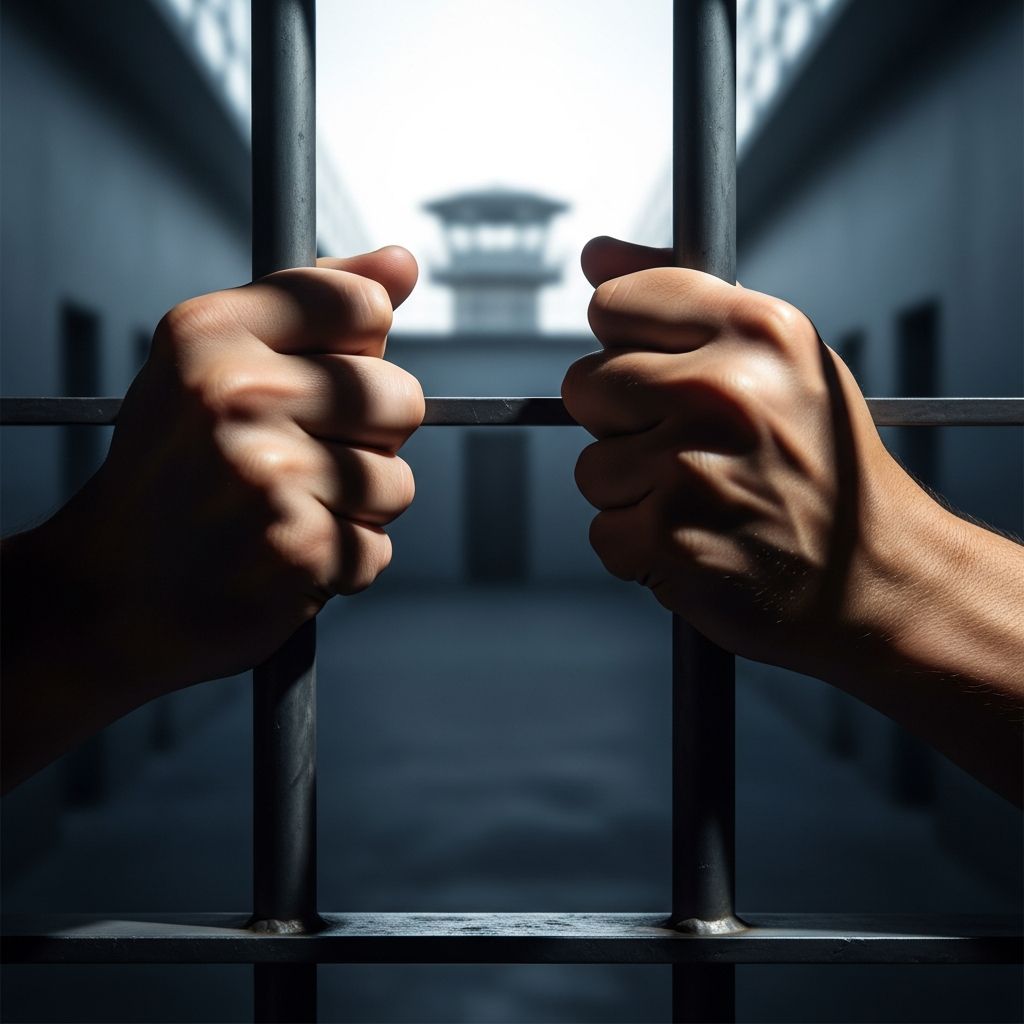
The U.S. prison system is complex, involving federal, state, local, and tribal facilities that together confine nearly two million people on any given day. Understanding how this system works is essential if you or someone you know is in custody, facing charges, or trying to locate a loved one.
This guide explains the types of prisons in the United States, how to find information about prisoners, what rights incarcerated people retain, how families can stay in contact, and where to seek help or file complaints. It is written for members of the public and does not replace professional legal advice.
1. How the U.S. Prison System Is Organized
There is no single national prison system. Instead, thousands of separate agencies at different levels of government operate correctional facilities with their own rules and systems.
1.1 Main Types of Correctional Facilities
- Federal prisons – Managed by the Federal Bureau of Prisons (BOP), housing people convicted of federal crimes such as large-scale drug trafficking, immigration offenses, or federal fraud.
- State prisons – Run by individual states, holding people convicted of most felony offenses under state law (for example, many violent crimes and property crimes).
- Local jails – Operated by counties or cities; used for people awaiting trial, serving short sentences (often under a year), or being held for other agencies.
- Tribal and territorial facilities – Jails or prisons operated by federally recognized tribes or U.S. territories; these typically hold people convicted under tribal or territorial law.
- Specialized facilities – Immigration detention centers, juvenile facilities, military prisons, and secure hospitals or treatment centers that hold people under criminal or civil authority.
According to national data, there are more than 3,900 correctional institutions across the country, including local jails, state and federal prisons, and private confinement facilities.
1.2 Differences Between Jails and Prisons
| Feature | Jails | Prisons |
|---|---|---|
| Typical operator | County or city sheriff/local government | State corrections department or Federal Bureau of Prisons |
| Who is held | People awaiting trial or sentencing; short sentences; holds for other agencies | People convicted and serving longer sentences, usually over one year |
| Length of stay | Often days to months; populations turn over quickly | Months to years or decades |
| Scope of authority | Local jurisdiction | Statewide or nationwide |
2. Finding Information About Prisoners
In most cases you can locate a person in custody through official online databases or by contacting the agency that operates the facility. Privacy, safety, and ongoing investigations can limit what is publicly available, especially for juveniles or protected witnesses.
2.1 Searching for Federal Prisoners
The Federal Bureau of Prisons maintains a public offender locator for people currently or previously held in federal prisons.
Typical information you may need to search includes:
- Full legal name
- Known aliases (if any)
- Register number (if already known)
- Age or approximate date of birth
Search results generally show the person’s current facility, projected release date if available, and basic identifying information. Sensitive details such as offense reports, medical records, or disciplinary history are not available to the public.
2.2 Finding People in State Prisons or Local Jails
State departments of correction and many county jails host their own online inmate search tools. Because there is no single nationwide database, you may need to try several options if you are unsure where someone was convicted or taken into custody.
Practical steps include:
- Checking the state corrections website for a prisoner locator or offender search tool
- Reviewing county sheriff or local jail websites for online rosters
- Calling the facility’s public information or records office if no search tool is available
Some states limit online information to people in prison, while jail databases may only show people currently in custody. For historic records, you may need to request criminal history information from state agencies under applicable records laws.
2.3 Limits on Access to Prison Records
Certain records are restricted in order to protect safety, privacy, and ongoing cases. Depending on the jurisdiction, the following categories are commonly limited or sealed:
- Records of juveniles in custody, except under specific legal circumstances
- Medical and mental health records, which are subject to health privacy laws
- Victim-identifying information and confidential informant identities
- Security-sensitive material, including detailed facility blueprints or security procedures
Access to non-public records usually requires a formal request under state or federal freedom of information laws, and in some cases a court order or signed authorization from the individual.
3. Rights of People in Prison
Incarcerated people lose some freedoms but retain core constitutional and statutory rights. Courts balance these rights against the government’s obligation to maintain order and security in correctional facilities.
3.1 Key Constitutional Protections
- Protection from cruel and unusual punishment – The Eighth Amendment prohibits conditions or punishments that are inhumane, excessively harsh, or deliberately indifferent to serious medical needs.
- Due process rights – The Fourteenth and Fifth Amendments require basic fairness in disciplinary hearings, classification decisions that significantly affect liberty, and loss of good-time credits.
- Limited First Amendment rights – People in prison generally retain the right to practice their religion, to possess authorized religious items, and to send and receive mail, subject to reasonable security restrictions.
- Access to the courts – Prisons must not block reasonable efforts to challenge convictions or conditions of confinement, typically by providing law library access or legal materials.
3.2 Medical and Mental Health Care
Correctional agencies must provide adequate medical and mental health care for serious needs. Failure to address known, substantial health risks can violate constitutional protections. Facilities vary widely in available services, but obligations commonly include:
- Access to emergency and routine medical care
- Screening and treatment for serious mental illness
- Access to medications prescribed by qualified professionals
- Reasonable accommodations for disabilities, under disability rights laws
3.3 Safety, Housing, and Special Populations
Corrections agencies are responsible for reasonable measures to protect people from violence and serious harm. National reform efforts have included guidance on the use of restrictive housing and the treatment of vulnerable groups, such as juveniles, pregnant people, LGBTQ+ prisoners, and those with serious mental illness.
Common practices aimed at protecting safety and rights include:
- Classifying people by security level and separation needs
- Providing mental health units or step-down programs where available
- Limiting solitary confinement for juveniles and people with serious mental illness where policy requires
- Evaluating requests for protective custody when individuals face specific threats
4. Contacting and Supporting Someone in Prison
Family contact can play an important role in successful reentry and reduced reoffending. Each system has its own rules, but some common methods of communication apply across many facilities.
4.1 Visiting Rules and Procedures
Visits are generally allowed but are closely regulated to maintain security and order. Typical steps to arrange a visit include:
- Confirming that you are on the incarcerated person’s approved visitor list
- Reviewing the facility’s visiting schedule and dress code
- Presenting a valid government-issued photo ID on arrival
- Passing through security screening and following staff instructions at all times
Some facilities provide contact visits in shared visiting rooms, while others only allow non-contact visits through glass partitions or video systems. Special rules may apply for children, legal visits, and people traveling long distances.
4.2 Mail, Phone, and Electronic Messaging
Written and telephone contact is subject to monitoring and institutional rules. Common features include:
- Mail – Outgoing and incoming mail (except legal mail) may be inspected and sometimes read for security reasons. Facilities may restrict content, number of pages, or types of enclosures.
- Phone calls – Most calls must be placed collect or through pre-paid systems. Calls are usually time-limited and recorded, except for approved calls with attorneys.
- Email or kiosks – Some systems use secure messaging platforms that require outside users to create accounts and pay per message or minute.
Because rules differ widely, it is essential to consult the specific facility’s handbook or website for current rules, fees, and security restrictions.
4.3 Sending Money or Property
People in prison often must pay for certain items such as hygiene products, snacks, phone calls, or electronic messages. Funds are usually deposited into a trust or commissary account controlled by the institution.
Common deposit methods include:
- Electronic transfers through approved vendors
- Money orders mailed to a designated address
- On-site kiosks at some facilities
Facilities strictly regulate what physical items can be mailed in. Before sending books, clothing, or other property, check the facility’s approved vendor and publication policies.
5. Complaints, Abuse, and Oversight
People in custody and their families may need to raise concerns about safety, medical care, or staff conduct. Oversight mechanisms differ by system, but there are several common paths.
5.1 Internal Grievance Systems
Most prisons and jails require incarcerated people to use a formal grievance process before they can bring many types of claims to court. This often includes:
- Filing a written complaint within strict time limits
- Appealing to higher levels within the facility or central office
- Keeping copies or receipts of all submissions
Family members usually cannot file formal grievances on behalf of someone in custody, but they can often submit concerns to wardens, sheriffs, or oversight offices. Where serious safety issues are involved, reporting concerns promptly can be critical.
5.2 External Oversight and Legal Options
Outside agencies may investigate certain complaints:
- State inspectors general or correctional ombuds offices, where they exist
- Civil rights divisions or attorneys general in cases alleging systemic misconduct or unlawful conditions
- Federal civil rights enforcement when constitutional violations are alleged in state or local facilities
People in custody may also use the courts to challenge serious rights violations or seek relief from unconstitutional conditions, typically with the help of an attorney or legal aid organization. Federal and state laws impose specific procedural requirements and deadlines for such lawsuits.
6. Reentry, Rehabilitation, and Reducing Recidivism
Most people in prison will eventually return to their communities. Research has prompted many agencies to focus on education, work programs, treatment, and structured reentry planning to reduce the likelihood of reoffending.
6.1 Education and Job Training
Evidence-based reforms emphasize building skills that support lawful employment after release. Common services include:
- Adult basic education and high school equivalency classes
- Vocational and technical training in trades such as building maintenance or manufacturing
- Opportunities to gain work experience through prison industries or facility jobs
Data from federal corrections show that most people in federal custody were sentenced within the past decade, underscoring the need for current and effective programming to address criminal behavior and prepare individuals for reentry.
6.2 Treatment and Behavior-Change Programs
Many facilities offer programs targeting substance use, violence, and other risk factors linked to criminal behavior.[10] Examples include:
- Substance use disorder treatment and recovery support
- Cognitive-behavioral programs addressing decision-making and problem-solving
- Anger management and conflict resolution classes
- Mental health services for people with serious mental illnesses
6.3 Reentry Planning and Community Supervision
Structured reentry planning usually begins before release and may include:
- Preparing identification documents and basic paperwork
- Linking individuals to housing, employment, and health services
- Creating supervision plans for probation, parole, or supervised release
Nearly all people leaving federal prison receive a term of supervised release, underscoring how community supervision has become an integral part of the modern U.S. correctional system.
7. Frequently Asked Questions (FAQs)
Q1: How can I tell whether a loved one is in a federal or state prison?
If you know the type of charges, that can provide a clue: federal crimes (such as large-scale drug trafficking or federal immigration offenses) typically lead to federal prison, while most violent and property crimes are prosecuted under state law. If you do not know, search both the Federal Bureau of Prisons locator and the state corrections inmate search, then contact local jails in the area of arrest if necessary.
Q2: Are prison records part of the public record?
Basic information such as a person’s name, facility, and sentence length is often publicly available, especially through inmate locators. However, detailed records—such as medical files, disciplinary reports, and juvenile records—are usually confidential and require consent, a court order, or a formal records request subject to privacy and security laws.
Q3: Can prisoners vote while incarcerated?
Voting rules vary by state and by conviction type. Some states permanently bar people with certain felony convictions from voting unless rights are restored, while others allow voting after release or even during incarceration for some offenses. To determine eligibility, consult the election authority or official voter information in the relevant state.
Q4: What should I do if I believe a person in custody is being abused?
Encourage the person in custody to file an internal grievance promptly if it is safe to do so. Family members can report concerns to facility leadership, local authorities, or state and federal civil rights offices, providing as much detail as possible. In emergencies or imminent danger, contact the facility directly and consider seeking advice from an attorney or legal organization familiar with prison conditions cases.
Q5: Where can I get legal help related to prison issues?
Options can include public defender offices (for pending criminal cases), legal aid organizations, civil rights groups focused on prisons, and bar association referral services. Many states maintain online directories of free or low-cost legal services; national civil rights organizations also publish guides and referrals for people challenging prison conditions or protecting their rights.[10]
References
- Prison Reform: Reducing Recidivism by Strengthening the Federal Bureau of Prisons — U.S. Department of Justice. 2017-01-25. https://www.justice.gov/archives/prison-reform
- United States of America — World Prison Brief country profile — Institute for Crime & Justice Policy Research, Birkbeck, University of London. 2024-03-18 (data to 2023-12-31). https://www.prisonstudies.org/country/united-states-america
- Mass Incarceration: The Whole Pie 2025 — Prison Policy Initiative. 2025-03-11. https://www.prisonpolicy.org/reports/pie2025.html
- Individuals in the Federal Bureau of Prisons — United States Sentencing Commission. 2025-03-25. https://www.ussc.gov/research/quick-facts/individuals-federal-bureau-prisons
- BJS FY 24 Census of Jails, 2025 and 2026 Solicitation — Bureau of Justice Statistics, U.S. Department of Justice. 2024-02-01. https://bjs.ojp.gov/document/fy24coj2526_sol.pdf
- Prison Conditions — Equal Justice Initiative. 2024-01-10 (updated). https://eji.org/issues/prison-conditions/
- Global Prison Trends 2025 — Penal Reform International. 2025-05-21. https://www.penalreform.org/resource/global-prison-trends-2025/
Similar Articles








Read full bio of medha deb


