
Understanding Prepaid Account Agreements and Your Rights
Learn how prepaid account agreements work, what fees and protections to expect, and how federal rules help safeguard your money.
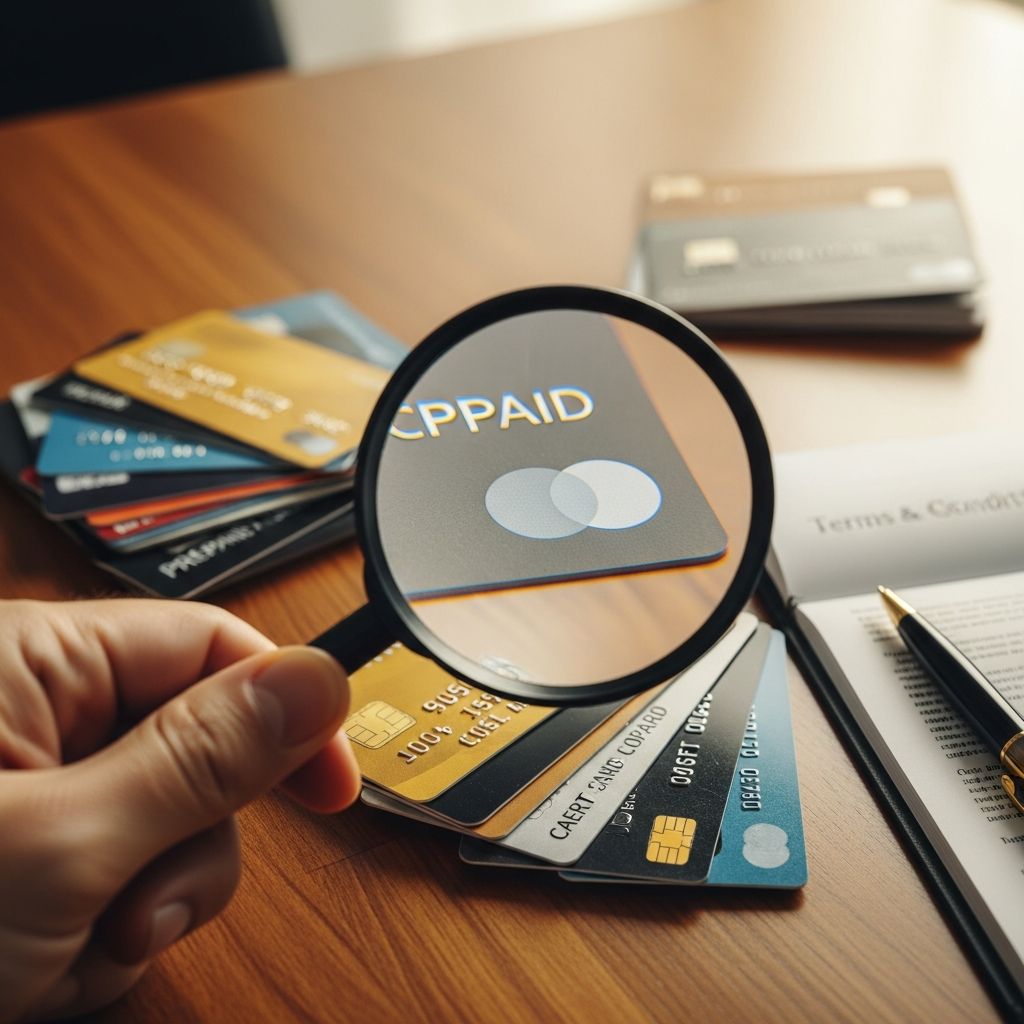
Prepaid Accounts Explained: Agreements, Fees, and Protections
Prepaid accounts have become a common way to receive wages, government benefits, and manage everyday spending. They include general-purpose reloadable cards, payroll cards, government benefit cards, and many app-based or online wallets that store funds for you to spend. Under federal law, these products are now covered by a comprehensive Prepaid Accounts Rule that gives consumers clearer information and stronger protections.
This guide explains how prepaid account agreements work, what terms and fee disclosures you should expect, and which legal protections help keep your money and information safe.
What Is a Prepaid Account?
A prepaid account is generally a stored-value product that lets you load money and then spend, transfer, or withdraw those funds using a card, mobile device, or account number. Unlike a traditional credit card, you are typically spending money you’ve already added to the account.
Under federal regulations, the term prepaid account covers several product types, including:
- General-purpose reloadable cards that you can buy in a store or online and use at many different merchants or ATMs.
- Payroll cards that employers use to pay wages instead of paper checks or direct deposit to a bank account.
- Government benefit cards used to distribute certain government payments, such as unemployment or other benefits.
- Digital wallets and person-to-person payment accounts that store funds, such as many app-based or online accounts that you can use to transact with multiple, unaffiliated merchants.
Because prepaid accounts are widely used as an alternative to bank accounts, regulators have extended many of the same core protections that apply to debit cards and checking accounts.
Why Prepaid Account Agreements Matter
Every prepaid account should have a written agreement that sets out the terms and conditions for using the product. This agreement is important because it tells you:
- What fees you may be charged and when they apply.
- Whether your funds are insured by the FDIC or NCUA.
- How to report errors, unauthorized transfers, or card loss.
- Whether the account comes with any overdraft or credit features.
- How disputes, refunds, and chargebacks are handled.
Federal rules require prepaid issuers to share these agreements and fee schedules with both consumers and the Consumer Financial Protection Bureau (CFPB), improving transparency and public access to key terms.
Key Features You Will See in a Prepaid Agreement
While every issuer uses different branding and layouts, most prepaid account agreements must address similar categories of information under Regulation E and the CFPB’s prepaid rule.
1. Fee Disclosures and Cost Information
Federal law requires that prepaid issuers clearly disclose fees so you can compare products before you buy.
- Before you acquire an account, you should be able to see a short, easy-to-read fee summary along with more detailed terms.
- On the issuer’s website, there must be a more complete fee schedule and account agreement accessible without logging in (for most retail products).
- Upon request, the issuer must provide your account agreement within a short timeframe, usually within five business days if it is not already available online.
Common prepaid account fees include:
- Monthly maintenance or service fees.
- ATM withdrawal and balance inquiry fees.
- Cash reload fees (when adding money at a store or agent).
- Out-of-network or international transaction fees.
- Paper statement or replacement card fees.
2. Access to Funds and FDIC Insurance
Prepaid agreements should explain how you can access your money and whether your funds are eligible for deposit insurance. In many cases, funds held in prepaid accounts that are placed at insured banks are covered by FDIC insurance on a pass-through basis if certain conditions are met.
Look for the following statements in your agreement:
- Whether the funds are held at an FDIC- or NCUA-insured institution.
- Any limits on withdrawals or maximum daily transaction amounts.
- How long deposits or loads may be held before they are available.
3. Error Resolution and Unauthorized Transfers
One of the most important features of the Prepaid Accounts Rule is that it extends many of the error resolution and limited liability protections in Regulation E to prepaid accounts.
The agreement must describe:
- How to report suspicious or unauthorized transactions.
- Deadlines for disputing errors (typically within 60 days after you obtain access to the history reflecting the error).
- How the issuer will investigate and respond.
- When you may be liable for some portion of unauthorized transfers, and when liability is limited.
In general, if you register your prepaid account, report loss or theft promptly, and provide requested information, your financial institution must investigate errors and limit your liability for unauthorized electronic fund transfers, similar to the protections for debit cards.
4. Credit, Overdraft, and Hybrid Prepaid–Credit Features
Some prepaid accounts include or offer separate credit features, such as overdraft lines, credit extensions linked to the account, or the ability to carry a negative balance for a fee. When these features are offered, the account may be treated as a hybrid prepaid-credit card under Regulation Z, and additional disclosures and protections apply.
Your agreement should explain:
- Whether the account offers overdraft or credit, and whether enrollment is automatic or optional.
- Any interest rate, credit fees, or late fees that can be charged.
- How credit repayments are collected from your prepaid balance.
- Whether credit use can affect your credit report.
Typical Sections in a Prepaid Account Agreement
The table below shows common sections you are likely to see in a prepaid account agreement and what each section typically covers.
| Agreement Section | What It Usually Explains |
|---|---|
| Account overview | Product description, who the issuer is, and eligibility requirements. |
| Fee summary | Most common fees you are likely to pay, presented in a short, standardized format. |
| Full fee schedule | Detailed list of all possible fees and conditions when they apply. |
| Loading and adding funds | How to load money, limits on loads, and any associated fees or holds. |
| Using your card or account | Where you can use the account (in-store, online, ATM, peer-to-peer) and any restrictions. |
| Error resolution & liability | Steps to report errors, timeframes, and how much you could lose if you delay reporting. |
| FDIC insurance & funds availability | Whether deposits are insured and when loaded funds become available. |
| Credit or overdraft terms | Any optional or linked credit features and related costs, if offered. |
| Privacy & data sharing | How the issuer shares and protects your personal and transaction information. |
Your Rights Under the Federal Prepaid Accounts Rule
The CFPB’s Prepaid Accounts Rule, implemented mainly through amendments to Regulation E and Regulation Z, is designed to make prepaid products safer and more transparent. Key consumer protections include:
- Standardized fee disclosures so it is easier to compare costs across different cards and apps before choosing one.
- Protection against unauthorized transfers, with liability limits comparable to debit card protections once the consumer has registered the account and reported issues promptly.
- Error resolution procedures that require financial institutions to investigate and resolve disputed transactions in a timely way.
- Access to account agreements, including public posting of agreements for many products and submission to the CFPB’s online database.
- Credit safeguards when overdraft or credit features are linked to prepaid accounts, ensuring Truth in Lending Act protections, clear pricing, and reasonable underwriting standards.
How to Use Prepaid Account Disclosures to Your Advantage
Prepaid account agreements are not just legal fine print; they are tools you can use to avoid unexpected costs and resolve problems effectively. Here is how to make them work for you.
Compare Costs Before You Activate
Before you buy or activate a prepaid card or app, review the short fee disclosure and, if possible, the full agreement on the issuer’s website.
- Look for monthly fees and ask yourself how often you expect to use the account.
- Check ATM, cash load, and out-of-network fees, especially if you rely heavily on cash.
- Note any inactivity fees or fees for customer service calls.
Register Your Account Promptly
Many of the strongest protections under Regulation E apply only after you have registered your card or account with your name and contact information. Registration makes it easier for the issuer to:
- Verify your identity.
- Replace a lost or stolen card.
- Investigate disputes and unauthorized transfers.
Monitor Transactions and Keep Records
Most prepaid issuers must provide access to your account history, either through statements, online portals, or mobile apps.
- Check your transaction history regularly to spot unfamiliar charges quickly.
- Keep receipts for major purchases and cash loads.
- Note your login details and issuer contact information in a secure location.
Report Problems Right Away
Your agreement and Regulation E set deadlines for reporting errors and unauthorized transfers. If you miss these deadlines, you could be responsible for more of the loss.
- Call the issuer as soon as you notice a suspicious transaction, lost card, or problem with your balance.
- Follow up in writing if the agreement requests it, and keep copies of your correspondence.
- Ask for a written explanation of the issuer’s investigation and decision.
Common Risks and How the Rules Address Them
Prepaid accounts can help people avoid overdraft fees and access funds without a traditional bank account, but they also present risks. The Prepaid Accounts Rule attempts to reduce several long-standing concerns.
- Hidden or confusing fees: Standardized disclosures and public posting of agreements make it easier to spot and compare fees before committing.
- Unclear protections for lost or stolen cards: Regulation E brings prepaid accounts into the same framework that protects bank debit cards, limiting consumer liability if problems are reported promptly.
- Forced use of prepaid cards for wages or benefits: Federal and state laws generally protect consumers from being required to receive wages or certain benefits on a specific prepaid card, though exact rights can vary by program and jurisdiction.
- Overdraft and credit debt: When credit features are added to prepaid accounts, Regulation Z and the Truth in Lending Act apply, requiring clear disclosure of costs and certain consumer safeguards.
Frequently Asked Questions (FAQs)
Q: Is a prepaid account the same as a bank account?
A: No. A prepaid account is not a traditional checking account, and it is usually issued by or through a bank under a separate agreement. However, federal rules now extend many of the same consumer protections that apply to bank debit cards, including error resolution and limited liability for unauthorized transfers.
Q: Are funds on prepaid cards FDIC insured?
A: Often, yes, but it depends on how the issuer structures the product. If the funds are held at an FDIC-insured bank and the issuer keeps accurate records that link balances to individual consumers, insurance can pass through to you up to the standard coverage limit per depositor. Your agreement and the issuer’s website should explain whether and how insurance applies.
Q: What should I do if I see a charge I don’t recognize?
A: Check your agreement for specific instructions, but in general you should contact your issuer as soon as possible, provide details about the disputed transaction, and follow up in writing if requested. Under Regulation E, the institution must investigate and respond within set timeframes, and your liability for unauthorized transfers is usually limited if you report promptly.
Q: Can a prepaid card charge overdraft fees?
A: Some prepaid accounts offer optional overdraft or credit features, but those features are subject to additional requirements under Regulation Z and the Truth in Lending Act. Your agreement must clearly describe any overdraft or credit fees, how negative balances are repaid, and your right to opt in or out, where applicable.
Q: Where can I find my prepaid account agreement online?
A: Most issuers post agreements and fee information on a publicly accessible part of their websites, and they must provide a copy upon request within a short period, unless it is already available online. The CFPB also maintains a public database of many prepaid account agreements submitted by issuers.
References
- Prepaid Accounts Rule: Interagency Consumer Compliance Examination Procedures — Federal Deposit Insurance Corporation (FDIC). 2019-02-27. https://www.fdic.gov/news/financial-institution-letters/2019/fil19009.html
- New protections for prepaid accounts — Consumer Financial Protection Bureau (CFPB). 2019-04-01 (last modified). https://www.consumerfinance.gov/prepaid-rule/
- New CFPB Rule Provides Enforceable Protections for Prepaid Cards — National Consumer Law Center. 2019-04-01. https://library.nclc.org/article/new-cfpb-rule-provides-enforceable-protections-prepaid-cards
- 12 CFR § 1005.18 – Requirements for financial institutions offering prepaid accounts — Legal Information Institute, Cornell Law School. Accessed 2025. https://www.law.cornell.edu/cfr/text/12/1005.18
- Prepaid Accounts Under the Electronic Fund Transfer Act (Regulation E) and the Truth in Lending Act (Regulation Z) — Federal Register, Consumer Financial Protection Bureau. 2016-11-22. https://www.federalregister.gov/documents/2016/11/22/2016-24503/prepaid-accounts-under-the-electronic-fund-transfer-act-regulation-e-and-the-truth-in-lending-act
- Prepaid Cards — New Federal Rules — Connecticut General Assembly, Office of Legislative Research. 2017-03-16. https://cga.ct.gov/2017/rpt/2017-R-0061.htm
Similar Articles








Read full bio of medha deb


