
Understanding Pedestrian Accident Claims and Legal Rights
Learn how pedestrian crashes occur, who may be legally at fault, and what to expect when pursuing compensation after being hit by a vehicle.
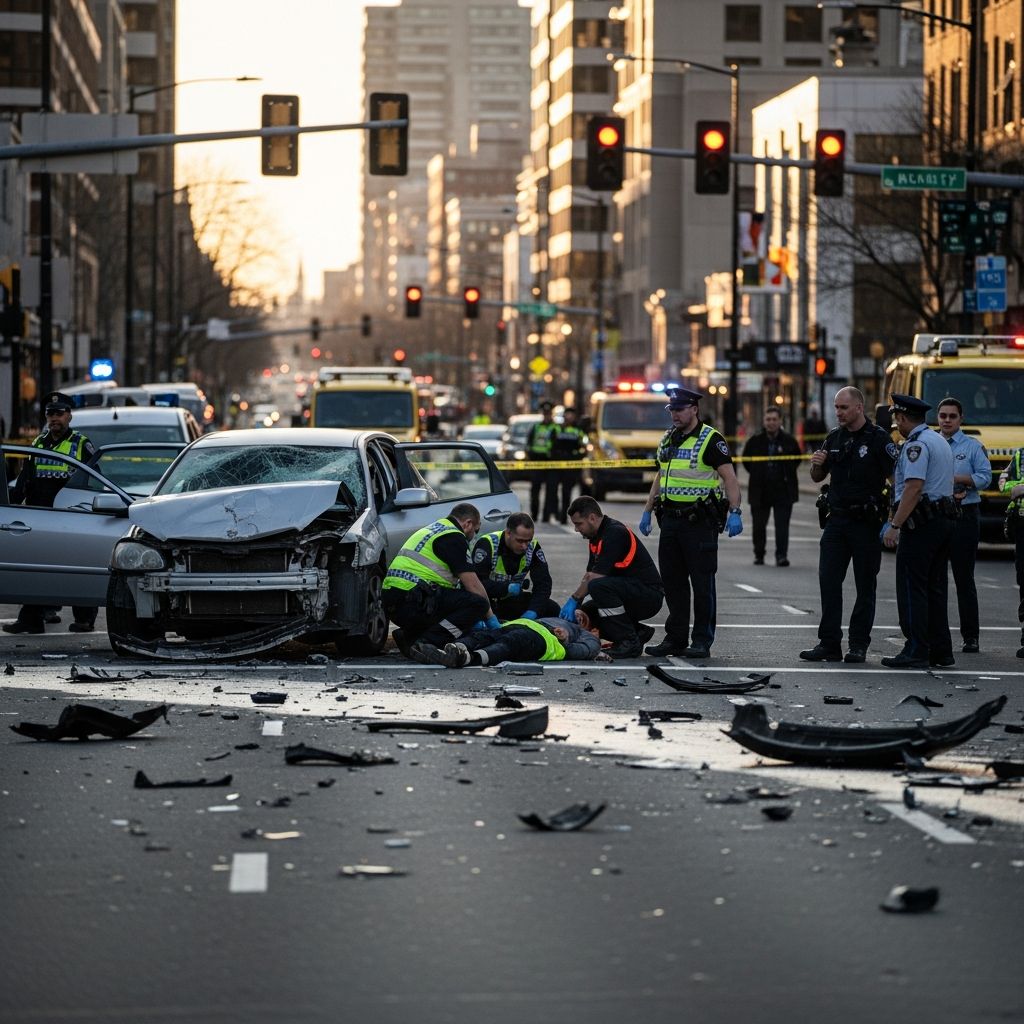
When a person on foot is struck by a motor vehicle, the consequences are often severe. Pedestrians have virtually no physical protection, so a collision that might be minor for a driver can be life-changing for the person who is hit. This guide explains how pedestrian crashes happen, how fault is determined, what insurance may apply, and how an injured pedestrian can pursue compensation.
Why Pedestrian Crashes Are So Serious
Collisions involving people walking or using mobility aids represent a growing share of traffic deaths in the United States. In 2023, federal data show that pedestrians accounted for about 18% of all traffic fatalities, with more than 7,300 pedestrians killed and over 68,000 injured in crashes nationwide. Public health agencies report thousands more treated in emergency departments for non-fatal injuries each year. Because the human body must absorb the full impact of a vehicle, even relatively low-speed crashes can cause catastrophic harm.
| Factor | Effect on Pedestrian Risk |
|---|---|
| Vehicle speed | Higher speed increases both the chance of a collision and the severity of injuries. |
| Road type | Most deaths occur on wide, high-speed urban roads where people still need to cross or walk along the roadway. |
| Lighting conditions | Many fatalities occur in the dark, when visibility is limited. |
| Alcohol | Impairment in drivers or pedestrians is a major factor in serious crashes. |
Common Ways Pedestrian Collisions Happen
Every crash is unique, but many follow similar patterns. Understanding how these events occur can help clarify who may be legally responsible.
Driver Behaviors Linked to Pedestrian Crashes
- Failure to yield at crosswalks: Drivers turning right or left may look for vehicles but overlook people stepping into the crosswalk.
- Speeding or driving too fast for conditions: High speed reduces a driver’s reaction time and increases stopping distance, making it harder to avoid someone in the roadway.
- Distraction: Looking at a phone, in-vehicle screen, or other distraction can cause a driver to miss a pedestrian until it is too late.
- Running red lights or stop signs: Entering an intersection illegally often puts drivers directly into the path of people crossing legally.
- Impaired driving: Alcohol or drugs slow reaction time and impair judgment; national data link impairment to a significant share of fatal pedestrian incidents.
- Backing up without checking: Drivers leaving driveways, alleys, or parking spaces sometimes fail to look for pedestrians behind the vehicle.
Pedestrian Behaviors and Environmental Hazards
Crashes are not always solely the driver’s fault. Pedestrian choices and roadway design can also play a role.
- Crossing outside a crosswalk: Many fatalities occur at mid-block locations instead of intersections, where drivers do not expect people to cross.
- Sudden entry into traffic: Stepping out from between parked cars or into a travel lane leaves drivers with very little time to respond.
- Walking while impaired: Studies show a substantial proportion of pedestrians killed in crashes have high blood alcohol levels, which can affect balance, judgment, and reaction time.
- Poor visibility: Dark clothing at night, heavy rain, fog, or glare can make pedestrians difficult to see even for attentive drivers.
- Unsafe roadway design: Wide multilane roads, long crossing distances, few crosswalks, and high posted speeds all increase crash risk.
Typical Injuries in Pedestrian Collisions
Because people on foot lack the protection of a vehicle frame, even a seemingly modest impact may cause serious or permanent injuries.
- Head and brain trauma: Concussions, skull fractures, and traumatic brain injuries can occur when the head strikes the vehicle or pavement.
- Spinal cord damage: Neck and back injuries may lead to chronic pain, limited mobility, or paralysis.
- Broken bones and joint injuries: Fractures of the legs, pelvis, arms, and ribs are common when a vehicle hits the lower body.
- Internal organ damage: Blunt-force trauma can injure the lungs, liver, spleen, or other organs and may be life-threatening without rapid treatment.
- Soft-tissue injuries and scarring: Muscle tears, ligament damage, road rash, and disfigurement often require extensive rehabilitation.
These injuries can lead to high medical costs, lost income, diminished earning capacity, and long-term care needs, which are central components of a legal claim.
Who May Be Legally Responsible?
Liability in a pedestrian crash usually hinges on negligence—a failure to use reasonable care under the circumstances. Several parties can potentially share blame depending on how the collision happened.
When the Driver Is at Fault
Drivers have a duty to operate their vehicles safely and to watch for people walking or using mobility aids. A driver may be considered negligent if they:
- Speed above the posted limit or too fast for traffic and weather conditions.
- Ignore traffic control signals or fail to stop at crosswalks.
- Drive while impaired by alcohol, drugs, or fatigue.
- Use a handheld phone or other distraction while driving.
- Back out without checking for pedestrians behind the vehicle.
Evidence of traffic violations, witness statements, police reports, and surveillance video can all be used to show that the driver breached their duty of care.
When the Pedestrian Shares Responsibility
In some situations, a pedestrian’s own conduct may be found negligent, which can reduce or, in rare cases, bar recovery. Examples include:
- Crossing against a traffic signal or entering the street unexpectedly.
- Walking into the path of a vehicle that is too close to stop safely.
- Standing or lying in a travel lane without a valid reason.
- Walking while severely impaired and ignoring obvious traffic dangers.
Many states use comparative negligence rules, which allow an injured pedestrian to recover damages even if they share some blame, but the award is reduced in proportion to their percentage of fault. A few states still apply stricter rules that can deny recovery if the pedestrian is found even slightly negligent.
Other Potentially Liable Parties
Depending on the circumstances, other entities may also be responsible:
- Vehicle owners: The person or business that owns the vehicle may be liable if someone else was driving it with permission.
- Employers: If the driver was working at the time (for example, making deliveries), the employer may share responsibility for the crash.
- Government agencies or contractors: In limited cases, defective road design, missing crosswalks, malfunctioning signals, or poor maintenance may give rise to claims against public entities or their contractors.
- Bars or restaurants (dram shop liability): Some states allow claims against businesses that serve alcohol to an obviously intoxicated person who later causes a crash.
Insurance Coverage in Pedestrian Accidents
Compensation often depends on what insurance policies apply. The specific options vary by state, but common sources of coverage include:
Driver’s Auto Liability Insurance
In most fault-based systems, the at-fault driver’s liability policy is the primary source of recovery. It may cover:
- Medical expenses related to crash injuries.
- Lost wages and diminished earning capacity.
- Pain and suffering, emotional distress, and reduced quality of life.
- Property damage (such as a destroyed wheelchair, phone, or bicycle).
No-Fault and Personal Injury Protection (PIP)
Some states have no-fault or PIP systems that provide certain benefits to injured people regardless of who caused the crash. In those states, pedestrians may be able to:
- Claim medical and wage-loss benefits under their own auto policy’s PIP coverage.
- Access PIP coverage from a household member’s policy if they do not own a vehicle.
- Potentially pursue an additional claim against the at-fault driver if injuries are serious enough to meet statutory thresholds.
Uninsured and Underinsured Motorist Coverage
When the at-fault driver has no insurance, not enough coverage, or flees the scene, the pedestrian may turn to:
- Uninsured motorist (UM) coverage: For crashes involving drivers with no liability insurance or in some hit-and-run cases.
- Underinsured motorist (UIM) coverage: When the at-fault driver’s limits are too low to cover the pedestrian’s full losses.
These protections are usually part of an auto policy and can apply even though the injured person was not driving at the time.
Health Insurance and Other Benefits
In addition to auto insurance, an injured pedestrian may rely on:
- Private health insurance or public programs (such as Medicare or Medicaid) for medical bills.
- Short-term or long-term disability insurance for lost income.
- Workers’ compensation if the crash occurred while the person was working.
These sources may later seek reimbursement from any settlement or court award, a process known as subrogation.
What Compensation Can an Injured Pedestrian Seek?
A personal injury claim typically aims to make the injured person financially whole, as far as money can do so. Common categories of damages include:
- Medical costs: Emergency care, hospital stays, surgery, rehabilitation, medication, medical equipment, and future care needs.
- Lost earnings: Time away from work, reduced hours, lost bonuses, and diminished earning capacity if injuries limit future employment.
- Pain and suffering: Physical pain, emotional distress, anxiety, depression, and loss of enjoyment of life.
- Home and vehicle modifications: Ramps, accessible bathrooms, modified vehicles, and other changes needed because of long-term disability.
- Out-of-pocket expenses: Transportation to medical visits, home care services, and similar costs directly related to the injury.
In a wrongful death case, surviving family members may also pursue compensation for funeral costs, loss of financial support, and loss of companionship.
Steps to Take After a Pedestrian Crash
If you are able to act after being struck by a vehicle—or if you are assisting someone else—certain steps can help protect both health and legal rights.
Immediate Safety and Medical Care
- Call emergency services as quickly as possible.
- Move out of the roadway if it is safe to do so, but avoid unnecessary movement if there may be serious injuries.
- Accept medical evaluation at the scene and seek prompt follow-up; some serious injuries are not obvious right away.
Gathering Information and Evidence
- Obtain the driver’s name, contact details, license number, and insurance information.
- Record the make, model, color, and license plate of the vehicle.
- Take photos or video of the scene, vehicle damage, skid marks, traffic signals, and visible injuries.
- Ask witnesses for names and contact information.
- Request a copy of the police report when it becomes available.
Protecting Your Claim
- Notify your own insurance company, even if you were walking and not driving.
- Avoid giving recorded statements to the at-fault driver’s insurer before you understand your rights.
- Keep all medical records, receipts, and a log of symptoms and how the injuries affect your daily life.
- Consult a qualified personal injury attorney, particularly in serious or disputed cases.
How a Pedestrian Accident Lawyer Can Help
Pedestrian crashes often involve severe injuries, complex insurance questions, and disputes over fault. An attorney who handles these cases regularly can:
- Evaluate the facts and identify all potentially liable parties and available insurance policies.
- Gather and preserve evidence, including expert analysis of crash dynamics and roadway design when appropriate.
- Calculate current and future losses, including long-term medical and economic impacts.
- Negotiate with insurers and defend against arguments that the pedestrian was primarily at fault.
- File a lawsuit if a fair settlement cannot be reached and represent you through trial or alternative dispute resolution.
Most personal injury lawyers offer free initial consultations and work on a contingency fee basis, meaning their fee is typically a percentage of the settlement or judgment rather than an upfront charge.
Prevention and Safety Considerations
While this article focuses on legal rights after a crash, prevention remains crucial. Federal and academic research emphasizes that pedestrian injuries and deaths are largely preventable through a combination of safer road design, lower speeds, enforcement, and education.
- For communities: Installing sidewalks, marked crosswalks, pedestrian refuge islands, better lighting, and traffic-calming measures on wide high-speed roads can significantly reduce risk.
- For drivers: Slowing down in urban areas, avoiding impairment and distractions, and yielding to people in crosswalks are critical behaviors.
- For pedestrians: Using available crosswalks, obeying signals, staying alert near traffic, and increasing visibility at night can lower the chance of a crash.
Frequently Asked Questions (FAQs)
Do pedestrians always have the right of way?
No. Drivers must often yield to pedestrians in marked crosswalks and at intersections, but pedestrians generally must obey traffic signals and avoid stepping into traffic when vehicles are too close to stop safely. Both drivers and pedestrians have legal duties to act with reasonable care.
Can I bring a claim if I was partly at fault for the crash?
In many states, yes. Under comparative negligence rules, you may recover damages even if you share some responsibility, but your compensation can be reduced by your percentage of fault. The precise effect depends on your state’s specific law.
What if the driver who hit me left the scene?
Hit-and-run crashes are unfortunately common in serious pedestrian collisions. If the driver cannot be identified, you may still have options through uninsured motorist coverage under your own or a household member’s auto policy, as well as other benefits like health insurance. An attorney can help locate potential coverage.
How long do I have to file a pedestrian accident lawsuit?
Each state sets its own statute of limitations for personal injury and wrongful death claims, often ranging from one to several years from the date of the crash. Missing this deadline can bar your claim entirely, so it is important to obtain legal advice promptly.
Should I accept the first settlement offer from the insurance company?
Initial offers may come before the full extent of your injuries and future costs is clear. Settling too quickly can leave you responsible for ongoing medical expenses and losses. Speaking with a lawyer before accepting or signing any release can help ensure the offer reflects the true value of your claim.
References
- Pedestrian Injuries & Fatalities — Center for Problem-Oriented Policing, Arizona State University. 2010-05-01. https://popcenter.asu.edu/content/pedestrian-injuries-fatalities-0
- Pedestrian Safety — Centers for Disease Control and Prevention. 2024-04-11. https://www.cdc.gov/pedestrian-bike-safety/about/pedestrian-safety.html
- Traffic Safety Facts 2023: Pedestrians — National Highway Traffic Safety Administration. 2024-09-01. https://crashstats.nhtsa.dot.gov/Api/Public/ViewPublication/813727
- Pedestrian Safety — National Highway Traffic Safety Administration. 2024-02-01. https://www.nhtsa.gov/road-safety/pedestrian-safety
- Pedestrian Safety — Countermeasures That Work, National Highway Traffic Safety Administration. 2023-10-01. https://www.nhtsa.gov/book/countermeasures-that-work/pedestrian-safety
- Pedestrian and Overall Road Traffic Crash Deaths — United States and 27 Other High-Income Countries, 2013–2022 — L. M. Lilley et al., American Journal of Public Health / NIH. 2024-08-01. https://pmc.ncbi.nlm.nih.gov/articles/PMC11952289/
- The Roadway Safety Problem — U.S. Department of Transportation. 2022-01-14. https://www.transportation.gov/NRSS/SafetyProblem
Similar Articles








Read full bio of Sneha Tete


