
Understanding Obstruction of Justice Charges
Learn what obstruction of justice means, common examples, penalties, and defenses so you can better understand this serious criminal charge.
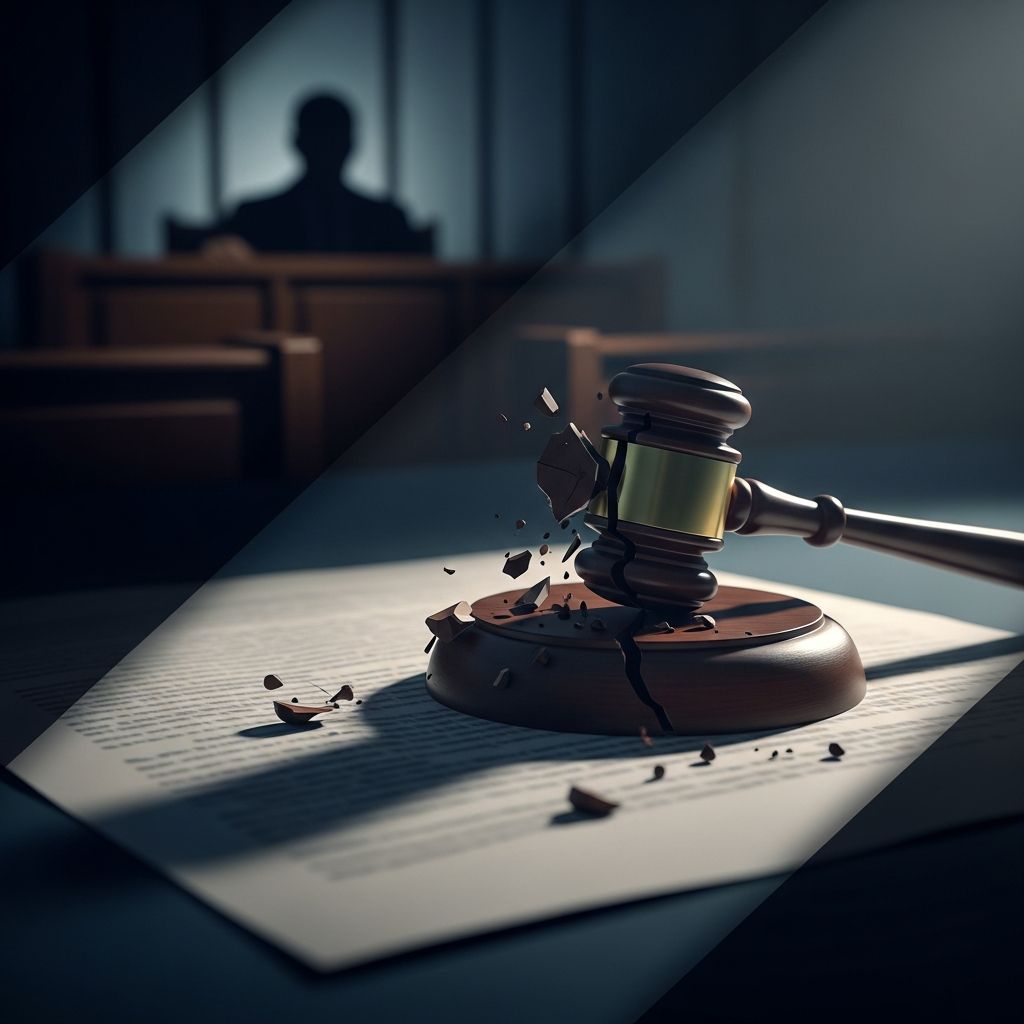
Obstruction of justice is a broad criminal offense that targets conduct which interferes with investigations, court cases, or the work of law enforcement and other officials responsible for enforcing the law. Although it may sound abstract, it often arises from very concrete actions, such as hiding evidence, threatening a witness, or lying to investigators.
This guide explains what obstruction of justice means, how it is charged, the types of conduct that can qualify, possible penalties, and key defense issues.
Core Concept: What Is Obstruction of Justice?
In general terms, obstruction of justice refers to any intentional act that unlawfully blocks, delays, or corruptly influences a government investigation, court proceeding, or enforcement action. In the United States, many specific statutes—especially at the federal level—cover different forms of obstruction, such as tampering with witnesses or destroying evidence.
- Focus of the crime: Protecting the integrity of the legal system itself, rather than punishing the underlying offense being investigated.
- Typical settings: Police investigations, grand jury proceedings, criminal and civil trials, administrative hearings, and legislative inquiries.
- Key theme: The law is concerned not only with outcomes but with ensuring that courts and investigators can do their jobs fairly and without improper interference.
Legal Ingredients: Act and Intent
Although the exact wording varies by statute and jurisdiction, most obstruction offenses share two essential components:
- Prohibited conduct: An act (or attempt) that interferes with, misleads, or impedes an investigation, proceeding, or official duty.
- Culpable intent: The person must act knowingly and often “corruptly”—that is, with the purpose of gaining an improper advantage or undermining the legal process.
Negligent mistakes, confusion about procedures, or exercising legitimate legal rights (such as remaining silent on advice of counsel) usually are not enough by themselves to create obstruction liability.
Common Types of Obstructive Conduct
Obstruction of justice is not a single behavior. Instead, it is an umbrella concept that includes many specific acts, several of which are separately criminalized under federal law and most state codes.
1. Interfering with Witnesses
Witness tampering is one of the most frequently cited forms of obstruction. Federal law makes it a crime to use threats, force, intimidation, or corrupt persuasion to influence, delay, or prevent a person’s testimony in an official proceeding, or to cause them to withhold records or be absent from a hearing.
Typical examples include:
- Pressuring a witness not to testify or to change their story.
- Offering money or other benefits to influence testimony.
- Threatening harm to a witness, their family, or their property.
Under 18 U.S.C. § 1512, penalties for serious witness tampering in federal cases can reach up to 30 years in prison when physical force or attempts to kill a witness are involved.
2. Destroying, Altering, or Concealing Evidence
Another major category involves tampering with physical or digital evidence. Federal law prohibits altering, destroying, mutilating, or hiding documents or other objects with the intent to impair their availability or integrity in an official proceeding or investigation.
Conduct that may lead to obstruction charges includes:
- Shredding documents after learning about an investigation.
- Deleting computer files or text messages relevant to a case.
- Hiding or moving physical objects investigators are seeking.
These acts are treated as particularly serious because they can permanently damage the ability of courts or investigators to determine what actually happened.
3. Lying to Investigators or in Court
Providing false information to law enforcement or during official proceedings can support obstruction charges, especially when it is part of a broader effort to derail or corrupt a case. In some contexts, that behavior may also be charged separately as perjury (lying under oath) or making false statements.
Key distinctions include:
- Perjury: Knowingly making false statements while under oath in court or similar settings.
- False statements: Knowingly lying to federal investigators in matters within federal jurisdiction (e.g., under 18 U.S.C. § 1001).
- Obstruction: When false information is used as part of a scheme to hinder or mislead an investigation or proceeding.
4. Interfering with Police and Other Officials
Many states criminalize resistance, delay, or obstruction of law enforcement officers who are performing their duties, such as serving a warrant, arresting someone, or securing a crime scene. At the federal level, similar conduct can fall under statutes that address interference with court orders, administrative proceedings, or other official functions.
Examples include:
- Physically preventing officers from interviewing a witness.
- Blocking access to premises subject to a search or seizure.
- Using threats or force to make officials abandon lawful duties.
5. Jury and Courtroom Interference
Obstruction statutes target efforts to improperly influence judges, jurors, and court officers. For instance, federal law (18 U.S.C. § 1503) prohibits corruptly or by threats or force influencing or endeavoring to influence a juror or officer of the court in the performance of their duties, with severe maximum penalties in extreme cases.
Conduct may include:
- Attempting to bribe a juror or judge.
- Threatening jurors before, during, or after a trial.
- Coordinated efforts to disrupt the functioning of a courtroom.
Federal vs. State Obstruction Charges
Obstruction of justice laws exist at both the federal and state levels. The basic idea—protecting the integrity of legal processes—is consistent, but the details, terminology, and penalties can vary significantly.
| Feature | Federal Obstruction | State Obstruction (Example) |
|---|---|---|
| Typical Scope | Interference with federal investigations, courts, agencies, and officials. | Interference with state and local police, courts, and regulatory processes. |
| Examples of Statutes | 18 U.S.C. §§ 1503, 1505, 1510, 1512, 1519, etc. | Resisting or obstructing an officer, tampering with evidence, witness intimidation codes (varies by state). |
| Potential Penalties | Often felonies; serious forms can carry 20+ years in prison. | May be misdemeanors or felonies; sentencing ranges vary by jurisdiction and statute. |
| Triggering Circumstances | Conduct affecting federal proceedings, multi-state schemes, or federal officials. | Conduct affecting local police investigations and state court matters. |
How Serious Are Obstruction Penalties?
Penalties for obstruction of justice depend on the type of conduct, the specific statute used, and whether the case is prosecuted in federal or state court. In general, penalties increase when the obstruction relates to serious underlying offenses, involves force or threats, or causes substantial harm to the integrity of a proceeding.
- Federal level: Certain obstruction statutes allow for maximum penalties ranging from several years to more than 20 years of imprisonment, especially in cases involving threats, violence, or attempts to kill a witness or officer.
- State level: Obstruction-related crimes may be charged as misdemeanors (with up to a year in jail) or felonies (with multi-year prison terms), and often include fines and probation conditions.
- Collateral consequences: A conviction can affect voting rights (in some jurisdictions), firearm eligibility, immigration status, professional licensing, and employment opportunities.
Judges typically consider several factors at sentencing, including the defendant’s prior criminal record, the nature of the obstructive conduct, the stage of the legal process that was affected, and whether the interference actually changed or threatened to change the outcome of a case.
Intent and Defenses in Obstruction Cases
Because obstruction laws are often written broadly, the element of intent is central to most defenses. Prosecutors must usually show that the defendant acted knowingly and with a wrongful purpose, not merely by accident or misunderstanding.
1. Lack of Corrupt Intent
Many obstruction statutes use terms like “corruptly,” “willfully,” or “knowingly” to describe the state of mind required. A defense may argue that the accused lacked such intent—for example, they did not realize an investigation was underway or did not understand that their actions were unlawful.
- Deleting files as part of routine data management, rather than to hide evidence.
- Communicating with a witness without any purpose of influencing their testimony.
- Misinterpreting an officer’s instructions without any desire to obstruct.
2. Exercising Legal Rights
Individuals maintain core constitutional rights even during investigations and trials, including the right to remain silent and the right to consult an attorney. As recognized in legal scholarship and case law, exercising these rights is not, by itself, obstruction of justice.
For example:
- Refusing to answer questions without a lawyer present generally does not constitute obstruction.
- Filing legitimate motions, appeals, or complaints—even if they delay proceedings—falls within normal legal advocacy.
3. Ambiguity or Overbreadth Challenges
Because obstruction statutes may sweep broadly, defense attorneys sometimes challenge them as vague or overbroad in particular applications. Courts then examine whether a statute provides fair notice of what conduct is prohibited and whether it risks punishing ordinary, lawful behavior.
4. Affirmative Defenses in Certain Statutes
Some obstruction provisions expressly recognize specific defenses. For example, federal witness tampering law includes an affirmative defense when the accused engaged only in lawful conduct and intended solely to encourage another person to testify truthfully.
Each statute may define its own limits and exceptions, so careful statutory analysis is critical in any given case.
Practical Tips If Obstruction Might Be an Issue
Anyone who becomes involved in a criminal or civil investigation should take care not to unintentionally cross into obstructive behavior. While only a qualified attorney can provide advice specific to a situation, some general precautions are widely recognized in legal practice:
- Do not destroy or alter potential evidence. Once you are aware of a possible investigation or legal dispute, you should avoid deleting records, discarding documents, or modifying physical items that could later become relevant.
- Be cautious in communications with witnesses or co-parties. Even informal conversations may be scrutinized if authorities suspect witness tampering or coordination of false stories.
- Consult legal counsel before speaking with investigators. An attorney can help you understand your rights and obligations and can often communicate with authorities on your behalf.
- Follow court orders and subpoenas promptly. Ignoring or evading legal process can transform a manageable situation into a separate criminal problem.
Frequently Asked Questions (FAQs)
Q: Can simply refusing to talk to the police be obstruction of justice?
In most situations, no. People generally have a constitutional right to remain silent and not incriminate themselves. Choosing not to answer questions—especially on advice of counsel—usually does not amount to obstruction. Problems arise when someone lies, destroys evidence, or pressures others to withhold information.
Q: Is destroying my own property considered obstruction?
It can be, if the property contains information or objects relevant to an investigation or proceeding and you act with the intent to keep that material from law enforcement or the courts. Federal and state evidence-tampering statutes focus on the impact on the legal process, not on who owns the evidence.
Q: Do I have to know about an investigation to be guilty of obstruction?
Generally, obstruction requires that you know or should reasonably know that a proceeding, investigation, or official duty exists or is foreseeable. If you had no idea that your conduct would affect a legal process, prosecutors may have difficulty proving the required intent.
Q: Can lawyers be charged with obstruction of justice?
Yes. Attorneys are subject to the same criminal laws as anyone else. While vigorous advocacy is protected, knowingly destroying evidence, suborning perjury, or corruptly counselling clients to conceal information can lead to obstruction charges, disciplinary actions, or both.
Q: Is every violation of a court order obstruction?
Not necessarily. Many violations are handled as contempt of court, which is a related but distinct concept. However, federal law specifically criminalizes willfully preventing, obstructing, or impeding the performance of duties under certain court orders, and more egregious or intentional violations can be prosecuted as obstruction.
References
- Obstruction of Justice — Legal Information Institute, Cornell Law School. 2022-05-03. https://www.law.cornell.edu/wex/obstruction_of_justice
- 18 U.S. Code Chapter 73 – Obstruction of Justice — Office of the Law Revision Counsel, U.S. House of Representatives. 2024-01-01. https://uscode.house.gov/view.xhtml?path=/prelim@title18/part1/chapter73&edition=prelim
- What Is Considered Obstruction of Justice in California? — Law Offices of Christopher J. McCann. 2023-02-10. https://lnlegal.com/criminal-defense/what-is-considered-obstruction-of-justice-in-cal/
- Obstruction of Justice — Office of Justice Programs, National Criminal Justice Reference Service. 1996-01-01. https://www.ojp.gov/ncjrs/virtual-library/abstracts/obstruction-justice-6
- What is Federal Obstruction of Justice? — Varghese Summersett PLLC. 2022-08-15. https://versustexas.com/federal-obstruction-of-justice/
Similar Articles








Read full bio of Sneha Tete




