
Understanding and Managing Common Construction Defects
Learn the major categories of construction defects, how they arise, and what legal and practical steps owners can take to protect their property.
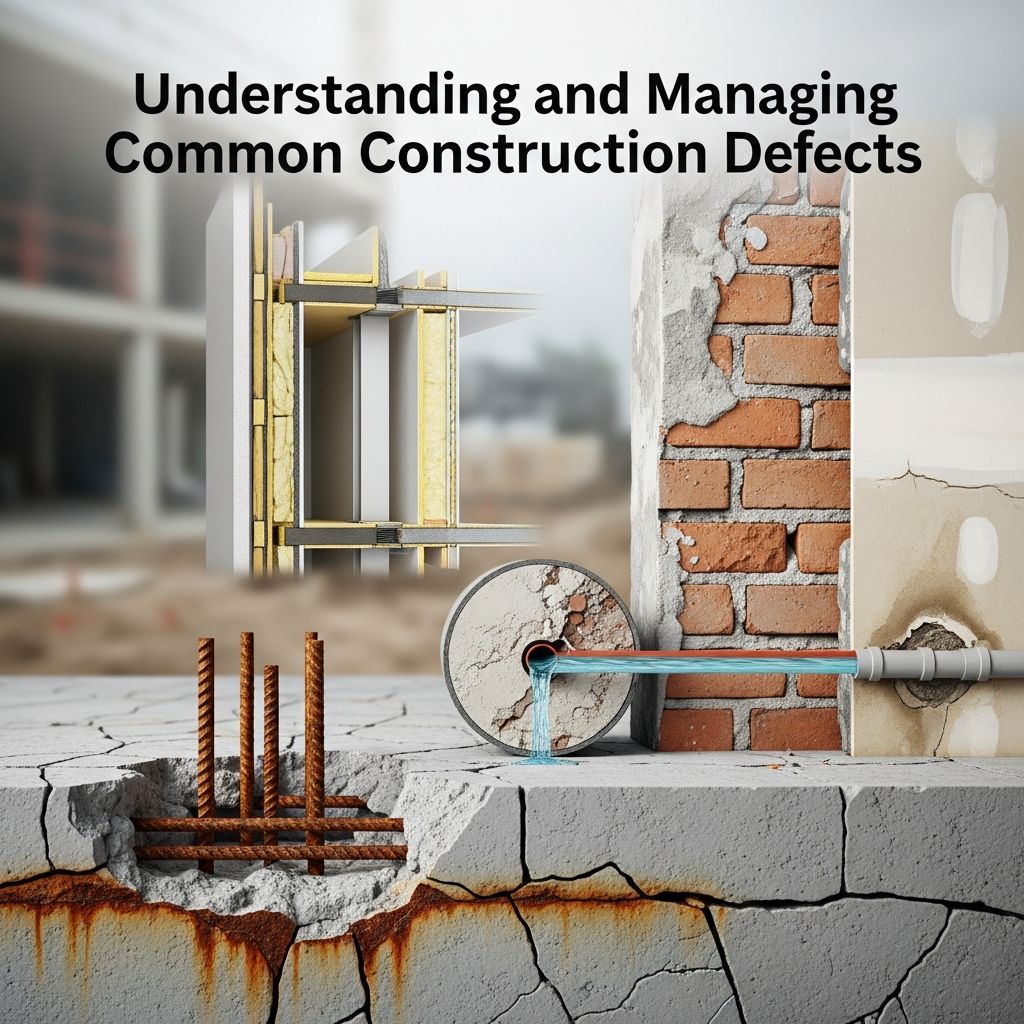
Buying or building a home or commercial property is often one of the largest financial commitments a person will ever make. When defects appear in the structure, systems, or finishes, they can threaten safety, reduce property value, and trigger expensive repairs. This guide explains the main types of construction defects, how to spot them, and what options owners may have to address them.
What Is a Construction Defect?
A construction defect is generally any condition in a building that departs from applicable codes, plans, or industry standards, and that results in damage, safety risks, or loss of use. Courts and statutes often define defects in terms of whether the work meets the standard of a reasonably skilled contractor and whether the property performs as intended.
In many U.S. jurisdictions, defects may involve:
- Failure to comply with building codes or engineering standards
- Deviation from approved plans and specifications
- Use of materials that are defective, inappropriate, or below specified quality
- Workmanship that falls below accepted trade practice
- Site or soil conditions that were improperly evaluated or handled
Legal disputes over construction defects commonly focus on whether the problem is serious enough to affect structural integrity, habitability, or the expected function of the building.
Major Categories of Construction Defects
While every project is unique, most problems fall into a small number of recurring categories. Understanding these categories helps owners and professionals analyze where things went wrong and who may be responsible.
| Category | Typical Source | Common Examples |
|---|---|---|
| Design defects | Architects, engineers, design consultants | Undersized structural members, inadequate drainage, flawed roof geometry |
| Material defects | Manufacturers, suppliers | Defective roofing, warped lumber, failing sealants, faulty plumbing components |
| Workmanship / construction defects | Contractors, subcontractors, trades | Improper waterproofing, out-of-level slabs, poor electrical or plumbing installation |
| Subsurface or site defects | Developers, geotechnical professionals, site contractors | Settlement from expansive soils, inadequate compaction, poor grading and drainage |
Design-Related Construction Defects
Design defects originate in the plans and specifications prepared by architects, engineers, or other design professionals. Even when contractors build exactly what is shown, a flawed design can produce a defective building.
How Design Errors Arise
- Miscalculation of structural loads or inadequate reinforcement
- Failure to consider local climate, wind, or snow loads
- Insufficient attention to water management and drainage
- Omissions or inconsistencies between drawings and specifications
- Noncompliance with building codes or zoning requirements
Examples of Design Defects
- A roof configuration that traps water and channels it toward vulnerable joints
- Balcony or deck framing that cannot safely support expected loads
- HVAC design that cannot maintain code-required ventilation or indoor air quality
- Insufficient flashing details around windows leading to chronic leaks
In disputes, owners may pursue claims against design professionals for negligence or breach of professional standards when the defect can be traced to errors in the design rather than to poor execution.
Defective or Inappropriate Building Materials
Material defects arise when components supplied to the project are inherently faulty or not suited to the conditions of use. These problems can be localized to specific products or systemic if widely used throughout the project.
Sources of Material Problems
- Manufacturing flaws that cause premature failure
- Improper storage or transport that damages products before installation
- Use of materials not rated for local climate or exposure conditions
- Substitutions of lower-quality products without proper approval
Typical Material Defect Scenarios
- Roofing membranes that crack prematurely, leading to leaks and interior damage
- Window units with defective seals that allow condensation or water intrusion
- Structural panels that delaminate when exposed to normal moisture levels
- Plumbing components prone to bursting or leaking under ordinary water pressure
When defective products are involved, owners may have claims under product liability theories or express and implied warranties against manufacturers and suppliers, in addition to any claims against builders who selected or installed the materials.
Workmanship and Construction-Phase Defects
Workmanship defects occur when contractors fail to construct the project in a competent, workmanlike manner. Even a sound design and good materials can result in a defective building if the installation is incorrect.
Common Workmanship Issues
- Poorly executed waterproofing and flashing at roofs, decks, and openings
- Improper slope on balconies, paving, or landscaping, causing water to flow toward the structure
- Inadequate support, bracing, or fastening of structural members
- Substandard electrical work leading to overloaded circuits or fire risks
- Plumbing assembled with improper fittings, causing hidden leaks
Warning Signs of Workmanship Problems
- Cracked or uneven interior floors
- Doors and windows that bind, stick, or will not latch properly
- Recurring roof leaks, especially near penetrations and transitions
- Visible gaps at trim, siding, or interior finishes
- Flickering lights or frequently tripping breakers
Courts often evaluate workmanship against the standard of a reasonably skilled contractor under similar circumstances, as reflected in case law and building-industry standards.
Subsurface and Site-Related Defects
Subsurface defects concern the conditions below and around the building. If soils are not adequately studied, compacted, or drained, even a well-built structure can experience serious movement and damage.
Typical Site and Soil Problems
- Expansive clays that swell and shrink with moisture changes, causing foundation movement
- Fill that was not properly compacted before construction
- Inadequate drainage that allows water to collect near the foundation
- Construction on slopes without sufficient stabilization or retaining structures
These issues can lead to:
- Cracked foundations, slabs, and masonry
- Walls or floors that slope noticeably
- Separation between walls and ceilings
- Distorted door and window frames
Geotechnical studies and proper grading are critical risk-management tools. The U.S. Geological Survey and other agencies note that expansive soils and land subsidence cause billions of dollars in damage annually in the United States.
Patent vs. Latent Defects
Construction problems are often divided into two broad categories that affect inspection strategies and legal deadlines.
Patent Defects
Patent defects are conditions that are reasonably apparent upon ordinary inspection. Examples include obvious roof leaks after a storm, visible cracking in stucco, or misaligned cabinets.
Because patent defects are discoverable with reasonable diligence, laws in many jurisdictions expect owners to raise these issues promptly and may limit claims if they delay unreasonably.
Latent Defects
Latent defects are hidden problems that are not readily observable and may remain concealed for years. Examples include:
- Improper reinforcing steel buried within concrete
- Hidden plumbing leaks inside walls or under slabs
- Inadequate structural connections covered by finishes
- Water intrusion within the building envelope that only becomes evident as mold or rot
Many jurisdictions have special limitation periods for latent defects that begin running when the problem is or should have been discovered, rather than at completion of construction, subject to an overall outer limit known as a statute of repose.
Frequent Manifestations of Construction Defects
Different categories of defects can produce similar symptoms. Recognizing these warning signs early can reduce damage and support any later claims.
Water Intrusion and Moisture Damage
- Stains or discoloration on ceilings, walls, or around windows
- Musty odors indicating possible mold growth
- Peeling paint, warped flooring, or swollen baseboards
- Deteriorated exterior cladding, trim, or sheathing
Water intrusion is frequently cited in litigation because it can compromise structural members, promote mold, and affect indoor air quality. Public health agencies emphasize that damp buildings can aggravate asthma and other respiratory conditions.
Structural and Foundation Problems
- Diagonal cracks extending from window or door corners
- Cracks wider than hairline or that change over time
- Floors sloping noticeably in one direction
- Gaps where walls meet ceilings or baseboards
While some cracking is normal as buildings settle, significant or progressive movement may point to design, workmanship, or subsurface defects.
Mechanical, Electrical, and Plumbing Issues
- Frequent pipe leaks or unexplained spikes in water usage
- Inconsistent heating or cooling across rooms
- Overly noisy mechanical systems
- Repeated tripping of breakers or dimming lights when appliances run
Defects in these systems may originate in design (improper equipment sizing), materials (defective components), or workmanship (improper installation).
Steps Owners Can Take When Defects Are Suspected
When an owner notices signs of potential construction defects, organized and timely action is critical.
1. Document Conditions Thoroughly
- Photograph and, if safe, video any visible problems and their progression
- Keep a log of dates, weather events, and when symptoms appear
- Preserve invoices, contracts, warranties, and correspondence with contractors
2. Seek Qualified Professional Evaluation
- Engage licensed engineers, architects, or building consultants as needed
- Request written reports describing probable causes and recommended repairs
- Consider testing (for example, moisture meters or invasive probes) where appropriate
Objective expert analysis is often essential if the matter later proceeds to insurance claims or litigation.
3. Review Contracts, Warranties, and Deadlines
- Examine construction contracts for warranty provisions and notice requirements
- Review any separate manufacturer warranties for roofing, windows, or systems
- Be aware of statutes of limitation and repose that restrict how long you have to pursue claims
Many states impose different deadlines for contract, negligence, and statutory claims, so prompt legal advice can be crucial.
4. Provide Written Notice and Explore Resolution
- Give written notice of defects to the contractor, developer, or other responsible parties
- Follow any state-mandated pre-litigation procedures for construction defect claims
- Consider mediation, arbitration, or negotiation before filing suit, where appropriate
Some jurisdictions have specific “right to repair” or notice-and-opportunity statutes that require owners to allow builders a chance to inspect and propose repairs before initiating litigation.
Risk Management for Future Projects
Property owners and developers can reduce the likelihood and severity of construction defects through careful planning and oversight.
- Preconstruction due diligence: Thoroughly vet design professionals and contractors; verify licenses and insurance; review prior project history.
- Clear contracts: Use detailed agreements that define performance standards, quality of materials, warranty terms, and dispute-resolution procedures.
- Independent inspections: Supplement code inspections with third-party quality-control reviews at key stages of construction.
- Attention to water management: Prioritize drainage, roofing, flashing, and building-envelope details, which are common sources of claims.
- Maintenance planning: After completion, follow manufacturer maintenance recommendations and keep records, as neglect can complicate defect claims.
Frequently Asked Questions (FAQs)
Q: What makes a problem a legal “construction defect” rather than just normal wear and tear?
A: A condition is more likely to be treated as a construction defect when it can be traced to design, materials, workmanship, or site preparation that fell below applicable codes, contract requirements, or industry standards, and when it causes damage, safety risks, or failure of the building to perform as reasonably expected.
Q: How long do I have to bring a construction defect claim?
A: Time limits depend heavily on state law and may include both statutes of limitation (often measured from discovery of the defect) and statutes of repose (measured from substantial completion of construction). Because these rules vary widely, owners should consult a qualified attorney promptly after discovering potential defects.
Q: Do I need an expert to prove a construction defect?
A: In many cases, yes. Courts often require testimony from architects, engineers, or other qualified experts to explain how the work deviated from standards, who is responsible, and what repairs are necessary. Expert opinions can be critical in differentiating true defects from minor cosmetic issues.
Q: Can I still have a claim if the builder has gone out of business?
A: Potentially. Depending on the facts and local law, you might have claims against other parties such as design professionals, product manufacturers, subcontractors, or insurers. Legal counsel can help identify all potentially responsible parties and evaluate available insurance coverage.
Q: Should I attempt repairs before speaking with a lawyer?
A: Emergency steps to protect health and safety or prevent further damage are often necessary, but non-urgent repairs may affect evidence and legal options. When possible, document conditions carefully, retain samples of defective materials, and obtain legal advice before undertaking extensive repairs.
References
- Construction Defects: Building Blocks 101 — Advocate Magazine. 2014-03-01. https://www.advocatemagazine.com/article/2014-march/building-blocks-construction-defects-101
- Land Subsidence in the United States — U.S. Geological Survey. 1999-01-01. https://pubs.usgs.gov/circ/circ1182/
- Types of Construction Defects — Travelers Insurance. 2021-09-01. https://www.travelers.com/resources/business-industries/construction/types-of-construction-defects
- Dampness and Mold in Buildings — U.S. Environmental Protection Agency. 2023-04-15. https://www.epa.gov/mold
- Residential Construction Liability Acts: An Overview — National Conference of State Legislatures. 2018-04-16. https://www.ncsl.org/civil-and-criminal-justice/residential-construction-liability-acts-overview
Similar Articles








Read full bio of medha deb


