
Georgia Marijuana Laws: Penalties, Possession, And Low-THC
A detailed, plain-language guide to Georgia’s marijuana rules, penalties, and limited medical cannabis exceptions.
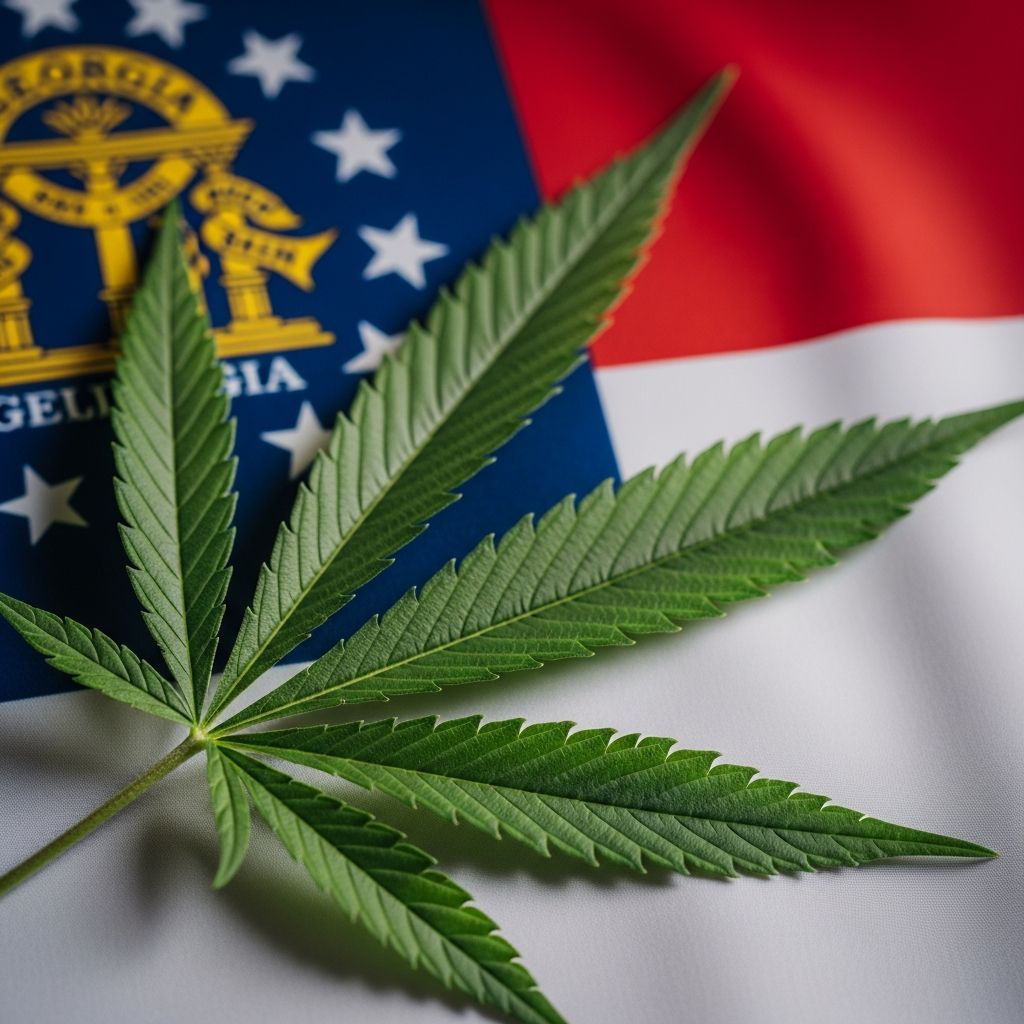
Georgia maintains some of the stricter marijuana laws in the United States. While a narrow medical cannabis program exists for low-THC oil, recreational possession, sale, and cultivation of marijuana remain illegal and can bring significant criminal penalties.
This guide explains how Georgia law classifies marijuana, what penalties apply to different conduct, how low-THC medical cannabis fits into the picture, and what anyone in Georgia should know before encountering marijuana-related charges.
1. How Georgia Legally Defines Marijuana and Related Substances
Georgia law treats marijuana as a controlled substance and distinguishes it from other cannabis-related products such as hash and concentrates.
- Marijuana (plant material): Typically refers to cannabis containing more than a very small amount of THC, including leaves, flowers, and mixtures of plant parts.
- Hash and concentrates: Resins, oils, waxes, or other extracted products with higher THC concentrations; in Georgia, these are punished separately and usually more severely than raw plant material.
- Low-THC oil: Specialized cannabis oil containing a limited percentage of THC, defined by Georgia’s medical cannabis law and allowed only in tightly controlled circumstances (discussed below).
All non-medical marijuana remains illegal to possess, sell, distribute, or cultivate in Georgia under the state’s controlled substances statutes.
2. Criminal Penalties for Marijuana Possession
Georgia differentiates possession offenses mainly by the weight of marijuana involved and whether it is treated as personal use or something more serious. Even so, penalties can escalate quickly.
2.1 Possession for Personal Use (Plant Material)
| Amount of Marijuana | Classification | Possible Incarceration | Maximum Fine |
|---|---|---|---|
| 1 ounce or less | Misdemeanor | Up to 12 months in jail | Up to $1,000 |
| More than 1 ounce | Felony | 1 to 10 years in prison (often a mandatory minimum of 1 year) | Up to $5,000 |
Being caught with even slightly more than one ounce moves a case from misdemeanor to felony status, dramatically increasing the potential consequences.
2.2 Possession with Intent to Distribute
When the quantity is larger or other evidence suggests more than personal use, prosecutors may charge possession with intent to distribute or trafficking. Georgia ties these penalties closely to the total weight involved.
| Weight of Marijuana | Charge Type | Mandatory Prison Range | Maximum Fine |
|---|---|---|---|
| 10 pounds or less | Felony (intent to distribute) | 1 to 10 years | Up to $5,000 |
| 10 to 2,000 pounds | Felony trafficking | 5 to 30 years (mandatory minimum of 5 years) | $100,000 |
| 2,000 to 10,000 pounds | Felony trafficking | 7 to 30 years (mandatory minimum of 7 years) | $250,000 |
| More than 10,000 pounds | Felony trafficking | 15 to 30 years (mandatory minimum of 15 years) | $1,000,000 |
Georgia’s trafficking scheme imposes mandatory minimum sentences, meaning judges generally cannot sentence below the minimum term required by statute.
3. Sale, Delivery, and Distribution Offenses
Georgia treats selling, giving away, or otherwise distributing marijuana as serious felonies. The penalty ranges for sale or delivery closely track the ranges for possession with intent to distribute and trafficking.
- Sale or delivery of 10 pounds or less: Felony, 1 to 10 years in prison, up to $5,000 fine.
- Sale or trafficking of 10 to 2,000 pounds: Felony, 5 to 30 years, up to $100,000 fine.
- Sale or trafficking of 2,000 to 10,000 pounds: Felony, 7 to 30 years, up to $250,000 fine.
- Sale or trafficking of more than 10,000 pounds: Felony, 15 to 30 years, up to $1,000,000 fine.
In addition, using or involving minors under 17 years old in marijuana distribution exposes a person to a separate felony punishable by 5 to 20 years in prison and fines of up to $20,000.
4. Cultivation and Growing Cannabis Plants
Growing marijuana plants in Georgia is treated similarly to possessing large quantities of processed marijuana. Cultivation is a felony and often prosecuted under the same penalty structure used for trafficking.
- Cultivating 10 pounds or less (by weight of usable marijuana): Felony, 1 to 10 years, up to $5,000 fine.
- Cultivating 10 to 2,000 pounds: Felony, 5 to 30 years, $100,000 fine.
- Cultivating 2,000 to 10,000 pounds: Felony, 7 to 30 years, $250,000 fine.
- Cultivating more than 10,000 pounds: Felony, 15 to 30 years, $1,000,000 fine.
Because cultivation cases often involve multiple plants, law enforcement may estimate the potential processed weight to determine which penalty bracket applies.
5. Hash, Concentrates, and Other Cannabis Extracts
Georgia law treats hashish and other concentrated cannabis products as a separate category. These are generally punished more harshly than similar quantities of plant marijuana.
| Quantity of Hash/Concentrate | Offense Type | Possible Incarceration | Maximum Fine |
|---|---|---|---|
| Less than 1 g (solid) or less than 1 ml (liquid) | Felony possession | 1 to 3 years (mandatory minimum of 1 year) | Up to $5,000 |
| 1 g to less than 4 g (solid) or 1 ml to less than 4 ml (liquid) | Felony possession | 1 to 8 years | Up to $5,000 |
| 4 g to less than 28 g (solid) or 4 ml to less than 28 ml (liquid) | Felony possession | 1 to 15 years | Up to $5,000 |
| Any amount when manufacturing, selling, or distributing | Felony | 5 to 40 years | Up to $5,000 |
Because concentrates are potent and compact, even very small amounts can result in long prison exposure under Georgia law.
6. Drug-Free Zones and Enhanced Penalties
Georgia imposes harsher punishment when marijuana offenses occur in or near designated areas intended to be drug-free.
- Within 1,000 feet of school grounds
- Within 1,000 feet of a public park
- Within 1,000 feet of a public housing project
- Within a designated drug-free commercial zone, if applicable
In these zones, many marijuana offenses become felonies carrying 5 to 40 years in prison and fines up to $40,000, even for quantities that would otherwise result in lower penalties.
7. Drug Paraphernalia and Property Forfeiture
Georgia also criminalizes the possession and sale of drug paraphernalia and permits forfeiture of property connected to marijuana crimes.
- Paraphernalia: Possession or sale of items used to ingest, store, or process marijuana (such as certain pipes, bongs, or scales) is a misdemeanor punishable by up to 1 year in jail and fines up to $1,000; subsequent offenses can carry additional penalties.
- Forfeiture: Vehicles, cash, and other property believed to be used to transport or facilitate drug offenses may be seized and forfeited through civil or criminal proceedings.
These additional consequences can significantly increase the overall impact of even a single marijuana arrest.
8. Georgia’s Limited Medical Cannabis (Low-THC Oil) Program
Although recreational marijuana is illegal, Georgia has enacted a highly restricted medical cannabis framework focused on low-THC oil. State law allows qualifying patients to possess a small amount of low-THC cannabis oil if they meet specific conditions and register with the state.
Key features of Georgia’s low-THC medical cannabis system include (summary based on Georgia statutes and state health department guidance):
- Low-THC definition: Oil with a THC content capped by law (historically up to 5% THC by weight) and subject to volume limits per patient.
- Qualifying conditions: Certain serious illnesses, such as specific seizure disorders, late-stage cancer, and some neurodegenerative diseases, may qualify a patient for low-THC oil registration (exact conditions are defined by statute and periodically updated by the legislature and health authorities).
- Registry card requirement: Patients must obtain a state-issued registration card to lawfully possess low-THC oil, and possession without a card can still be treated as a criminal offense.
- No broad legalization: The program does not legalize smoking marijuana, home cultivation, or broad commercial sale of high-THC products.
Because the statutory framework and implementing regulations can change, patients and caregivers should consult the Georgia Department of Public Health or an attorney for the most current details on eligibility and compliance.
9. Local Trends and Decriminalization Efforts
In recent years, some Georgia municipalities—especially larger cities—have enacted ordinances reducing local penalties for small amounts of marijuana, often substituting fines for arrest. However, these ordinances do not change state law and may not prevent state-level charges.
- Local ordinances can reduce practical risk of jail for small-possession cases in that city.
- State law still authorizes up to 1 year in jail and a $1,000 fine for possession of 1 ounce or less.
- Law enforcement discretion and prosecutorial policies vary significantly from county to county.
Because of this patchwork, individuals should not assume that conduct tolerated in one city will be treated the same way elsewhere in Georgia.
10. Collateral Consequences of Marijuana Convictions
Beyond jail time and fines, a Georgia marijuana conviction can produce long-lasting consequences.
- Criminal record: Felony convictions, in particular, can make it harder to obtain jobs, professional licenses, and housing.
- Loss of civil rights: Felony convictions can affect voting rights, firearm possession, and eligibility for jury service under Georgia law.
- Driver’s license issues: Drug convictions can sometimes lead to driver’s license suspensions, depending on the specific statutes involved.
- Immigration risks: Non-citizens may face immigration consequences, including deportation or denial of naturalization, after certain drug convictions under federal law.
Because of these broader impacts, people facing marijuana charges are often advised to seek legal counsel to explore defenses, diversion programs, or plea options.
11. Frequently Asked Questions About Georgia Marijuana Laws
Q1: Is recreational marijuana legal in Georgia?
No. Recreational marijuana use, possession, sale, and cultivation are illegal under Georgia law. Only limited possession of low-THC oil is allowed for registered medical patients, and even that is tightly restricted.
Q2: What happens if I am caught with less than one ounce?
Possession of 1 ounce or less is a misdemeanor, punishable by up to 12 months in jail, fines up to $1,000, and possible community service. Some local jurisdictions may treat these cases less harshly, but the state-level maximum penalties still apply.
Q3: Can I grow marijuana plants at home for personal use?
No. Growing marijuana plants in Georgia is a felony. Penalties are generally tied to the total weight of usable marijuana the plants could produce, and can involve significant prison time and large fines.
Q4: Are CBD products legal in Georgia?
Hemp-derived CBD products containing no more than 0.3% THC by dry weight are legal under federal law and generally permitted in Georgia, but products exceeding that limit may be treated as illegal marijuana. Georgia’s low-THC medical program separately authorizes specific cannabis oil for qualifying patients.
Q5: Do I need a lawyer if I’m charged with a marijuana offense?
Marijuana offenses in Georgia can carry mandatory minimum prison terms and substantial fines. Because of the seriousness of these penalties and potential long-term consequences, many defendants choose to consult a criminal defense attorney familiar with Georgia drug law.
References
- Georgia Code § 16-13-30 (2024): Purchase, possession, manufacture, distribution, or sale of controlled substances — Georgia General Assembly. 2024-01-01. https://law.justia.com/codes/georgia/title-16/chapter-13/article-2/part-1/section-16-13-30/
- Georgia Laws and Penalties: Marijuana — NORML. 2024-01-01. https://norml.org/laws/georgia-penalties/
- Penalties for Possession — Burke County Sheriff’s Office (Georgia). 2023-01-01. https://www.burkecountysheriff.com/penalties-for-possession.cfm
- Georgia Marijuana Laws — Haralson County Sheriff’s Office (Georgia). 2023-01-01. https://www.haralsoncountysheriff.org/georgia-marijuana-laws.cfm
- Georgia’s Changing Marijuana Possession Laws — Blake Poole Law. 2022-10-01. https://blakepoolelaw.com/blog/the-trend-to-reduce-penalties-for-marijuana-possession-in-georgia
- Georgia Code Title 16, Chapter 13: Controlled Substances — Georgia General Assembly. 2024-01-01. https://law.justia.com/codes/georgia/title-16/chapter-13/
Similar Articles








Read full bio of Sneha Tete


