
Understanding Crime Classifications in U.S. Law
Learn how U.S. law classifies crimes, from felonies and misdemeanors to infractions, and why these categories matter for rights and penalties.
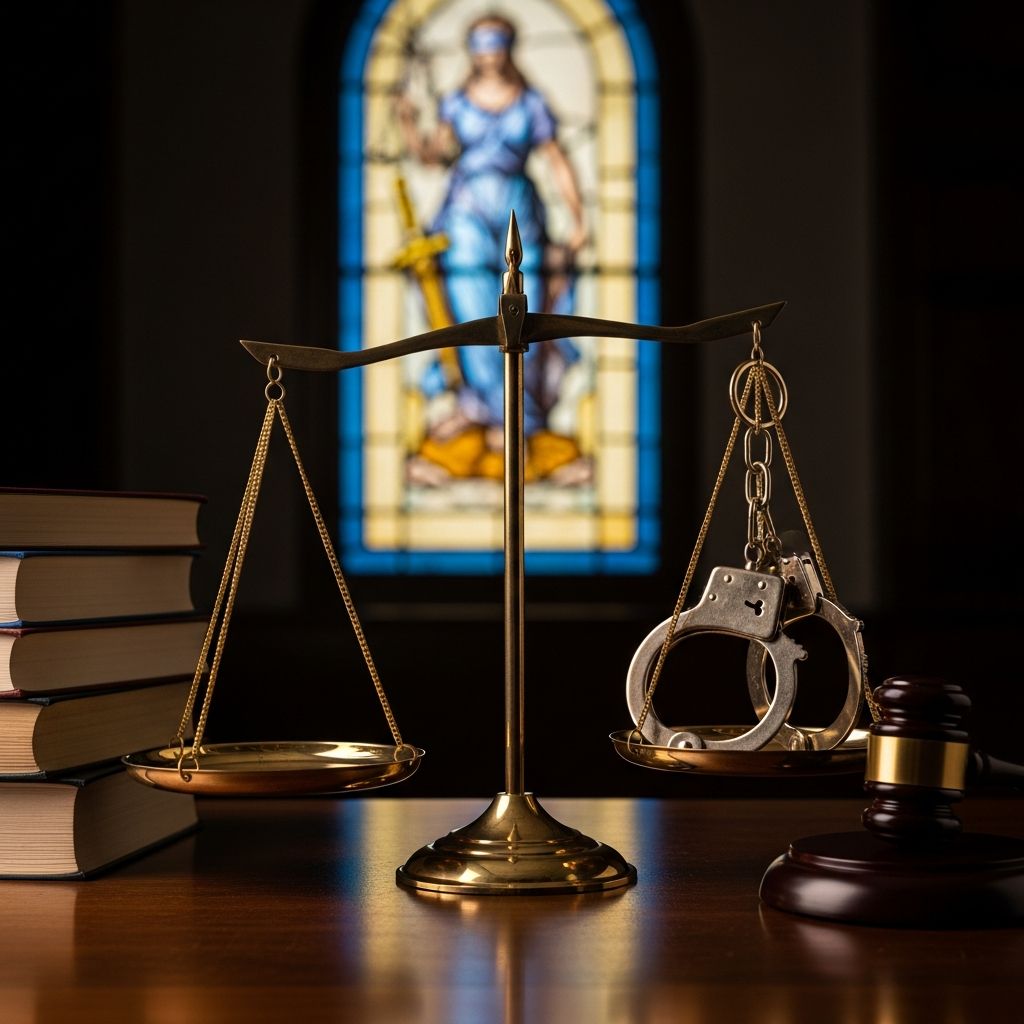
In the United States, criminal laws do more than simply label conduct as illegal. They also sort offenses into different classes of crimes, such as felonies, misdemeanors, and infractions. These categories determine how serious the offense is, what penalties are available, and what long-term consequences a conviction can bring.
This guide explains how crimes are classified, why those categories matter, and what you should know if you or someone you know is facing a criminal charge.
Why Crime Classification Matters
The way an offense is labeled under state or federal law has an immediate impact on the case and on a person’s life after the case ends.
- Maximum penalties – Classification controls the potential jail or prison term and the size of fines.
- Collateral consequences – Certain convictions trigger loss of rights, immigration issues, or professional licensing problems.
- Criminal record impact – More serious classifications are harder to seal, expunge, or overcome in background checks.
- Plea bargaining leverage – Prosecutors and defense lawyers negotiate differently depending on the class of the offense.
- Future sentencing – Prior felony or repeat misdemeanor convictions can lead to harsher punishment for later offenses.
Core Categories: Felonies, Misdemeanors, and Infractions
Although each state writes its own criminal code, most follow a similar three-level structure for general offense seriousness.
| Category | Typical Maximum Confinement | Common Penalties | General Examples |
|---|---|---|---|
| Felony | More than 1 year in prison (up to life or death for the most serious) | State or federal prison, large fines, probation, long-term supervision, loss of civil rights | Homicide, rape, robbery, large-scale fraud, serious drug trafficking |
| Misdemeanor | Up to 1 year in local jail | Jail, smaller fines, probation, community service | Simple assault, petty theft above a threshold, disorderly conduct |
| Infraction (or violation) | No jail; fines or non-custodial sanctions | Fines, traffic school, points on license, limited administrative penalties | Traffic tickets, minor ordinance violations |
Felonies: The Most Serious Crimes
Felonies are the highest level of criminal offense in the U.S. legal system. They typically involve grave harm, a serious risk of harm, or large-scale financial or societal damage.
General Definition and Sentencing Range
Under federal law, an offense is classified based on the maximum authorized term of imprisonment.
- Class A felony – Punishable by death or life imprisonment.
- Class B felony – Maximum at least 25 years.
- Class C felony – Maximum more than 10 but less than 25 years.
- Class D felony – Maximum more than 5 but less than 10 years.
- Class E felony – Maximum more than 1 but less than 5 years.
States use their own letter or degree systems, but the basic idea is the same: higher classes or lower numbers mean more serious felonies and greater penalties.
Common Types of Felony Offenses
- Crimes against persons
- Homicide (murder and manslaughter)
- Rape and other serious sexual assaults
- Kidnapping and aggravated assault
- Major property and financial crimes
- Arson and high-dollar burglary
- Large-scale theft or embezzlement
- Securities fraud, health care fraud, major identity theft
- Drug trafficking and organized crime
- Distribution or manufacture of controlled substances
- Participation in criminal organizations
Many jurisdictions allow otherwise lesser offenses to be charged as felonies if the defendant is a repeat offender or if certain aggravating factors are present.
Typical Consequences of a Felony Conviction
- Long-term or life imprisonment, and in some jurisdictions, the death penalty for the most extreme crimes.
- Substantial fines that can reach hundreds of thousands of dollars in federal cases.
- Loss or restriction of key civil rights, such as voting or firearm possession, depending on state law.
- Significant barriers in employment, housing, and licensing due to felony record notation.
Misdemeanors: Intermediate-Level Offenses
Misdemeanors occupy the middle ground between serious felonies and minor infractions. They are criminal offenses, but the law treats them as less severe because the harm or risk is more limited.
Defining Features of Misdemeanors
- Maximum sentence – Typically up to one year in a local or county jail, rather than state prison.
- Typical penalties – Short jail terms, probation, moderate fines, restitution, and community service.
- Sub-classification – Many states divide misdemeanors into classes or degrees (for example, Class A/B/C) to reflect differences in seriousness.
Examples of Misdemeanor Conduct
- Simple assault without serious bodily injury
- Shoplifting or petty theft where the value is above an infraction threshold but below felony levels
- Driving under the influence (DUI) in some first-offense scenarios
- Public intoxication or certain disorderly conduct offenses
- Lower-level drug possession, depending on the jurisdiction
Legal and Practical Consequences
- Criminal record – A misdemeanor conviction still creates a permanent criminal record unless later sealed or expunged.
- Professional impact – Certain professions (health care, law, finance, childcare) may treat specific misdemeanors as disqualifying.
- Immigration effects – Some misdemeanors, especially those involving drugs or violence, can carry immigration consequences.
- Future sentencing – Multiple misdemeanors can lead to harsher sentences on later charges or allow enhancement to felony status.
Infractions and Violations: The Least Serious Offenses
Infractions (sometimes called violations or petty offenses) are at the bottom of the criminal severity scale. They usually involve minor breaches of law that do not justify incarceration.
Key Characteristics
- No jail time – Infractions are typically punishable only by fines or other non-custodial penalties.
- Streamlined procedures – Cases are often handled quickly, sometimes without a formal court appearance if the person simply pays the fine.
- Limited criminal record effects – Some jurisdictions do not treat infractions as “crimes” for certain purposes, though they may still appear in records.
Common Examples
- Most routine traffic tickets (speeding, rolling stops)
- Certain municipal code violations (noise, public nuisance)
- Minor licensing or registration issues
Other Ways Crimes Are Classified
Beyond the basic felony–misdemeanor–infraction structure, criminal law also groups offenses by the type of harm they cause and by whether the conduct is considered inherently wrong.
By Type of Harm or Protected Interest
Many criminal codes and teaching materials divide offenses according to what interest the law is trying to protect.
- Offenses against persons – Homicide, assault, kidnapping, sexual offenses.
- Offenses against property – Theft, burglary, arson, vandalism.
- Offenses involving family or domestic relations – Bigamy, certain domestic violence crimes, failure to support.
- Offenses against public order or administration – Bribery, perjury, escape, obstruction of justice.
Mala in Se vs. Mala Prohibita
Legal scholars also distinguish between conduct that is considered inherently wrongful and conduct that is illegal only because a statute says so.
- Mala in se – Acts viewed as wrong in themselves, such as murder, rape, or robbery. These crimes are traditionally among the most serious offenses.
- Mala prohibita – Acts that are unlawful primarily because they are prohibited by regulation or statute, such as licensing violations, certain traffic offenses, or some drug possession laws.
This distinction helps explain why some regulatory offenses, although technically crimes, may be punished less severely than traditional violent or property offenses.
State vs. Federal Classifications
Most criminal prosecutions occur in state courts, but federal law also has its own classification system.
Federal Classification Framework
At the federal level, Congress has adopted a uniform scheme that defines classes of offenses based on maximum penalties.
- Class A–E felonies – Ranging from life or death eligibility to more than one but less than five years in prison.
- Class A–C misdemeanors – With maximum terms from more than 30 days up to one year in jail.
- Infractions – Offenses with a maximum imprisonment of five days or less, although they are usually punished by fines.
Variation Among States
States generally mirror this approach but use their own labels and ranges. For example, some state systems organize felonies by letter grades (A, B, C, etc.), while others use numbered degrees. Sentencing grids or guidelines often tie these classes to specific ranges of months or years in prison.
How Legislatures Decide Crime Classifications
Lawmakers consider several factors when deciding whether to make conduct a felony, misdemeanor, or infraction.
- Level of harm – Death, serious injury, or large financial losses typically point toward felony treatment.
- Risk to the public – Conduct that endangers many people (for example, arson or large-scale environmental violations) is more likely to be a felony.
- Blameworthiness – Intentional or premeditated acts are usually categorized more harshly than careless or negligent conduct.
- Deterrence goals – Legislatures sometimes increase classifications to send a strong message and discourage certain behaviors.
- Resource limits – Not all harmful conduct can realistically be treated as a felony given budget and prison capacity constraints.
Practical Tips if You Are Facing a Criminal Charge
Understanding classifications is a starting point, but individual cases always turn on the exact language of the statute and the facts alleged.
- Read the statute carefully – Look up the offense number or name in your state’s code to see whether it is a felony, misdemeanor, or infraction and what the maximum penalties are.
- Pay attention to enhancements – Prior convictions, use of a weapon, or injury to vulnerable victims can change the classification.
- Ask about alternatives – In some situations, plea agreements or diversion programs may reduce a felony to a misdemeanor or allow you to avoid a conviction entirely.
- Consider long-term effects – A conviction’s impact on employment, immigration, housing, and licensing can matter as much as the immediate sentence.
- Consult a qualified attorney – Only a licensed lawyer in your jurisdiction can advise you about the specific consequences of a charge under local law.
Frequently Asked Questions
Is a felony always more serious than a misdemeanor?
Yes. By definition, a felony authorizes more than one year of incarceration and typically carries more severe collateral consequences than any misdemeanor under U.S. law.
Can a misdemeanor be turned into a felony?
In some jurisdictions, repeat offenses or aggravating factors can elevate conduct that is normally a misdemeanor to a felony level, especially in theft, DUI, and domestic violence cases.
Do infractions go on my criminal record?
Many infractions are recorded in court or agency databases, particularly traffic violations, but some states do not treat them as “criminal convictions” in the same way as misdemeanors or felonies. The effect depends on local law and the type of background check used.
What is the difference between jail and prison?
Jails are usually local facilities used for short sentences (typically under one year) and for people awaiting trial, while prisons are state or federal institutions that house individuals serving longer sentences, typically for felonies.
Are all serious crimes felonies?
Most conduct widely viewed as serious—such as homicide, rape, and large-scale fraud—is classified as felony-level. However, legislatures can decide to treat some harmful but less severe conduct as high-level misdemeanors instead of felonies.
References
- 3.6 Classifications of Law – Introduction to the U.S. Criminal Justice System — Pennsylvania State University. 2020-01-01. https://psu.pb.unizin.org/criminaljusticemclean/chapter/8-6/
- Legal Classification of Criminal Offenses — Justia. 2023-06-01. https://www.justia.com/criminal/classification/
- What are the types of criminal law? — Thomson Reuters Legal. 2023-09-15. https://www.thomsonreuters.com/en-us/posts/legal/types-of-criminal-law/
- 18 U.S. Code § 3559 – Sentencing classification of offenses — Legal Information Institute, Cornell Law School. 2023-01-01. https://www.law.cornell.edu/uscode/text/18/3559
- Felonies, Misdemeanors, and Infractions: Classifying Crimes — Anthem EAP Legal Resources. 2022-05-01. https://www.anthemeap.com/hd/find-legal-support/resources/criminal-law/legal-assist/felonies-misdemeanors-and-infractions-classifying-crimes
- Classes of offenses under United States federal law — United States Sentencing Commission / U.S. Code summary via Wikipedia references. 2018-11-01. https://www.ussc.gov/sites/default/files/pdf/research-and-publications/annual-reports-and-sourcebooks/2018/AppendixA.pdf
- Classification of a Sample of Felony Offenses — North Carolina Judicial Branch. 2017-01-01. https://www.nccourts.gov/assets/documents/publications/Sample-list-2017.pdf
Similar Articles








Read full bio of Sneha Tete




