
Check Conversion: What It Means For Your Account, Explained
What it means when your paper check becomes an electronic payment and how it affects you.
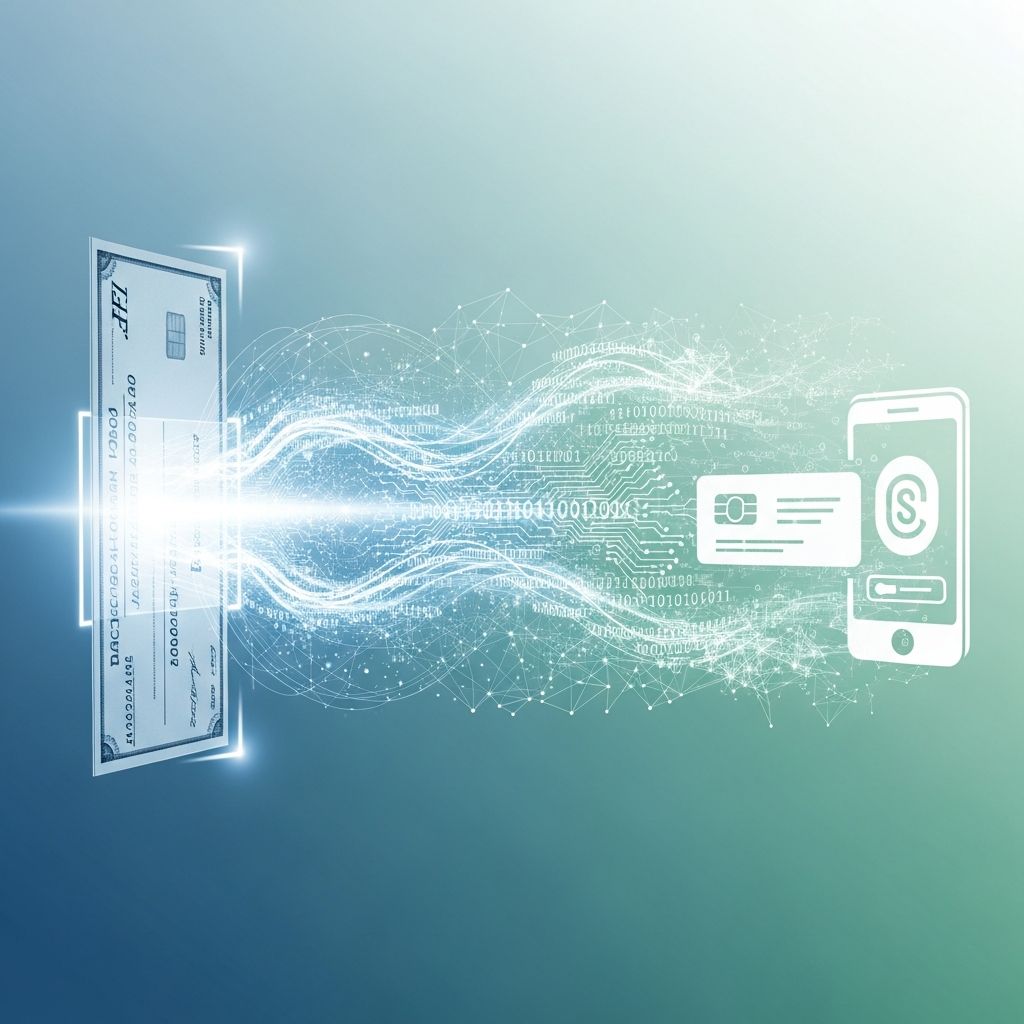
When Your Paper Check Becomes an Electronic Payment
Many people still write and receive paper checks, but behind the scenes, those checks are often no longer processed the way they used to be. Instead of being physically deposited and cleared through traditional banking channels, your check may be converted into an electronic funds transfer (EFT). If you’ve been told that your check was turned into an electronic payment, you’re not alone—and it’s important to understand what that actually means for your account, your rights, and how quickly the money will move.
What Is Check Conversion?
Check conversion is the process by which a business or organization takes a paper check you give them and uses it to create an electronic payment rather than depositing the physical check. This is common at retail stores, utility companies, landlords, and other service providers. The business scans or captures the routing and account numbers from your check and then initiates an electronic debit from your bank account, usually through the Automated Clearing House (ACH) network.
Once converted, the original check is typically voided or destroyed. You won’t see the paper check returned to you, and instead, the transaction will appear on your bank statement as an electronic debit, often labeled with the merchant’s name and possibly a reference like “eCheck” or “ACH debit.”
How the Electronic Funds Transfer Actually Works
When a check is converted to an EFT, the process follows a standard electronic payment flow:
- The business collects your check at the point of sale, over the phone, or by mail.
- They capture the bank’s routing number and your account number from the check.
- Using that information, they create an electronic payment instruction and submit it through the ACH network.
- Your bank receives the ACH debit request and, if funds are available, removes the amount from your account.
- The funds are then transferred to the business’s bank account.
This is functionally similar to a direct deposit in reverse: instead of money being pushed into your account, it’s pulled out electronically. The key difference from a traditional check is that no physical paper moves between banks; everything happens digitally, which is faster and cheaper for the business.
Why Businesses Convert Checks to Electronic Transfers
There are several practical reasons why a company might convert your check to an electronic payment:
- Speed: Electronic payments clear much faster than paper checks, which can take several days to process through the mail and clearing system.
- Cost: Processing paper checks involves printing, mailing, handling, and manual data entry. EFTs reduce these operational expenses.
- Reduced risk of bounced checks: While not foolproof, electronic processing can help businesses identify issues like closed accounts or invalid routing numbers more quickly.
- Convenience: For recurring payments (like rent or utilities), businesses can set up automatic electronic debits instead of collecting checks each month.
From the consumer’s perspective, this can mean faster payment processing and fewer delays, but it also changes how and when the money leaves your account.
What You Should See on Your Bank Statement
After a check is converted to an EFT, the transaction will appear on your account history as an electronic debit, not as a check. Typical details include:
- Merchant or payee name (e.g., “ABC Utility Co”)
- Transaction date
- Amount debited
- Transaction type (often labeled as ACH, eCheck, or EFT)
You may also receive a receipt or notice at the time of payment that explains the check was converted. This notice should include:
- A clear statement that the check is being converted to an electronic payment
- The amount that will be withdrawn
- The date the funds will be taken from your account
- Information about your rights, including how to stop payment or dispute the transaction
If you don’t see this notice or if the electronic debit doesn’t match what you expected, it’s important to contact both the business and your bank as soon as possible.
Consumer Protections When a Check Becomes an EFT
When a check is converted to an electronic funds transfer, certain federal consumer protections apply. The main law governing these transactions is the Electronic Fund Transfer Act (EFTA), which is implemented through Regulation E.
Under EFTA and Regulation E, you have several key rights:
- Right to receive notice: The business must inform you that your check is being converted and that an electronic debit will be made from your account.
- Right to stop payment: In many cases, you can stop an electronic check conversion before the funds are taken, just as you could stop a paper check. However, once the EFT has posted, stopping it becomes more difficult and may require a dispute.
- Right to dispute errors: If the wrong amount is taken, the payment is unauthorized, or the transaction is duplicated, you can dispute the error with your bank.
- Time limits for disputes: You generally have 60 days from the date of the statement showing the error to notify your bank in writing. The bank must investigate and usually must provisionally credit your account while the investigation is ongoing.
- Liability limits: If someone else’s information was used to convert your check without your permission, your liability is limited if you report it promptly.
These protections are similar to those for other electronic transactions like debit card purchases and ACH debits, but they only apply once the check has been converted into an EFT.
How Check Conversion Differs from Traditional Check Processing
It’s helpful to understand how check conversion compares to the traditional way checks are handled:
| Feature | Traditional Check | Converted Check (EFT) |
|---|---|---|
| Processing method | Physical check deposited and cleared through banks | Routing and account numbers used to create an electronic debit |
| Speed of funds movement | Slower (days to clear) | Faster (often within 1–3 business days) |
| Appearance on statement | Listed as a check number | Listed as an electronic debit (ACH, eCheck, etc.) |
| Consumer notice required | No special notice required | Business must inform you of conversion |
| Primary protections | Check warranty, bank policies | Electronic Fund Transfer Act (Regulation E) |
Because the converted check is treated as an EFT, the rules and timelines for disputes and error resolution are those that apply to electronic transfers, not paper checks.
What to Do If You Disagree with a Converted Check
If you believe a converted check was processed incorrectly, here’s what you should do:
- Contact the business first: If the amount is wrong, the payment was duplicated, or the service wasn’t provided, reach out to the company to try to resolve the issue directly.
- Review your bank statement: Confirm the exact date, amount, and description of the electronic debit.
- Contact your bank: If the business won’t correct the issue, notify your bank in writing (or through their online dispute process) within 60 days of the statement date. Include details like the date, amount, and why you believe the transaction is in error.
- Follow up: Your bank must acknowledge your dispute and investigate. They may provisionally credit your account while they look into it. Keep records of all communications.
Common reasons for disputing a converted check include:
- Incorrect amount charged
- Payment taken more than once
- Payment taken after service was canceled
- Unauthorized use of your check information
How to Reduce Risks When Paying by Check
While check conversion is legal and common, there are steps you can take to protect yourself:
- Read receipts carefully: When you pay by check, look for any notice that the check will be converted to an electronic payment.
- Keep records: Save copies of checks, receipts, and any confirmation emails or letters related to the payment.
- Monitor your account: Regularly review your bank and credit union statements for unexpected electronic debits.
- Use secure payment methods: For recurring bills, consider setting up automatic payments through your bank or a trusted bill pay service, where you control the timing and amount.
- Ask questions: If you’re unsure whether a check will be converted, ask the business how they process checks and what protections apply.
When Check Conversion Might Be a Red Flag
Check conversion is a normal business practice, but there are situations where it could signal a problem:
- No notice given: If a business converts your check without informing you, that may violate consumer protection rules.
- Unfamiliar merchant: If an electronic debit appears from a company you don’t recognize, it could indicate fraud or misuse of your check information.
- Repeated or excessive debits: Multiple debits for the same check or amounts much larger than the original check may be signs of abuse.
- Debits after account closure: If a check is converted after you’ve closed the account, it could lead to returned item fees or other issues.
If any of these situations occur, act quickly: contact your bank, place a stop payment if possible, and consider placing a fraud alert if you suspect your account information has been misused.
Frequently Asked Questions
Can a business convert my check to an electronic payment without telling me?
No. Federal rules require that businesses inform you when they are converting your check to an electronic funds transfer. This notice is usually on the receipt or invoice and explains that an electronic debit will be made from your account.
Is a converted check the same as a debit card transaction?
Not exactly. Both are electronic debits from your account, but a converted check is processed as an ACH transaction, while a debit card purchase is processed through a card network. The protections under Regulation E apply to both, but the timing and some details (like holds and dispute procedures) can differ.
Can I stop payment on a converted check?
You may be able to stop payment before the electronic debit is processed, similar to stopping a paper check. Once the EFT has posted, stopping it is no longer possible, but you can dispute the transaction if it’s in error or unauthorized.
What if the wrong amount is taken from my account?
If the wrong amount is debited, you have the right to dispute the error with your bank. Contact your bank in writing within 60 days of the statement showing the error. The bank must investigate and, in many cases, must temporarily credit your account while the investigation is ongoing.
Are there fees if my check is converted to an EFT?
The business converting the check should not charge you extra fees just because they’re using electronic processing. However, if your account doesn’t have enough funds, your bank may charge an overdraft or nonsufficient funds (NSF) fee, just as it would for any other type of debit.
Does check conversion affect my credit score?
Check conversion itself does not directly affect your credit score. However, if the payment is returned due to insufficient funds and the business reports it to a credit reporting agency (for example, as a collections item), that could impact your credit. Keeping your account in good standing helps avoid these issues.
References
- Electronic Fund Transfers FAQs — Consumer Financial Protection Bureau. 2021-12-13. https://www.consumerfinance.gov/compliance/compliance-resources/deposit-accounts-resources/electronic-fund-transfers/electronic-fund-transfers-faqs/
- Electronic Funds Transfer Act (Regulation E) — National Credit Union Administration. https://ncua.gov/regulation-supervision/manuals-guides/federal-consumer-financial-protection-guide/deposit-related-regulations-and-statutes/electronic-fund-transfer-act-regulation-e
- What is Electronic Funds Transfer (EFT)? — Modern Treasury. https://www.moderntreasury.com/learn/electronic-funds-transfer
Similar Articles








Read full bio of medha deb


