
Understanding CFPB Prepaid Account Agreements
Learn how CFPB-filed prepaid account agreements work, what they include, and how they help protect your money on prepaid cards.
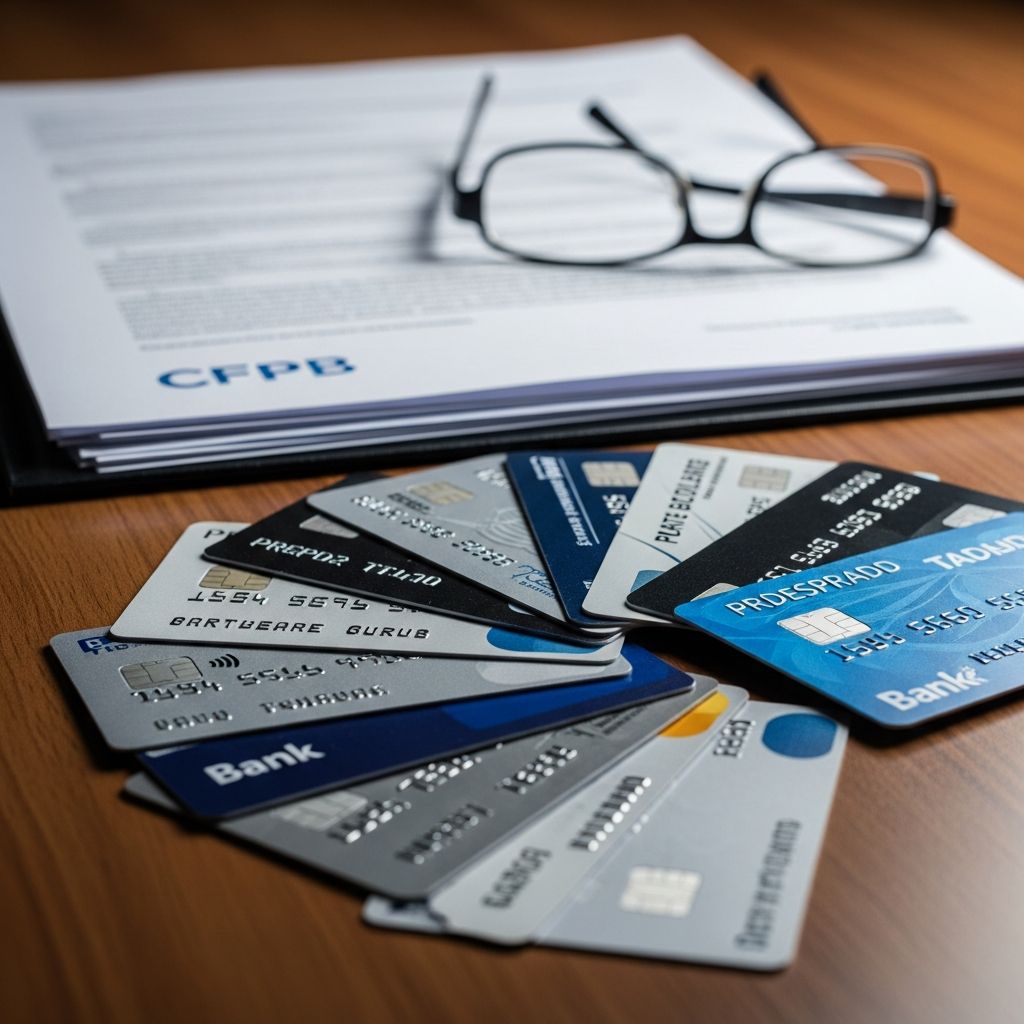
Prepaid accounts are widely used to receive wages, government benefits, and make everyday purchases. When a company offers a prepaid card or digital prepaid account, it must follow detailed federal rules on how fees, terms, and protections are disclosed. The Consumer Financial Protection Bureau (CFPB) collects and publishes standardized prepaid account agreements so people can review the fine print before choosing a product.
This guide explains how these public agreements work, what they typically contain, and how you can use them to evaluate a prepaid account before you sign up.
1. What Is a Prepaid Account Agreement?
A prepaid account agreement is the written contract that sets out the terms, fees, and protections that apply when you use a prepaid card or similar account. Federal law treats many prepaid products as “prepaid accounts” under Regulation E (Electronic Fund Transfer Act) and, in some cases, as “hybrid prepaid-credit cards” under Regulation Z (Truth in Lending Act).
1.1 Types of products that use prepaid agreements
Prepaid account agreements typically apply to:
- General-purpose reloadable cards used for everyday spending and online purchases
- Payroll cards offered by employers as a way to receive wages electronically
- Government benefit cards that distribute certain public benefits (with some specialized rules)
- Digital wallets and apps that can store funds and be used to make payments, where they meet the regulatory definition of a prepaid account
Any institution offering covered prepaid accounts must comply with the prepaid accounts rule, including standardized disclosures and public filing of agreements with the CFPB.
1.2 Why agreements are filed with the CFPB
The CFPB’s prepaid rule requires providers to submit their prepaid account agreements to the Bureau, which then posts them in a searchable database available to the public. This requirement is intended to:
- Promote transparency about fees and terms
- Allow consumers, advocates, and researchers to compare products
- Support regulatory oversight and enforcement of consumer protection rules
2. How the CFPB Prepaid Rule Protects You
The CFPB’s prepaid accounts rule, implemented through amendments to Regulation E and Regulation Z, creates a consistent set of protections across many prepaid products.
2.1 Core protections under Regulation E
Under Regulation E’s prepaid provisions, institutions offering covered prepaid accounts must:
- Provide clear pre-acquisition disclosures, including a short form and long form of fees
- Limit your liability for unauthorized transactions when certain conditions are met
- Investigate and resolve errors and disputes reported by the consumer
- Offer transaction history information via statements or electronic access
- Submit standard agreements to the CFPB and make them publicly available
2.2 Hybrid prepaid-credit cards under Regulation Z
If a prepaid account offers certain credit features—such as the ability to spend more than the funds on the card, or a linked credit line—it may be treated as a hybrid prepaid-credit card under Regulation Z. In that case:
- The credit component must follow credit card protections (e.g., disclosure of APRs and fees)
- Specific rules apply to how credit is marketed and accessed from the prepaid account
- Add-on credit features cannot circumvent general credit card protections
2.3 Effective dates and implementation
The main prepaid account protections and disclosure rules took effect on April 1, 2019, following earlier delays and amendments. Financial institutions are examined for compliance with these requirements in routine supervisory reviews by federal regulators such as the FDIC and NCUA.
3. Key Elements Typically Found in a Prepaid Agreement
While each institution has its own product design, prepaid account agreements that are filed with the CFPB share a common set of topics. Understanding these sections can help you navigate any specific agreement you view.
3.1 Fee schedules and pricing
Most prepaid agreements contain detailed descriptions of fees, which can include:
- Monthly maintenance fees or plan fees
- Transaction fees for point-of-sale purchases or signature vs. PIN use
- ATM withdrawal and balance inquiry fees, including in-network vs. out-of-network costs
- Reload fees for adding cash or transferring in funds
- Foreign transaction fees when you use the card abroad
- Inactivity or dormancy fees, where permitted
The CFPB rule requires a standardized short form disclosure that highlights the most important and common fees up front, along with a more comprehensive long form disclosure.
3.2 Access to funds and transactions
Agreements usually describe how you can:
- Receive deposits, such as wages or benefits, by direct deposit
- Make purchases at stores, online, or by phone
- Withdraw cash at ATMs or teller locations
- Transfer money to and from other accounts or users, if supported
- Use the account via mobile apps or digital wallets
3.3 Error resolution and dispute rights
Consistent with Regulation E, prepaid agreements must explain how to report problems and how the institution will handle them.
| Topic | What to Look For in the Agreement |
|---|---|
| Unauthorized charges | Steps for reporting lost or stolen cards and deadlines to limit your liability |
| Billing or posting errors | How to dispute incorrect amounts, duplicate charges, or missing credits |
| Investigation timing | How long the institution has to investigate and when provisional credit may be provided |
| Communication methods | Where to send written disputes, and which phone or online channels are accepted |
3.4 Account ownership, registration, and identification
Many prepaid products require or strongly encourage registration, which typically includes providing personal identifying information. Agreements generally clarify:
- What information is required to verify your identity
- What features or protections are unavailable until registration is completed
- Whether unregistered use limits access to error resolution or liability protections (subject to regulatory rules)
3.5 Linked credit, overdraft, and savings features
Some prepaid agreements describe optional features such as:
- Credit lines or overdraft linked to the prepaid account, which may bring in Regulation Z protections
- Savings pockets or sub-accounts that pay interest
- Automatic sweeps between the spending and savings components
Credit-related features usually include additional disclosures, fee tables, and interest rate information.
4. How to Read and Compare a CFPB-Filed Prepaid Agreement
When you search the CFPB’s public database of prepaid account agreements, you will often see multiple entries from the same institution, reflecting different programs, card brands, or distribution channels. The following steps can help you make sense of them.
4.1 Match the agreement to the card you are considering
Before comparing fees and features, confirm that the agreement you are viewing corresponds to the specific card or program you are being offered. Look for:
- The program name or brand shown on the card packaging
- The issuing bank identified in the fine print
- Whether the card is a payroll or consumer product
- Any co-branding (for example, retailer or employer labels)
4.2 Focus on high-impact costs and restrictions
Once you locate the correct agreement, pay attention to elements that will affect your everyday use:
- Monthly or per-purchase fees if you expect frequent transactions
- ATM and cash access charges if you plan to withdraw cash regularly
- Costs to add funds at retail locations
- Inactivity fees if you may keep funds on the account without regular use
- Any limits on withdrawals, transfers, or daily spending
4.3 Evaluate consumer protections and support
In addition to pricing, assess how the agreement supports you when things go wrong:
- How quickly the institution will investigate disputes and what documentation is required
- Availability of customer service by phone, web, or mobile app
- How you can access your transaction history—for example, online, via statements, or in-app alerts
- Whether the card offers FDIC or NCUA pass-through insurance on your funds when conditions are met
5. Rights and Responsibilities Under Prepaid Rules
Prepaid account agreements incorporate rights and responsibilities set out in federal regulations. Understanding these obligations on both sides can reduce surprises.
5.1 Your responsibilities as a cardholder
As the account holder, you are generally expected to:
- Report lost or stolen cards promptly to limit your liability for unauthorized transfers
- Review transaction history regularly to detect errors or fraud
- Follow the dispute procedures in the agreement, including any written notice requirements
- Update contact information to receive important notices and regulatory disclosures
5.2 The institution’s obligations
Financial institutions offering prepaid accounts must:
- Provide pre-acquisition fee disclosures in the format required by Regulation E
- Cooperate with consumers who identify unauthorized or fraudulent charges and follow error-resolution timelines
- Limit consumer liability when conditions for timely reporting are met
- Submit updated agreements to the CFPB when terms change, as required by the rule
5.3 Special rules for payroll and government benefit cards
Some prepaid accounts are used to distribute wages or public benefits. In these cases:
- Consumers are generally entitled to at least one alternative way to receive wages or benefits, rather than being forced to use a specific card
- Specific provisions apply to government benefit accounts under Regulation E, including coverage of certain programs and tailored disclosures
6. Using Prepaid Accounts Safely and Strategically
A prepaid account can be a useful tool when used with a clear understanding of the agreement and regulatory protections. The following practical tips can help you get more out of your account while avoiding unnecessary fees.
6.1 Tips to minimize fees
- Choose cards with no or low monthly fees, especially if you will maintain a low balance
- Prefer in-network ATMs to avoid out-of-network withdrawal and balance inquiry fees
- Use direct deposit when possible to avoid reload fees at retail locations
- Avoid triggers for inactivity fees by making small periodic transactions, where permitted
6.2 Protecting against loss, theft, and fraud
- Register your card promptly to unlock full protections and recovery options, as described in the agreement
- Enable alerts for transactions, low balance, or large purchases using the mobile app where available
- Report suspected fraud as soon as you notice it and document your communications
- Keep a record of the card number and issuer contact details separate from the card itself
6.3 Knowing when a different product may be better
Even with strong regulatory protections, a prepaid account is not always the most cost-effective option. Consider alternatives if:
- You qualify for a low-cost checking account with comparable or better protections
- You regularly need bill pay, checks, or higher transaction limits than the prepaid account offers
- The fee structure is complex or expensive compared with other accounts you could access
7. Frequently Asked Questions (FAQs)
Q1: How can I find the agreement for a specific prepaid card?
You can search the CFPB’s public database of prepaid account agreements by institution name, program name, or other identifiers. Once you find the relevant listing, you can download the agreement and review fee schedules, protections, and terms before deciding whether to use that product.
Q2: Does every prepaid card have to follow the same rules?
Most consumer reloadable prepaid cards are covered by the CFPB’s prepaid accounts rule, but some products may be subject to different or additional requirements, such as government benefit accounts and payroll cards that are regulated under tailored sections of Regulation E.
Q3: What happens if my prepaid card is lost or stolen?
If you report a lost or stolen prepaid card promptly and your account is covered by Regulation E’s prepaid protections, your liability for unauthorized transactions is generally limited. The provider must investigate your claim within prescribed timeframes and may be required to provide provisional credit while it investigates.
Q4: Are funds on a prepaid card insured?
Many prepaid accounts are structured so that eligible funds receive FDIC or NCUA insurance on a pass-through basis when certain conditions are satisfied, such as proper account registration and recordkeeping at the financial institution. You should check the agreement and any supplemental disclosures to confirm whether insurance applies to your specific product.
Q5: Can a prepaid account help build my credit?
Ordinary prepaid transactions generally do not build credit history because they involve spending your own stored funds rather than borrowing. However, if the product offers an optional credit feature treated as a hybrid prepaid-credit card under Regulation Z, responsible use of that credit line may affect your credit record, subject to reporting practices and the terms in the credit-related disclosures.
References
- Prepaid Accounts Rule: Interagency Consumer Compliance Examination Procedures — Federal Deposit Insurance Corporation. 2019-02-27. https://www.fdic.gov/news/financial-institution-letters/2019/fil19009.html
- New protections for prepaid accounts — Consumer Financial Protection Bureau. 2019-04-01 (last modified indicated on page). https://www.consumerfinance.gov/prepaid-rule/
- 12 CFR § 1005.18 — Requirements for financial institutions offering prepaid accounts — Consumer Financial Protection Bureau. Current eCFR version. https://www.consumerfinance.gov/rules-policy/regulations/1005/18
- Prepaid Rule Implementation Delay — National Credit Union Administration. 2017-05-2017 (letter date as published). https://ncua.gov/regulation-supervision/letters-credit-unions-other-guidance/prepaid-rule-implementation-delay
- Prepaid Accounts Under the Electronic Fund Transfer Act (Regulation E) and the Truth in Lending Act (Regulation Z) — Federal Register / Consumer Financial Protection Bureau. 2016-11-22. https://www.federalregister.gov/documents/2016/11/22/2016-24503/prepaid-accounts-under-the-electronic-fund-transfer-act-regulation-e-and-the-truth-in-lending-act
- Prepaid Cards — New Federal Rules — Connecticut Office of Legislative Research. 2017-02-28. https://cga.ct.gov/2017/rpt/2017-R-0061.htm
- Prepaid cards resources — Consumer Financial Protection Bureau. Accessed 2024. https://www.consumerfinance.gov/compliance/compliance-resources/consumer-cards-resources/prepaid-cards/
Similar Articles








Read full bio of Sneha Tete


