
Understanding Car Accident Injury Claims
Learn the key legal, insurance, and practical steps to protect your rights and pursue fair compensation after a motor vehicle collision.
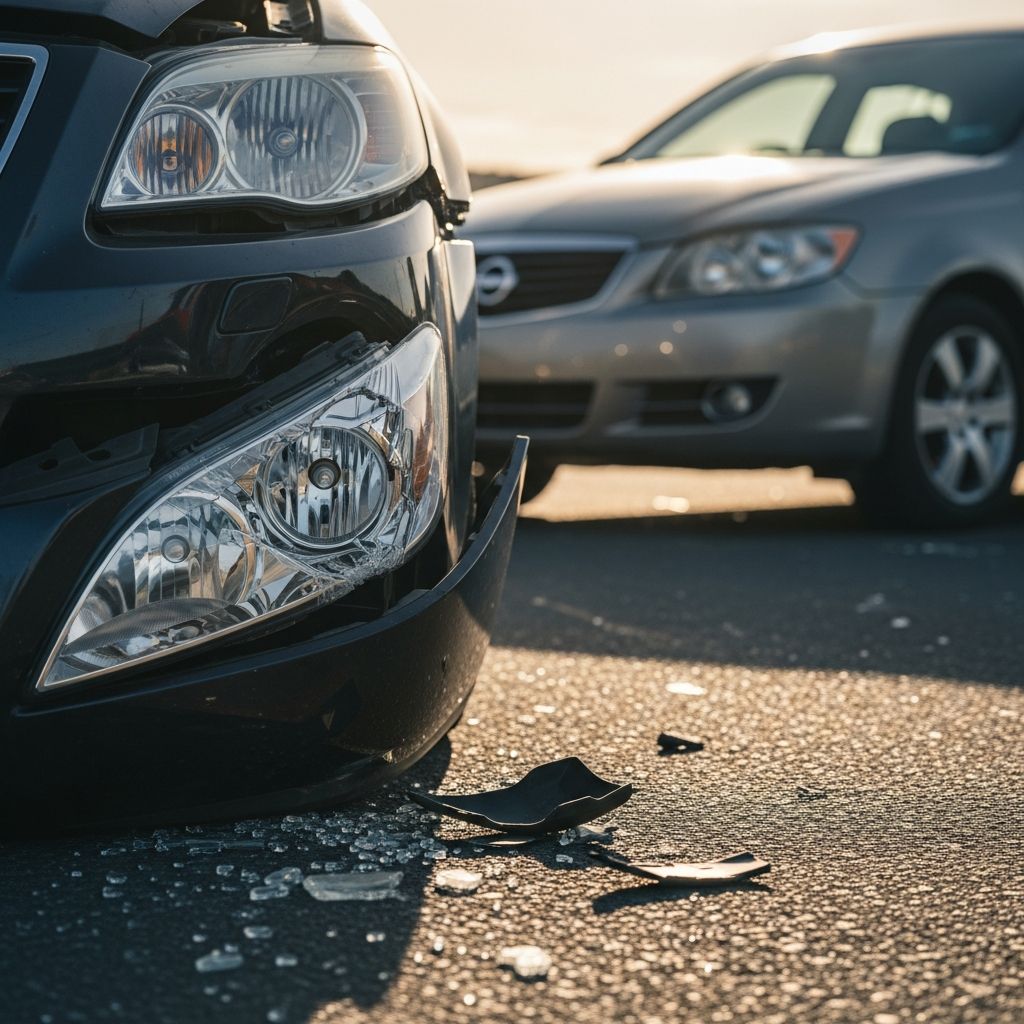
Motor vehicle crashes can turn daily routines into long-term medical, financial, and legal challenges. This guide explains in plain language how car accident injury claims work in the United States, what to do after a collision, how insurance and fault rules affect your case, and when speaking with a personal injury lawyer may be in your best interest.
1. How Car Accident Injury Claims Work
Car accident claims are usually civil matters that arise when someone is injured or property is damaged because another driver, road user, or entity was allegedly negligent. The majority of these cases are resolved through insurance settlements rather than courtroom trials.
At a high level, most claims involve:
- Identifying who was at fault for causing or contributing to the crash.
- Using insurance coverage to pay medical bills, lost income, and vehicle repairs.
- Negotiating a settlement with one or more insurance companies, sometimes with attorney assistance.
- Filing a lawsuit if negotiations fail or the statute of limitations is approaching.
2. First Steps After a Crash
What you do in the minutes and days after a collision can significantly influence any future claim. Safety and documentation should be the top priorities.
2.1 Immediate Safety and Medical Care
- Move to a safe area if possible and turn on hazard lights.
- Call emergency services if anyone appears injured or if vehicles are blocking traffic.
- Accept medical evaluation at the scene and follow up with a doctor soon after, even if you feel fine. Some injuries, such as concussions and whiplash, may not show symptoms right away.
Prompt medical attention both protects your health and creates documentation linking injuries to the crash, which insurers and courts often expect.
2.2 Reporting the Accident
Many states require drivers to report crashes that involve injury, death, or significant property damage to law enforcement or a motor vehicle agency.
- Call the police to request an official report if anyone is hurt or if damage appears more than minor.
- Follow your state’s rules for submitting a written report if officers do not respond to the scene.
- Ask how to obtain a copy of the final crash report once it is filed, as this document is key evidence for insurance and potential lawsuits.
2.3 Exchanging Information and Gathering Evidence
Before leaving the scene:
- Exchange names, contact details, driver’s license numbers, and insurance policy information with all involved drivers.
- Collect contact information for passengers and eyewitnesses.
- Take photos and short videos of:
- Vehicle positions and damage.
- Roadway conditions, traffic signs, and signals.
- Visible injuries and any skid marks or debris.
These details help reconstruct what happened later if fault is disputed.
3. Understanding Fault, Negligence, and Comparative Blame
Personal injury cases arising from car crashes typically rely on negligence principles. To succeed, an injured person (the plaintiff) generally must show that another party failed to act with reasonable care and that this failure caused their injuries.
3.1 Basic Elements of Negligence
Most car accident negligence claims must prove:
- Duty of care: Drivers owe others a duty to operate vehicles safely.
- Breach: The at-fault driver violated traffic laws or safe driving practices (for example, speeding, distracted driving, or running a red light).
- Causation: The breach directly caused the collision and resulting injuries.
- Damages: The plaintiff suffered losses such as medical bills or pain and suffering.
3.2 Comparative Negligence and Shared Fault
Many states use a form of comparative negligence, which allows more than one party to share responsibility for a crash.
| Fault System | How It Affects Recovery |
|---|---|
| Pure comparative negligence | Injured person can recover damages even if mostly at fault; award is reduced by their percentage of fault. |
| Modified comparative negligence | Injured person can recover only if their share of fault is below a set threshold (often 50% or 51%). |
| Contributory negligence (rare) | Any fault by the injured person may bar recovery entirely. |
Because rules vary by state, speaking with a qualified local attorney can clarify how fault percentages affect your potential compensation.
4. Insurance Coverage and No-Fault vs. At-Fault Systems
Auto insurance is usually the primary source of compensation after a crash. Policy requirements and claim options depend on whether your state follows a traditional fault system or some form of no-fault law.
4.1 Mandatory Liability Insurance
Most states require drivers to carry at least a minimum level of liability insurance, which pays for bodily injuries and property damage you cause to others in a crash. These minimums often include:
- Per-person bodily injury limits.
- Per-accident bodily injury limits.
- Property damage limits.
Because minimum coverage may not fully compensate serious injuries, many drivers voluntarily buy higher limits.
4.2 No-Fault and Choice No-Fault States
In no-fault systems, injured drivers usually turn first to their own insurer for certain economic losses, regardless of who caused the crash. Some states offer a “choice” no-fault arrangement in which drivers select between limited and full rights to sue.
- No-fault personal injury protection (PIP) can cover medical expenses and a portion of lost wages up to policy limits.
- Limited tort / restricted rights often means you may only collect certain damages from the at-fault driver unless your injury is considered “serious.”
- Full tort / unrestricted rights usually permits claims for the full range of economic and non-economic damages when another party is liable.
4.3 Other Helpful Coverages
Additional policy types that often matter in car accident cases include:
- Uninsured motorist (UM): Helps if the at-fault driver has no insurance.
- Underinsured motorist (UIM): Applies when the at-fault driver’s policy limits are too low to cover your losses.
- Collision coverage: Pays for damage to your vehicle, regardless of fault.
- Medical payments (MedPay): Provides a limited benefit for medical bills, sometimes regardless of fault.
5. Legal Deadlines and Statutes of Limitations
Every state has a civil statute of limitations that sets a deadline to file a lawsuit after a car accident. In many jurisdictions, injured people have about two years from the date of the crash to start a personal injury case, although the exact timeframe depends on the state and type of claim.
Missing this deadline generally means losing the right to have a court hear your claim, no matter how strong your evidence may be.
Certain exceptions, such as claims involving minors or government defendants, can change or shorten these limits, so prompt legal advice is often critical.
6. Documenting Your Losses and Building a Strong Claim
Successful car accident claims are built on evidence. Thorough records help demonstrate how the crash occurred, who was responsible, and the full extent of your injuries and financial losses.
6.1 Medical Evidence
- Emergency room records and diagnostic imaging (X-rays, CT scans, MRIs).
- Primary care and specialist visit notes.
- Physical therapy and rehabilitation documentation.
- Receipts for prescription and over-the-counter medications.
These documents support a direct connection between the collision and your ongoing symptoms or disability.
6.2 Financial and Employment Records
- Proof of lost wages, overtime, tips, or commissions.
- Employer letters verifying missed work and job duties.
- Invoices or receipts for out-of-pocket expenses, such as medical equipment or transportation to appointments.
6.3 Crash and Scene Evidence
- Police crash reports and any supplemental diagrams.
- Witness statements and contact information.
- Vehicle repair estimates and photographs before and after repairs.
- Any available dashcam, traffic camera, or surveillance footage.
Some attorneys also work with accident reconstruction experts, medical specialists, and economists to explain complex evidence in serious cases.
7. Types of Compensation in Car Accident Cases
Compensation, often called damages, is intended to make an injured person as whole as money can reasonably do. The available categories depend on the law in your state and the specific facts of your case.
7.1 Economic Damages
- Medical expenses: Emergency care, hospital stays, surgery, physical therapy, and future medical needs.
- Lost income: Wages lost while recovering and diminished earning capacity if injuries limit future work.
- Property damage: Vehicle repair or replacement and damage to personal items in the car.
- Other out-of-pocket costs: Travel expenses for treatment, household help, or home modifications.
7.2 Non-Economic Damages
- Pain and suffering: Physical pain and emotional distress arising from the injuries.
- Loss of enjoyment of life: Inability to participate in hobbies, family activities, or daily tasks.
- Emotional anguish: Anxiety, depression, or trauma related to the crash.
No-fault and limited tort systems may restrict these categories unless injuries meet certain legal thresholds.
7.3 Punitive Damages
In rare cases involving extreme misconduct, such as drunk driving or reckless behavior, some states allow punitive damages to punish and deter similar conduct. These awards are not available in every case and are subject to strict legal standards.
8. Working with Insurance Companies
Insurance adjusters investigate claims and negotiate settlements, but they represent the insurer’s interests, not yours. Understanding this dynamic can help you protect your rights during communications.
8.1 Filing and Managing Your Claim
- Notify your insurer as soon as reasonably possible; many policies impose prompt-reporting requirements.
- Provide accurate information, but avoid speculation about fault or long-term prognosis.
- Keep a record of all calls, letters, and emails with adjusters.
8.2 Negotiation and Settlement
- Insurers may start with low settlement offers, particularly early in the process.
- Do not sign broad releases or accept final payment until you understand your medical condition and future needs.
- Consider having an attorney review any proposed settlement, especially in cases of significant injury or disputed liability.
9. When and Why to Consult a Car Accident Lawyer
Legal representation is not required in every accident, but it can be crucial in certain circumstances. Lawyers who focus on car accident and personal injury cases understand complex insurance rules, state-specific statutes, and litigation procedures.
9.1 Situations Where Legal Help Is Especially Important
- Serious injuries, permanent impairment, or long-term disability.
- Disputed fault or multiple vehicles involved.
- Pedestrians, cyclists, commercial trucks, or government vehicles in the crash.
- Threats of being sued or a lawsuit already filed against you.
- Upcoming statute of limitations deadlines.
9.2 Typical Services an Attorney Provides
- Investigating the crash and preserving critical evidence.
- Identifying all potential sources of insurance coverage.
- Calculating and documenting full short- and long-term damages.
- Negotiating with insurance adjusters and defense lawyers.
- Filing a lawsuit and representing you at hearings, mediation, and trial, if necessary.
Many personal injury firms handle cases on a contingency fee basis, meaning attorney fees are typically collected as a percentage of any settlement or verdict. Fee structures and costs, however, should always be discussed in detail before signing a representation agreement.
10. Frequently Asked Questions About Car Accident Claims
Q1: Do I have to call the police after every car accident?
Not every minor fender-bender legally requires a police response, but most states mandate reporting crashes that involve injury, death, or significant property damage. Even when not required, having an official report often strengthens insurance claims.
Q2: How long do I have to file a lawsuit after a car accident?
Civil statutes of limitations vary by state, but many allow about two years to file personal injury or property damage lawsuits arising from car crashes. Because exceptions and shorter time limits may apply, it is wise to confirm deadlines with a local attorney as early as possible.
Q3: Can I still recover compensation if I was partly at fault?
In many states that follow comparative negligence rules, you can still recover damages as long as your share of fault does not exceed a set threshold, often 50%. Your award is usually reduced in proportion to your own responsibility for the crash.
Q4: Is my own insurance involved even if the other driver caused the crash?
Yes. Even in at-fault states, your own policy may provide benefits such as medical payments coverage, collision coverage, or uninsured/underinsured motorist protection that apply regardless of who caused the accident. In no-fault or choice no-fault states, initial medical and wage claims often go through your insurer first.
Q5: When should I accept a settlement offer from an insurer?
You should consider settling only when you understand the full extent of your injuries, future treatment needs, and all related financial losses. Because settlement releases are usually final, many people choose to have a personal injury lawyer review any significant offer before signing, particularly when injuries are serious or liability is disputed.
References
- A Complete Legal Guide to Resolving a Car Crash Accident — Mendez & Sanchez Law. 2023-06-01. https://www.mendezsanchezlaw.com/post/a-complete-legal-guide-to-resolving-a-car-crash-accident
- Pennsylvania Car Accident Laws: What to Know — Romanow Law Group. 2024-02-15. https://www.romanowlawgroup.com/articles/pennsylvania-car-accident-laws-what-to-know/
- Pennsylvania Car Accident Laws: A Complete Guide (2025 Update) — Cordisco & Saile LLC. 2025-01-03. https://www.cordiscosaile.com/blog/pennsylvania-car-accident-laws-guide/
- What to Do After a Car Accident in Pennsylvania: A Comprehensive Guide — Falvello Law. 2023-10-20. https://www.falvellolaw.com/blog-page/what-to-do-after-a-car-accident-in-pennsylvania–a-comprehensive-guide
- Pennsylvania Car Accident Law Quick Guide — Rankin & Gregory, LLC. 2024-03-05. https://www.rginjurylaw.com/pennsylvania-car-accident-law/
- Pennsylvania Car Accident Laws, Claims and Settlements — James McClelland, Attorney at Law. 2024-01-12. https://jminjurylawyer.com/pennsylvania-car-accident-laws-e-guide/
- A Comprehensive Guide to Legal Actions after a Car Accident — P & M Law Firm. 2023-08-30. https://www.pandmllp.com/a-comprehensive-guide-to-legal-actions-after-a-car-accident/
- A Complete Guide to Car Accidents, Injuries, and Legal Rights — Purchase, George & Murphey, P.C. 2023-09-18. https://pa4law.com/blog/guide-car-accident-injuries-legal-rights/
Similar Articles








Read full bio of Sneha Tete


