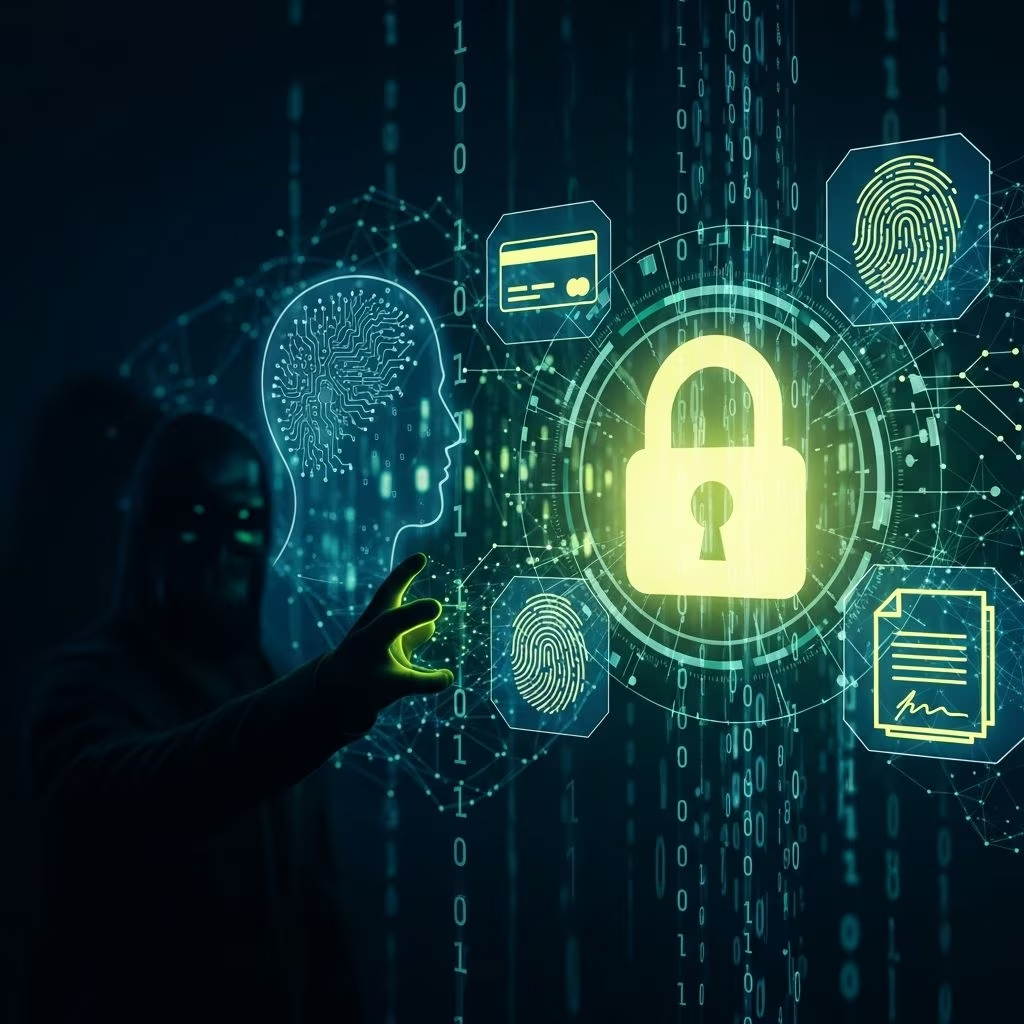
Identity theft is one of the most common and disruptive financial crimes, but you can limit the damage dramatically if you understand how it works, recognize the warning signs, and follow clear steps to respond and recover.
What Is Identity Theft?
Identity theft occurs when someone uses your personal information without your permission to commit fraud or other crimes. That information can include your name, address, Social Security number, bank or credit card numbers, driver’s license number, or online account credentials.
Criminals use stolen data to:
- Open new credit cards, loans, or utility accounts in your name
- Make purchases with your existing credit or debit cards
- File fraudulent tax returns to claim refunds
- Access your bank or investment accounts
- Use your identity for medical services or insurance claims
How Thieves Steal Your Personal Information
Identity theft methods range from low-tech tricks to sophisticated cyberattacks. Understanding the most common tactics helps you protect the weak spots in your daily life.
Common Methods Used by Identity Thieves
- Phishing and social engineering – Emails, texts, or calls pretending to be from banks, delivery companies, or government agencies that pressure you to share personal or financial information or click on malicious links.
- Data breaches – Hacks of companies, healthcare systems, schools, or government agencies that expose large volumes of personal data.
- Account takeover – Criminals obtain your passwords or security codes and log in to your existing accounts to change contact details, transfer money, or apply for new products.
- Mail theft and dumpster diving – Stealing bank statements, tax documents, or preapproved credit offers from your mailbox or trash to obtain account numbers or your Social Security number.
- Skimming and card cloning – Devices attached to ATMs or payment terminals that capture card data, often paired with a hidden camera recording PIN entries.
- Public Wi-Fi snooping – Intercepting unencrypted traffic on unsecured networks to capture logins or payment information.
Early Warning Signs of Identity Theft
Spotting identity theft early is critical. The faster you react, the easier it is to stop further damage and correct your records.
Red Flags in Your Daily Life
- Bills or account statements stop arriving, or you start receiving mail for accounts you did not open.
- Unexpected charges or withdrawals on bank or credit card statements.
- Debt collectors contact you about debts that are not yours.
- Denial of credit or a sudden drop in your credit score without explanation.
- Notices about unemployment benefits, medical services, or government benefits you never applied for.
- Letters or emails from the IRS about a tax return filed in your name that you did not submit.
Key Places to Monitor Regularly
| Where to Look | What to Check | Why It Matters |
|---|---|---|
| Bank & credit card statements | Small and large unfamiliar charges | Early sign of card fraud or account takeover |
| Credit reports | New accounts, inquiries, or addresses you don’t recognize | Reveals new-account identity theft |
| Mail and email | Bills you don’t recognize, missing statements, benefit notices | Can indicate someone changed your contact details or opened accounts in your name |
| Online accounts | Login alerts, password reset notices, location alerts | Signals attempted or successful account takeover |
How to Cut Your Risk of Identity Theft
You cannot control every company that holds your data, but you can make it significantly harder for criminals to exploit your information.
Strengthen Your Digital Security
- Use strong, unique passwords for every important account and store them in a reputable password manager.
- Turn on multi-factor authentication (MFA) for banking, email, and social media, so a stolen password alone is not enough to break in.
- Update devices and software regularly to patch security flaws in your operating system, browser, and apps.
- Secure your home Wi-Fi with strong encryption (such as WPA2 or WPA3) and a unique router password.
- Avoid sensitive tasks on public Wi-Fi, or use a virtual private network (VPN) to encrypt your connection when you must access financial accounts.
Protect Personal Information Offline
- Collect mail promptly and place a hold when traveling.
- Store documents with Social Security numbers, account numbers, or tax details in a locked drawer or safe.
- Shred bills, bank statements, insurance documents, and credit offers before discarding.
- Only carry essential IDs and cards; leave your Social Security card and rarely used cards at home.
- Be cautious when sharing information by phone or in person; confirm who you’re talking to and why they need the information.
Proactive Credit Protections
- Monitor your credit reports from the three nationwide credit reporting companies (Equifax, Experian, TransUnion) regularly to catch unfamiliar accounts or inquiries early.
- Place a fraud alert on your credit file if your information has been exposed or you suspect risk; this requires lenders to take extra steps to verify your identity.
- Use a credit freeze if you want to block new credit entirely until you lift the freeze, making it harder for thieves to open new accounts in your name.
What to Do If You Suspect or Confirm Identity Theft
Acting quickly can prevent additional losses and simplify your recovery. The steps below outline a structured response if you see suspicious activity.
1. Contain the Damage Immediately
- Contact your bank or card issuer to report any unauthorized charges or withdrawals and request new cards and account numbers.
- Change passwords (and enable MFA) for any compromised or related accounts, starting with email and financial institutions.
- Run updated antivirus or security scans if you clicked suspicious links or opened unexpected attachments.
2. Check and Protect Your Credit
- Obtain your credit reports and review them for unfamiliar accounts, inquiries, or address changes.
- Place a fraud alert with one of the three credit bureaus; that bureau must notify the others.
- Consider a credit freeze to block most new credit checks until you are confident the situation is under control.
3. Report the Identity Theft to Authorities
- File a report with the Federal Trade Commission (FTC) through its official identity theft website; you will receive recovery guidance and sample letters for creditors.
- For tax-related issues, follow the Internal Revenue Service (IRS) instructions in any notice you receive and consult its identity theft guidance, including obtaining an Identity Protection PIN if appropriate.
- Contact your local police if you need a police report for creditors, landlords, or other institutions, especially in cases involving a known suspect or substantial losses.
4. Work with Creditors and Other Organizations
- Notify the fraud departments at affected banks, card issuers, utilities, and lenders to dispute fraudulent accounts or charges.
- Ask that fraudulent accounts be closed or flagged and request written confirmation.
- Provide copies of your FTC identity theft report and any police report to support your disputes.
5. Repair and Monitor Over Time
- Follow up with credit bureaus to ensure fraudulent items are removed from your credit reports after investigations are completed.
- Keep organized records of all calls, letters, and emails, including dates, names, and reference numbers.
- Continue monitoring your credit and financial statements regularly, as some identity theft cases unfold over many months.
Special Concerns: Tax and Government-Related Identity Theft
Government benefits and tax refunds are attractive targets for identity thieves because they can sometimes access large sums of money quickly.
Tax Identity Theft
Tax identity theft typically occurs when someone uses your taxpayer identification number to file a fraudulent return and claim a refund before you file.
- Watch for IRS notices saying more than one return was filed using your information or that you owe tax for income you did not earn.
- If you receive such a notice, respond promptly using the contact details in the letter and follow the IRS identity theft procedures.
- Consider using an IRS Identity Protection PIN (IP PIN) if you qualify; this special code adds a layer of protection to your federal tax filings.
Other Government Benefits
- Keep an eye on communications from unemployment agencies, Social Security, or other benefit programs regarding claims you did not file.
- Report suspicious claims directly to the relevant agency and ask for written confirmation that the fraudulent record has been corrected.
Long-Term Identity Health: Habits That Make a Difference
Identity protection is not a one-time project. Building a few consistent habits significantly reduces your risk and helps you respond faster if something goes wrong.
- Review account statements and credit reports at a consistent time each month.
- Regularly update passwords, especially after major data breach announcements affecting companies you use.
- Limit how much personal information you share publicly on social media, such as your full birth date, address, or travel plans.
- Teach children and older family members basic scam awareness, since these groups are often targeted.
- Stay informed about new scam trends by following alerts from reputable consumer protection organizations.
Frequently Asked Questions About Identity Theft
How common is identity theft?
Identity theft complaints number in the hundreds of thousands each year in the United States alone, and many incidents go unreported. Government and consumer protection agencies treat it as a major and continuing threat to individuals and the financial system.
Will an identity theft alert or freeze hurt my credit score?
Placing a fraud alert or credit freeze does not affect your credit score. These tools primarily control how new creditors can access your credit report; your score is still calculated based on your underlying credit history.
How long should I monitor my accounts after an incident?
Plan to monitor your credit reports and financial accounts closely for at least a year after an identity theft event, and longer if a large breach exposed highly sensitive information such as your Social Security number.
Can children be victims of identity theft?
Yes. Thieves sometimes use a child’s Social Security number to open credit accounts or take out loans because the victim is less likely to be monitored. Parents should watch for mail in a child’s name or credit offers addressed to minors and can ask credit bureaus whether a credit file exists for their child.
Is it worth paying for identity theft protection services?
Some people find paid monitoring and restoration services useful, especially if they have already been victims or have large, complex financial lives. However, many core protections—like credit freezes, fraud alerts, and annual credit reports—are available at no cost through official channels.
References
- Identity theft — USAGov. 2025-07-22. https://www.usa.gov/identity-theft
- Identity Theft Prevention: Steps to Safeguard Your Information in 2025 — Utah Division of Consumer Protection. 2025-02-10. https://dcp.utah.gov/2025/02/10/avoiding-identity-theft-tips-2025/
- Identity theft guide for individuals — Internal Revenue Service. 2024-01-18. https://www.irs.gov/identity-theft-central/identity-theft-guide-for-individuals
- Identity theft — USAGov. (Overview page). 2025-07-22. https://www.usa.gov/identity-theft
- Identity theft prevention guide 2025: How to stay safe — ExpressVPN Blog. 2025-05-09. https://www.expressvpn.com/blog/identity-theft-prevention/
- A 2025 Guide to Identity Theft Protection — Security.org. 2025-03-14. https://www.security.org/identity-theft/