Across the United States, individuals under 21 face strict prohibitions on alcohol possession, consumption, and purchase. These laws aim to safeguard young people from immediate dangers and long-term harms associated with early alcohol use. Violations trigger a range of penalties designed to deter behavior and promote education, varying significantly by state but consistently emphasizing rehabilitation over pure punishment for first offenses.
Why Underage Drinking Laws Exist
The national minimum drinking age of 21, established under the National Minimum Drinking Age Act of 1984, reflects decades of evidence linking adolescent alcohol use to heightened risks. Brain development continues into the mid-20s, making youth particularly vulnerable to alcohol’s neurotoxic effects. Laws target possession and consumption to curb access, reducing incidents of alcohol-related injuries, assaults, and traffic fatalities among teens.
Public health data underscores the urgency: underage drinking contributes to over 4,000 deaths annually among youth, including from crashes, homicides, suicides, and alcohol poisoning. By criminalizing minor in possession (MIP) offenses, states interrupt patterns that could escalate to dependency or chronic health issues.
Core Legal Violations for Minors
Most states define underage drinking through MIP statutes, prohibiting anyone under 21 from knowingly holding, transporting, or consuming alcohol in public or private settings. Attempting to buy alcohol, even without success, often qualifies as an offense. Exceptions are narrow, such as religious rituals or supervised medical use, but recreational consumption remains illegal everywhere.
- Possession: Having alcohol on one’s person or in a vehicle, regardless of intent to drink.
- Consumption: Visible intoxication or admission of drinking in prohibited areas.
- Purchase Attempts: Using fake IDs or enlisting adults to buy booze, which adds forgery charges.
Zero-tolerance policies extend to driving: any detectable blood alcohol content (BAC) in a minor behind the wheel triggers DUI proceedings, with BAC limits at 0.00% or near-zero in most jurisdictions.
Typical Penalties Across States
Penalties for first-time MIP offenses are usually misdemeanors, focusing on education and restrictions rather than incarceration. Fines start at $100–$500, escalating with repeats. Courts frequently mandate substance abuse classes, probation, or service hours. Driver’s licenses face suspension from 30 days to a year, delaying issuance for unlicensed teens.
State variations create a patchwork of enforcement:
| State | First Offense Fine | License Suspension | Other Penalties |
|---|---|---|---|
| Ohio | Up to $250 | Up to 1 year | Community service, misdemeanor charge |
| Pennsylvania | Up to $500 | 90 days | Repeat: $1,000 fine, 1-year suspension |
| Virginia | Minimum $500 | 6–12 months | 50+ hours community service |
| West Virginia | Up to $500 | N/A | Up to 1-year probation |
| Texas | $100–$500 | Varies | Class C misdemeanor, counseling |
For subsequent offenses, penalties intensify: higher fines, longer suspensions, mandatory treatment, and possible jail time up to 180 days in severe cases. A criminal record from these convictions lingers, appearing in background checks.
Special Risks: Driving and DUI for Minors
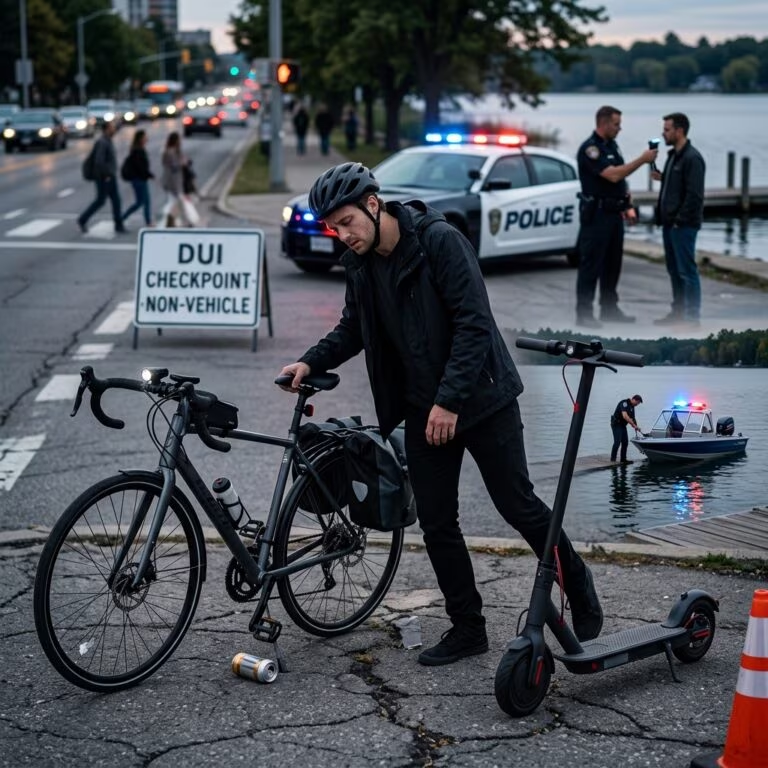
Underage DUI carries amplified consequences due to zero-tolerance statutes. Even a sip of alcohol before driving can lead to arrest. First offenses often result in 6–12 month license revocations, fines exceeding $500, and ignition interlock requirements on reinstated vehicles. Insurance rates skyrocket post-conviction, sometimes doubling for years.
Repeat DUIs escalate to felonies in some states, with multi-year suspensions and substance abuse evaluations. These cases prioritize public safety, reflecting statistics where teen drivers impaired by alcohol cause disproportionate fatalities.
Health and Developmental Dangers
Beyond legal woes, underage drinking imperils physical and mental health. Acute risks include poisoning, choking, and falls; chronic exposure damages the liver, heart, and immune system. Developing brains suffer most: alcohol disrupts memory formation, executive function, and emotional regulation, raising addiction susceptibility later in life.
Mental health correlations are stark—youth drinkers face elevated depression, anxiety, and suicide risks. Academic performance plummets, with chronic users twice as likely to drop out.
Adult Responsibilities and Liabilities
Providing alcohol to minors invites separate charges. Parents hosting unsupervised parties risk fines, probation, or jail for “social host” violations. Businesses face license revocation for overserving. In most states, knowingly supplying booze to under-21s is a misdemeanor, with penalties mirroring MIP but aimed at enablers.
Fake ID use compounds issues: minors face additional misdemeanor or felony counts, while adults aiding forgery endure harsh scrutiny. Civil liability follows if injuries occur, as providers can be sued for negligence.
Long-Term Repercussions of Convictions
A MIP record shadows youth into adulthood, complicating college applications, scholarships, jobs, and housing. Many universities probe criminal history on forms, rescinding offers for alcohol offenses. Employers in sensitive fields (e.g., education, law enforcement) reject applicants with records. Military enlistment becomes trickier, as branches review all infractions.
Expungement options exist in some states after age 21 or case completion, but processes are costly and uncertain. Proactive legal counsel can mitigate records through diversion programs, converting charges to non-criminal citations upon compliance.
Navigating Arrest and Legal Proceedings
If caught, minors should invoke rights: remain silent, request a parent/attorney, and avoid field tests without counsel. Police often cite rather than arrest for MIP, but evidence like open containers strengthens cases. Court diversion—completing classes without formal charges—is common for first-timers, preserving clean records.
Hiring a defense attorney experienced in youth cases uncovers procedural errors, challenges evidence, or negotiates reductions. Parents play key roles, attending hearings and supporting rehabilitation.
Prevention Tactics for Youth and Families
Education trumps punishment: schools and programs teach refusal skills and alcohol facts. Parents model sobriety, monitor social media, and host safe gatherings. Community efforts include compliance checks at retailers and party patrols. Apps tracking teen locations and open dialogues reduce secretive drinking.
- Set clear no-alcohol rules with consistent enforcement.
- Discuss peer pressure scenarios role-play responses.
- Engage in alcohol-free activities to build alternatives.
Frequently Asked Questions (FAQs)
What counts as ‘possession’ of alcohol for minors?
Any knowingly controlled alcohol by someone under 21, including in cars, bags, or homes without parental supervision. Even unopened containers qualify in most states.
Can parents give alcohol to their kids at home?
No, federal law sets 21 as the floor, and most states ban parental provision except rare religious cases. Violators face charges.
Does a MIP affect college admissions?
Yes, many schools ask about criminal history; convictions can lead to denials or probationary enrollment.
What if I’m just a passenger in a car with alcohol?
Proximity alone may not suffice, but visible access or knowledge can trigger MIP charges. Courts assess context.
Are there defenses against underage drinking charges?
Common defenses include lack of knowledge, illegal search, or factual innocence. Diversion programs often resolve first offenses without records.
Staying Informed and Compliant
Laws evolve—check state statutes for updates. Awareness empowers youth to sidestep traps, prioritizing futures over fleeting highs. Resources like MADD and SAMHSA offer support for prevention and recovery.
References
- Underage Drinking: Signs, Consequences and How to Prevent It — The Nestled Recovery. 2023. https://thenestledrecovery.com/rehab-blog/underage-drinking/
- Underage Drinking Laws – State-by-State Map — Edgar Snyder & Associates. 2024. https://www.edgarsnyder.com/resources/underage-drinking-laws
- Can You Get Arrested For Underage Drinking? — Cowboy Law Group. 2024. https://cowboylawgroup.com/can-you-get-arrested-for-underage-drinking/
- The Risks Associated with Underage Drinking — Addiction Policy Forum. 2023. https://alcohol.org/laws/supplying-alcohol-to-a-minor/
- What Is the Punishment for Supplying Alcohol to a Minor? — Alcohol.org. 2024. https://alcohol.org/laws/supplying-alcohol-to-a-minor/
- Legal Consequences of a Minor in Possession of Alcohol — P. Conway Law. 2023. https://pconwaylaw.com/blog/legal-consequences-of-a-minor-in-possession-of-alcohol/
- Minors in Possession of Alcohol Under the Law — Justia. 2024. https://www.justia.com/criminal/drunk-driving-dui-dwi/alcohol-related-crimes/minor-in-possession-of-alcohol/