
Unbuckled in a Crash: Can You Still Sue?
Discover if not wearing a seatbelt bars your right to sue after a car accident—state laws, defenses, and strategies explained.
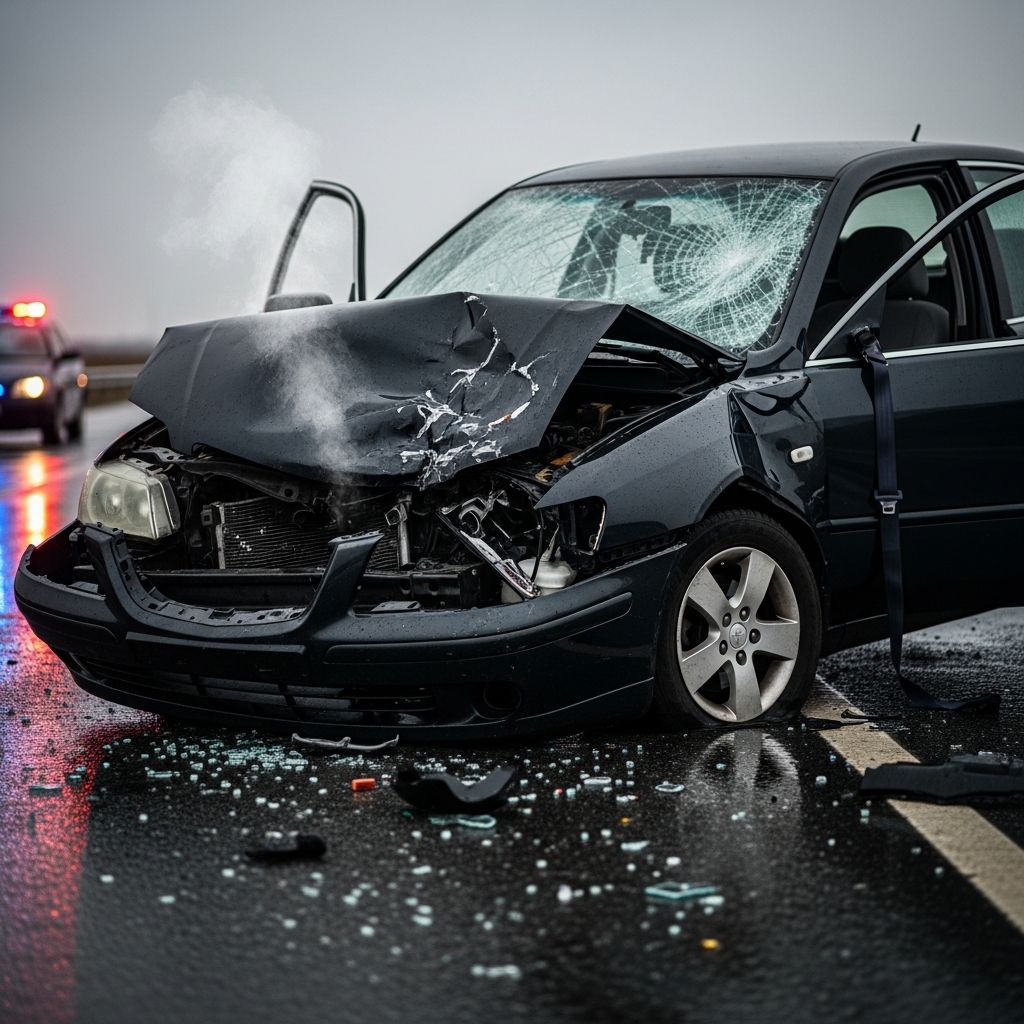
Car accidents often leave victims grappling with severe injuries, mounting medical bills, and questions about legal recourse. A common concern arises when the injured party wasn’t wearing a seatbelt: does this negligence forfeit the right to compensation? The short answer is no—you can still pursue a claim against the at-fault driver. However, your recovery amount may be adjusted based on state-specific laws governing fault and seatbelt usage.
This comprehensive guide delves into the legal landscape, explaining how courts and insurers handle unbuckled plaintiffs, the role of comparative negligence, variations by jurisdiction, and practical steps to strengthen your case. Whether you’re a driver, passenger, or parent worried about child safety, understanding these principles is crucial for navigating post-accident claims effectively.
Understanding Your Right to Compensation Post-Accident
Regardless of seatbelt status, the foundational principle in personal injury law is that the driver who caused the crash bears primary liability. Compensation covers medical expenses, lost wages, property damage, and non-economic damages like pain and suffering. Filing a third-party claim with the at-fault driver’s insurer is the typical first step, followed by negotiation or litigation if needed.
Insurers investigate crashes thoroughly, examining police reports, witness statements, and physical evidence. Your lack of a seatbelt may surface here, prompting a ‘seatbelt defense’—an argument that your injuries were worsened by not buckling up. This defense doesn’t negate the other driver’s fault for causing the collision but can apportion blame for injury severity.
The Seatbelt Defense Explained
The seatbelt defense posits that failing to use an available restraint system contributed to the extent of harm sustained. Defendants must prove two key elements: (1) a seatbelt was available and you didn’t use it, and (2) this non-use proximately caused or aggravated specific injuries. Expert testimony from accident reconstructionists and medical professionals often supports these claims, analyzing crash dynamics and injury patterns.
For instance, in moderate-speed collisions, seatbelts reduce fatality risk by about 45-50% for front-seat occupants, per longstanding safety data. Courts scrutinize whether injuries like whiplash or ejection would have occurred with proper restraint. This defense integrates into broader fault doctrines, influencing settlement offers and trial outcomes.
Comparative Negligence: How Fault is Apportioned
Most U.S. states employ comparative negligence, which proportionally reduces your award based on your percentage of fault. There are two main variants:
- Pure Comparative Negligence: Recovery is possible even if you’re over 50% at fault. Example: If damages total $100,000 and you’re 75% responsible due to no seatbelt, you recover $25,000.
- Modified Comparative Negligence: Bars recovery if your fault exceeds 50% or 51% (varies by state). Below that threshold, reduction applies proportionally.
A handful of states adhere to contributory negligence, where any plaintiff fault eliminates recovery entirely. However, many exempt seatbelt non-use from this harsh rule, treating it as evidence-limited.
| State Type | Example States | Recovery Rule if Unbuckled | Max Fault Allowed |
|---|---|---|---|
| Pure Comparative | California, Florida, New York | Reduced by your % fault | 100% |
| Modified (50% bar) | Arizona, Georgia, Oregon | Reduced if under 50% | 49% |
| Modified (51% bar) | Texas, Illinois | Reduced if under 51% | 50% |
| Contributory (rare exemption) | Alabama, Maryland | Often no bar for seatbelts | 0% (but limited) |
This table illustrates key differences; always verify your state’s rules, as they evolve.
State-by-State Variations in Seatbelt Laws
Laws differ significantly. In ‘seatbelt defense’ permissive states (most), non-use evidence is admissible to mitigate damages. Others restrict or prohibit it:
- No Seatbelt Defense States: Massachusetts and New Hampshire ban evidence of non-use in civil trials, shielding plaintiffs from reduction. Insurers may still pressure settlements informally.
- Limited Impact States: Wisconsin caps reduction at 15%, balancing safety incentives with fairness.
- Primary Enforcement States: Like Washington, focus on the causer’s negligence (e.g., DUI, speeding) over victim restraint.
For passengers, claims may target the host vehicle’s driver if they failed to ensure buckling, adding layers. Child seat laws impose stricter parental liability.
Proving Causation: Overcoming the Defense
Defendants bear the burden of linking non-use to injuries. Plaintiffs counter with:
- Medical expert affidavits showing injuries consistent with crash forces, belt or not.
- Biomechanical analysis demonstrating seatbelts don’t prevent all harm in high-impact wrecks.
- Evidence of the other driver’s gross negligence (e.g., reckless driving), which courts weigh heavily.
Police reports noting belt status, photos of wreckage, and EMS records are pivotal. In no-defense states, simply refusing to disclose belt use during insurer talks preserves leverage.
Practical Impacts on Claims and Settlements
Insurers aggressively deploy the defense to slash payouts—often lowballing by 20-50% citing non-use. Cases settle 95% pre-trial, but unbuckled claims drag longer due to disputes. Litigation costs rise with dueling experts, making attorney involvement essential.
Passengers face dual claims: against the striking driver and potentially their own chauffeur. Economic damages (bills, wages) are harder to dispute than pain/suffering, where defenses hit hardest.
Steps to Protect Your Claim After a Crash
- Seek Immediate Medical Care: Document all injuries thoroughly; gaps suggest exaggeration.
- Gather Evidence: Photos, witness contacts, dashcam footage.
- Avoid Insurer Statements: Politely defer until consulting counsel.
- Hire a Specialist: Personal injury attorneys navigate defenses, negotiate vigorously.
- Know Deadlines: Statutes of limitations (1-3 years typically) tick from crash date.
Even minor injuries warrant evaluation; future complications bolster claims.
Special Considerations for Drivers vs. Passengers
Drivers and passengers alike can claim, but dynamics differ. Passengers often sue both vehicles’ operators, with host driver liability for not enforcing belts. Rear-seat adults face fewer mandates but similar defenses. Children under laws like Massachusetts’ primary enforcement incur parental fines alongside civil impacts.
The Broader Safety and Policy Debate
Seatbelts save lives—NHTSA estimates 15,000+ annually—yet enforcement balances personal freedom and public cost. Laws incentivize buckling via fines ($25-200) without wholly barring unbuckled victims’ justice, promoting accountability for crash causers.
Frequently Asked Questions (FAQs)
Can passengers sue if unbuckled?
Yes, same rules apply; target at-fault and potentially host drivers.
Does no seatbelt mean zero recovery?
No, only proportional reduction in most states; pure comparative allows even 99% fault recovery.
What evidence proves seatbelt non-use didn’t worsen injuries?
Expert testimony on crash severity and injury mechanics.
Are child seatbelt violations different?
Yes, stricter; parents may face enhanced liability.
Should I admit no seatbelt to insurers?
Consult an attorney first; inadmissible in some states.
(Word count: 1678, excluding metadata and references)
References
- Does Not Wearing a Seatbelt Mean I Can’t Make an Injury Claim? — Nolo. 2023 (accessed 2026). https://www.nolo.com/legal-encyclopedia/if-i-wasn-t-wearing-a-seatbelt-can-i-still-make-a-car-accident-injury-claim.html
- Can I Sue if I Wasn’t Wearing a Seatbelt? — Ressler & Tesh, PLLC. 2024. https://resslertesh.com/can-i-sue-if-i-wasnt-wearing-a-seatbelt/
- Penalties for Not Wearing a Seat Belt in Massachusetts — Injury Mass Law. 2025. https://injury-masslaw.com/penalties-for-not-wearing-a-seat-belt-in-massachusetts/
- Comparative Negligence & The Seatbelt Defense | MA & NH — Helping Injured. 2024. https://www.helpinginjured.com/blog/auto-accidents/can-i-still-recover-damages-after-a-car-accident-if-i-wasnt-wearing-a-seat-belt/
- Not Using a Seat Belt Can Hurt a Massachusetts Car Accident Case — Mahaney & Pappas, LLP. 2023. https://www.mahaneypappaslaw.com/library/how-seat-belts-impact-a-massachusetts-car-accident-cases.cfm
Similar Articles








Read full bio of Sneha Tete


