
Turbulence Injuries and Passenger Rights
Understanding liability, compensation, and legal remedies for in-flight turbulence incidents.
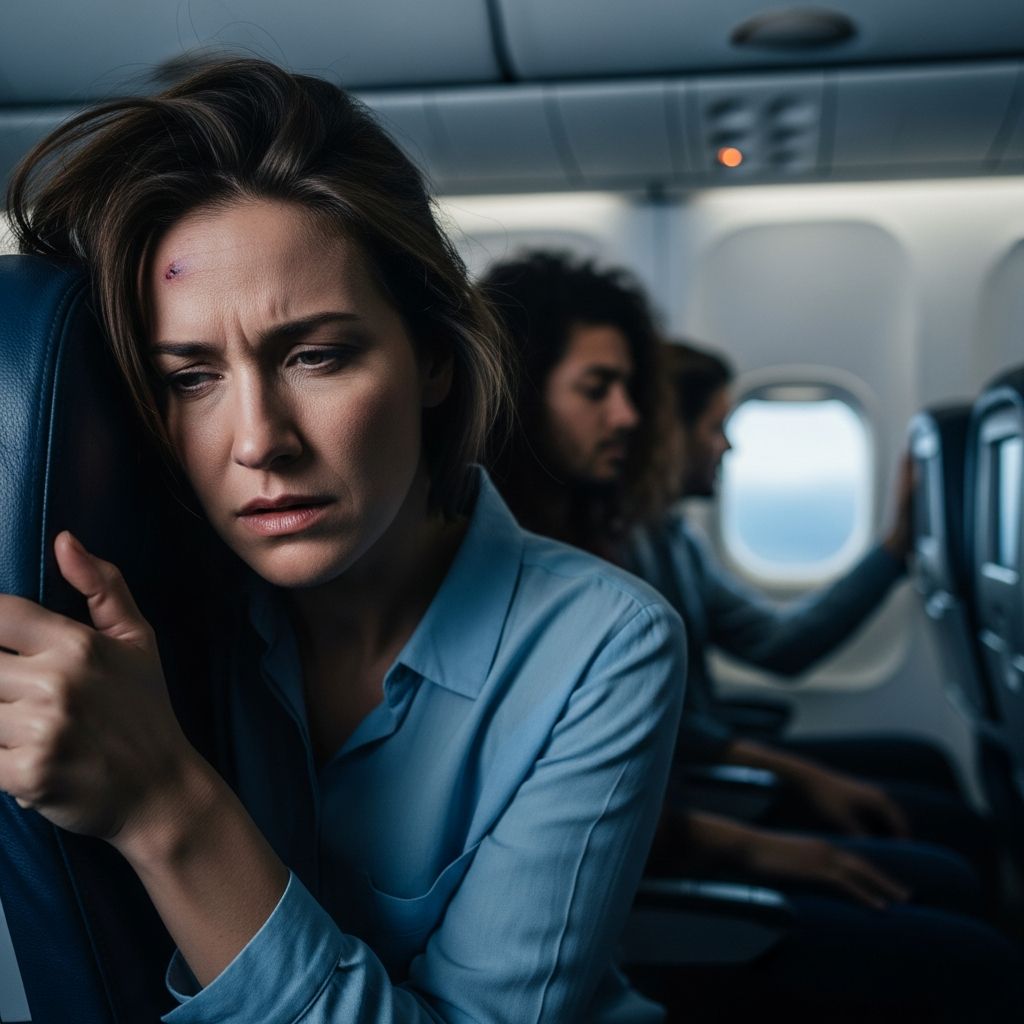
Understanding In-Flight Turbulence and Passenger Safety
Turbulence remains one of the most common concerns for air travelers, yet it represents far more than mere passenger discomfort. In-flight turbulence is the leading cause of injuries to airline passengers and flight attendants in non-fatal aviation accidents. Each year, the aviation industry records numerous incidents where sudden, unexpected movements of an aircraft cause harm to those aboard. According to safety experts and aviation research, approximately 58 airline passengers in the United States are injured annually by turbulence while not wearing their seat belts. Understanding the nature of these injuries, the circumstances under which they occur, and the legal frameworks governing compensation is essential for travelers and aviation professionals alike.
The phenomenon of turbulence—defined as irregular and chaotic airflow that causes fluctuations in air pressure and velocity—manifests in various forms depending on atmospheric conditions, aircraft altitude, and geographical location. Some turbulent encounters result in minor discomfort, while others can cause serious injuries ranging from broken bones to head trauma. For flight attendants, who spend considerable time moving through cabin aisles during service, turbulence poses an occupational hazard that has prompted workers’ compensation claims and prolonged absences from work.
The Physics Behind Turbulent Encounters
Turbulence arises from disturbances in the flow of air, resulting in swirling eddies and vortices that disrupt smooth aircraft movement through the atmosphere. Multiple atmospheric and aerodynamic factors contribute to turbulent conditions. The primary mechanisms include convective processes, mechanical obstructions, jet stream interactions, and wake phenomena generated by other aircraft.
Convective turbulence originates from uneven heating of the earth’s surface. When the sun heats terrain inconsistently, air in contact with the surface warms at different rates and rises accordingly. This differential heating distorts normal wind-flow patterns at higher altitudes, generating chaotic atmospheric motion. Thermals—pockets of hot air triggered by solar heating—act as obstructions to normal wind currents, forcing air to move around them and creating the bumpy conditions passengers experience.
Mechanical turbulence occurs when obstacles disrupt airflow patterns. Friction between moving air and the ground surface, combined with irregular terrain such as mountains, hills, or buildings, creates turbulent eddies. Wind speeds of approximately 20 knots or greater, combined with unstable atmospheric conditions where heat rising from the surface causes eddies to expand, intensify this type of turbulence. In stable air masses, eddies remain smaller but take longer to dissipate.
High-altitude encounters with jet streams—narrow bands of fast-flowing air in the upper atmosphere—present another turbulence source. These powerful wind systems, particularly during transcontinental flights, create disturbances when aircraft traverse them, sometimes resulting in sudden and unexpected altitude changes.
Wake turbulence deserves particular attention due to its hazardous nature. This phenomenon results from vortices formed in the wake of aircraft, generated by circulation patterns on the upper surface of each wing. These swirling air masses can persist for several minutes and pose significant danger to following aircraft. In worst-case scenarios involving two heavy aircraft taking off in sequence, the trailing aircraft’s increased weight can reduce its responsiveness to control inputs, potentially causing it to impact the ground when encountering intense wake vortices.
Categories of Turbulence Intensity
Aviation authorities classify turbulence according to standardized intensity scales that describe the physical effects and aircraft response. Understanding these categories helps explain why some turbulent encounters result in injury while others cause only minor discomfort.
Light turbulence produces minor fluctuations in aircraft attitude, with occupants experiencing slight strain against seat belts. Loose objects may shift slightly, but walking remains relatively easy and the overall experience is mildly uncomfortable.
Moderate turbulence intensifies these effects noticeably. Occupants experience more pronounced strain against restraints, walking becomes difficult, and loose items move about the cabin. Passengers typically remain aware of their surroundings, though the experience generates genuine discomfort.
Severe turbulence creates abrupt changes in aircraft attitude and altitude, with the aircraft potentially losing control for brief periods. Airspeed variations become substantial, and accelerometer readings exceed 1.0g at the aircraft’s center of gravity. In these conditions, objects are forced violently against seat belts, loose items are tossed around, and occupants face genuine risk of injury. Military aviators often regard accelerations of +4g to 2g as severe.
Extreme turbulence produces effects more pronounced than severe intensity, with the most violent and unpredictable aircraft movements. Fortunately, this category remains relatively rare in commercial aviation.
Types of In-Flight Injury Patterns
Turbulence-related injuries occur through various mechanisms depending on the severity of the encounter and the location of affected individuals. Passengers without fastened seat belts face significantly higher risk than those properly restrained.
Common injury types include:
- Head and neck trauma from striking overhead compartments, seats, or other cabin structures
- Spinal injuries resulting from sudden jolting movements or falls during severe turbulence
- Fractured bones from striking seat frames, armrests, or other hard surfaces
- Soft tissue injuries including sprains and strains from loss of balance or sudden directional changes
- Internal injuries from blunt force trauma during extreme turbulence encounters
Flight attendants face heightened vulnerability during turbulent episodes. These crew members move throughout the cabin during service operations, standing in aisles without secure restraint options. A sudden turbulent encounter can throw attendants violently against walls, seats, or equipment, resulting in injuries severe enough to prevent them from working for extended periods. This occupational hazard has generated substantial workers’ compensation claims and prompted discussions about crew safety protocols and turbulence preparedness training.
Airline Responsibility and Passenger Compensation
Airlines maintain a legal obligation to operate aircraft safely and protect passengers from foreseeable hazards. When turbulence causes injury, questions arise regarding airline liability and passenger entitlement to compensation.
Airlines typically argue that turbulence constitutes an act of nature or unforeseeable weather event beyond their control. However, this defense has limitations. Modern meteorological technology and pilot training enable crews to anticipate, locate, and avoid many turbulent regions. Airlines that fail to implement available safety measures, ignore weather forecasts indicating turbulent conditions, or neglect proper cabin safety protocols may face liability.
Key factors influencing potential liability include:
- Whether the airline provided adequate safety briefings regarding seat belt use and turbulence preparedness
- Whether flight attendants were properly secured when turbulence occurred
- Whether pilots took reasonable steps to avoid known turbulent areas or altitude changes
- Whether the aircraft was properly maintained and mechanically sound
- Whether cabin crew followed established safety procedures during turbulent episodes
Passengers injured by turbulence may pursue compensation through several avenues. Domestic airline injuries may fall under federal aviation regulations or state negligence law, depending on circumstances. International flights potentially involve international aviation treaties such as the Montreal Convention, which establishes passenger liability frameworks and compensation limits for carriers.
Prevention Strategies and Safety Measures
While airlines cannot eliminate turbulence, they can implement numerous strategies to minimize injury risk. Structural stress from turbulence necessitates regular maintenance and inspection, ensuring aircraft can withstand turbulent encounters without sustaining damage.
Pilot training in turbulence recognition and avoidance represents a critical safety element. Modern aircraft equipped with weather radar systems can detect thunderstorm activity and severe convective turbulence, allowing pilots to alter flight paths or request altitude changes to avoid dangerous conditions.
Cabin safety protocols require flight attendants to secure themselves during anticipated turbulence and to advise passengers to fasten seat belts. However, turbulence detection remains imperfect; clear-air turbulence can occur without warning, emphasizing the importance of constant seat belt use throughout flights.
Airlines continue investing in turbulence prediction research and real-time weather monitoring systems. The National Center for Atmospheric Research and similar organizations work to improve understanding of turbulence phenomena, recognizing it as a persistent industry challenge.
Practical Recommendations for Travelers
Passengers can significantly reduce turbulence injury risk through simple precautions. Keeping seat belts fastened throughout flights, even when the aircraft achieves cruising altitude, provides protection against unexpected turbulent encounters. Many serious turbulence injuries involve unbelted passengers who strike cabin structures when sudden movements occur.
Securing loose items in overhead compartments or under seats prevents objects from becoming airborne projectiles during turbulence. Avoiding consumption of hot beverages during suspected turbulent conditions reduces burn injury risk.
Understanding individual airline safety briefings and familiarizing oneself with emergency procedures contributes to overall flight safety awareness. Travelers should pay attention to flight attendant announcements regarding turbulence expectations and follow crew member instructions promptly.
Legal Recourse Following Turbulence Injuries
Passengers injured during turbulence should document the incident thoroughly. Obtaining names and contact information of witnesses, noting the flight number and date, and photographing visible injuries creates valuable evidence. Seeking medical evaluation even for seemingly minor injuries establishes documentation of the incident-injury connection.
Consulting with aviation attorneys experienced in passenger injury claims helps determine whether viable legal action exists. These professionals understand the complex regulatory frameworks governing airline liability, applicable statutes of limitations, and compensation calculation methodologies.
Frequently Asked Questions
Q: Are turbulence injuries covered by airline liability insurance?
A: Airlines maintain liability insurance covering passenger injuries, though coverage limits and exclusions vary by carrier and policy terms. International flights may involve different liability frameworks than domestic operations.
Q: What compensation levels are typical for turbulence injury claims?
A: Compensation depends on injury severity, medical expenses, lost wages, and long-term disability. Serious injuries may result in settlements or judgments ranging from thousands to hundreds of thousands of dollars, while minor injuries typically generate smaller claims.
Q: How long do passengers have to file claims for turbulence injuries?
A: Statutes of limitations vary by jurisdiction. Most U.S. claims must be initiated within one to three years of the incident, though specific deadlines depend on applicable law and whether federal or state courts have jurisdiction.
Q: Can flight attendants sue for turbulence injuries differently than passengers?
A: Flight attendants may pursue workers’ compensation claims in addition to or instead of passenger liability claims, depending on their employment status and applicable state laws. These claims follow different legal procedures and potentially generate different compensation levels.
Q: What role does aircraft maintenance play in turbulence injury liability?
A: Inadequate maintenance that compromises structural integrity or safety systems could support liability claims. Airlines failing to maintain aircraft to required standards might face enhanced liability exposure beyond simple turbulence encounters.
References
- Aviation – Hazards – Turbulence and Wind Shear — World Meteorological Organization Community. 2024. https://community.wmo.int/site/knowledge-hub/programmes-and-initiatives/aviation/aviation-hazards-turbulence-and-wind-shear
- Turbulence Explained — Sheffield School of Aeronautics. 2024. https://www.sheffield.com/airplane-turbulence
- The Science Of Turbulence: Causes, Effects, And Mitigation — Acorn Welding. 2024. https://www.acornwelding.com/blog/post/demystifying-turbulence-aerospace-welding-service
- 7 Types of Turbulence Every Pilot Should Know (What Causes It) — Pilot Mall. 2024. https://www.pilotmall.com/blogs/news/7-types-of-turbulence-every-pilot-should-know-what-causes-it
- Turbulence and Its Impact on Commercial Aviation — Embry-Riddle Aeronautical University. 2002. https://commons.erau.edu/cgi/viewcontent.cgi?article=1301&context=jaaer
Similar Articles








Read full bio of medha deb


